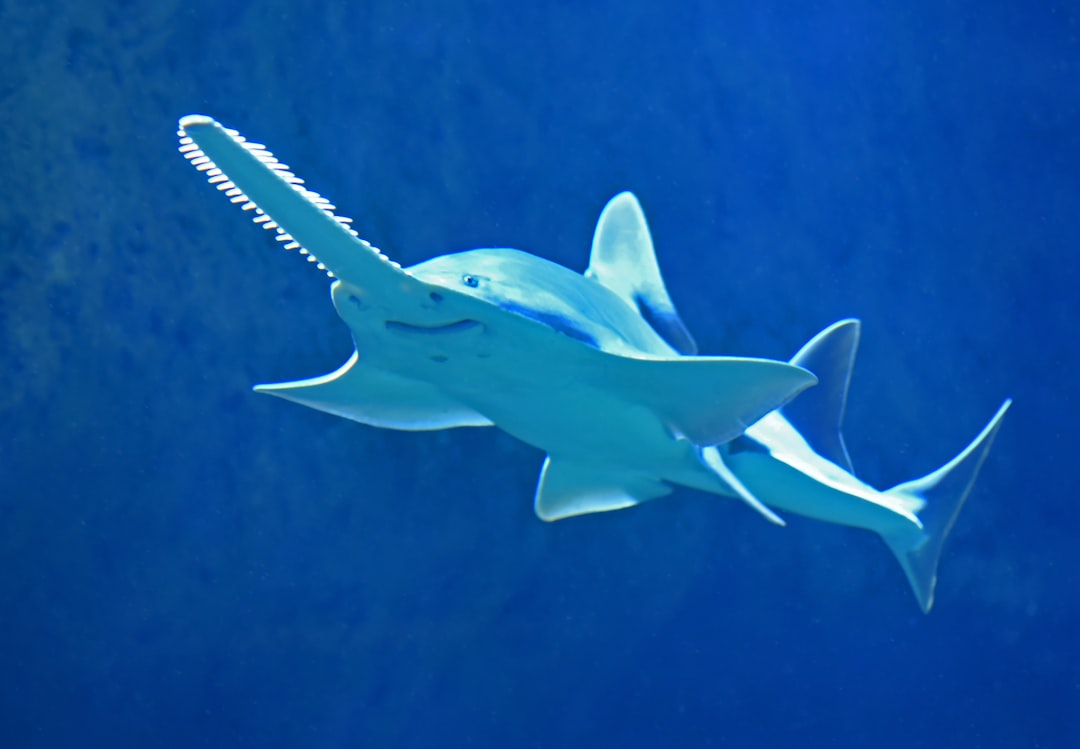
The abyssal plains, a realm of perpetual twilight and crushing pressures, hold secrets whispered in bioluminescent flashes and revealed in the eerie translucence of their inhabitants. For centuries, humanity’s gaze was largely confined to the sunlit shallows, but with technological advancements, we’ve begun to peer into the deepest trenches, encountering life forms so alien and yet so perfectly adapted to their extreme environment that they inspire awe and wonder. Among the most captivating of these deep-sea dwellers are the transparent animals, creatures that have evolved to wear their insides on the outside, a fascinating evolutionary strategy in a world where visibility can mean the difference between predator and prey. This article delves into the astonishing world of transparent deep-sea animals, exploring their unique adaptations, their ecological roles, and the scientific insights they offer.
The deep sea, generally considered to be the ocean below 200 meters, is a vast and largely unexplored frontier. Light penetration diminishes rapidly with depth, creating zones of increasing darkness: the mesopelagic (twilight zone), bathyal (midnight zone), abyssal, and hadal (trenches). In these regions, life faces formidable challenges.
The Crushing Weight of the Deep
The sheer hydrostatic pressure of the deep ocean is immense. At depths of 1,000 meters, the pressure is about 100 times that at the surface. By 10,000 meters, it can exceed 1,000 times surface pressure. Organisms living here must possess specialized cellular structures and biochemical processes to prevent their cells from collapsing. Many deep-sea animals have a high water content in their tissues, making them less compressible. Their proteins are often more robust, and they may utilize special molecules called piezolytes to stabilize cellular functions under pressure.
The Perpetual Darkness
For most of the deep sea, sunlight is a distant memory. This lack of light has profoundly shaped the evolution of its inhabitants. Vision, as we understand it, is often useless. Instead, many deep-sea animals rely on other senses, such as chemoreception (detecting chemical signals), mechanoreception (sensing vibrations and pressure changes), and bioluminescence.
Bioluminescence: The Deep-Sea Light Show
Bioluminescence, the production of light by living organisms, is a common and vital adaptation in the deep sea. It serves a multitude of purposes, from attracting prey and mates to communication and defense. This “living light” is produced through chemical reactions, typically involving an enzyme called luciferase and a substrate called luciferin. The diverse ways in which deep-sea creatures employ bioluminescence are a testament to the creativity of evolution.
Food Scarcity and Novel Strategies
The deep sea is characterized by a scarcity of food. Nutrients primarily arrive from the surface through the “marine snow” – organic matter that sinks from shallower waters. This limited food availability has led to a variety of adaptations, including slow metabolisms, efficient scavenging, and the ability to capture even the smallest morsel of food that drifts by. Predation strategies are also diverse, ranging from ambush tactics to elaborate lures.
Transparent deep sea animals are fascinating creatures that have adapted to their dark and extreme environments in unique ways. For more insights into these remarkable organisms and their survival strategies, you can read a related article that explores the biology and behavior of these elusive beings. Check it out here: Freaky Science.
The Art of Invisibility: The Evolutionary Advantage of Transparency
In a world where being seen can be a death sentence, transparency offers a remarkable advantage. By being virtually invisible, these creatures can evade predators and sneak up on unsuspecting prey. This seemingly simple trait is the result of complex biological mechanisms.
How Do They Achieve Transparency?
The transparency of deep-sea animals is not a passive state but an active adaptation. It is achieved through several key mechanisms:
Minimizing Light Reflection and Scattering
The primary goal of transparency is to allow light to pass through the organism with minimal reflection or scattering. This is achieved by:
Structural Adaptations of Tissues
The body tissues of transparent animals are often composed of water and gelatinous materials with very few light-scattering particles. Their cells are packed tightly, with minimal air spaces or internal structures that could refract or reflect light. This uniformity in refractive index throughout their bodies is crucial.
Reduced Pigmentation
Most transparent deep-sea animals lack pigments, which are molecules that absorb and reflect light. Pigments are essential for color in surface-dwelling animals, but in the deep sea, they would make an animal conspicuous. The absence of pigments allows light to pass through unimpeded.
Specialized Organ Location and Camouflage
While the body may be transparent, internal organs are often still visible. To mitigate this, many transparent creatures have evolved strategies to camouflage their organs. This can involve:
Concentrating Pigments in Specific Areas
Some species have concentrated pigmented cells around their eyes or digestive tracts, making these essential but visible structures less obvious.
Creating Bioluminescent Counter-illumination
A remarkable strategy involves using bioluminescence to match the faint light from above. This counter-illumination effectively cancels out the shadow cast by the animal, rendering it invisible from below.
Gelatinous Bodies and Water Content
Many transparent deep-sea animals are largely composed of water, giving them a gelatinous texture. This high water content reduces the density of their tissues, making them more similar in refractive index to the surrounding seawater. This similarity is key to allowing light to pass through without significant disruption.
Examples of Transparent Wonders
The deep sea is home to a diverse array of transparent or near-transparent animals, each showcasing this adaptation in unique ways.
The Comb Jellies (Ctenophores)
Comb jellies are a phylum of marine invertebrates, many of which inhabit the deep sea. They are characterized by their iridescent combs of cilia, which they use for locomotion. Many species are entirely transparent, their delicate bodies pulsing with light from their beating cilia. Their gelatinous bodies are nearly 95% water, contributing to their ethereal appearance.
The Venus’s Girdle (Cestum veneris)
While not exclusively a deep-sea inhabitant, this remarkably long and ribbon-like ctenophore can be found in deeper waters. Its ribbon-like body is so transparent that it appears like a ghostly ribbon drifting through the ocean.
The Sea Gooseberry (Pleurobrachia pileus)
Another common ctenophore, the sea gooseberry, is also largely transparent, with two retractable tentacles used for capturing plankton.
The Salps (Tunicates)
Salps are barrel-shaped, planktonic tunicates that drift through the ocean. Many species are almost perfectly transparent, allowing them to blend seamlessly into the water column. They filter feed on phytoplankton and play an important role in the oceanic carbon cycle.
Chain Salps
These salps often aggregate into long, free-floating chains, creating ethereal, flowing structures in the deep. Their transparency makes these chains appear as shimmering, almost unreal entities.
Solitary Salps
Even when solitary, these barrel-shaped tunicates are remarkably clear, their internal structures faintly visible as they pump water through their bodies.
The Siphonophores
Siphonophores are colonial animals that belong to the phylum Cnidaria. They are complex, multicellular organisms that consist of specialized individual units called zooids, each performing a specific function. Many siphonophores are highly transparent.
The Portuguese Man o’ War (Physalia physalis)
While often found in shallower waters, some related species inhabit deeper areas. Its buoyant gas-filled float is translucent, and its trailing tentacles are also often nearly invisible, making it a formidable predator.
The Praya dubia
This is one of the longest known animals on Earth, reaching lengths of up to 40 meters. This colonial siphonophore is predominantly transparent, its delicate structure a marvel of deep-sea adaptation.
The Arrow Squid (Ommastrephidae)
Some species of arrow squid, particularly those inhabiting deeper waters, exhibit remarkable transparency. Their bodies are so clear that their internal organs are visible, a feat achieved through a lack of pigment and a watery composition.
Glass Squid (Cranchiidae)
This family of squid is renowned for its extreme transparency. Their bodies are so clear that they are often referred to as “glass squid.” They possess a large, transparent mantle and often have bioluminescent organs.
The “Invisible” Fish
While less common than transparent invertebrates, some deep-sea fish have also evolved significant transparency.
The Dragonfish (Stomiidae family)
Certain dragonfish species possess a transparent underside. This unique adaptation helps them to avoid detection from predators lurking below, as their silhouette is not clearly defined against the faint light from the surface.
The Barreleye Fish (Macropinna microstoma)
Perhaps one of the most striking examples of transparency in fish, the barreleye fish possesses a transparent, fluid-filled dome on its head, through which its tubular eyes can rotate upwards to detect prey. This extraordinary adaptation is a testament to the extreme pressures and unique visual challenges of its environment.
Ecological Roles and Significance
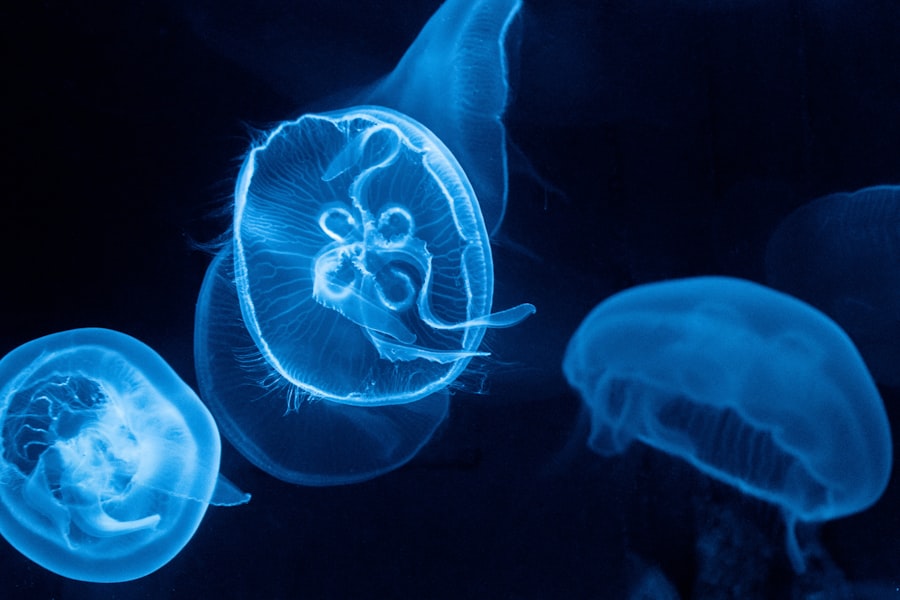
The transparent inhabitants of the deep sea are not merely passive passengers; they play crucial roles in the intricate web of life in the abyss. Their transparency, a sophisticated form of camouflage, influences predator-prey dynamics and shapes the ecosystem.
Predator Evasion and Survival
For many transparent animals, their invisibility is their primary defense. By blending seamlessly with their surroundings, they evade the keen senses of deep-sea predators. This allows them to survive in an environment where the food chain is often short and opportunities for escape are limited.
The Impact on Predation Pressure
The presence of a significant population of transparent prey can alter the hunting strategies of predators. Predators may need to rely more heavily on other senses, such as chemoreception or the detection of movement, to locate their meals.
Prey Capture and Predatory Strategies
Conversely, transparency also aids some species in their predatory pursuits. By being virtually unseen, they can approach unsuspecting prey before it has a chance to react.
Ambush Predators
Many transparent deep-sea animals are ambush predators, waiting patiently for their meals to come to them. Their invisibility allows them to remain undetected until the opportune moment to strike.
Luring Prey
While not directly related to transparency, some transparent animals may also utilize bioluminescence to lure prey, further enhancing their predatory success in the dark depths.
Contribution to the Carbon Cycle
Organisms with gelatinous bodies, such as salps and comb jellies, play a significant role in the biological carbon pump. As they consume phytoplankton and other organic matter, they package it into fecal pellets that sink to the ocean floor, effectively sequestering carbon from the atmosphere. Their transparency doesn’t hinder this vital process.
The Role of Fecal Pellets
The sinking of fecal pellets from gelatinous zooplankton is a crucial pathway for transporting carbon to the deep ocean, where it can be stored for long periods. This process is essential for regulating Earth’s climate.
Indicators of Ocean Health
The presence and abundance of certain transparent species can serve as indicators of the health of deep-sea ecosystems. Changes in their populations might signal shifts in water temperature, oxygen levels, or the availability of food resources.
The Science Behind the Sheer: Research and Discovery
The study of transparent deep-sea animals presents unique challenges and opportunities for scientific research. Their delicate nature and inaccessible habitat require specialized equipment and techniques.
Innovations in Deep-Sea Exploration
To study these elusive creatures, scientists have developed sophisticated technologies:
Remotely Operated Vehicles (ROVs) and Autonomous Underwater Vehicles (AUVs)
These robotic submersibles allow researchers to explore the deep sea without putting humans at risk. Equipped with high-definition cameras, lights, and sampling tools, ROVs and AUVs can capture stunning footage and collect specimens from extreme depths.
Specialized Collection Methods
Collecting delicate gelatinous animals without damaging them is a significant challenge. Scientists have developed specialized nets and collection devices that minimize stress and preserve the integrity of these fragile organisms.
Advances in Imaging and Optics
Understanding the optical properties of transparent tissues requires advanced imaging techniques. Scientists use specialized microscopy and light-scattering analysis to study how light interacts with their tissues, providing insights into their camouflage mechanisms.
Understanding Evolutionary Pathways
The study of transparent animals offers valuable insights into the evolutionary processes that drive adaptation in extreme environments. By comparing the genetic makeup and physiological mechanisms of these creatures, scientists can unravel the pathways that led to such remarkable specializations.
Genetic Basis of Transparency
Research is ongoing to identify the genes and molecular pathways responsible for transparency. Understanding these genetic underpinnings could reveal novel insights into tissue development and light manipulation.
Comparative Physiology
Studying the physiological adaptations of transparent animals, such as their cellular structures and biochemical processes, helps us understand how life can thrive under immense pressure and in perpetual darkness.
Potential for Biomedical Applications
The unique biochemical properties of deep-sea organisms, including those that contribute to their transparency, hold potential for future biomedical applications.
Novel Biocompatible Materials
The gelatinous tissues of some transparent animals might inspire the development of new biocompatible materials for medical implants or drug delivery systems.
Understanding Light-Sensitive Proteins
Studying the proteins involved in bioluminescence and light perception in deep-sea creatures could lead to advancements in imaging technologies and photodynamic therapies.
Transparent deep sea animals have long fascinated scientists and enthusiasts alike due to their unique adaptations to the dark depths of the ocean. These creatures, such as the glass octopus and certain jellyfish, have evolved to become nearly invisible, making them masters of camouflage in their underwater habitats. If you’re interested in learning more about these intriguing organisms and their remarkable features, you can explore a related article that delves into the science behind their transparency and survival strategies. For further insights, check out this fascinating article that highlights the wonders of deep sea life.
Challenges and Future Directions
| Animal | Depth Range | Size | Transparency |
|---|---|---|---|
| Glass Squid | 300-1000 meters | Up to 14 inches | Highly transparent |
| Barreleye Fish | 600-800 meters | Up to 6 inches | Transparent head |
| Comb Jelly | Surface to 5000 meters | Up to 8 inches | Bioluminescent and transparent |
Despite the remarkable progress in deep-sea exploration, much remains unknown about the transparent wonders of the abyss. Several challenges persist, and exciting avenues for future research lie ahead.
The Vastness of the Unexplored
The deep ocean is the largest biome on Earth, and only a fraction of it has been thoroughly explored. The majority of its inhabitants, including many transparent species, remain undiscovered.
The Need for Continued Exploration
Continued investment in deep-sea exploration technologies and expeditions is crucial to cataloging biodiversity, understanding ecosystem functions, and identifying new species.
Preserving Fragile Ecosystems
Deep-sea ecosystems are particularly vulnerable to human impacts, including overfishing, pollution, and potential deep-sea mining. Protecting these unique environments is paramount.
The Importance of Conservation Efforts
Understanding the ecological roles of transparent animals underscores the importance of implementing effective conservation strategies to safeguard these fragile habitats and their inhabitants.
Technological Limitations
While technology has advanced significantly, certain limitations remain in studying and collecting deep-sea organisms. Developing more sophisticated and less intrusive sampling methods is an ongoing goal.
Enhancing Sampling Techniques
Future research will focus on developing methods that minimize damage to delicate organisms and allow for the study of their behavior in their natural habitat for longer periods.
The Interdisciplinary Nature of Research
Unraveling the mysteries of transparent deep-sea animals requires a collaborative, interdisciplinary approach, bringing together marine biologists, geneticists, oceanographers, and engineers.
Fostering Collaboration
Encouraging collaboration between different scientific disciplines will accelerate discovery and lead to a more comprehensive understanding of these extraordinary creatures and their environment.
The transparent wonders of the deep sea are a testament to the boundless ingenuity of evolution. These ethereal beings, cloaked in invisibility, remind us of the vastness of life’s possibilities and the profound secrets that still lie hidden in the ocean’s depths. As our understanding grows, so too does our appreciation for these delicate, yet resilient, inhabitants of the abyss, urging us to continue exploring, understanding, and ultimately, protecting the phantom realm they call home.

The Deeper You Go, the Less Life Looks Like Life
FAQs
What are transparent deep sea animals?
Transparent deep sea animals are marine organisms that have evolved to be nearly invisible in their natural habitat. They have developed transparent or translucent bodies, allowing them to blend in with the surrounding water and avoid detection by predators or prey.
How do transparent deep sea animals achieve transparency?
Transparent deep sea animals achieve transparency through a variety of mechanisms, including the use of transparent tissues, lack of pigmentation, and specialized cells that scatter or reflect light. Some species also have gelatinous bodies or bioluminescent capabilities that contribute to their transparency.
What are some examples of transparent deep sea animals?
Examples of transparent deep sea animals include the glass squid, comb jelly, larvaceans, and certain species of jellyfish and shrimp. These organisms have adapted to their deep sea environment by developing transparent or translucent bodies that make them difficult to see in the dimly lit ocean depths.
What are the advantages of being transparent for deep sea animals?
Being transparent provides several advantages for deep sea animals, including improved camouflage, reduced visibility to predators, and the ability to ambush prey more effectively. Transparency also allows these organisms to blend in with their surroundings and avoid detection in the open ocean.
How do transparent deep sea animals survive in their environment?
Transparent deep sea animals have evolved various survival strategies to thrive in their environment, such as bioluminescence for communication and hunting, unique feeding mechanisms, and the ability to adjust their transparency based on the surrounding light conditions. These adaptations help them navigate the challenges of life in the deep sea.