
The human body, a marvel of evolutionary engineering, is constantly navigating a complex internal and external environment. Among the myriad of challenges it faces, the accumulation of certain compounds can pose significant physiological hurdles. One such compound, trimethylamine N-oxide (TMAO), has emerged as a fascinating subject of scientific inquiry, particularly in understanding its role in health and disease, and how organisms have developed intricate mechanisms to cope with its presence. The ability to adapt to TMAO pressure is not merely a passive acceptance of a biological byproduct, but rather an active, orchestrated survival strategy, involving a sophisticated interplay of cellular processes and physiological responses. This article delves into the multifaceted ways in which organisms, from marine life to humans, have evolved to manage TMAO levels, highlighting the remarkable resilience and adaptability of biological systems.
To understand the adaptation to TMAO pressure, one must first grasp its origins. TMAO is a small, polar molecule that plays a crucial role in a variety of biological functions. Its presence is intrinsically linked to dietary habits and metabolic processes, making its accumulation a variable factor across different species and individuals.
Dietary Origins of Trimethylamine
The primary dietary source of TMAO is through the consumption of certain foods, particularly those rich in choline, phosphatidylcholine, and L-carnitine. These compounds are abundant in red meat, eggs, fish, and dairy products. Gut microbiota play a pivotal role in the initial breakdown of these dietary precursors.
The Gut Microbiome’s Role in TMA Production
Within the complex ecosystem of the gut, specific bacterial species possess enzymes capable of metabolizing choline, phosphatidylcholine, and L-carnitine. These bacteria cleave off the trimethylamine (TMA) group, a volatile and pungent molecule, which is then absorbed into the bloodstream. This initial step is a critical determinant of systemic TMA levels, and consequently, TMAO production. The diversity and composition of an individual’s gut microbiome significantly influence the efficiency of this conversion, making dietary choices and the state of gut health paramount.
Hepatic Oxidation: The Conversion to TMAO
Once absorbed into the circulation, TMA is transported to the liver, where it undergoes a critical enzymatic conversion. This process is primarily mediated by flavin-containing monooxygenases (FMOs), particularly FMO3. These enzymes catalyze the oxidation of TMA to TMAO.
Flavin-Containing Monooxygenases (FMOs) and Their Significance
FMOs are a family of enzymes responsible for the metabolism of a wide range of xenobiotics and endogenous compounds. FMO3, in particular, exhibits a high affinity for TMA. The activity and expression levels of FMO3 are subject to genetic and environmental influences, contributing to inter-individual variability in TMAO production. Variations in FMO3 genes can lead to differences in the rate at which TMA is converted to TMAO, impacting an individual’s susceptibility to TMAO-related health issues.
Physiological Roles of TMAO: More Than Just a Byproduct
While often discussed in the context of its potential negative health implications, TMAO also serves important physiological functions, particularly in species living in high-pressure marine environments. Understanding these beneficial roles provides a crucial foundation for comprehending the adaptive strategies.
Osmolyte Function in Marine Organisms
In the challenging environment of the deep sea, marine animals face immense hydrostatic pressure. TMAO acts as a potent osmolyte, stabilizing proteins and cellular structures against the denaturing effects of pressure. It achieves this by preferentially excluding itself from the surface of proteins, thereby increasing the hydration shell around the protein and maintaining its native conformation under pressure. This protective function is essential for the survival of deep-sea creatures.
Protein Stabilization and Chaperone Activity
Beyond pressure, TMAO also exhibits a general protein-stabilizing effect. It can counteract the denaturing effects of other stressors, such as heat or urea. In this capacity, TMAO can be considered a form of molecular chaperone, assisting in protein folding and preventing aggregation. This intrinsic protective property likely contributes to its wider distribution and potential roles in terrestrial organisms as well.
Recent studies have highlighted the role of trimethylamine N-oxide (TMAO) in cardiovascular health and its adaptation to pressure changes in the body. For a deeper understanding of this topic, you can explore the article on pressure adaptation mechanisms and their implications for TMAO levels in the bloodstream. To read more about this fascinating connection, visit this article.
Coping with TMAO Pressure: Evolutionary Adaptations
The evolutionary journey of TMAO management reveals a spectrum of adaptive strategies, dictated by environmental pressures and the metabolic capabilities of different species. Organisms have evolved distinct mechanisms to either minimize TMAO production, enhance its excretion, or harness its beneficial properties.
Minimizing TMA Production: A First Line of Defense
The most straightforward approach to managing TMAO levels is to reduce the influx of its precursor, TMA. This can be achieved through a combination of dietary adaptations and microbial manipulation.
Dietary Restraint and Selective Feeding
Species with naturally low TMAO levels often exhibit dietary habits that limit their exposure to TMA-generating substrates. Herbivorous animals, for instance, consume diets rich in plant matter, which typically contain lower levels of choline and L-carnitine compared to animal products. Similarly, some omnivorous species may exhibit selective feeding behaviors, favoring food sources with lower TMAO precursor content. This dietary restraint represents a fundamental evolutionary adaptation to avoid excessive TMAO burden.
Symbiotic Relationships and Microbial Modulation
In some cases, symbiotic relationships with specific gut microbes can play a role in modulating TMA production. Certain bacteria may possess mechanisms to either degrade TMA precursors before they can be utilized by TMA-producing species, or to metabolize TMA itself into less harmful compounds. The delicate balance of the gut microbiome is therefore a critical factor in controlling TMAO levels. Disruptions to this balance, through factors like antibiotic use or dietary changes, can have significant downstream effects on TMAO metabolism.
Enhancing TMAO Excretion: The Renal Pathway
When TMAO levels rise, the body employs mechanisms to eliminate the excess compound from the circulation. The kidneys play a central role in this excretory process.
Renal Transporter Systems for TMAO Clearance
The kidneys are equipped with sophisticated transport systems that facilitate the filtration and excretion of various molecules from the blood. TMAO, being a polar molecule, can be effectively filtered by the glomeruli and subsequently processed by the renal tubules. Specialized organic anion transporters (OATs) and organic cation transporters (OCTs) are involved in the reabsorption and secretion of TMAO, contributing to its net clearance from the body. The efficiency of these transporters can vary between species and individuals, influencing their capacity to excrete TMAO.
Hormonal and Physiological Influences on Renal Function
The rate of TMAO excretion by the kidneys can be influenced by various hormonal and physiological factors. For example, hydration status, blood pressure, and the presence of certain hormones can modulate kidney function and, consequently, TMAO clearance. Understanding these regulatory mechanisms is crucial for comprehending how the body dynamically adjusts its TMAO elimination in response to varying physiological demands.
Harnessing TMAO’s Protective Properties: Beyond Excretion
In certain environments and physiological states, TMAO’s inherent protein-stabilizing properties become a valuable asset. Instead of solely focusing on its removal, some organisms have evolved to leverage TMAO’s beneficial effects.
Marine Life: Adapting to Extreme Pressure
As previously mentioned, marine organisms, particularly those inhabiting the deep sea, have extensively utilized TMAO as a protective osmolyte. Their cellular machinery is intricately adapted to tolerate and utilize high concentrations of TMAO, allowing them to thrive under immense hydrostatic pressure. This represents a remarkable evolutionary success story, where a metabolic byproduct has been repurposed for extreme environmental adaptation.
Vertebrate Endogenous Protection: A Growing Area of Research
Emerging research suggests that TMAO may also play subtle, yet significant, protective roles in vertebrates, including humans, even at lower concentrations. These roles may involve counteracting oxidative stress, stabilizing cellular membranes, and modulating inflammatory responses. While the levels of TMAO in terrestrial animals are generally lower than in deep-sea fish, understanding these endogenous protective functions is crucial for a comprehensive appreciation of TMAO’s biological significance.
TMAO in Human Health: A Double-Edged Sword

In humans, the role of TMAO is more complex and often associated with detrimental health outcomes, particularly in the context of cardiovascular disease. However, the narrative is not entirely negative, and research is continually uncovering nuances.
TMAO and Cardiovascular Disease: The Emerging Link
Numerous epidemiological studies have identified a strong correlation between elevated TMAO levels and an increased risk of cardiovascular events, including atherosclerosis, heart attack, and stroke. The prevailing hypothesis suggests that TMAO may contribute to cardiovascular disease through several mechanisms.
Promotion of Atherosclerosis: Cholesterol Transport and Inflammation
TMAO is believed to promote the development of atherosclerosis by interfering with cholesterol metabolism. It can enhance the transport of cholesterol from peripheral tissues to the liver, potentially leading to increased accumulation of LDL cholesterol in the arterial walls. Furthermore, TMAO has been implicated in promoting inflammation and oxidative stress within the cardiovascular system, further contributing to plaque formation and progression.
Impact on Platelet Reactivity and Thrombosis
Recent research has also revealed a link between TMAO and increased platelet reactivity. Elevated TMAO levels can make platelets more prone to aggregation, leading to an increased risk of blood clot formation (thrombosis). This heightened thrombotic potential further exacerbates the risk of cardiovascular events.
The Gut Microbiome’s Role in Human TMAO Metabolism and Disease
The profound influence of the gut microbiome on TMAO production is particularly evident in humans. Dietary habits, coupled with the composition of an individual’s gut bacteria, dictate the extent to which TMA is generated and subsequently converted to TMAO.
Dysbiosis and Increased TMAO Production
An imbalance in the gut microbial community, known as dysbiosis, is frequently associated with increased TMAO levels. When the gut environment is disrupted, TMA-producing bacteria may proliferate, leading to a higher generation of TMA from dietary precursors. This underscores the importance of maintaining a healthy and diverse gut microbiome for managing TMAO levels and mitigating associated health risks.
Dietary Interventions and Microbiome Modulation
Given the central role of the gut microbiome, dietary interventions aimed at modulating its composition have emerged as a promising strategy for reducing TMAO production. Consuming diets rich in fiber, fruits, and vegetables can promote the growth of beneficial gut bacteria, while limiting the proliferation of TMA-producing species. Furthermore, prebiotics and probiotics are being investigated for their potential to specifically target and alter the TMAO-producing microbial landscape.
Potential Protective Roles of TMAO in Humans: A Developing Understanding
While the association with cardiovascular disease is significant, research is beginning to explore potential beneficial roles of TMAO in humans, albeit at much lower physiological concentrations.
Antioxidant and Anti-inflammatory Properties
Some studies suggest that TMAO might possess mild antioxidant and anti-inflammatory properties, which could be beneficial in certain contexts. These effects are likely more pronounced at lower concentrations and may contribute to cellular protection against mild stressors. However, these potential benefits must be weighed against the established risks associated with elevated TMAO levels.
Modulation of Cellular Stress Responses
TMAO may also play a role in modulating cellular stress responses, helping cells to cope with various forms of insult. This could involve stabilizing proteins or influencing signaling pathways that are activated during stress. Further research is needed to fully elucidate these mechanisms and their implications for human health.
Strategies for Adapting to TMAO Pressure in Humans
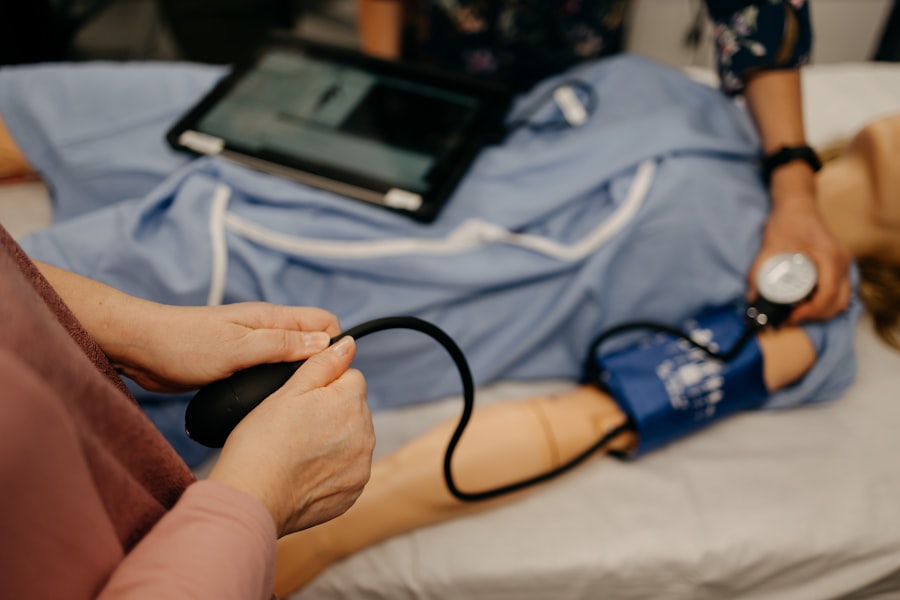
Given the complex relationship between TMAO and human health, individuals and the medical community are exploring various strategies to manage TMAO levels and mitigate potential risks. These strategies focus on dietary modifications, lifestyle changes, and potentially therapeutic interventions.
Dietary Strategies for TMAO Management
The most accessible and impactful strategy for managing TMAO levels in humans revolves around dietary choices. By understanding the sources of TMAO precursors and the role of gut bacteria, individuals can make informed decisions.
Reducing Intake of TMAO Precursors
A primary dietary approach involves consciously reducing the intake of foods rich in choline, phosphatidylcholine, and L-carnitine. This means moderating the consumption of red meat, processed meats, eggs, and certain dairy products. While complete elimination is often unnecessary and can lead to nutrient deficiencies, mindful portion control and frequency are key.
Increasing Consumption of Fiber and Plant-Based Foods
Conversely, increasing the intake of dietary fiber, fruits, vegetables, and whole grains is highly recommended. These foods promote a healthier gut microbiome, favoring beneficial bacteria that do not produce TMA. A fiber-rich diet can also improve gut motility, potentially aiding in the timely excretion of any TMA that is produced.
Exploring the Role of Specific Foods and Nutrients
Research is ongoing into the specific effects of various foods and nutrients on TMAO metabolism. For example, some studies suggest that garlic and certain cruciferous vegetables may have a beneficial impact on gut bacteria composition and TMAO production. Further investigation into these specific dietary components could yield targeted recommendations.
Lifestyle Modifications for Optimizing TMAO Balance
Beyond diet, various lifestyle factors can influence TMAO levels and overall physiological resilience.
Exercise and its Impact on Gut Health and Metabolism
Regular physical activity has been shown to positively impact gut health and metabolic processes. Exercise can promote a more diverse and balanced gut microbiome, potentially reducing TMA production. It also contributes to overall cardiovascular health, which is directly impacted by TMAO levels.
Stress Management and its Indirect Influence on TMAO
Chronic stress can negatively affect gut health and immune function, indirectly influencing TMAO metabolism. Implementing stress management techniques, such as mindfulness, meditation, or yoga, can contribute to a healthier internal environment, potentially aiding in TMAO balance.
Therapeutic Interventions and Future Directions
While dietary and lifestyle changes are the cornerstones of TMAO management, the medical field is also exploring more direct therapeutic interventions.
Pharmacological Approaches to Inhibit TMA Production
Researchers are investigating various pharmacological agents that could inhibit the enzymes responsible for TMA production in the gut or the conversion of TMA to TMAO in the liver. This could involve targeting specific bacterial enzymes or human FMOs. However, these approaches are still in their early stages of development and require rigorous safety and efficacy testing.
Probiotics and Prebiotics for Microbiome Modulation
The use of probiotics (beneficial bacteria) and prebiotics (food for beneficial bacteria) is a promising avenue for directly modulating the gut microbiome and reducing TMAO production. Specific strains of probiotics are being identified for their ability to reduce TMA-producing bacteria or metabolize TMA. Similarly, prebiotics can selectively encourage the growth of TMAO-inhibiting microbes.
Fecal Microbiota Transplantation (FMT) as a Potential Solution
In severe cases or for individuals unresponsive to other interventions, Fecal Microbiota Transplantation (FMT) could be considered. This procedure involves transferring fecal matter from a healthy donor to the recipient’s gut, aiming to re-establish a healthy and balanced microbial community. FMT has shown promise in treating various gut-related disorders and may hold potential for TMAO management in the future.
Recent studies have highlighted the role of TMAO in pressure adaptation, revealing how this compound influences cardiovascular health and metabolic processes. For a deeper understanding of the implications of TMAO in various physiological contexts, you can explore a related article that discusses its effects on human health. This article provides valuable insights into the mechanisms by which TMAO affects our bodies and may offer new perspectives on dietary influences. To read more about this fascinating topic, visit Freaky Science.
The Future of TMAO Research and Adaptation
| Pressure Level | Adaptation Response |
|---|---|
| Low Pressure | Increased TMAO levels to maintain protein stability |
| High Pressure | Decreased TMAO levels to prevent protein denaturation |
The ongoing exploration of TMAO’s multifaceted role in biology promises to yield deeper insights into its adaptive significance and implications for human health. This research is not only unraveling the complexities of this molecule but also paving the way for innovative strategies to promote well-being.
Unraveling the Evolutionary Tapestry of TMAO Use
Understanding the evolutionary trajectory of TMAO utilization across diverse species offers a rich tapestry of adaptation. From the high-pressure demands of the deep sea to the metabolic nuances of terrestrial life, the story of TMAO is intertwined with the survival and diversification of life on Earth. Continued comparative studies will illuminate the conserved and divergent mechanisms of TMAO management, providing a broader biological context.
Personalized Approaches to TMAO Management
The growing understanding of individual variability in TMAO metabolism, influenced by genetics, diet, and microbiome composition, points towards a future of personalized approaches. Instead of a one-size-fits-all strategy, interventions will likely be tailored to an individual’s unique metabolic profile. This could involve genetic testing, microbiome analysis, and personalized dietary recommendations.
The Microbiome as a Therapeutic Target for TMAO-Related Diseases
The gut microbiome has firmly established itself as a central player in TMAO metabolism and its associated health consequences. Future research will undoubtedly focus on further dissecting the intricate relationships between specific microbial communities and TMAO production. This will pave the way for highly targeted microbiome-based therapies, including novel probiotics, prebiotics, and potentially even engineered phages, to effectively manage TMAO levels and prevent or treat TMAO-related diseases.
Bridging the Gap Between Basic Science and Clinical Application
The translation of basic scientific discoveries regarding TMAO into tangible clinical applications remains a critical objective. Continued collaboration between researchers, clinicians, and industry stakeholders will be essential to bridge this gap. This includes developing accurate and accessible diagnostic tools for TMAO levels, creating effective therapeutic agents, and educating healthcare professionals and the public about the importance of TMAO management for long-term health. The ongoing quest to understand and adapt to TMAO pressure is a testament to the remarkable ingenuity of biological systems and the ever-evolving landscape of scientific discovery, ultimately striving towards enhanced human health and resilience.

The Deeper You Go, the Less Life Looks Like Life
FAQs
What is TMAO pressure adaptation?
TMAO pressure adaptation refers to the process by which organisms, particularly marine animals, adapt to changes in pressure by altering the levels of trimethylamine N-oxide (TMAO) in their bodies. TMAO helps to stabilize proteins and cell membranes, allowing organisms to withstand high pressure environments.
How do marine animals use TMAO for pressure adaptation?
Marine animals use TMAO to counteract the effects of high pressure on their bodies. TMAO helps to prevent the denaturation of proteins and maintain the stability of cell membranes, allowing these animals to survive in deep-sea environments where pressure is significantly higher than at the surface.
What are some examples of marine animals that utilize TMAO for pressure adaptation?
Examples of marine animals that utilize TMAO for pressure adaptation include deep-sea fish, such as the snailfish and the grenadier, as well as invertebrates like squids and octopuses. These animals have evolved mechanisms to regulate TMAO levels in their bodies to cope with the extreme pressures of their deep-sea habitats.
How does TMAO pressure adaptation differ from other forms of pressure adaptation?
TMAO pressure adaptation differs from other forms of pressure adaptation, such as the use of gas-filled swim bladders in some fish, in that it involves biochemical changes at the cellular level. While gas-filled swim bladders provide buoyancy to fish at different depths, TMAO helps maintain the structural integrity of proteins and cell membranes under high pressure conditions.
What are the potential implications of studying TMAO pressure adaptation?
Studying TMAO pressure adaptation in marine animals can provide insights into how organisms have evolved to survive in extreme environments. This knowledge may have applications in fields such as medicine and biotechnology, as well as contribute to our understanding of the impact of environmental changes on marine life.