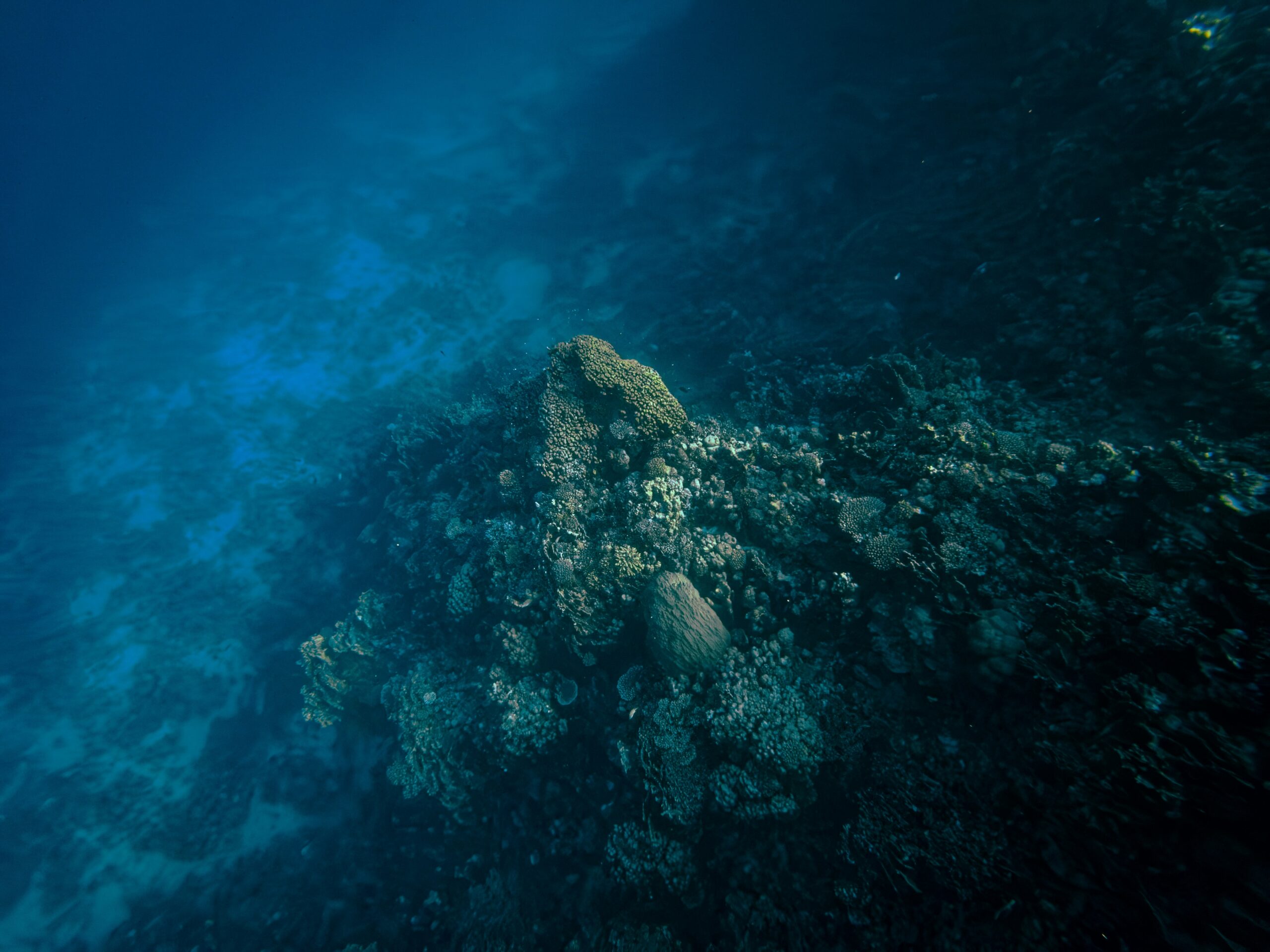
The Role of TMAO in Ocean Depth
Trimethylamine N-oxide (TMAO) is a fascinating molecule that plays a surprisingly significant role in the survival of deep-sea organisms. As marine life ventures into the crushing pressures and extreme conditions of the ocean’s depths, it encounters a formidable challenge: protein denaturation. Proteins, the workhorses of cellular function, are exquisitely sensitive to their environment. High pressure, in particular, can disrupt the delicate folding and interactions that maintain their functional three-dimensional structures. This is where TMAO steps in, acting as a crucial osmolyte and chemical chaperone, shielding these vital biomolecules from the rigors of the deep. The exploration of TMAO’s functions reveals a sophisticated evolutionary adaptation that has allowed life to conquer one of Earth’s last frontiers.
The ocean is a vast and stratified environment, and pressure is one of the most defining physical parameters that changes dramatically with depth. From the sunlit surface waters to the abyssal plains and the crushing depths of the hadal zone, the hydrostatic pressure increases by approximately one atmosphere (atm) for every 10 meters of depth. This translates to immense forces acting on the bodies of deep-sea creatures. At the bottom of the Mariana Trench, the deepest known part of the ocean, the pressure exceeds 1,000 atm, equivalent to the weight of roughly 50 jumbo jets pressing down on a single person.
Understanding Hydrostatic Pressure and its Biological Implications
Hydrostatic pressure, the pressure exerted by a fluid at rest due to gravity, is a constant and pervasive force in the aquatic environment. For terrestrial organisms, atmospheric pressure is relatively low and stable. However, in the ocean, the sheer density of water amplifies the effect of gravity, resulting in a rapid and substantial increase in pressure with depth. This pressure is isotropic, meaning it acts equally in all directions.
The biological implications of hydrostatic pressure are profound. At the molecular level, pressure can affect the volume of biochemical reactions. Reactions that involve a net decrease in volume tend to be favored by pressure, while those with a net increase are disfavored. This can disrupt enzyme kinetics and metabolic pathways. On a cellular level, pressure can impact membrane fluidity, affecting the transport of molecules across the cell. Perhaps most critically, pressure directly influences the structure and function of proteins.
The Magnitude of Pressure at Extreme Depths
To grasp the scale of the challenge, consider the pressure at which different deep-sea habitats exist. The bathyal zone, typically ranging from 200 to 2,000 meters, experiences pressures from 20 atm to 200 atm. The abyssal zone, from 2,000 to 6,000 meters, sees pressures between 200 atm and 600 atm. The hadal zone, encompassing the deepest ocean trenches below 6,000 meters, can expose organisms to pressures exceeding 1,100 atm. These are pressures far beyond what most terrestrial life forms, including humans, can tolerate without specialized equipment. The physiological adaptations required to thrive under such conditions are a testament to the resilience and adaptability of life.
Recent studies have highlighted the intriguing relationship between TMAO (trimethylamine N-oxide) levels and ocean depth, suggesting that marine environments may play a significant role in influencing TMAO concentrations in various organisms. For more insights into this topic and its implications for marine biology, you can read a related article on the subject at Freaky Science. This article delves into the biochemical processes that occur at different ocean depths and how they may affect the production and accumulation of TMAO in marine ecosystems.
Protein Denaturation Under Pressure: A Cellular Crisis
Proteins are complex macromolecules essential for nearly every biological process. Their function is intimately linked to their precise three-dimensional structure, which is maintained by a delicate balance of interactions, including hydrogen bonds, hydrophobic interactions, and ionic bonds. Hydrostatic pressure, particularly at the extreme levels found in the deep sea, poses a significant threat to this structural integrity, leading to denaturation.
The Molecular Basis of Pressure-Induced Denaturation
Pressure-induced protein denaturation is primarily driven by the tendency of molecules to occupy the smallest possible volume. Water molecules are crucial in protein folding and stability, often forming hydration shells around proteins. High pressure can disrupt these water-protein interactions and force water molecules into the hydrophobic core of the protein, which is normally shielded from water. This influx of water can destabilize the protein’s tertiary and quaternary structures, leading to unfolding.
Furthermore, pressure can directly affect the internal packing of amino acid residues within a protein. If the unfolded state of a protein occupies a smaller volume than the folded state, pressure will favor unfolding. This phenomenon is particularly problematic for enzymes, as their active sites are formed by specific amino acid residues in a precise spatial arrangement. Denaturation renders these active sites dysfunctional, crippling the enzyme’s catalytic activity.
Consequences of Denatured Proteins for Deep-Sea Organisms
The consequences of widespread protein denaturation for deep-sea organisms are severe. Enzymes are responsible for catalyzing virtually all metabolic reactions, from energy production to DNA replication. If these enzymes are denatured, cellular functions grind to a halt. This can lead to a cascade of physiological problems, including impaired energy metabolism, failure of cellular repair mechanisms, and ultimately, cell death. For organisms living in a low-resource, high-stress environment like the deep sea, maintaining functional proteins is not just beneficial; it is a prerequisite for survival.
TMAO: The Unsung Hero of Deep-Sea Protein Stability

Trimethylamine N-oxide (TMAO) emerges as a key player in mitigating the damaging effects of hydrostatic pressure on proteins. This small, organic molecule is found in high concentrations in the tissues of many deep-sea organisms, far exceeding levels found in their shallow-water counterparts. Its presence is not a mere coincidence; it is a sophisticated evolutionary adaptation that allows these organisms to thrive in an environment that would be lethal to most life forms.
TMAO as a Stabilizing Osmolyte
TMAO functions as an osmolyte, meaning it helps cells maintain osmotic balance. However, its role extends far beyond simply regulating water content. TMAO acts as a “pressure counteracting” osmolyte. In shallow-water organisms, other osmolytes like urea are common. However, at high pressures, urea becomes destabilizing to proteins. TMAO, on the other hand, exhibits a stabilizing effect.
The mechanism by which TMAO stabilizes proteins under pressure is complex and has been the subject of extensive research. It is generally understood that TMAO is a “weakly interacting” molecule, meaning it doesn’t bind strongly to proteins. Instead, it influences the solvent properties of water around the protein. TMAO tends to promote the ordered structure of water, effectively pushing water away from the protein surface. This exclusion of water from the protein’s hydrophobic core helps to maintain the folded state of the protein and prevents pressure-induced unfolding.
The “Preferential Hydration” Hypothesis
A prominent hypothesis explaining TMAO’s stabilizing effect is the concept of “preferential hydration.” This suggests that TMAO is preferentially excluded from the protein surface. This exclusion leads to an increase in the chemical potential of water at the protein surface, which in turn favors the compact, folded state of the protein, as this state minimizes the surface area exposed to the surrounding solution. In essence, TMAO helps to “dry out” the protein surface, reinforcing the hydrophobic effect that drives protein folding.
TMAO’s Role in Counteracting Urea’s Effects
In some species, particularly those found at intermediate depths or those that can tolerate a wider range of pressures, TMAO and urea are found together. While urea at high concentrations is protein-destabilizing, in the presence of TMAO, its detrimental effects can be mitigated. This synergistic interaction allows for a more finely tuned regulation of protein stability across different pressure regimes. The interplay between these two osmolytes highlights the sophisticated biochemical strategies employed by deep-sea life.
Evolutionary Adaptations and the Distribution of TMAO
The concentration of TMAO in marine organisms is not uniform across all species or depths. Instead, it exhibits a remarkable correlation with hydrostatic pressure, suggesting a clear evolutionary trajectory driven by environmental selection. Organisms living at greater depths generally possess higher intracellular concentrations of TMAO.
Depth-Dependent Accumulation of TMAO
Studies have consistently shown that as marine organisms inhabit deeper waters, the concentration of TMAO in their tissues increases. For example, fish living in the abyssal zone often have significantly higher TMAO levels than their shallow-water relatives. This depth-dependent accumulation is a strong indicator that TMAO’s primary role is to counteract the effects of pressure. The higher the pressure, the greater the need for TMAO to maintain protein integrity.
Biosynthesis and Regulation of TMAO
The biosynthesis of TMAO involves a series of enzymatic reactions, primarily starting from choline or carnitine. These pathways are present in a wide range of organisms, but the regulation of TMAO production and accumulation appears to be particularly amplified in deep-sea species. The genes encoding the enzymes involved in TMAO synthesis are likely subject to evolutionary pressure, leading to increased expression and activity in organisms living under high pressure. Furthermore, mechanisms for the efficient transport and storage of TMAO within cells also play a crucial role in maintaining the necessary concentrations.
Comparative Studies Across Marine Biomes
Comparative studies of TMAO levels across different marine biomes provide compelling evidence for its role in deep-sea adaptation. Organisms from shallow coral reefs or coastal waters typically have very low or negligible TMAO levels. As one moves to deeper environments, from continental shelves to the deep ocean trenches, TMAO concentrations progressively rise. This gradient strongly supports the hypothesis that TMAO is a critical adaptation for surviving in high-pressure environments. The absence of high TMAO levels in surface-dwelling species further underscores its specialized function in the deep sea.
Recent studies have highlighted the intriguing relationship between TMAO levels and ocean depth, suggesting that marine environments may influence the biochemical processes related to this compound. For a deeper understanding of this connection, you can explore a related article that delves into the complexities of TMAO in marine ecosystems. This research sheds light on how varying ocean depths can affect the production and degradation of TMAO, ultimately impacting marine life. To read more about this fascinating topic, visit this article.
Beyond Pressure: Other Roles of TMAO in Deep-Sea Physiology
| Ocean Depth (m) | TMAO Concentration (μM) |
|---|---|
| 0-200 | 10-20 |
| 200-1000 | 5-10 |
| 1000-4000 | 2-5 |
| 4000-6000 | 1-2 |
While its primary function in the deep sea is undoubtedly protein stabilization against hydrostatic pressure, TMAO may also contribute to other aspects of deep-sea physiology. Emerging research suggests potential roles in membrane function, redox balance, and even as an osmolyte in environments with fluctuating salinity.
TMAO and Membrane Fluidity
Cell membranes are essential for cellular function, and their fluidity can be affected by pressure. High pressure can decrease membrane fluidity, potentially impairing the function of membrane-bound proteins involved in transport and signaling. While research is ongoing, some studies suggest that TMAO might also play a role in modulating membrane fluidity under pressure, although this effect is generally considered secondary to its protein-stabilizing function. By influencing water structure at interfaces, TMAO could indirectly affect the lipid packing within membranes.
Potential Involvement in Redox Homeostasis
There is some evidence to suggest that TMAO might have a role in managing oxidative stress in deep-sea organisms. High pressure can sometimes lead to increased production of reactive oxygen species (ROS). While the direct mechanisms are not fully understood, TMAO’s chemical properties, particularly its ability to interact with water and other molecules, might confer some antioxidant-like properties or help maintain the functional integrity of enzymes involved in redox balance. This area of research is still in its early stages but opens up intriguing possibilities.
TMAO as a Versatile Osmolyte
While the focus is on deep-sea pressure, TMAO is also found in some shallow-water organisms, particularly in environments with high salinity or where osmotic stress is a factor. This suggests that TMAO is a versatile osmolyte with a broader range of applications beyond just pressure resistance. However, the exceptionally high concentrations found in deep-sea species point to its crucial role in overcoming the unique challenges of extreme hydrostatic pressure. The evolutionary journey of TMAO likely involved a gradual amplification of its pressure-counteracting capabilities.
Conclusion: TMAO – A Key to Life in the Abyss
The journey into the ocean’s depths reveals a world of extreme conditions, where hydrostatic pressure presents a formidable barrier to life. Proteins, the fundamental building blocks of cellular function, are particularly vulnerable to this immense force, with the potential for widespread denaturation. In this challenging environment, Trimethylamine N-oxide (TMAO) emerges as a critical molecular adaptation, a chemical chaperone that safeguards the structural integrity of proteins.
TMAO’s role as a stabilizing osmolyte, particularly its ability to promote protein folding and counteract the destabilizing effects of pressure, is well-established. Its depth-dependent accumulation across diverse marine lineages provides compelling evidence of its evolutionary significance. While its primary function is protein stabilization, ongoing research hints at potential auxiliary roles in membrane function and redox homeostasis, further highlighting the multifaceted nature of this remarkable molecule. The study of TMAO not only deepens our understanding of deep-sea biology but also offers insights into the remarkable resilience and adaptability of life in the face of extreme environmental challenges. As we continue to explore the vast and enigmatic ocean, the role of TMAO serves as a powerful reminder of the intricate molecular strategies that have allowed life to not only survive but thrive in one of Earth’s most alien frontiers.

The Deeper You Go, the Less Life Looks Like Life
FAQs
What is TMAO?
TMAO stands for trimethylamine N-oxide, a compound that is produced in marine animals as a result of their metabolism. It is also found in some plants and microorganisms.
How does TMAO relate to ocean depth?
Research has shown that TMAO levels in marine animals vary depending on the depth at which they live. Animals living in deeper ocean waters tend to have higher levels of TMAO in their bodies compared to those living in shallower waters.
What is the purpose of TMAO in marine animals?
TMAO acts as a natural stabilizer for proteins and enzymes in marine animals, allowing them to function properly under the high pressures found in deep ocean environments.
How is TMAO related to the study of ocean depths?
Scientists use TMAO levels in marine animals as a way to study and understand the adaptations that allow these animals to survive in different ocean depths. This research can provide insights into the physiological and biochemical mechanisms that enable marine life to thrive in extreme environments.
What are the potential implications of TMAO research for ocean conservation?
Understanding the role of TMAO in marine animals and its relationship to ocean depth can help inform conservation efforts by highlighting the importance of preserving diverse ocean habitats and ecosystems. This research can also contribute to our understanding of how marine life may be impacted by environmental changes, such as ocean acidification and warming.