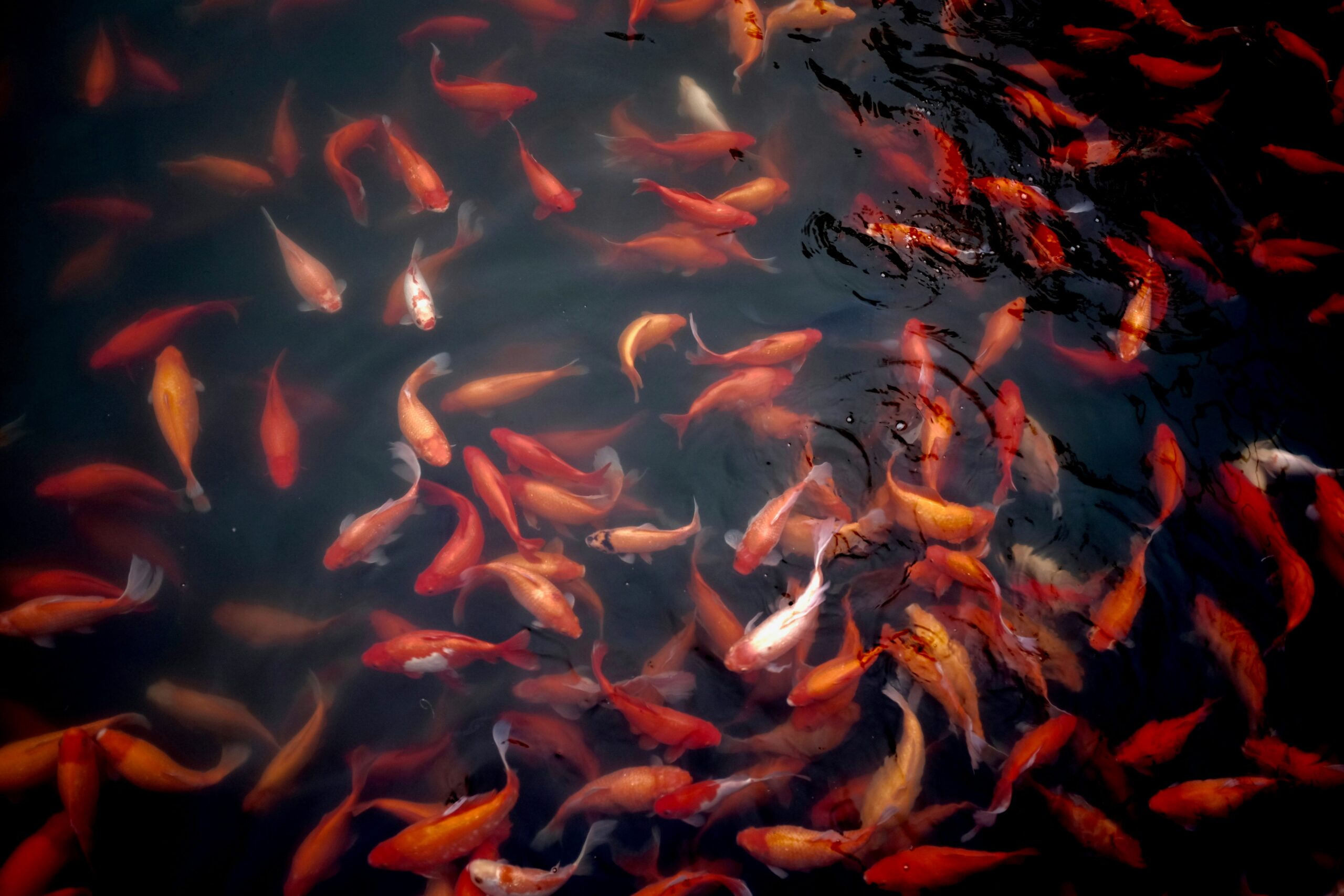
The ocean, a vast and enigmatic realm, teems with an astonishing diversity of life. Among its most ubiquitous inhabitants are fish, creatures that have adapted to an incredible array of environments, from the sun-drenched shallows to the crushing pressures of the abyss. Their survival is a testament to millennia of evolution, a complex tapestry woven from ingenious adaptations, intricate behaviors, and a profound understanding of their aquatic world. To truly grasp the depths of fish survival is to delve into a world of constant challenges and remarkable resilience.
The deep sea, a place of perpetual night and immense hydrostatic pressure, presents one of the most formidable environments on Earth. For fish dwelling in these abyssal plains and trenches, survival necessitates a suite of extraordinary adaptations that would be lethal to most other organisms.
Coping with Immense Pressure
The sheer weight of the water column in the deep sea exerts pressures that can exceed hundreds of atmospheres. Fish living at these depths have evolved specialized physiological mechanisms to withstand this crushing force. Their bodies are often characterized by a high water content and a lack of air-filled swim bladders, which would readily collapse. Instead, they utilize lipids and other dense materials for buoyancy. Their cellular structures are also modified, with enzymes and proteins designed to function optimally under high pressure. The cell membranes of deep-sea fish are more fluid, allowing for essential metabolic processes to continue unimpeded. Furthermore, some species have evolved unique biochemical compounds, known as piezolytes, which accumulate in their cells. These molecules act as stabilizers, protecting proteins and membranes from the distorting effects of extreme pressure. Without these specialized adaptations, the very structure of a fish’s cells would be compromised, leading to rapid cellular failure.
The Art of Seeing and Sensing in Perpetual Darkness
Light penetration diminishes rapidly with depth, and in the deepest regions, the ocean is an environment of absolute darkness. Fish have developed remarkable sensory systems to navigate, hunt, and avoid predators in this lightless world.
Bioluminescence: A Beacon in the Black
One of the most striking adaptations is bioluminescence, the production of light by living organisms. Deep-sea fish employ this phenomenon in a multitude of ways. For some, it serves as a lure, with photophores (light-producing organs) strategically placed to attract unsuspecting prey. The anglerfish, for instance, possesses a fleshy esca, or lure, that dangles in front of its cavernous mouth, emitting a flickering glow to draw in smaller fish and invertebrates. Others use bioluminescence for communication, signaling to potential mates or rivals. The patterns and flashes of light can convey complex messages, allowing for species recognition and courtship rituals in the vast expanse. Defensive uses are also prevalent. Some fish can emit a flash of light to startle predators, creating a momentary distraction that allows for escape. Others possess counter-illumination, where bioluminescent organs on their underside match the faint light from above, rendering them invisible to predators lurking below.
Enhanced Sensory Perception
Beyond vision, other senses are honed to an extraordinary degree in the deep sea. Lateral lines, sensory organs that detect water movement, are often highly developed, allowing fish to perceive the slightest vibrations and disturbances in the water, indicating the presence of prey or predators. Some species have developed chemosensory abilities that are incredibly acute, capable of detecting faint traces of dissolved chemicals in the water, guiding them to food sources or mates over vast distances. Even their auditory systems can be adapted to the unique acoustic environment of the deep, detecting the subtle sounds of distant biological activity.
Recent studies have shed light on the incredible depths at which certain fish species can survive, revealing fascinating adaptations that allow them to thrive in extreme conditions. For a deeper understanding of this topic, you can explore the article titled “How Deep Can Fish Survive?” which discusses the physiological and environmental factors influencing fish survival at various ocean depths. To read more, visit this article.
The Dance of Life: Feeding Strategies and Predator Evasion
Survival in any ecosystem is fundamentally tied to acquiring food and avoiding becoming food. Fish have evolved an astonishing array of strategies to master this perpetual dance, demonstrating both ingenuity in predation and sophistication in defense.
Predatory Prowess: Masters of the Hunt
The diverse feeding habits of fish reflect the vast array of prey available and the unique challenges of their respective habitats.
Ambush Predators: Patience is a Virtue
Many fish are masters of ambush, relying on camouflage and stealth to surprise their prey. The stonefish, for example, is almost indistinguishable from the reef it inhabits, its mottled skin and sedentary lifestyle allowing it to lie in wait for unsuspecting fish to swim within striking distance. Other ambush predators, like the viperfish, possess large, hinged jaws and needle-like teeth that can ensnare and secure prey quickly. The element of surprise is paramount, and their physiology is optimized for explosive bursts of speed from a state of stillness.
Active Hunters: The Pursuit of Sustenance
In contrast, active hunters are constantly on the move, actively searching for and pursuing their meals. The barracuda, with its torpedo-shaped body and formidable dentition, is a prime example of a pelagic predator that relies on speed and agility. Schools of smaller fish, like sardines and anchovies, form the basis of the food chain for many larger predators, and their survival depends on constant vigilance and coordinated movements. The hunting strategies of these active predators are often a display of remarkable coordination and communication within their own species.
Specialized Diets: Niche Exploitation
Many fish have evolved highly specialized diets, carving out unique niches within their ecosystems. Butterflyfish, with their long, slender snouts, are adept at extracting small invertebrates from coral crevices. Parrotfish, with their beak-like mouths, graze on algae, playing a crucial role in maintaining the health of coral reefs by preventing algal overgrowth. The evolution of specialized feeding apparatuses, from the delicate filter-feeding structures of baleen whales (though not fish, their feeding adaptations are analogous) to the powerful crushing jaws of certain sharks, highlights the incredible adaptive radiation of feeding strategies in aquatic environments.
Evasive Maneuvers: The Art of Not Being Eaten
For every predator, there is a prey, and the evolutionary arms race between them has driven the development of sophisticated defensive strategies.
Camouflage and Mimicry: Blending In
The most common defense mechanism is camouflage, allowing fish to blend seamlessly with their surroundings. The coloration and patterns of many reef fish, for instance, provide excellent camouflage against coral and algae. Some fish can even change their color and pattern in real-time to match their environment, a remarkable feat of physiological control. Mimicry also plays a role, where certain species evolve to resemble more dangerous or unpalatable organisms. The blenny, for example, can mimic the appearance of a cleaner wrasse, allowing it to get close to larger fish before taking a nip, a risky but potentially rewarding strategy.
Speed, Agility, and Schooling: Safety in Numbers
Speed and agility are critical for evading predators. Many smaller fish have evolved streamlined bodies and powerful tails that allow for rapid acceleration and quick turns. For schooling fish, there is safety in numbers. By moving in large, coordinated groups, they can confuse predators, making it difficult to single out an individual. The synchronized movements of a school can create a dazzling spectacle, overwhelming the visual senses of a predator. Furthermore, the sheer volume of individuals increases the probability that any one fish will not be the one caught.
Defensive Weapons: Stingers and Toxins
Some fish have evolved more direct defensive mechanisms, such as venomous spines or toxic flesh. The lionfish, with its venomous dorsal spines, is a formidable creature that deters most predators. Pufferfish, when threatened, inflate their bodies and ingest toxins that can be lethal if consumed. These defenses are not only a deterrent but also a clear signal to potential predators that the risk of attack outweighs any potential reward.
The Unseen World: Reproductive Strategies and Parental Care
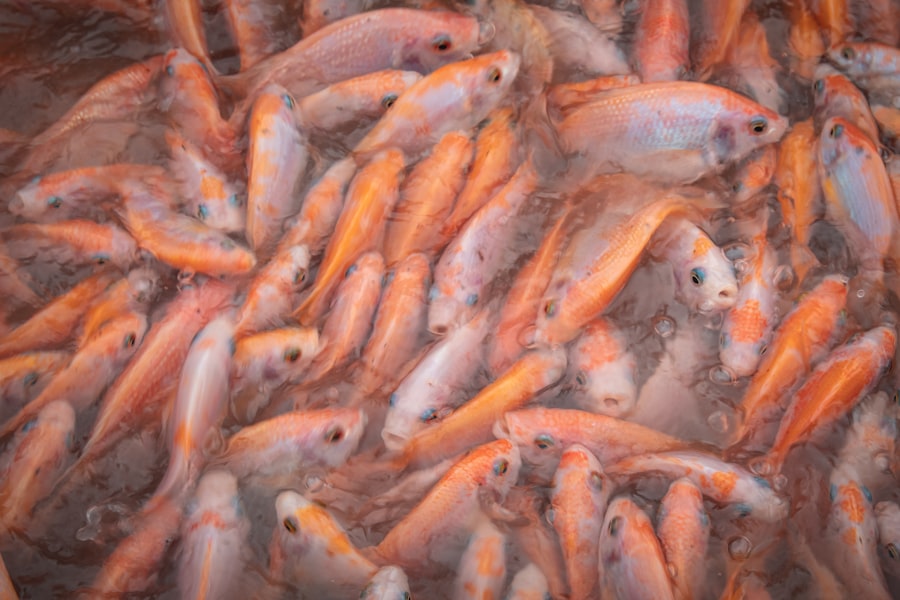
The continuation of any species hinges on successful reproduction, and fish have developed an extraordinary diversity of strategies to ensure the survival of their offspring, from broadcast spawning to elaborate forms of parental care.
Researchers have long been fascinated by the depths at which fish can survive, with some species thriving in extreme conditions far below the ocean’s surface. A recent article explores the adaptations that allow these remarkable creatures to endure high pressure and low temperatures. For those interested in learning more about the incredible resilience of deep-sea fish, you can read the full article on Freaky Science. This resource delves into the physiological changes that enable these fish to inhabit some of the most inhospitable environments on Earth.
Diverse Reproductive Approaches: From Simple to Complex
The reproductive strategies of fish are as varied as the fish themselves, reflecting a spectrum of adaptations driven by environmental pressures and evolutionary history.
Broadcast Spawning: A Gamble on Numbers
The most common reproductive strategy is broadcast spawning, where vast numbers of eggs and sperm are released into the open water, relying on chance encounters for fertilization and subsequent survival of the larvae. This strategy is often employed by fish in pelagic environments or those that reproduce in large aggregations. While individual survival rates are extremely low, the sheer volume of offspring produced increases the probability that at least some will reach maturity. This is a strategy of quantity over quality, relying on overwhelming the environment with potential progeny.
Nest Building and Fertilization: A More Direct Approach
Other fish employ more localized and controlled reproductive strategies. Many species build nests, creating a protected environment for their eggs. This can range from simple depressions in the sand to elaborate structures constructed from plant material. In many cases, one or both parents guard the nest, protecting it from predators and ensuring adequate oxygenation. Internal fertilization, where sperm is deposited directly into the female’s reproductive tract, is also common, offering a higher probability of successful fertilization compared to broadcast spawning.
Live-Bearing: Direct Investment in Offspring
A smaller but significant number of fish species are viviparous, meaning they give birth to live young. In these cases, fertilization and development occur internally, and the young are born at a more advanced stage of development, often with a higher chance of immediate survival. This strategy involves a greater investment of energy by the parent per offspring, but it can be more successful in environments where egg survival is particularly challenging.
Parental Care: Nurturing the Next Generation
While many fish leave their offspring to fend for themselves, a remarkable number exhibit forms of parental care, significantly increasing the survival rates of their young.
Guarding the Nest: Protecting the Vulnerable
Parental care often begins with the guarding of eggs. Many male fish, such as the stickleback, meticulously build and defend a nest, fanning the eggs to keep them oxygenated and warding off any potential threats. This protective behavior ensures that the developing embryos have the best possible chance of hatching.
Larval Provisioning and Protection: Ongoing Support
In some species, parental care extends beyond the egg stage. Certain fish provide their fry with protection and even food. For example, some cichlids carry their young in their mouths, releasing them into safe areas and reabsorbing them at night or when danger is present. This complex form of care ensures that the vulnerable larval stages are shielded from predation and have access to food resources. The energy expenditure by parents in these scenarios is considerable, highlighting the evolutionary advantage of such investment.
Social Structures and Cooperative Breeding: Collective Responsibility
In a few fascinating cases, fish exhibit cooperative breeding, where individuals other than the breeding pair help to raise the young. This social behavior, while rare in fish, demonstrates a sophisticated level of social organization and a commitment to the success of the group. The evolution of such complex behaviors suggests that the benefits of cooperative breeding, such as increased offspring survival and group cohesion, outweigh the costs for the helpers.
Resilience in a Changing World: Threats and Adaptations to Human Impact

The natural challenges of survival have been amplified by the increasing impact of human activities on marine ecosystems. Fish, like all life on Earth, are now facing a new suite of pressures, requiring them to adapt or face decline.
Overfishing: Depleting the Ranks
Industrial fishing, with its advanced technology and ever-increasing scale, has placed immense pressure on fish populations worldwide. Many species are being harvested at unsustainable rates, leading to significant declines in their numbers. The impact of overfishing is not just on the targeted species but also on the entire marine food web. The removal of key predators or prey can have cascading effects, disrupting ecosystem stability.
Management and Conservation Efforts: A Fight for Survival
In response to these threats, various management and conservation efforts are being implemented. These include fishing quotas, marine protected areas, and the promotion of sustainable fishing practices. The success of these initiatives relies on scientific research, international cooperation, and public awareness. The ability of fish populations to rebound depends on the effectiveness of these interventions and the willingness of humans to reduce their impact.
Pollution: A Toxic Environment
Pollution, from plastic debris to chemical runoff, poses a significant threat to fish survival. Microplastics are ingested by fish, causing internal damage and interfering with their digestive systems. Chemical pollutants can accumulate in fish tissues, leading to reproductive problems, developmental abnormalities, and weakened immune systems. The widespread contamination of marine environments creates a hostile and toxic habitat for many fish species.
Bioaccumulation and Biomagnification: The Food Chain’s Dark Side
The process of bioaccumulation, where toxins build up in an organism over time, and biomagnification, where the concentration of toxins increases at higher trophic levels, are particularly concerning. This means that apex predators, including large fish and ultimately humans, can ingest dangerously high levels of pollutants through their diet. Understanding these processes is crucial for assessing the risks to both fish populations and human health.
Climate Change: Shifting Seas and Stressors
Climate change, with its associated rising sea temperatures, ocean acidification, and altered ocean currents, is creating unprecedented challenges for fish.
Temperature Stress and Habitat Loss: Nowhere to Go
Warmer waters can stress fish, affecting their metabolic rates, immune systems, and reproductive success. Many species are migrating to cooler waters, leading to shifts in species distribution and potential mismatches with their food sources. Coral reefs, vital habitats for a vast array of fish species, are particularly vulnerable to rising temperatures, leading to coral bleaching and subsequent habitat loss.
Ocean Acidification: A Silent Threat to Shells and Skeletons
Ocean acidification, caused by the absorption of excess carbon dioxide from the atmosphere, reduces the availability of carbonate ions, essential for the formation of shells and skeletons. This makes it difficult for many marine organisms, including larval fish and invertebrates that form the base of the food chain, to develop and survive. The long-term consequences of ocean acidification for fish populations are still being studied, but the potential for widespread disruption is significant.
In conclusion, the depths of fish survival are far more profound than a simple struggle for existence. They represent an ongoing saga of adaptation, innovation, and resilience. From the crushing pressures of the abyss to the complex social dynamics of a coral reef, fish have developed an extraordinary array of tools and strategies to thrive in a dynamic and often unforgiving world. Yet, as human impact continues to escalate, the future of these remarkable creatures hinges on our collective ability to understand, respect, and protect the intricate ecosystems they call home. The continued survival of fish is not merely a matter of ecological balance; it is a reflection of our own responsibility as stewards of this planet.

The Deeper You Go, the Less Life Looks Like Life
FAQs
1. How deep can fish survive?
Fish can survive at various depths depending on the species. Some deep-sea fish can survive at depths of over 8000 meters, while others are limited to shallower depths.
2. What adaptations allow fish to survive at extreme depths?
Fish that live at extreme depths have adaptations such as specialized proteins that allow them to withstand high pressure, reduced metabolic rates, and unique sensory adaptations to navigate in low-light conditions.
3. What are the challenges for fish living at extreme depths?
Challenges for fish living at extreme depths include low temperatures, high pressure, limited food availability, and low oxygen levels.
4. Can fish from shallow waters survive at extreme depths?
Most fish from shallow waters cannot survive at extreme depths due to the physiological challenges associated with high pressure and low temperatures. However, some species have been found to have a wider depth range than previously thought.
5. How do scientists study fish at extreme depths?
Scientists study fish at extreme depths using remotely operated vehicles (ROVs), submersibles, and deep-sea cameras to observe their behavior and collect data on their adaptations to extreme conditions.