
The insidious creep of forgetfulness, a common yet often underestimated aspect of aging and neurological conditions, exacts a significant physical toll on the human body. Far beyond the inconvenience of misplaced keys or forgotten appointments, the erosion of memory can trigger a cascade of physiological responses that manifest as increased stress and a marked decline in overall brain function. This article will delve into the multifaceted ways in which forgetting impacts the physical self, exploring the underlying mechanisms and the profound consequences for well-being.
The intricate connection between cognitive decline and the body’s stress response is a critical area of understanding when examining the physical toll of forgetting. When individuals experience memory lapses, particularly those that affect daily functioning, it often triggers a heightened state of alert within their nervous system. This is not merely an emotional reaction; it is a tangible physiological process that can have lasting detrimental effects.
The Sympathetic Nervous System’s Overdrive
Forgetting, especially when it involves remembering important information or navigating familiar environments, can activate the sympathetic nervous system, the body’s “fight or flight” mechanism. This activation leads to the release of stress hormones like cortisol and adrenaline.
Cortisol’s Persistent Presence
The sustained release of cortisol, a primary stress hormone, has been linked to a multitude of negative health outcomes. Chronically elevated cortisol levels can disrupt the immune system, making individuals more susceptible to infections. It can also contribute to inflammation throughout the body, a known precursor to many chronic diseases. Furthermore, high cortisol can interfere with sleep patterns, creating a vicious cycle where poor sleep exacerbates cognitive difficulties and vice versa. The physical manifestations of prolonged cortisol exposure include digestive issues, increased blood pressure, and even changes in metabolism, potentially leading to weight gain.
Adrenaline’s Agitation
Adrenaline, while useful in short bursts for immediate threats, also contributes to the physical toll of forgetting when its release is recurrent. Its presence can lead to increased heart rate and blood pressure, placing additional strain on the cardiovascular system. For individuals already prone to heart conditions, frequent stress responses due to memory lapses can significantly increase their risk of adverse events. The jittery, anxious feelings associated with adrenaline can also disrupt concentration, further hindering memory recall and creating a feedback loop of distress.
The Impact on Physical Health Markers
The chronic stress induced by forgetting directly impacts several key physical health markers, painting a picture of a body under constant siege.
Cardiovascular Strain
As mentioned, the repeated surges in heart rate and blood pressure associated with stress can contribute to hypertension, a major risk factor for heart disease, stroke, and kidney problems. Over time, this constant strain can weaken the heart muscle and damage blood vessels, leading to a host of cardiovascular ailments. The physical sensation of a racing heart, palpitations, and shortness of breath are direct, visceral experiences of the body’s response to the anxiety of forgetting.
Immune System Suppression
The immune system, vital for defending the body against pathogens, is paradoxically weakened by chronic stress. Elevated cortisol levels can suppress the activity of immune cells, rendering individuals more vulnerable to colds, flu, and other infections. This makes the physical recovery from illness more protracted and can lead to a general feeling of being unwell and run down, further impacting cognitive performance and contributing to a sense of helplessness.
Digestive Disturbances
The gut-brain axis is a powerful connection, and stress can wreak havoc on the digestive system. Forgetfulness-induced stress can lead to symptoms such as nausea, stomach pain, irritable bowel syndrome (IBS), and even changes in appetite. These physical discomforts not only add to the individual’s burden but can also affect nutrient absorption, further impacting overall health and energy levels.
Forgetting can have significant physical costs, as highlighted in a related article that discusses the impact of memory loss on overall health and well-being. The article emphasizes how the brain’s ability to retain information is crucial not only for cognitive function but also for maintaining emotional stability and physical health. When we forget important information, it can lead to increased stress and anxiety, which in turn may manifest in various physical ailments. To explore this topic further, you can read the full article at Freaky Science.
The Brain’s Compromised Network: Forgetting and Decreased Brain Function
The relationship between forgetting and decreased brain function is not a one-way street. While forgetting itself is a manifestation of compromised brain function, the stress and physiological changes it engates can, in turn, further degrade cognitive abilities. This creates a debilitating cycle where the brain’s ability to function optimally is progressively diminished.
Neurotransmitter Imbalances
The brain relies on a delicate balance of neurotransmitters to facilitate communication between neurons. Stress hormones, particularly cortisol, can disrupt this balance, affecting the production, release, and reuptake of key neurotransmitters involved in memory and cognition.
Serotonin and Mood Regulation
Serotonin plays a crucial role in mood regulation, sleep, and appetite. When stress imbalances disrupt serotonin levels, it can lead to feelings of depression and anxiety, which are often intertwined with memory problems. A person struggling with forgetfulness may also experience a decline in mood, making it harder to engage in activities that stimulate the brain or to even feel motivated to try and remember.
Dopamine and Motivation
Dopamine is essential for motivation, reward, and cognitive control. Stress can deplete dopamine levels, leading to a lack of interest, reduced motivation, and difficulty concentrating. This can create a significant barrier to learning new information or consolidating existing memories, further exacerbating the problem of forgetting. The physical manifestation of low dopamine can include fatigue, slowed movements, and a general lack of drive.
Acetylcholine and Memory Formation
Acetylcholine is a neurotransmitter heavily involved in learning and memory. Stress and inflammation, often associated with chronic stress from forgetting, can impair the function of acetylcholine, directly impacting the brain’s ability to form new memories and retrieve old ones. This creates a tangible physical deficit in the brain’s capacity for cognitive tasks.
Reduced Neuroplasticity
Neuroplasticity, the brain’s remarkable ability to reorganize itself by forming new neural connections throughout life, is vital for learning and memory. Chronic stress and inflammation, stemming from the experience of forgetting, can significantly impair neuroplasticity. This means the brain becomes less adaptable and less capable of forming new memories or strengthening existing pathways, creating a physical impediment to cognitive improvement.
Atrophy of Brain Regions
Research has shown that prolonged exposure to high levels of cortisol can lead to the shrinkage or atrophy of specific brain regions, most notably the hippocampus. The hippocampus is critically involved in the formation of new memories. Its degradation directly translates to more profound memory loss and a diminished capacity for learning. This is a direct, observable physical change within the brain itself.
Impaired Synaptic Function
The connections between neurons, called synapses, are the communication highways of the brain. Stress and inflammation can impair synaptic function, making it harder for neurons to communicate effectively. This can manifest as slower processing speeds, difficulty with problem-solving, and a general feeling of mental fog. The physical infrastructure of the brain’s communication network is compromised.
The Tangible Manifestations: Physical Symptoms of Forgetting
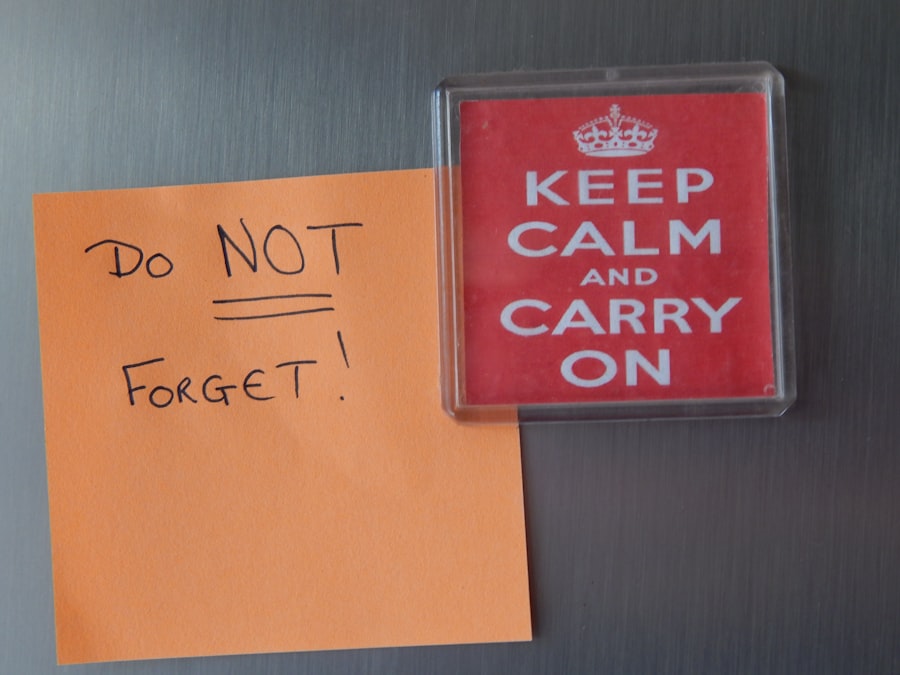
The abstract concept of forgetting translates into very real, often distressing, physical symptoms that impact an individual’s daily life and overall well-being. These symptoms are not solely psychological; they are the body’s way of signaling the strain it is under.
Fatigue and Lethargy
The constant mental effort required to compensate for memory lapses, coupled with the physiological toll of chronic stress, can lead to profound fatigue. Individuals may experience a persistent lack of energy, making it difficult to perform even simple tasks. This physical exhaustion can be debilitating, impacting work, social life, and the ability to engage in activities that might otherwise be stimulating.
Sleep Disturbances
As mentioned earlier, stress directly interferes with sleep. Forgetfulness-related anxiety can lead to insomnia, difficulty falling asleep, or waking up frequently during the night. Poor sleep, in turn, exacerbates cognitive deficits, creating a vicious cycle that further drains physical reserves and impairs brain function. The body is deprived of its essential restorative processes.
Headaches and Migraines
The tension and stress associated with trying to remember, coupled with the physical effects of stress hormones, can trigger headaches and even migraines. These can be persistent and debilitating, adding another layer of physical discomfort and further impacting an individual’s ability to concentrate and function.
Changes in Appetite and Weight
The stress response can significantly alter appetite. Some individuals may experience a loss of appetite due to anxiety, leading to unintentional weight loss. Others may experience increased cravings for comfort foods, often high in sugar and fat, leading to weight gain. These changes in appetite and weight can have further implications for physical health, contributing to conditions like malnutrition or obesity.
Digestive Upset as a Physical Symptom
Beyond the general digestive disturbances, specific physical symptoms like bloating, gas, and abdominal pain can be directly linked to the stress induced by forgetting. The gut is highly sensitive to emotional states, and chronic worry about memory can translate into palpable physical discomfort.
The Vicious Cycle: Forgetting Fuels Further Forgetting

One of the most disheartening aspects of the physical toll of forgetting is the creation of a self-perpetuating cycle. As forgetting leads to stress and decreased brain function, these very consequences make it even harder to remember, thereby intensifying the stress and further degrading brain function. This creates a downward spiral that can be challenging to break without targeted intervention.
The Impact of Anxiety on Recall
Anxiety itself is a significant impediment to memory recall. When an individual is anxious about forgetting something, their focus is directed inward, towards their internal state of worry, rather than outward, towards retrieving the necessary information. This heightened state of alert can actually block access to memories, creating a sense of panic and further solidifying the feeling of being unable to remember. The physical sensations of anxiety, such as a racing heart and shallow breathing, can amplify this cognitive interference.
Avoidance Behaviors and Cognitive Stagnation
To cope with the fear of forgetting or making mistakes, individuals may resort to avoidance behaviors. This could involve avoiding new situations, social interactions, or tasks that require complex cognitive processing. While this might offer temporary relief, it significantly limits opportunities for cognitive engagement and brain stimulation. A lack of mental exercise leads to a decline in cognitive reserve and makes the brain more vulnerable to further deterioration. The physical consequence is a reduction in overall activity and engagement, leading to a more sedentary lifestyle, which has its own set of negative health impacts.
Social Withdrawal and Isolation
The fear of forgetting or appearing incompetent can lead individuals to withdraw from social activities. This isolation deprives them of valuable social stimulation and cognitive engagement, which are crucial for maintaining brain health. The physical consequences of social isolation can include a decline in physical activity, poor nutrition, and an increased risk of depression, all of which further compound cognitive decline.
The Physical Manifestations of Learned Helplessness
As individuals repeatedly experience memory failures and the associated stress, they may develop a sense of learned helplessness. This is a psychological state where they believe they have no control over their situation and stop trying to remember or engage in cognitive tasks. This can lead to a physical manifestation of apathy and a lack of proactive engagement with their health and cognitive well-being. The body reflects this internal resignation through reduced physical activity and a general disengagement from life.
Recent research has shed light on the intriguing connection between memory and our physical well-being, suggesting that forgetting can indeed have a tangible cost. This phenomenon is explored in greater detail in a related article that discusses how the brain’s processes of memory retention and loss can impact our overall health. For those interested in understanding the implications of memory on physical health, the article can be found here. By examining the relationship between cognitive functions and physical outcomes, we gain valuable insights into the importance of memory in our daily lives.
Breaking the Cycle: Strategies for Mitigating the Physical Toll
| Physical Cost of Forgetting | Effects |
|---|---|
| Increased Stress | Forgetting important tasks or information can lead to increased stress levels as the brain tries to cope with the consequences. |
| Impaired Cognitive Function | Forgetting can lead to impaired cognitive function, making it harder to focus, make decisions, and solve problems. |
| Reduced Productivity | Forgetting important details or deadlines can lead to reduced productivity and efficiency in completing tasks. |
| Strained Relationships | Forgetting important events or promises can strain relationships and lead to feelings of disappointment and mistrust. |
| Physical Symptoms | Forgetting can lead to physical symptoms such as headaches, muscle tension, and fatigue due to increased stress and cognitive strain. |
While the physical toll of forgetting can be significant, it is not an irreversible fate. A proactive and multi-pronged approach can help mitigate these negative impacts and foster better brain health and overall well-being. Recognizing the interconnectedness of mind and body is the first step.
Lifestyle Modifications for Stress Reduction
The most direct way to combat the physical toll of forgetting is to address the underlying stress response. Implementing lifestyle changes that promote relaxation and reduce chronic stress can have profound positive effects on both cognitive function and physical health.
Regular Physical Exercise
Engaging in regular physical activity is a powerful stress reliever and has been shown to improve cognitive function. Exercise increases blood flow to the brain, promotes the release of endorphins, which have mood-boosting effects, and can even stimulate the growth of new brain cells. This is a tangible physical action that directly benefits the brain and reduces stress hormones.
Mindfulness and Meditation Practices
Practicing mindfulness and meditation can help individuals become more aware of their thoughts and emotions without judgment. This can reduce rumination and anxiety related to forgetting, thereby lowering stress hormone levels and promoting a sense of calm. The physical effects of these practices include lowered heart rate and blood pressure, and reduced muscle tension.
Prioritizing Sleep Hygiene
Establishing a consistent sleep schedule and creating a conducive sleep environment are crucial for both cognitive function and stress management. Adequate sleep allows the brain to consolidate memories and repair itself, while also regulating stress hormones. The physical act of getting restorative sleep is fundamental to the body’s ability to cope.
Cognitive Stimulation and Brain Training
Actively engaging the brain through various activities can help build cognitive reserve and improve memory function. This can counteract the effects of forgetting and bolster overall brain health. The physical act of learning and problem-solving actively strengthens neural pathways.
Engaging in Novel Learning Experiences
Learning new skills, languages, or instruments challenges the brain and promotes neuroplasticity. The novelty of these experiences forces the brain to create new connections, thereby strengthening its ability to retain and retrieve information. This is a form of physical training for the brain.
Brain-Training Games and Puzzles
While not a magic bullet, engaging in scientifically validated brain-training games and puzzles can help improve specific cognitive functions like attention, memory, and problem-solving. These activities provide targeted mental stimulation.
Reading and Engaging with Complex Material
Reading challenging books, articles, or engaging in intellectual discussions stimulates critical thinking and broadens knowledge, which can indirectly support memory. The act of processing complex information physically alters the brain’s processing capabilities.
Maintaining Social Connections and Emotional Support
Social interaction and a strong support network play a vital role in both mental and physical well-being. Staying connected with loved ones can reduce feelings of isolation and provide emotional support, which in turn can alleviate stress and improve mood. The physical presence of loved ones and the act of social engagement are crucial for overall health.
Seeking Professional Help
For individuals experiencing significant memory loss or concerning levels of stress, seeking professional help is paramount. Therapists can provide coping strategies for stress and anxiety, while medical professionals can diagnose and treat underlying conditions that may be contributing to memory problems. This proactive approach can prevent the physical toll from becoming overwhelming.
In conclusion, the physical toll of forgetting is a profound and often overlooked consequence of cognitive decline. The intricate interplay between memory, stress, and brain function creates a cycle that can significantly impact an individual’s physical health. By understanding these mechanisms and implementing proactive strategies focused on stress reduction, cognitive stimulation, and social support, individuals can work towards mitigating the detrimental effects of forgetting and fostering a healthier, more resilient mind and body.

Why the Universe Makes You Pay to Forget
FAQs
What is the physical cost of forgetting?
Forgetting has a physical cost as it can lead to increased stress levels, decreased cognitive function, and even changes in the brain’s structure and function.
How does forgetting affect the brain?
Forgetting can affect the brain by causing changes in the neural pathways and connections, leading to decreased memory retention and cognitive abilities.
Can forgetting lead to increased stress levels?
Yes, forgetting can lead to increased stress levels as the brain works harder to retrieve lost information, leading to mental fatigue and increased cortisol levels.
What are the long-term effects of forgetting on the brain?
Long-term effects of forgetting on the brain can include decreased cognitive function, impaired memory retention, and potential risk for neurodegenerative diseases.
How can one mitigate the physical cost of forgetting?
Mitigating the physical cost of forgetting can be achieved through regular mental exercises, stress management techniques, and maintaining a healthy lifestyle with proper nutrition and adequate sleep.