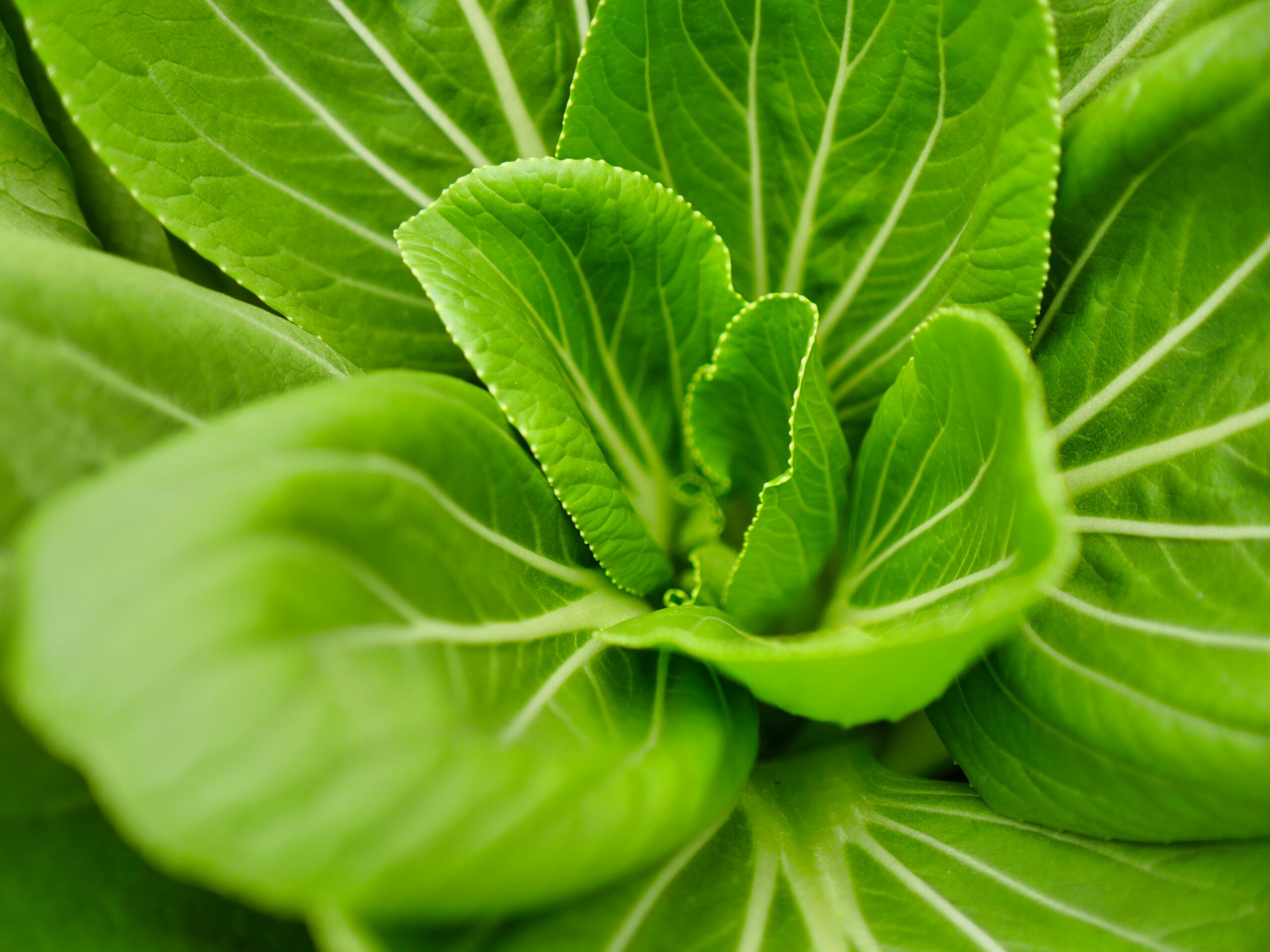
You stand in your garden, a verdant testament to your efforts. The leaves on your tomato plants are a vibrant green, their stems sturdy and reaching for the sun. Your roses boast an explosion of color, their petals plump and their fragrance intoxicating. You’ve nurtured these plants, provided them with water, sunlight, and a healthy dose of love. But there’s another, less visible, but equally crucial element fueling this thriving ecosystem: fertilizer. It’s the unsung hero, the silent power behind every succulent leaf, every burgeoning bud, and every bountiful harvest.
Understanding the Fundamentals: What Your Plants Really Need
Imagine your plants as miniature chemical factories. They take in sunlight, water, and carbon dioxide from the air, and through the complex miracle of photosynthesis, they transform these raw materials into the sugars and starches that sustain them. But this process, like any factory operation, requires more than just the basic ingredients. It demands a constant supply of specific nutrients – essential building blocks that allow them to grow, reproduce, and defend themselves against disease and pests. These nutrients aren’t just about making things look good; they are fundamental to the very function of the plant. Without them, growth stalls, leaves yellow, flowers fail to appear, and fruits remain stunted or non-existent.
The Macronutrient Trio: The Big Three for Big Growth
When we talk about plant nutrition, three primary macronutrients rise to the top: nitrogen (N), phosphorus (P), and potassium (K). These are the titans of plant food, the nutrients your plants consume in the largest quantities. Think of them as the foundational pillars upon which your plant’s entire structure is built.
Nitrogen (N): The Leafy Green Engine
Nitrogen is the workhorse for vegetative growth, the nutrient that directly fuels the production of leaves and stems. You can often spot a nitrogen deficiency by observing pale, yellowing leaves, especially on older foliage. This is because nitrogen is mobile within the plant; when supplies are scarce, the plant will shunt existing nitrogen from older tissues to new growth, leaving the older parts deficient. Nitrogen is a key component of chlorophyll, the green pigment responsible for capturing sunlight for photosynthesis. Without enough nitrogen, chlorophyll production suffers, leading to that telltale yellowing, or chlorosis. Beyond just color, nitrogen contributes to the overall size and vigor of the plant. Lush, deep green foliage is a strong indicator of adequate nitrogen levels. It’s also vital for the production of amino acids, the building blocks of proteins, which are essential for all cellular functions.
Phosphorus (P): The Root and Flower Booster
Phosphorus plays a critical role in energy transfer within the plant. Think of it as the spark plug, igniting the chemical reactions that drive growth, flowering, and fruiting. Phosphorus is particularly important for the development of strong root systems, which are the plant’s anchor and its primary means of absorbing water and nutrients. A plant with inadequate phosphorus will often exhibit stunted growth, with poor root development and delayed maturity. You might also notice purplish or reddish discoloration on the leaves, especially on the undersides, as certain pigments accumulate when phosphorus isn’t being utilized effectively. Phosphorus is also essential for flower and fruit production. It plays a role in the formation of seeds and the development of the reproductive organs of the plant. If your plants are struggling to flower or produce fruit, a phosphorus deficiency could be the culprit.
Potassium (K): The All-Around Strength Builder
Potassium is the third macronutrient and is often referred to as the “quality nutrient.” While it doesn’t directly build plant tissue in the same way as nitrogen, it’s crucial for a multitude of functions that contribute to the overall health and resilience of the plant. Potassium is vital for water regulation within the plant, helping to control stomatal opening and closing, which regulates water loss and carbon dioxide uptake. This makes plants more tolerant to drought and heat stress. It also plays a role in enzyme activation, contributing to hundreds of biochemical processes within the plant. Furthermore, potassium strengthens cell walls, making plants more resistant to disease and physical damage. You might see symptoms of potassium deficiency as yellowing or browning of the leaf margins, starting on older leaves. It’s the unsung hero that helps your plants stand tall and resist the stresses of the environment.
The Secondary Nutrients: Important Players in the Supporting Cast
While the macronutrients get most of the spotlight, a group of secondary nutrients are also vital for healthy plant growth. These include calcium (Ca), magnesium (Mg), and sulfur (S). They are needed in smaller quantities than the primary macronutrients, but their absence can lead to significant problems.
Calcium (Ca): The Structural Integrity Expert
Calcium is a critical component of cell walls, acting like the cement that holds plant cells together. It’s essential for cell division and elongation, and therefore for overall plant structure and growth. Calcium deficiencies often manifest as deformed or stunted new growth, such as curled or puckered leaves. Blossom end rot in tomatoes and peppers is a classic example of a calcium deficiency, where the fruit fails to develop properly due to insufficient calcium reaching the developing tissue. It also plays a role in enzyme activity and signal transduction within the plant.
Magnesium (Mg): The Chlorophyll Creator
Magnesium is the central atom in the chlorophyll molecule. Without enough magnesium, plants can’t produce enough chlorophyll, leading to reduced photosynthesis and the characteristic yellowing of leaves between the veins (interveinal chlorosis). This is particularly noticeable on older leaves, as magnesium is also mobile within the plant. It’s also involved in the activation of many enzymes crucial for plant metabolism.
Sulfur (S): The Flavor and Aroma Contributor
Sulfur is a component of amino acids and vitamins, and it plays a role in the synthesis of proteins and the development of certain flavors and aromas in plants, particularly in members of the allium family (onions, garlic) and cruciferous vegetables (broccoli, cabbage). Sulfur deficiencies can lead to stunted growth and a general pale green appearance of the plant, often mimicking nitrogen deficiency but typically affecting younger leaves first because sulfur is less mobile than nitrogen.
Micronutrients: The Tiny but Mighty Essentialists
Even in minute amounts, micronutrients are absolutely indispensable for plant life. These include iron (Fe), manganese (Mn), zinc (Zn), copper (Cu), boron (B), molybdenum (Mo), and chlorine (Cl). While you only need tiny quantities, their absence can be devastating.
Iron (Fe): The Photosynthesis Powerhouse
Iron is crucial for the formation of chlorophyll and for many enzymatic processes involved in photosynthesis. Iron deficiency typically appears as interveinal chlorosis, but unlike magnesium deficiency, it usually affects the younger leaves first because iron is not mobile within the plant. You’ll see the veins remain green while the tissue between them turns yellow.
Manganese (Mn): The Photosynthesis Assistant
Manganese is involved in photosynthesis, respiration, and nitrogen assimilation. Deficiencies can lead to interveinal chlorosis, often with small, necrotic spots, and can also affect flowering and seed production. Similar to iron, manganese deficiency tends to show up on younger leaves.
Zinc (Zn): The Growth Regulator
Zinc is essential for the synthesis of growth hormones and for various enzymatic activities. Zinc deficiency can result in stunted growth, small leaves (little leaf), and shortened internodes.
Copper (Cu): The Enzyme Activator
Copper is involved in enzyme activity, photosynthesis, and respiration. Deficiencies can lead to dieback of shoot tips, wilting, and reduced flowering.
Boron (B): The Cell Division and Pollination Pro
Boron is vital for cell wall development, cell division, pollen germination, and seed development. Boron deficiency can cause deformed new growth, brittle stems, and poor fruit set.
Molybdenum (Mo): The Nitrogen Converter
Molybdenum is essential for the enzymes that convert atmospheric nitrogen into a usable form for plants (nitrogen fixation) and for nitrate reduction. Molybdenum deficiency is rare but can lead to nitrogen deficiency symptoms, particularly in legumes.
Chlorine (Cl): The Stomatal Regulator
Chlorine plays a role in stomatal function, water balance, and photosynthesis. Deficiencies are very rare in most garden settings.
Fertilizer plays a crucial role in enhancing plant growth by providing essential nutrients that may be lacking in the soil. These nutrients, such as nitrogen, phosphorus, and potassium, are vital for various physiological processes in plants, including photosynthesis and root development. For a deeper understanding of how fertilizers contribute to plant health and growth, you can explore this related article on the topic at Freaky Science.
The Role of Fertilizers: Bridging the Nutrient Gap
Now that you understand the vital nutrients your plants crave, let’s talk about how you can provide them. Fertilizers are essentially nutrient supplements for your soil. They are designed to replenish or enhance the availability of essential elements that may be lacking in your existing soil. Your soil, no matter how rich it seems, can become depleted over time as plants continuously absorb these nutrients for their growth. Fertilizers act as a bridge, ensuring your plants have a consistent and sufficient supply to reach their full potential.
Organic vs. Synthetic: Two Paths to Nourishment
When you head to your local garden center or peruse online horticultural suppliers, you’ll encounter two main categories of fertilizers: organic and synthetic. Each has its own set of benefits and drawbacks, and understanding these differences will help you make informed choices for your specific gardening needs.
Organic Fertilizers: Nourishment from Nature’s Pantry
Organic fertilizers are derived from plant and animal matter. Think of them as slow-release, nutrient-rich compost. They improve soil structure, enhance microbial activity, and provide a steady, gradual release of nutrients as they decompose. This gradual release is beneficial because it minimizes the risk of nutrient leaching and “burning” plant roots, which can happen with over-application of synthetic fertilizers.
- Compost and Manure: The cornerstones of organic gardening, compost and well-rotted manure are rich in a broad spectrum of nutrients, as well as beneficial microorganisms. You can create your own compost from kitchen scraps and yard waste, turning waste into valuable plant food. Manure, from sources like cow, chicken, or horse, is also an excellent nutrient source, but it’s crucial to ensure it’s well-aged or composted to avoid burning plants or introducing weed seeds.
- Bone Meal: A good source of phosphorus and calcium, bone meal is particularly beneficial for flowering and fruiting plants.
- Blood Meal: High in nitrogen, blood meal is great for promoting leafy green growth.
- Fish Emulsion and Seaweed Extract: These liquid organic fertilizers offer a readily available boost of nutrients and also contain beneficial trace elements and growth stimulants. They are quickly absorbed by plants and are great for a mid-season pick-me-up.
- Worm Castings: The excrement of earthworms, worm castings are incredibly nutrient-rich and also introduce beneficial microbes to the soil, improving its structure and water retention.
The advantages of organic fertilizers lie in their holistic approach to soil health. They don’t just feed the plant; they feed the entire soil ecosystem, leading to a more resilient and fertile garden in the long run. The slow-release nature also means they are less likely to cause environmental pollution through runoff.
Synthetic Fertilizers: The Quick Fix Powerhouses
Synthetic fertilizers are manufactured through industrial processes. They are designed to provide specific nutrients in readily available forms, meaning plants can absorb them quickly. This makes them a popular choice for gardeners who need to address nutrient deficiencies rapidly or provide a targeted boost.
- Granular Fertilizers: These are the most common type of synthetic fertilizer. They are applied directly to the soil and release nutrients as they dissolve with watering. They come in various formulations, often labeled with three numbers representing the N-P-K ratio (e.g., 10-10-10).
- Liquid Fertilizers: These are diluted in water and applied through a watering can or sprayer. They provide a very fast uptake of nutrients by the plant.
- Slow-Release Fertilizers: These synthetic fertilizers are coated with a material that gradually releases nutrients over a period of weeks or months. They offer some of the benefits of slow release found in organic fertilizers, reducing the risk of leaching and over-application.
The primary advantage of synthetic fertilizers is their speed and precision. If you have a plant showing clear signs of a specific nutrient deficiency, a targeted synthetic fertilizer can often rectify the problem quickly. However, their rapid release can also be a double-edged sword. Over-application can lead to nutrient burn, damage to beneficial soil organisms, and environmental pollution through runoff into waterways.
Decoding the Fertilizer Label: Understanding the N-P-K Ratio
One of the most important things you’ll encounter on any fertilizer packaging is the N-P-K ratio. This three-digit number, typically found prominently displayed on the front of the bag or bottle, represents the percentage by weight of the three primary macronutrients: Nitrogen (N), Phosphorus (P), and Potassium (K).
Nitrogen (N): The First Number
The first number in the N-P-K ratio always refers to the percentage of nitrogen in the fertilizer. Nitrogen is primarily responsible for promoting leafy green growth. If you want to encourage lush foliage on your vegetables or a denser, greener lawn, you’ll want a fertilizer with a higher first number.
Phosphorus (P): The Second Number
The second number represents the percentage of phosphorus. Phosphorus is crucial for root development, flowering, and fruiting. If you are struggling with your plants’ ability to produce flowers or fruit, or if you want to establish healthy seedlings with strong root systems, you’ll be looking for a fertilizer with a higher second number.
Potassium (K): The Third Number
The third number indicates the percentage of potassium. Potassium contributes to overall plant health, disease resistance, and water regulation. It helps plants withstand stress from heat, cold, and drought, and improves the quality of fruits and flowers. A higher third number generally signifies a more robust and resilient plant.
Matching the Ratio to Your Plant’s Needs
The beauty of the N-P-K ratio is that it allows you to tailor your fertilizer choice to the specific needs of your plants and the stage of their growth.
- For leafy greens (lettuce, spinach, kale) and lawns: You’ll want a fertilizer with a higher nitrogen content, perhaps something like 20-10-10 or 15-5-5. This will encourage vigorous leaf production.
- For flowering plants and fruiting vegetables (tomatoes, peppers, roses): A fertilizer with a higher phosphorus content is beneficial, such as 5-10-5 or 10-20-10. This will promote flower bud formation and fruit development.
- For general-purpose feeding and establishing new plants: A balanced fertilizer like 10-10-10 or 14-14-14 is a good choice, providing a good all-around supply of essential nutrients.
- For root vegetables (carrots, potatoes): While phosphorus is important for root development, you also want balanced growth. A balanced fertilizer or one with a slightly higher phosphorus content can be effective.
- For established trees and shrubs: You might opt for a slow-release fertilizer with a balanced or slightly higher potassium content to promote overall health and resilience.
It’s also important to remember that the N-P-K ratio only tells part of the story. Fertilizers also contain secondary nutrients and micronutrients, which are just as vital, though present in smaller amounts. Always check the full ingredient list if you have specific concerns.
Applying Fertilizer: The Art and Science of Nourishment
Simply buying fertilizer isn’t enough; you need to apply it correctly to reap its benefits without causing harm. Improper application can lead to wasted nutrients, damaged plants, and environmental pollution.
Timing is Everything: When to Feed Your Plants
The optimal time to fertilize your plants depends on their type, growth stage, and the season.
- Spring: This is often the primary feeding time for many plants as they emerge from dormancy and begin their active growth period. For vegetables, fertilizing at planting time or shortly after can give them a strong start. For lawns, a spring application helps green them up and promotes growth.
- Summer: Some plants, especially heavy feeders like tomatoes and corn, may benefit from supplemental feedings during the summer months. Liquid fertilizers or side-dressing with granular options can be effective. For flowering plants, continued feeding can encourage more blooms.
- Fall: For perennial plants and lawns, a fall application of fertilizer can help them store energy for winter and prepare for the following spring. This is often a fertilizer with a higher potassium content to build resilience.
- Avoid fertilizing dormant plants: Applying fertilizer when plants are not actively growing is generally wasteful and can even be detrimental.
Methods of Application: Getting it Where it Needs to Go
There are several ways to apply fertilizer, each with its own advantages.
- Broadcasting: This involves spreading granular fertilizer evenly over the surface of the soil, often used for lawns and large garden beds. It’s important to rake it into the soil or water it in to prevent it from blowing away.
- Side-Dressing: This is a technique used for established plants, particularly vegetables. You create a shallow trench or furrow alongside the plant, about a few inches away from the stem, and place the fertilizer in the trench before covering it with soil. This ensures the nutrients are close to the root zone without direct contact with the plant’s stem.
- Incorporating into Soil: For new garden beds or when planting, you can mix granular or organic fertilizers directly into the soil before planting. This ensures nutrients are evenly distributed throughout the root zone.
- Liquid Feeding: Diluted liquid fertilizers are applied directly to the soil as a drench or sprayed onto the foliage (foliar feeding). Foliar feeding provides a quick boost, but it’s important to note that most plants absorb nutrients more effectively through their roots.
Dosage and Dilution: The Golden Rule of “Less is More”
One of the most common mistakes gardeners make is over-fertilizing. Always read and follow the instructions on the fertilizer packaging carefully. The recommended dosage is usually based on area or plant size, and exceeding it can harm your plants and the environment.
- For granular fertilizers: Measure accurately. It’s better to apply a little less than too much.
- For liquid fertilizers: Dilute them according to the instructions. A fertilizer that is too concentrated can burn plant roots and foliage.
- When in doubt, err on the side of caution. You can always apply more fertilizer later if needed, but you can’t undo the damage caused by over-fertilization.
Fertilizer plays a crucial role in enhancing plant growth by providing essential nutrients that may be lacking in the soil. These nutrients, such as nitrogen, phosphorus, and potassium, are vital for various physiological processes in plants, including photosynthesis and root development. For a deeper understanding of how these elements contribute to plant health, you can explore this informative article on the subject. By learning more about the science behind fertilizer, you can better appreciate its importance in agriculture and gardening. Check out the article here for more insights.
Recognizing and Addressing Nutrient Deficiencies: Your Plants’ Silent Signals
Your plants will often tell you when they’re not getting what they need. Learning to recognize the signs of nutrient deficiencies is a crucial skill for any gardener.
Visual Clues: Reading Your Plant’s Leaf Language
Many nutrient deficiencies manifest visually in the leaves.
- Yellowing (Chlorosis): This is a common sign of many deficiencies. The pattern of yellowing is key.
- Overall yellowing of older leaves: Often indicates a nitrogen deficiency.
- Yellowing between the veins, with veins remaining green: Typically points to iron or magnesium deficiency. If it’s on older leaves, it’s likely magnesium; if it’s on younger leaves, it’s likely iron.
- Purple or reddish hues on leaves, especially undersides: Can indicate phosphorus deficiency.
- Yellowing or browning of leaf margins, especially on older leaves: Suggests potassium deficiency.
- Stunted growth and small, distorted new leaves: Can be a sign of zinc, boron, or calcium deficiency.
- Leaf Necrosis (Browning or Death of Leaf Tissue): This is a more severe symptom and can occur when deficiencies become chronic or when over-fertilization has caused damage.
- Poor Flowering or Fruiting: If your plants are healthy but consistently fail to produce flowers or fruit, it could be a sign of insufficient phosphorus or potassium.
- Stunted Growth: Overall slow or stunted growth can be an indication of a general nutrient deficiency or a deficiency in one or more key nutrients.
Soil Testing: The Scientific Approach to Diagnosis
While visual cues are helpful, the most accurate way to diagnose nutrient deficiencies is through a soil test. A soil test will analyze the pH of your soil and the levels of various nutrients. It can also provide recommendations for the types and amounts of fertilizers to add.
- DIY Soil Test Kits: These are readily available at garden centers and can provide a quick, though often less precise, assessment of your soil’s nutrient levels and pH.
- Lab Soil Testing: For more accurate results, you can send soil samples to a professional laboratory. Your local agricultural extension office can often provide information on how to do this.
Corrective Measures: Bridging the Gap
Once you’ve identified a deficiency, you can take steps to correct it.
- For general deficiencies: Apply a balanced fertilizer according to the N-P-K ratio recommended for your plants.
- For specific deficiencies: Choose a fertilizer that is high in the missing nutrient. For example, if your soil test indicates a lack of phosphorus, use a fertilizer with a higher second number in the N-P-K ratio.
- Organic amendments: Incorporating organic matter like compost or manure can help improve soil fertility over time and provide a slow release of a broad spectrum of nutrients.
- pH adjustment: Soil pH significantly impacts nutrient availability. If your soil is too acidic or too alkaline, certain nutrients may be locked up and unavailable to plants, even if they are present in the soil. A soil test will indicate if pH adjustment is needed.
By understanding the intricate language of your plants and the science behind plant nutrition, you can transform your gardening from a guessing game into a predictable and rewarding pursuit. Fertilizer, in its various forms, is not just a supplement; it’s a vital partner in your gardening journey, helping you cultivate the healthy, vibrant, and bountiful garden you envision.

We Figured Out How to Turn Air Into Food
FAQs
What is fertilizer?
Fertilizer is a substance that is added to soil or plants to provide essential nutrients that are necessary for plant growth and development.
How does fertilizer help plants grow?
Fertilizer provides plants with essential nutrients such as nitrogen, phosphorus, and potassium, which are necessary for their growth, development, and overall health. These nutrients help plants produce chlorophyll, build strong roots, and develop flowers and fruits.
What are the different types of fertilizers?
There are three main types of fertilizers: organic, synthetic, and slow-release. Organic fertilizers are derived from natural sources such as compost, manure, and bone meal. Synthetic fertilizers are chemically manufactured and provide specific nutrient ratios. Slow-release fertilizers release nutrients over an extended period of time.
When should fertilizer be applied to plants?
Fertilizer should be applied to plants during their active growing season, which is typically in the spring and early summer. It is important to follow the specific instructions on the fertilizer packaging and avoid over-fertilizing, which can harm plants.
What are the potential drawbacks of using fertilizer?
Overuse of fertilizer can lead to nutrient imbalances in the soil, which can harm plants and contribute to environmental pollution. Additionally, some fertilizers can be harmful if not used properly, and runoff from fertilized areas can negatively impact water quality.