
You’re standing on the precipice of understanding a fundamental pillar of modern agriculture, a process that quite literally feeds billions: the creation of synthetic nitrogen fertilizer. It’s not some arcane secret locked away in a vault; it’s a triumph of human ingenuity, a feat of industrial chemistry that transforms an abundant, yet unusable, atmospheric resource into the lifeblood of our crops. You might be wondering, how do we pull nitrogen from the air, that vast expanse surrounding you, and coax it into a form that plants can devour? Prepare to have that mystery unveiled.
Nitrogen is everywhere. Literally. The air you breathe, the very atmosphere that envelops our planet, is composed of roughly 78% nitrogen gas (N₂). You’re inhaling it right now. Yet, for the vast majority of living organisms, including plants, this omnipresent gas is effectively locked away, inaccessible. This is because the nitrogen atoms in N₂ are held together by an incredibly strong triple bond. Think of it as a molecular fortress, requiring immense energy to breach. This omnipresent abundance is precisely why we need a way to break it down, to convert it into a usable form.
The Biological Solution: Nature’s Own Nitrogen Fixers
Before you dive into the industrial marvels, it’s worth acknowledging nature’s elegant solutions. Certain microorganisms, like Rhizobium bacteria that live in symbiosis with legumes (beans, peas, clover), possess enzymes capable of breaking the N₂ triple bond. This biological nitrogen fixation is a slow, steady process that enriches the soil naturally. You’ve likely seen clover in fields, a subtle nod to nature’s own fertilizer factory. However, this natural process, while vital for ecosystems, simply cannot meet the demands of large-scale, intensive agriculture. The sheer quantity of nitrogen required to feed a growing global population necessitates a more potent and scalable solution.
The Agricultural Dilemma: The Growing Need for Nitrogen
The advent of modern agriculture, with its focus on maximizing yields, brought with it a stark realization: natural soil fertility, even with crop rotation and organic amendments, was often insufficient. Plants, as they grow, absorb nitrogen from the soil, depleting its reserves. Without replenishment, yields plummet, and famine becomes a real threat. This is where the concept of synthetic nitrogen fertilizer becomes not just beneficial, but absolutely essential. It’s the technological leap that allowed us to break free from the limitations of natural nitrogen cycles and embark on an era of unprecedented food production.
Synthetic nitrogen fertilizer plays a crucial role in modern agriculture, significantly enhancing crop yields. For a deeper understanding of the processes involved in its production, you can refer to a related article that explores the chemistry and technology behind synthetic fertilizers. This informative piece outlines the Haber-Bosch process, which is essential for converting atmospheric nitrogen into a usable form for plants. To learn more about this fascinating topic, visit this article.
The Haber-Bosch Process: The Genesis of Synthetic Nitrogen
The story of synthetic nitrogen fertilizer is inextricably linked to the Haber-Bosch process, a landmark achievement in industrial chemistry. Developed by German chemist Fritz Haber in the early 20th century and later scaled up for industrial production by Carl Bosch, this process remains the dominant method for producing ammonia (NH₃), the foundational ingredient for most synthetic nitrogen fertilizers. It’s a testament to how fundamental scientific discovery can have profound and lasting societal impacts, even in ways you might not immediately consider.
The Core Reaction: Hydrogen Meets Nitrogen
At its heart, the Haber-Bosch process is a seemingly simple chemical reaction:
N₂ (gas) + 3H₂ (gas) ⇌ 2NH₃ (gas)
This equation tells you that one molecule of nitrogen gas reacts with three molecules of hydrogen gas to produce two molecules of ammonia gas. The double arrows indicate that this reaction is reversible, meaning ammonia can also decompose back into nitrogen and hydrogen. This reversibility is a critical factor in optimizing the process.
The Catalytic Cruciality: Overcoming the Inertia
As mentioned earlier, the triple bond in nitrogen gas is exceptionally strong. Simply mixing nitrogen and hydrogen at room temperature and pressure would result in virtually no ammonia formation. This is where the catalyst comes in. The Haber-Bosch process relies on a catalyst, typically iron-based, to facilitate the reaction. The catalyst lowers the activation energy required for the nitrogen molecules to break their strong bonds and react with hydrogen. Without this catalyst, the process would be economically and practically unfeasible. Think of the catalyst as the key that unlocks the nitrogen fortress, making the reaction possible at industrially relevant rates.
The High-Pressure Necessity: Pushing the Equilibrium
While a catalyst speeds up the reaction, it doesn’t fundamentally change the equilibrium position. To maximize ammonia production, the Haber-Bosch process operates under very high pressures, typically ranging from 150 to 350 atmospheres (atm), and high temperatures, usually between 400 and 500 degrees Celsius. These extreme conditions are crucial for several reasons.
Understanding Le Chatelier’s Principle: Shifting the Balance
You can understand the role of high pressure through Le Chatelier’s principle, a fundamental concept in chemical equilibrium. This principle states that if a change of condition is applied to a system in equilibrium, the system will shift in a direction that relieves the stress. In the Haber-Bosch reaction:
N₂ (gas) + 3H₂ (gas) ⇌ 2NH₃ (gas)
Notice that there are a total of four moles of gas on the reactant side (one mole of N₂ and three moles of H₂) and only two moles of gas on the product side (two moles of NH₃). Increasing the pressure favors the side with fewer moles of gas, which is the product side. Therefore, high pressure drives the equilibrium to the right, favoring the formation of more ammonia.
The Temperature Trade-off: Speed vs. Yield
The choice of temperature is a delicate balancing act. While higher temperatures generally increase the rate of a reaction, they can also shift the equilibrium to the left, reducing the overall yield of ammonia in this specific reversible reaction. The Haber-Bosch process operates at a compromise temperature that allows for a reasonable reaction rate while still achieving an acceptable yield. Without careful control of these variables, the process would be far less efficient.
The Raw Materials: Where Do We Get Our Building Blocks?
The fundamental building blocks for ammonia synthesis are, as the equation suggests, nitrogen and hydrogen. But where do these come from in an industrial setting?
Nitrogen Source: Air Separation
The nitrogen source is straightforward: the air around you. Large industrial plants employ air separation units (ASUs) to cryogenically distill atmospheric air. This process cools air to extremely low temperatures, causing its components to liquefy and then separating them based on their different boiling points. Nitrogen, with its lower boiling point, is separated out as a gas. It’s a clean and readily available source for your ammonia production.
Hydrogen Source: The Steam Reforming of Natural Gas
The primary source of hydrogen for the Haber-Bosch process is the steam reforming of natural gas (primarily methane, CH₄). This is a crucial step, and it’s where a significant portion of the energy input for ammonia production is utilized. The process involves reacting natural gas with steam at high temperatures and in the presence of a catalyst:
CH₄ (gas) + H₂O (gas) ⇌ CO (gas) + 3H₂ (gas)
This reaction produces hydrogen gas and carbon monoxide. Further reactions, often including a water-gas shift reaction (CO + H₂O ⇌ CO₂ + H₂), are used to convert the carbon monoxide into more hydrogen and carbon dioxide, which is then removed. This reliance on natural gas is a significant aspect of the economic and environmental considerations of nitrogen fertilizer production.
From Ammonia to Fertilizer: The Transformation
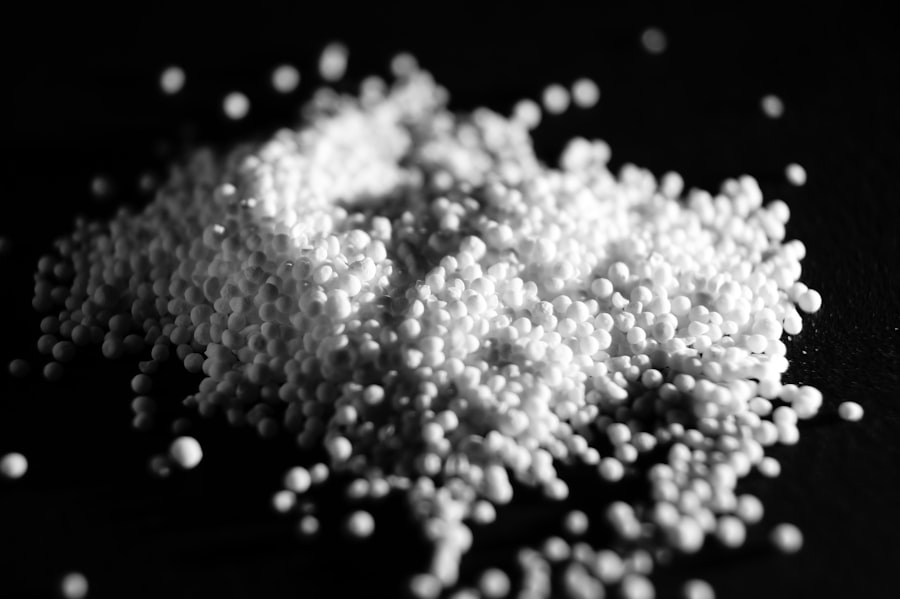
The ammonia produced by the Haber-Bosch process is the direct precursor to virtually all synthetic nitrogen fertilizers. While pure ammonia can be used as a fertilizer, its gaseous nature and high volatility make it difficult to handle and apply effectively for most agricultural purposes. Therefore, ammonia is further processed into more stable and convenient forms.
Urea: The World’s Most Common Nitrogen Fertilizer
Urea (CO(NH₂)₂) is by far the most widely produced and used nitrogen fertilizer globally. It’s a solid, granular material that is easy to handle, transport, and apply. The production of urea involves reacting ammonia with carbon dioxide:
2NH₃ (gas) + CO₂ (gas) → (NH₂)₂CO (solid/aqueous) + H₂O (liquid)
This reaction, like the Haber-Bosch process, is carried out under high pressure and temperature. The resulting urea solution is then concentrated and prilled or granulated to form the solid fertilizer you see in bags. Urea is highly soluble in water and readily breaks down in the soil to release ammonia, which plants can then utilize.
Ammonium Nitrate: Another Key Player
Ammonium nitrate (NH₄NO₃) is another important nitrogen fertilizer, particularly in regions where it is economically viable. It’s produced by the direct reaction of ammonia with nitric acid:
NH₃ (gas) + HNO₃ (aqueous) → NH₄NO₃ (aqueous)
The resulting ammonium nitrate solution is then typically granulated or prilled. Ammonium nitrate provides nitrogen in two forms: ammonium (NH₄⁺) and nitrate (NO₃⁻), both of which are readily available to plants. However, ammonium nitrate can be unstable and is a component in explosives, leading to stricter regulations and storage requirements in many areas.
Other Nitrogen Forms: Beyond Urea and Ammonium Nitrate
While urea and ammonium nitrate dominate the market, other nitrogen fertilizers exist. These include:
Ammonium Sulfate: A Sulfur-Containing Option
Ammonium sulfate ((NH₄)₂SO₄) is produced by reacting ammonia with sulfuric acid. It provides both nitrogen and sulfur, an essential plant nutrient that can be deficient in some soils.
Calcium Ammonium Nitrate (CAN): A Safer Alternative
CAN is a mixture of ammonium nitrate and calcium carbonate or dolomite. The addition of calcium carbonate acts as a diluent, making CAN less explosive than pure ammonium nitrate and easier to handle. It also provides calcium, another essential nutrient.
The Energy Intensity and Environmental Considerations
You can’t talk about synthetic nitrogen fertilizer without addressing its energy intensity and environmental implications. The Haber-Bosch process, while a marvel of efficiency, is an energy-hungry process. The high temperatures and pressures, coupled with the energy required for steam reforming of natural gas, mean that a significant portion of the global energy supply is dedicated to nitrogen fertilizer production.
The Carbon Footprint: A Significant Factor
The reliance on natural gas for hydrogen production means that the Haber-Bosch process is a substantial contributor to global greenhouse gas emissions, primarily carbon dioxide. This is a major environmental concern that the industry is actively working to address through various research and development initiatives.
Beyond Production: Fertilizer Use and Environmental Impact
The environmental impact doesn’t end with production. The application of nitrogen fertilizers also has ecological consequences.
Nitrous Oxide Emissions: A Potent Greenhouse Gas
When nitrogen fertilizers are applied to the soil, microbial processes can convert some of the nitrogen into nitrous oxide (N₂O), a potent greenhouse gas with a global warming potential many times greater than carbon dioxide. Efficient fertilizer management practices are crucial to minimize these emissions.
Eutrophication: The Impact on Waterways
Excess nitrogen that is not taken up by plants can be leached from the soil into waterways. This excess nitrogen can lead to eutrophication, a process where algae blooms in lakes and rivers, depleting oxygen levels and harming aquatic life. This can create dead zones in coastal areas, impacting marine ecosystems.
Nutrient Management: The Key to Sustainability
The solution to these environmental challenges lies in responsible nutrient management. This involves:
- Precision Agriculture: Using technology to apply fertilizers precisely where and when they are needed, optimizing uptake and minimizing losses.
- Slow-Release Fertilizers: Developing fertilizers that release nitrogen gradually over time, reducing the risk of leaching and gaseous emissions.
- Improved Soil Health: Enhancing soil organic matter can improve nutrient retention and reduce losses.
- Alternative Feedstocks: Research into alternative, lower-carbon methods for hydrogen production, such as electrolysis powered by renewable energy.
Synthetic nitrogen fertilizer plays a crucial role in modern agriculture, significantly boosting crop yields and food production. The process of creating this fertilizer involves several steps, including the Haber-Bosch method, which synthesizes ammonia from atmospheric nitrogen and hydrogen. For a deeper understanding of the science behind this process and its implications for the environment, you can read a related article on the topic at Freaky Science. This resource provides valuable insights into both the benefits and challenges associated with synthetic fertilizers in our agricultural systems.
The Future of Nitrogen Fertilization: Innovation on the Horizon
| Step | Description |
|---|---|
| 1 | Extraction of natural gas |
| 2 | Conversion of natural gas to ammonia |
| 3 | Production of nitric acid |
| 4 | Formation of ammonium nitrate or urea |
| 5 | Granulation and packaging |
The world’s reliance on synthetic nitrogen fertilizer is unlikely to diminish in the foreseeable future. As the global population continues to grow, the demand for food will only increase. However, the industry is not standing still. You are witnessing a period of significant innovation aimed at making nitrogen fertilization more sustainable and efficient.
Greener Hydrogen: Decarbonizing Production
One of the most significant areas of research is the production of “green hydrogen” using renewable energy sources like solar and wind power for electrolysis. This could drastically reduce the carbon footprint of ammonia production.
Biological Nitrogen Fixation Enhancements: Bridging the Gap
Researchers are also exploring ways to enhance natural biological nitrogen fixation. This could involve developing crops that are more efficient at utilizing atmospheric nitrogen or engineering microbes to be more effective fixers. This could potentially reduce the need for synthetic fertilizers in certain agricultural systems.
Digital Agriculture and AI: Optimizing Application
The integration of digital agriculture tools, sensors, and artificial intelligence is revolutionizing how fertilizers are applied. These technologies allow for real-time monitoring of crop needs and soil conditions, leading to highly precise and efficient fertilizer applications, minimizing waste and environmental impact.
New Fertilizer Formulations: Smarter Delivery
The development of novel fertilizer formulations that control nitrogen release, improve nutrient uptake by plants, and reduce environmental losses is an ongoing area of innovation. These advanced formulations aim to deliver nitrogen more effectively to the plant roots, ensuring that more of the applied nutrient is utilized for growth.
You’ve now seen the intricate journey of nitrogen from an inert gas in the atmosphere to the essential nutrient that fuels our food systems. It’s a process that showcases the power of chemistry and engineering, but also highlights the critical importance of ongoing innovation and responsible stewardship to ensure the sustainability of our agricultural future. The air you breathe holds the potential for life, and through human ingenuity, you’ve learned to unlock it.

We Figured Out How to Turn Air Into Food
FAQs
What is synthetic nitrogen fertilizer?
Synthetic nitrogen fertilizer is a man-made chemical compound that contains nitrogen in a form that is easily absorbed by plants. It is used to supplement the nitrogen available in the soil to promote plant growth and increase crop yields.
How is synthetic nitrogen fertilizer made?
Synthetic nitrogen fertilizer is made through the Haber-Bosch process, which involves combining nitrogen from the air with hydrogen from natural gas under high pressure and temperature in the presence of a catalyst. This process produces ammonia, which is then used to create various forms of nitrogen fertilizer.
What are the main components of synthetic nitrogen fertilizer?
The main components of synthetic nitrogen fertilizer are nitrogen, which is the primary nutrient that promotes plant growth, and often other secondary nutrients such as phosphorus and potassium, which are essential for overall plant health and development.
What are the environmental impacts of synthetic nitrogen fertilizer production?
The production of synthetic nitrogen fertilizer can have environmental impacts, including greenhouse gas emissions from the energy-intensive Haber-Bosch process, as well as potential pollution of waterways from runoff of excess fertilizer applied to fields.
How is synthetic nitrogen fertilizer used in agriculture?
Synthetic nitrogen fertilizer is commonly used in agriculture to supplement the natural nitrogen available in the soil, particularly in intensive farming systems where high crop yields are desired. It is typically applied to fields either as a granular or liquid form, and is an important tool for increasing food production to meet the demands of a growing global population.