
You stand on the precipice of a profound scientific endeavor, a quest to replicate nature’s most elegant and fundamental process: nitrogen fixation. For millennia, you and your ancestors have relied on this silent, invisible miracle to sustain life on Earth. Now, you are poised to understand it, to harness its power, and perhaps, to reshape your future. This is the story of unraveling synthetic nitrogen fixation.
You breathe air, a seemingly effortless act. Yet, within that air, nitrogen gas (N₂) occupies approximately 78%. It’s an abundant element, but its inert nature, due to the incredibly strong triple bond holding two nitrogen atoms together, renders it largely inaccessible to most living organisms. This is where the magic of nitrogen fixation comes in. You see, while N₂ is useless in its gaseous form, nitrogen is a critical building block for life. It’s a core component of amino acids, the very bricks of proteins, which are essential for everything from muscle development to enzymatic reactions. It’s a vital part of nucleic acids, the blueprints of life – DNA and RNA. And it’s a key player in energy-carrying molecules like ATP. Without a constant supply of usable nitrogen, life as you know it would cease to exist.
The Global Nitrogen Cycle: Nature’s Masterpiece
For eons, nature has managed this vital resource through a complex and elegant cycle, the nitrogen cycle. You might think of it as Earth’s grand nutrient recycling program. This cycle involves several key transformations, and at its heart lies biological nitrogen fixation.
Microbial Architects: The True Fixers
The primary agents of nitrogen fixation are microorganisms – a diverse array of bacteria and archaea. These microscopic powerhouses possess a unique enzyme called nitrogenase, capable of breaking the formidable triple bond of N₂. You owe them an immeasurable debt. These microbes live in various environments, some free-living in soil and water, others forming symbiotic relationships with plants.
Symbiotic Partners: The Legume Connection
Perhaps the most famous example is the symbiotic relationship between legumes (like peas, beans, and clover) and Rhizobium bacteria. These bacteria colonize specialized structures on the plant roots called root nodules. Inside these nodules, under low-oxygen conditions carefully maintained by the plant, the Rhizobia get carbohydrates from the plant for energy and, in return, provide the plant with a constant supply of fixed nitrogen. This partnership is so efficient that legumes are often used to enrich soil, reducing the need for artificial fertilizers.
Abiotic Fixation: Lightning and Volcanic Activity
While microbial fixation dominates, nature also employs other methods. You’ve likely witnessed the dramatic spectacle of lightning. The immense energy released by these electrical discharges can directly break the N₂ triple bond, forming nitrogen oxides that then dissolve in rainwater, ultimately contributing to the nitrogen supply in the soil. Volcanic eruptions also release nitrogen compounds into the atmosphere. However, these abiotic processes contribute a much smaller fraction of the total fixed nitrogen compared to biological fixation.
The Haber-Bosch Process: Humanity’s Intervention
Your own ingenuity has introduced a significant, and indeed, world-altering, method of nitrogen fixation: the Haber-Bosch process. Developed in the early 20th century by Fritz Haber and later scaled up by Carl Bosch, this industrial process revolutionized agriculture. It allows you to synthesize ammonia (NH₃) from nitrogen gas and hydrogen gas at high temperatures and pressures, using a catalyst.
A Revolution in Agriculture
The Haber-Bosch process has been nothing short of a miracle for food production. It has enabled you to create synthetic fertilizers on an unprecedented scale, dramatically increasing crop yields and supporting a rapidly growing global population. Without it, feeding billions would be an insurmountable challenge. You can trace the increased food availability and the ability to sustain urban populations directly back to this industrial breakthrough.
The Double-Edged Sword: Environmental Consequences
However, like many powerful technologies, the Haber-Bosch process comes with a significant downside. The sheer scale of its application has led to widespread environmental consequences. The over-application of nitrogen fertilizers, coupled with inefficient agricultural practices, results in substantial nitrogen runoff into rivers, lakes, and oceans. This excess nitrogen fuels algal blooms, leading to eutrophication, oxygen depletion, and the creation of “dead zones” where aquatic life cannot survive. Furthermore, the production of ammonia is energy-intensive, contributing to greenhouse gas emissions. You are now grappling with the unintended, and often detrimental, ripple effects of this once-celebrated invention.
Synthetic nitrogen fixation is a crucial process that has significantly impacted agriculture by enhancing crop yields through the use of nitrogen fertilizers. For a deeper understanding of this topic, you can explore a related article that delves into the science behind synthetic nitrogen fixation and its implications for sustainable farming practices. To read more, visit Freaky Science.
The Quest for a Greener Fix: Why Synthetic Nitrogen Fixation Matters Now
You stand at a critical juncture. The world’s population continues to grow, and the demand for food will only increase. At the same time, the environmental toll of the current nitrogen fixation methods, primarily the Haber-Bosch process, is becoming increasingly unsustainable. You need alternatives. You need ways to fix nitrogen that are more energy-efficient, less polluting, and ultimately, more in harmony with natural systems. This is the driving force behind the intense research into synthetic nitrogen fixation. You are seeking to replicate the elegance of nature’s solutions on your own terms.
The Limitations of Haber-Bosch
You’ve already touched upon the significant drawbacks of the Haber-Bosch process. You understand that its high energy demand makes it a major contributor to your carbon footprint. The extreme temperatures and pressures required necessitate significant fossil fuel consumption.
Energy Intensity and Carbon Footprint
Consider the energy required. You’re essentially forcing a very stable molecule to react. This requires a substantial energy input, which is largely derived from burning fossil fuels. This, in turn, releases carbon dioxide, a potent greenhouse gas, into the atmosphere, exacerbating climate change. You are caught in a cycle of feeding your population by contributing to the warming of your planet.
Environmental Pollution and Eutrophication
The environmental consequences extend beyond climate change. As you’ve seen, the excess nitrogen entering waterways is a major cause of eutrophication. This process disrupts aquatic ecosystems, leading to loss of biodiversity and economic impacts on fisheries. You are inadvertently poisoning the very waters that support life.
The Promise of Biomimicry
Nature, as always, offers a compelling model. You have identified the nitrogenase enzyme as the pinnacle of biological nitrogen fixation. This remarkable molecular machine operates under mild conditions – ambient temperature and pressure – and with astonishing efficiency. Your goal, therefore, is to understand and replicate this biological marvel.
Mimicking the Nitrogenase Active Site
The nitrogenase enzyme’s core is its iron-molybdenum cofactor (FeMoco). This complex cluster of metal atoms and organic molecules is where the magic happens. Scientists have spent decades unraveling its intricate structure and catalytic mechanism. You are striving to create artificial catalysts that can mimic the function of FeMoco, breaking the N₂ triple bond under much milder conditions.
The Challenge of Stability and Efficiency
Replicating nature’s efficiency and stability in an artificial system is a monumental challenge. The nitrogenase enzyme is a complex protein that provides a specific microenvironment for its catalytic site. Creating an artificial catalyst that can achieve similar feats outside of a biological context, and doing so robustly and affordably, is the crux of the problem. You are trying to build a tiny, molecular factory that can perform a feat that has historically required massive industrial plants.
Pathways to Artificial Nitrogen Fixation: Emerging Technologies
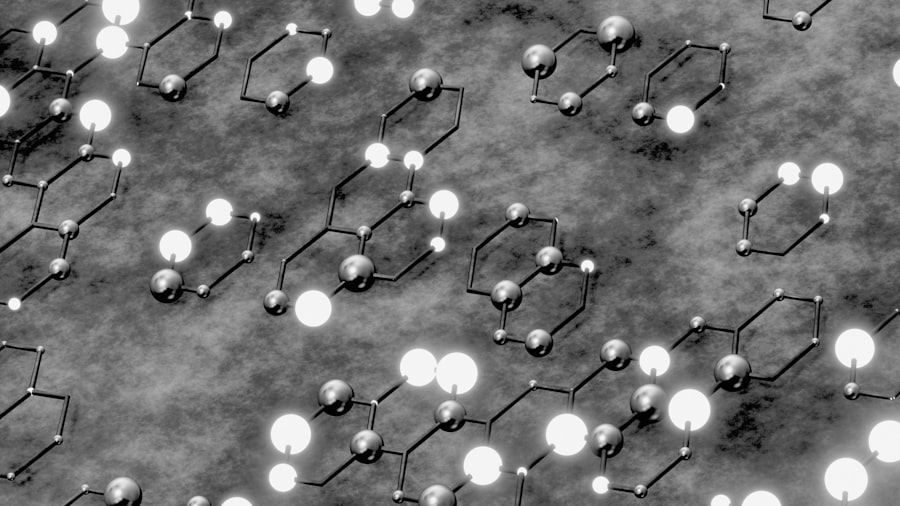
The pursuit of synthetic nitrogen fixation is not a monolithic effort. You are exploring a diverse range of approaches, each with its own unique advantages and hurdles. These are the cutting-edge frontiers where chemistry, physics, and engineering converge.
Electrocatalysis: Harnessing Electrical Power
Electrocatalysis offers a particularly promising avenue. This approach uses electricity to drive the nitrogen reduction reaction. By applying an electrical potential, you can facilitate the breaking of the N₂ triple bond and the formation of ammonia.
Nanomaterials and Surface Engineering
The key to efficient electrocatalysis often lies in the design of the electrode materials. You are exploring the use of novel nanomaterials, such as metal nanoparticles, metal oxides, and carbon-based structures, which can provide high surface areas and active sites for the reaction. Surface engineering plays a crucial role in tailoring the electronic properties and reactivity of these materials.
Water-Based Systems: A Holy Grail
A major goal in electrocatalytic nitrogen fixation is to operate in aqueous (water-based) solutions. This would be a significant departure from current methods that often require organic solvents. Developing electrocatalysts that can efficiently and selectively convert N₂ to NH₃ in water, without being poisoned by the water itself, is a significant scientific hurdle you are actively trying to overcome.
Photocatalysis: The Power of Sunlight
Photocatalysis offers another exciting possibility, utilizing light energy to drive the nitrogen fixation process. In this approach, a semiconductor material absorbs sunlight, generating electron-hole pairs that can then catalyze the reduction of nitrogen.
Semiconductor Design and Light Harvesting
The efficiency of photocatalytic nitrogen fixation hinges on the design of the photocatalyst. You are investigating various semiconductor materials, such as titanium dioxide, graphitic carbon nitride, and metal-organic frameworks (MOFs), and exploring strategies to enhance their light absorption capabilities and charge separation efficiency.
Co-catalysts and Reaction Optimization
To further boost the reaction rate and selectivity, researchers are incorporating co-catalysts onto the photocatalytic surface. These co-catalysts can help facilitate specific steps in the nitrogen reduction pathway. Optimizing reaction conditions, such as light intensity, temperature, and the presence of promoters, is also crucial for achieving practical ammonia production rates.
Homogeneous Catalysis: Molecular Mimicry
Homogeneous catalysis involves using soluble metal complexes to mimic the action of the nitrogenase enzyme. Scientists are synthesizing a wide array of metal complexes, particularly those containing transition metals like molybdenum, vanadium, and iron, that can bind and activate N₂.
Ligand Design and Electronic Tuning
The ligands surrounding the metal center play a critical role in controlling the reactivity and selectivity of these complexes. You are designing intricate ligand structures that can stabilize reactive intermediates, promote N-N bond cleavage, and prevent unwanted side reactions. Fine-tuning the electronic properties of the metal center through careful ligand selection is a key strategy.
Overcoming Deactivation and Recycling Challenges
A major challenge in homogeneous nitrogen fixation is the tendency of these complexes to deactivate over time. You are actively researching ways to improve the stability of these catalysts and to develop efficient methods for their regeneration and recycling. This is crucial for making homogeneous systems economically viable.
The Road Ahead: Challenges and Opportunities
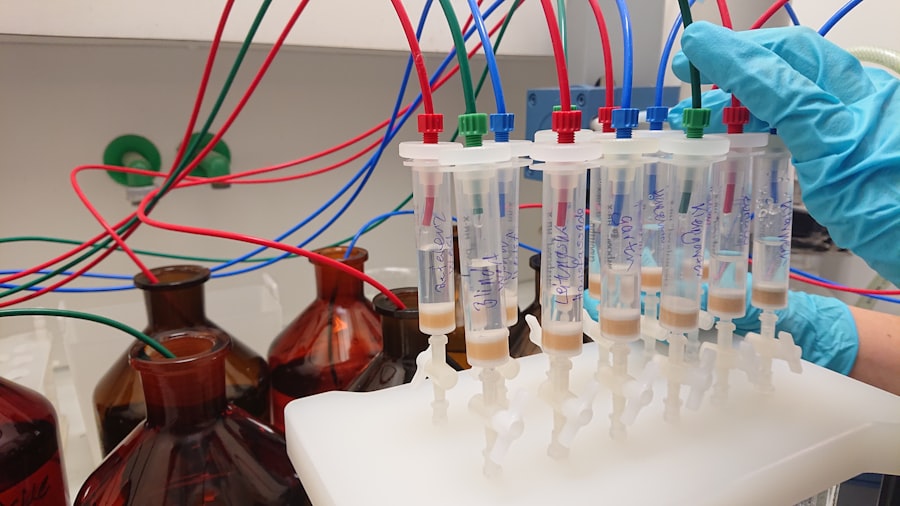
The journey to efficient and sustainable synthetic nitrogen fixation is far from over. You have made remarkable progress, but significant challenges remain. However, with these challenges come immense opportunities to transform your relationship with a fundamental element.
Scalability and Economic Viability
Perhaps the most pressing challenge is scalability. Many of the promising laboratory-scale demonstrations need to be translated into industrial-scale processes. This requires not only engineering breakthroughs but also a careful consideration of economic viability. The cost of production must be competitive with existing methods, even with their environmental drawbacks. You need to ensure that your new technologies are not just scientifically elegant but also economically feasible for widespread adoption.
Cost of Materials and Energy Inputs
The cost of the specialized catalysts, the energy required for the processes, and the overall infrastructure needed for large-scale production all contribute to the economic equation. You are constantly seeking ways to reduce these costs, perhaps by utilizing abundant and inexpensive materials, or by further optimizing energy efficiency.
Process Engineering and Reactor Design
Scaling up chemical processes is a complex undertaking. You need to design reactors that can handle large volumes, maintain precise control over reaction conditions, and ensure efficient product separation and purification. This requires a deep understanding of chemical engineering principles and innovative design solutions.
Selectivity and Byproduct Management
Achieving high selectivity for ammonia production is crucial. Many nitrogen reduction pathways can lead to the formation of undesirable byproducts, such as hydrogen gas or nitrogen oxides. These byproducts not only reduce the yield of ammonia but can also create separation challenges and waste.
Minimizing Side Reactions
You are working to design catalysts and optimize reaction conditions that favor the formation of ammonia over other products. This involves understanding the detailed reaction mechanisms and identifying strategies to suppress unwanted pathways.
Efficient Product Separation
Even with high selectivity, efficient separation of ammonia from the reaction mixture is essential. You are exploring various separation techniques to isolate pure ammonia in an energy-efficient manner.
Environmental Sustainability Beyond Fixation
While the primary goal is to improve nitrogen fixation, you must also consider the broader environmental impact of your new technologies. This includes the sourcing of raw materials, the energy consumed in production, and the disposal of waste products.
Life Cycle Assessment
You are increasingly using life cycle assessment (LCA) tools to evaluate the overall environmental footprint of new nitrogen fixation technologies, from raw material extraction to product end-of-life. This holistic approach helps you identify potential environmental hotspots and guide your development efforts towards truly sustainable solutions.
Integration with Renewable Energy Sources
A significant opportunity lies in integrating your synthetic nitrogen fixation processes with renewable energy sources, such as solar and wind power. By powering these processes with clean electricity, you can dramatically reduce their carbon footprint and move towards a truly sustainable nitrogen economy.
Synthetic nitrogen fixation is a crucial process that has significantly impacted agriculture and food production by providing an efficient way to produce fertilizers. For those interested in exploring this topic further, you can read a related article that delves into the science behind nitrogen fixation and its applications in modern farming practices. This insightful piece can be found here, offering a comprehensive overview of how synthetic methods have transformed the agricultural landscape.
The Future of Nitrogen: A Sustainable Cycle
| Year | Synthetic Nitrogen Fixation (million metric tons) |
|---|---|
| 1960 | 10.5 |
| 1970 | 28.3 |
| 1980 | 61.4 |
| 1990 | 87.6 |
| 2000 | 109.5 |
The unraveling of synthetic nitrogen fixation is not merely a scientific curiosity; it is a necessity for your future. By understanding and replicating nature’s elegant processes, you are embarking on a path towards a more sustainable and equitable world. You are moving beyond the limitations of past innovations to embrace a future where the vital element of nitrogen can be produced responsibly, supporting life without compromising the health of your planet.
Revolutionizing Agriculture and Food Security
The widespread adoption of efficient and sustainable synthetic nitrogen fixation technologies holds the promise of revolutionizing agriculture. You can reduce your reliance on energy-intensive fertilizers, leading to lower production costs for farmers and ultimately, more affordable food for everyone.
Precision Agriculture and Reduced Environmental Impact
These new technologies can be integrated with precision agriculture techniques, allowing for the targeted application of nitrogen fertilizers only where and when they are needed. This will minimize nutrient runoff and reduce the environmental impact of agriculture, protecting your waterways and ecosystems.
Feeding a Growing World Sustainably
As your global population continues to expand, the ability to produce food sustainably becomes paramount. Synthetic nitrogen fixation is a key piece of this puzzle, ensuring that you can meet the growing demand for food while minimizing your ecological footprint.
A New Era of Chemical Production
Beyond agriculture, the principles you are uncovering in synthetic nitrogen fixation can have broader implications for chemical production. The ability to activate and transform inert molecules under mild conditions opens up new possibilities for synthesizing a wide range of valuable chemicals.
Sustainable Chemical Synthesis
You are learning to mimic nature’s efficiency in breaking strong chemical bonds. This knowledge can be applied to the synthesis of other important chemicals, reducing energy consumption and waste generation across the chemical industry.
Innovations in Materials Science and Energy Storage
The fundamental understanding of electron transfer and bond activation gained through nitrogen fixation research can also lead to breakthroughs in other fields, such as materials science and energy storage. You are expanding your toolkit of chemical transformations.
A Collaborative and Evolving Field
The pursuit of synthetic nitrogen fixation is a testament to the power of scientific collaboration. Researchers from diverse disciplines are working together, sharing their knowledge and expertise to overcome complex challenges. This is a field that is constantly evolving, with new discoveries and innovations emerging at an exciting pace.
Interdisciplinary Research
You are witnessing a true confluence of chemistry, physics, engineering, biology, and environmental science. This interdisciplinary approach is essential for tackling the multifaceted nature of this grand scientific challenge.
The Ongoing Pursuit of Knowledge
Your journey of unraveling synthetic nitrogen fixation is a continuous one. The quest for perfect efficiency, complete sustainability, and universal accessibility will drive innovation for generations to come. You are not just solving a problem; you are opening doors to a new understanding of the fundamental processes that govern your world.

We Figured Out How to Turn Air Into Food
FAQs
What is synthetic nitrogen fixation?
Synthetic nitrogen fixation is the process of converting atmospheric nitrogen into ammonia or other nitrogen compounds that can be used as fertilizers for crops. This process is essential for the production of fertilizers that help increase agricultural productivity.
How is synthetic nitrogen fixation carried out?
Synthetic nitrogen fixation is typically carried out using the Haber-Bosch process, which involves reacting nitrogen and hydrogen under high pressure and temperature in the presence of a catalyst to produce ammonia. This ammonia can then be used to produce various nitrogen-based fertilizers.
What are the benefits of synthetic nitrogen fixation?
Synthetic nitrogen fixation has significantly increased agricultural productivity by providing a readily available source of nitrogen for crops. This has helped to meet the growing demand for food and has played a crucial role in the Green Revolution.
What are the drawbacks of synthetic nitrogen fixation?
While synthetic nitrogen fixation has increased agricultural productivity, it also has negative environmental impacts. Excessive use of nitrogen-based fertilizers can lead to water pollution, soil degradation, and contribute to greenhouse gas emissions.
Are there alternatives to synthetic nitrogen fixation?
There are ongoing efforts to develop sustainable alternatives to synthetic nitrogen fixation, such as biological nitrogen fixation using nitrogen-fixing bacteria or plants, and the use of organic fertilizers. These alternatives aim to reduce the environmental impact of nitrogen fertilizers while maintaining agricultural productivity.