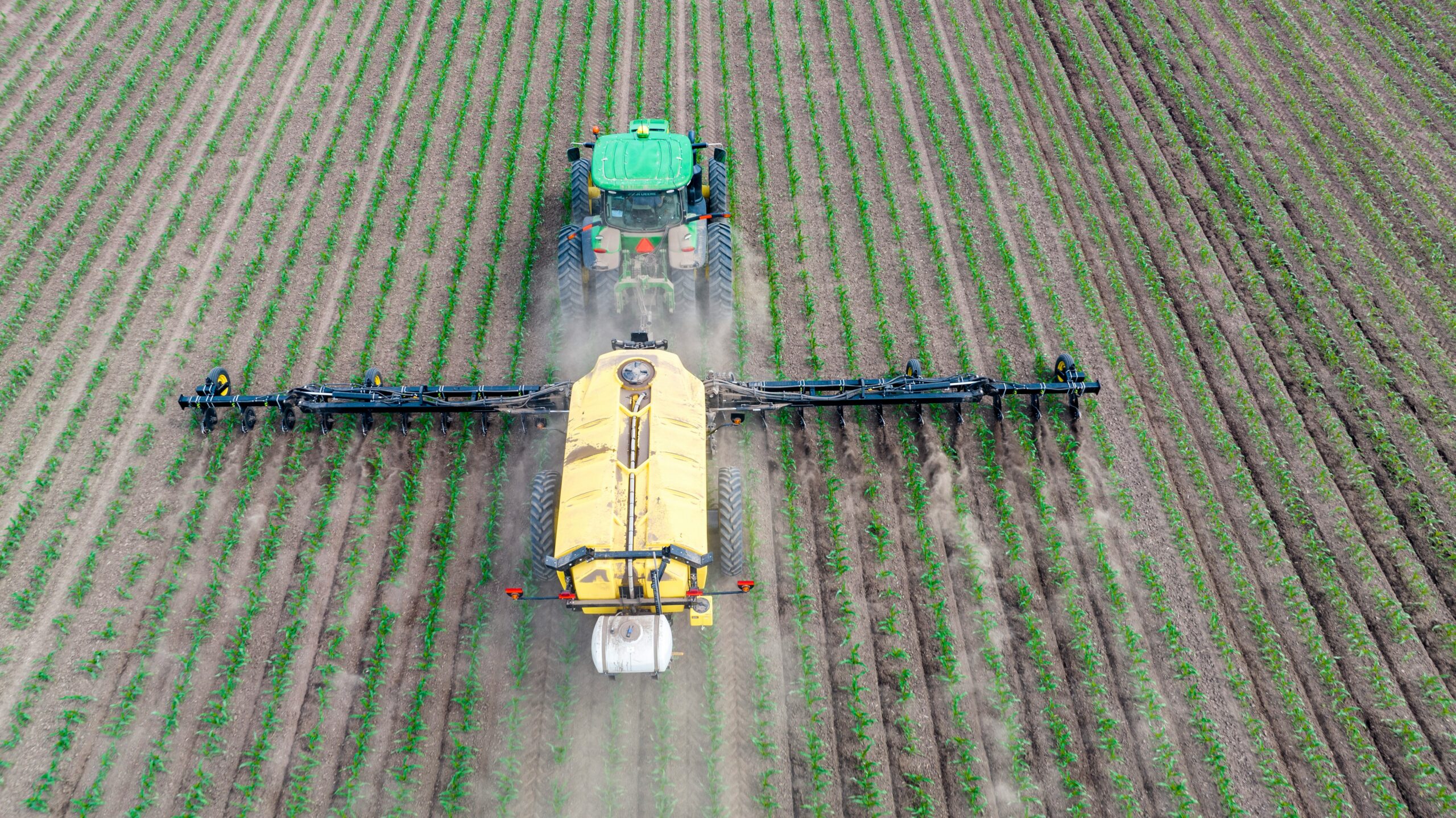
You stand at the precipice of understanding a force that has shaped your very existence, a silent, unseen architect of your world: fertilizer. It’s not just about a greener lawn or a bounteous harvest; its impact reverberates through the very fabric of human civilization, from the dawn of agriculture to the complexities of your modern societies. You might take it for granted, a white granular substance in a bag, but its story is intrinsically woven with your own journey.
You can trace the earliest whispers of humanity’s reliance on fertilizer back to the very beginnings of settled life. When you first transitioned from nomadic hunter-gatherers to those who tilled the soil, you encountered a fundamental challenge: the land, no matter how fertile, eventually yields its bounty and begins to falter. This realization was the genesis of your understanding that the soil needed replenishing.
The Humble Origins of Soil Enrichment
Think back to your ancestors, diligently tending their nascent farms. They observed the natural world. They saw how animal droppings enriched the soil, how decaying plant matter returned nutrients to the earth. This was your first conscious understanding of nutrient cycling. You learned to collect and spread animal manure, to incorporate crop residues back into the fields, and to rotate crops, allowing some to lie fallow and regenerate. These were the rudimentary, yet crucial, steps that laid the groundwork for all subsequent agricultural advancements.
- The Power of Observation: You, as a species, possess an innate capacity for observation. It was through this keen eye that you understood the correlation between the presence of organic matter and increased crop yields. This wasn’t scientific theory; it was practical, generational wisdom passed down through whispers and examples.
- Early Agricultural Innovations: The development of tools for cultivation, the understanding of irrigation, and the gradual refinement of planting techniques were all intertwined with the understanding that a healthy soil was paramount. Without effective ways to replenish it, your agricultural efforts would have been severely limited.
- The Limits of Organic Fertilizers: While effective, relying solely on organic sources presented significant challenges. The availability of manure was directly tied to livestock populations, and the transport of large quantities of organic matter was labor-intensive and geographically constrained. This meant that the potential for large-scale agriculture was inherently limited by the local availability of these resources.
The Industrial Revolution: A Paradigm Shift
The true revolution in fertilizer production, the one that irrevocably altered your civilization, arrived with the Industrial Revolution. The scientific discoveries and technological advancements of this era unlocked the potential to synthetically create and mass-produce fertilizers, liberating agriculture from the constraints of natural supply chains.
- The Birth of Chemical Fertilizers: You witnessed the emergence of chemists and engineers who began to understand the specific nutrient requirements of plants. This led to the isolation and synthesis of key elements like nitrogen, phosphorus, and potassium. The development of processes like the Haber-Bosch process for ammonia synthesis was a monumental leap, allowing for the production of nitrogen fertilizer on an industrial scale.
- Increased Efficiency and Scale: Suddenly, the limitations of manure and other organic sources seemed almost quaint. You could now manufacture vast quantities of fertilizer, precisely tailored to the needs of different crops and soils. This allowed you to cultivate far larger areas of land and to achieve yields that were previously unimaginable.
- The Dawn of Modern Agriculture: This shift wasn’t just about more food; it was about a fundamental change in how you organized your societies. Increased agricultural productivity meant you could feed a growing population, freeing up a larger portion of your workforce from direct food production. This, in turn, fueled urbanization and the growth of industries.
Fertilizer has played a pivotal role in transforming human civilization by significantly boosting agricultural productivity and supporting population growth. An insightful article that delves into this topic can be found at Freaky Science, where it explores the historical impact of fertilizers on farming practices and how they have shaped societies throughout the ages. This resource highlights the connection between enhanced crop yields and the development of urban centers, ultimately illustrating how fertilizers have been a cornerstone of modern civilization.
Feeding the World: The Fertilizer-Population Nexus
Perhaps the most profound and undeniable impact of fertilizer on human civilization lies in its direct relationship with your population growth. You have, in essence, learned to artificially amplify the Earth’s ability to sustain you.
The Population Boom: An Unprecedented Surge
Before the widespread adoption of synthetic fertilizers, your population grew at a relatively slow and consistent pace. Famines were a recurring and devastating reality, acting as a natural check on unchecked growth. The advent of readily available, affordable fertilizer changed this equation dramatically.
- Escalating Food Production: The ability to fertilize crops meant you could dramatically increase yields per acre. This surplus of food was the primary driver behind the unprecedented population boom that began in the 19th century and continues to this day. You were no longer solely beholden to the vagaries of weather and soil fertility.
- Mitigating Famine and Starvation: The specter of widespread famine, a constant companion for much of human history, began to recede in many parts of the world. Fertilizer provided a crucial buffer, ensuring that even in challenging years, you could produce enough food to sustain your burgeoning populations. This has had an immeasurable impact on human well-being and reduced immense suffering.
- The Green Revolution’s Debt: You owe a significant debt to fertilizer for the success of the Green Revolution. This period of agricultural advancement in the mid-20th century, which saw the development of high-yield crop varieties, was heavily reliant on the application of fertilizers to unlock their full potential. Without them, these revolutionary crops would have been far less impactful.
The Double-Edged Sword of Abundance
However, this extraordinary ability to feed more people comes with its own set of challenges. The very abundance that fertilizer has enabled has created new complexities and dependencies that you are still grappling with.
- Increased Dependence on Industrial Agriculture: Your modern food system is deeply intertwined with the use of synthetic fertilizers. You have become reliant on them to maintain current production levels, and any disruption to their supply chain or accessibility would have catastrophic consequences for global food security.
- Shifting Dietary Habits: The availability of affordable and abundant food has also influenced your dietary habits. While you have access to a wider variety of foods than ever before, this also comes with its own health implications, often linked to overconsumption and processed foods.
- The Economic Underpinnings of Food: The economic landscape of food production has been profoundly shaped by fertilizer. Its cost and availability significantly influence crop prices, farmer livelihoods, and the global trade of agricultural commodities.
Economic Transformation: From Subsistence to Global Markets

The impact of fertilizer extends far beyond the farm gate, fundamentally reshaping your global economy and the way you live and work.
The Rise of Agribusiness and Industrialization
The ability to produce food more efficiently and on a larger scale has been a catalyst for economic transformation. It has fueled the growth of entire industries and reshaped the global economic order.
- Specialization and Scale: With increased agricultural productivity, fewer people are needed to produce food. This has allowed for greater specialization in other sectors, driving the growth of manufacturing, technology, and services. You’ve moved from a primarily agrarian society to one driven by diverse industries.
- The Birth of Agribusiness: The fertilizer industry itself is a colossal economic force. The production, distribution, and sale of fertilizers represent a significant portion of the global economy, employing millions and generating billions in revenue. This has led to the rise of massive agribusiness corporations.
- Global Trade and Interdependence: Fertilizer has facilitated the global trade of agricultural products. Nations that can efficiently produce food can export it, while those that cannot can import it. This has created a complex web of economic interdependence, where disruptions in one region can have ripple effects worldwide.
The Shifting Landscape of Rural and Urban Life
The economic shifts driven by fertilizer have also had a profound impact on where and how you live.
- Urbanization: As mentioned, the freeing up of labor from agriculture has been a primary driver of urbanization. You’ve seen a mass migration from rural areas to cities in search of work and opportunity, leading to the growth of metropolises and new societal structures.
- The Modern Farmer: The role of the farmer has transformed. Today’s farmer is often a skilled manager of technology and inputs, relying on scientific knowledge and sophisticated equipment. They are integrated into a global market, influenced by commodity prices and international trade agreements.
- Economic Disparities: While fertilizer has brought prosperity to many, it has also, in some cases, exacerbated economic disparities. Smallholder farmers in developing nations may struggle to afford the inputs necessary to compete with large-scale operations, leading to consolidation and displacement.
Environmental Consequences: A Complex and Evolving Relationship

Your relationship with fertilizer, however, is not without its environmental costs. The very force that has sustained your civilization now presents you with significant ecological challenges.
The Nitrogen Cycle Disrupted
The most significant environmental impact of synthetic nitrogen fertilizers is the disruption of the natural nitrogen cycle. This essential nutrient, when applied in excess, can have far-reaching consequences.
- Eutrophication of Waterways: Excess nitrogen from agricultural runoff enters rivers, lakes, and oceans, fueling the rapid growth of algae. This phenomenon, known as eutrophication, depletes oxygen levels in the water, creating “dead zones” where aquatic life cannot survive. You’ve witnessed the devastating impact on marine ecosystems.
- Greenhouse Gas Emissions: The production of nitrogen fertilizer is an energy-intensive process that contributes to greenhouse gas emissions. Furthermore, the microbial breakdown of excess nitrogen in the soil can release nitrous oxide, a potent greenhouse gas, further contributing to climate change.
- Soil Acidification and Degradation: Continuous application of certain types of nitrogen fertilizers can lead to soil acidification over time. This can reduce the availability of other essential nutrients and negatively impact soil health, requiring further intervention and potentially leading to a downward spiral of degradation.
The Phosphorus Problem and Other Concerns
While nitrogen often garnishes the most attention, the use of phosphorus fertilizers also presents environmental concerns.
- Phosphorus Runoff and Algal Blooms: Similar to nitrogen, excess phosphorus runoff from agricultural fields can contribute to eutrophication and algal blooms in waterways. Unlike nitrogen, phosphorus is a finite resource, and its inefficient use is a cause for concern.
- Impact on Biodiversity: The altered nutrient balance in ecosystems due to excessive fertilizer use can have detrimental effects on biodiversity. Native plant species may be outcompeted by fast-growing, nutrient-loving weeds, and the entire food web can be disrupted.
- Water Quality Concerns: The presence of nitrates and phosphates in drinking water, often a result of agricultural runoff, can pose health risks, particularly to infants. This necessitates costly water treatment processes and raises concerns about public health.
The advent of fertilizer has had a profound impact on human civilization, revolutionizing agriculture and enabling populations to thrive. By enhancing soil fertility, fertilizers have allowed for increased crop yields, which in turn supported larger communities and urbanization. For a deeper understanding of this transformative effect, you can explore a related article that discusses the historical significance of fertilizers and their role in shaping societies throughout history. This insightful piece can be found here.
The Future of Fertilization: Towards Sustainability and Innovation
| Aspect | Impact |
|---|---|
| Agricultural Productivity | Increased crop yields leading to food security and surplus for trade |
| Population Growth | Supported larger populations by providing more food |
| Economic Development | Enabled the growth of agricultural industries and trade |
| Environmental Impact | Caused pollution and soil degradation if not used responsibly |
| Technological Advancements | Spurred innovation in fertilizer production and application methods |
As you stand here today, you are at a critical juncture. You understand the immense power of fertilizer and the significant challenges it presents. The question before you is not whether to use fertilizer, but how to use it more wisely, sustainably, and innovatively.
Precision Agriculture and Smart Farming
The future of fertilizer application lies in a more intelligent, targeted approach. You are moving away from broad-spectrum application towards methods that deliver nutrients precisely where and when they are needed.
- Sensor Technology and Data Analysis: You are developing sophisticated sensor technologies that can measure nutrient levels in the soil and in plants in real-time. This data, combined with advanced analytics, allows for precise application of fertilizers, minimizing waste and environmental impact.
- Variable Rate Application: This involves using GPS-guided machinery to apply different amounts of fertilizer to different parts of a field based on their specific needs. This ensures that no area is over- or under-fertilized, optimizing both yield and resource efficiency.
- Biological Fertilizers and Soil Health: You are exploring the potential of biological fertilizers, which utilize beneficial microorganisms to enhance nutrient availability and improve soil health. This represents a shift towards working with natural processes rather than solely relying on synthetic inputs.
Innovative Production and Resource Management
Beyond application, you are also seeking to innovate in the production and management of fertilizer resources.
- Circular Economy Approaches: You are looking at ways to recover and reuse nutrients from waste streams, such as sewage sludge and food waste. This closed-loop approach can reduce reliance on mined phosphorus and reduce the environmental burden of waste disposal.
- Renewable Energy in Production: The energy-intensive production of nitrogen fertilizer is a significant area for improvement. You are exploring the use of renewable energy sources to power these processes, reducing their carbon footprint.
- Policy and Education: Ultimately, sustainable fertilizer use will require a combination of technological innovation, sound policy, and widespread education. You need to empower farmers with the knowledge and tools to make informed decisions and to incentivize practices that prioritize both productivity and environmental stewardship.
Your journey with fertilizer is a testament to your ingenuity and your capacity to overcome challenges. It has been a force that has fundamentally reshaped your civilization, allowing you to multiply and thrive. Yet, it has also presented you with profound environmental responsibilities. As you look to the future, your ability to harness the power of fertilizer in a sustainable and responsible manner will be a defining factor in the continued success and well-being of your species and the planet you call home.

We Figured Out How to Turn Air Into Food
FAQs
What is fertilizer and how did it change human civilization?
Fertilizer is a substance added to soil to improve its ability to support plant growth. The use of fertilizer allowed for increased agricultural productivity, leading to larger and more reliable food supplies. This in turn allowed for the growth of human populations and the development of civilizations.
When was fertilizer first used in human civilization?
The use of fertilizer dates back to ancient civilizations such as the Sumerians, who used animal manure to improve soil fertility. However, the widespread use of synthetic fertilizers began in the 20th century with the development of industrial processes for producing ammonia-based fertilizers.
What are the different types of fertilizers and how do they work?
There are three main types of fertilizers: nitrogen, phosphorus, and potassium-based fertilizers. Nitrogen fertilizers promote leafy growth, phosphorus fertilizers support root and flower development, and potassium fertilizers aid in overall plant health and disease resistance. These fertilizers work by providing essential nutrients to plants that may be lacking in the soil.
What are the environmental impacts of fertilizer use?
While fertilizers have greatly increased agricultural productivity, their use can also have negative environmental impacts. Excessive fertilizer use can lead to nutrient runoff into waterways, causing algal blooms and harming aquatic ecosystems. Additionally, the production of synthetic fertilizers can contribute to greenhouse gas emissions and other forms of pollution.
How has the use of fertilizer impacted global food production?
The use of fertilizer has significantly increased global food production, allowing for the support of larger human populations. It has also enabled the intensification of agriculture, leading to higher crop yields and more efficient land use. However, the reliance on fertilizers has also raised concerns about soil degradation and the long-term sustainability of agricultural practices.