You stand on the precipice of a scientific revolution, a moment where chemistry, driven by an insatiable need, bends the very air around you to human will. You are about to unravel the story of Fritz Haber’s ammonia synthesis, a process that didn’t just change chemistry; it reshaped the world, for better and for worse. This isn’t a sterile recounting of reactions and catalysts; it’s a journey into the mind of a brilliant, yet complex, man, and the consequences that rippled outwards from his laboratory.
You feel it, don’t you? The gnawing, insistent pressure of a growing population. By the dawn of the 20th century, the world was teetering on the brink. For millennia, human sustenance had been tethered to the land, to the slow, cyclical rhythm of nature. But the industrial revolution was a relentless engine, churning out more people, demanding more food. The agricultural systems of the time, while advancing, couldn’t keep pace.
The Nitrogen Paradox: Essential Yet Elusive
The key nutrient that was becoming increasingly scarce was nitrogen. Your crops, your very life, depended on it. Nitrogen is a fundamental building block of proteins, the very stuff of life. Without it, plants wither and die. While the atmosphere above you, a vast ocean of nitrogen gas (N₂), seemed inexhaustible, it was also remarkably inert. That triple bond holding the two nitrogen atoms together was a formidable barrier, practically unbreakable by natural processes accessible to agriculture.
Legumes: Nature’s Humble Fixers
You know of nature’s clever solutions, of course. The humble legume, with its root nodules, hosted symbiotic bacteria that could “fix” atmospheric nitrogen, converting it into a usable form for plants. This natural cycle, however, was slow, geographically limited, and woefully insufficient for the burgeoning global demand. You were caught in a biological bottleneck, a stark reminder of nature’s constraints.
The Guano Crisis: A Glimpse of Scarcity
Perhaps you remember the historical accounts, the frantic searches for sources of nitrogen. The guano deposits, rich reserves of bird droppings, became a geopolitical prize for a time, fueling wars and colonial ambitions. But these were finite resources, geological footnotes in the face of a seemingly endless demand. The world was actively seeking a way to artificially break this natural lock.
The Haber-Bosch Process: The Alchemist’s Dream
And then, you encounter Fritz Haber. A chemist of extraordinary intellect and relentless drive, he was captivated by this problem. He wasn’t just interested in academic curiosity; he was driven by a profound sense of responsibility, a desire to alleviate the impending Malthusian crisis that loomed over humanity. He envisioned a world where the very air could be transformed into the fertilizer that would feed billions. This was not just chemistry; it was an act of defiance against natural limits.
Fritz Haber’s ammonia synthesis process revolutionized the production of fertilizers and has had a profound impact on agriculture and food production worldwide. For a deeper understanding of the scientific principles and historical significance behind this groundbreaking method, you can explore a related article that delves into the intricacies of Haber’s work and its implications. To read more, visit Freaky Science.
The Laboratory Crucible: The Birth of a Process
Step into Haber’s laboratory, or more accurately, the bustling, often dangerous, industrial research facilities that sprung up around his work. The air crackles with a mixture of scientific excitement and the acrid smell of chemical reactions. This was not a place for the faint of heart.
The Challenge: Breaking the Triple Bond
The core problem, as you understand it, was the incredible strength of the triple covalent bond in the nitrogen molecule (N₂). It required immense energy to break this bond and allow nitrogen to combine with hydrogen to form ammonia (NH₃). The reaction itself, N₂ + 3H₂ ⇌ 2NH₃, is thermodynamically favorable at lower temperatures, meaning it wants to happen. However, the kinetics, the speed at which it occurs, are agonizingly slow without significant energy input.
The Equilibrium Problem: A Tricky Balance
You learn about chemical equilibrium. At higher temperatures, the reaction proceeds faster, but the equilibrium shifts against the formation of ammonia. The more heat you apply, the more ammonia you get as a product, but then the equilibrium favors the reactants, nitrogen and hydrogen. It’s a maddening dance between speed and yield. Haber had to find a way to coax the reaction forward without pushing it back.
The Search for Catalysis: The Key to Efficiency
This is where the genius of catalysis comes into play. You understand that a catalyst is a substance that speeds up a chemical reaction without being consumed in the process. Haber’s quest for the right catalyst became a relentless pursuit.
Early Attempts: Disappointment and Persistence
Many early attempts involved common catalysts, but they proved insufficient. Iron oxides, for example, showed some promise but were quickly poisoned by impurities. The conditions required to break the nitrogen bond were so harsh that many catalysts simply wouldn’t survive. You can almost feel Haber’s frustration, the late nights, the repeated failures. But he persevered, driven by the vision of what this process could achieve.
The Breakthrough: Iron and its Allies
Finally, after countless experiments, you witness the breakthrough. Haber, working with his dedicated team, discovered that iron, activated by promoters like potassium and aluminum oxides, could effectively catalyze the reaction at moderately high temperatures and pressures. This was the turning point, the moment when the impossible started to become a reality.
The Conditions: High Pressure, High Temperature
But the catalyst alone wasn’t enough. To overcome the sluggish kinetics and achieve a commercially viable rate of ammonia production, you needed extreme conditions.
The Pressure Cooker: Hundreds of Atmospheres
You visualize the reaction vessel, a massive, reinforced steel cylinder, a veritable pressure cooker. Pressures of 150 to 250 atmospheres, even higher in some industrial applications, were necessary to force the nitrogen and hydrogen molecules close enough together and in the right orientation to react. Imagine the engineering challenges, the inherent dangers of working with such immense forces.
The Temperature Tightrope: A Delicate Balance
And the temperature, around 400-500 degrees Celsius. This was the narrow window where the catalyst was active enough, but the equilibrium still favored ammonia formation. It was a tightrope walk, a constant balancing act to optimize both speed and yield. You see the intricate systems of heat exchangers and compressors required to maintain these precise conditions.
From Lab Bench to Industrial Scale: Bosch’s Engineering Prowess
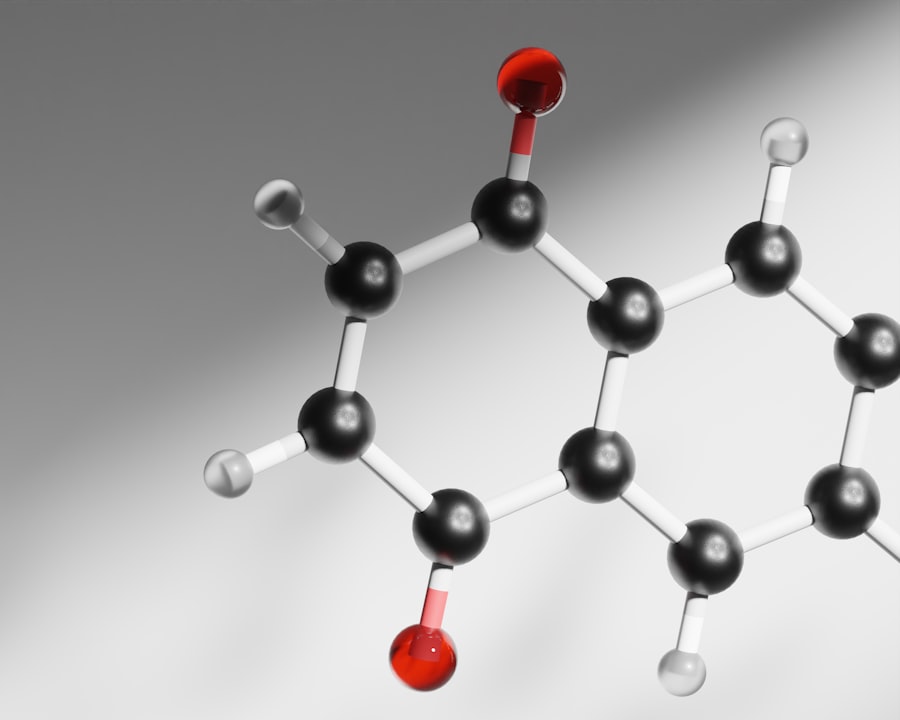
Haber’s laboratory success was a monumental achievement, but it was still a small-scale demonstration. To truly feed the world, the process needed to be scaled up, transformed from a laboratory curiosity into an industrial powerhouse. This is where Carl Bosch enters the narrative, a towering figure in industrial chemistry.
The Scaling Challenge: From Grams to Tonnes
You understand the inherent difficulties of scaling chemical processes. What works in a flask can behave entirely differently in a multi-ton reactor. Heat transfer, mixing, and the management of enormous quantities of reactants and products become exponentially more complex. Bosch, with his formidable engineering acumen, was the man for the job.
Material Science: Withstanding the Abuse
The materials needed to construct the high-pressure, high-temperature reactors were not readily available. Steel alloys had to be developed that could withstand the corrosive environment and the immense mechanical stress without failing. You imagine the painstaking research, the trial and error, the constant risk of catastrophic failure.
Continuous Process Design: The Engine of Efficiency
Bosch’s genius lay in designing a continuous flow process. Instead of batch reactions, where you load reactants, run the reaction, and then unload products, Bosch engineered a system where reactants were continuously fed into the reactor, and ammonia was continuously withdrawn. This maximized throughput and efficiency, transforming the process into a true industrial engine.
The Cost Factor: Making it Economically Viable
Even with the technical hurdles cleared, the process needed to be economically viable. Ammonia itself was not a particularly valuable commodity at the time. The cost of producing it had to be low enough for it to be a practical fertilizer.
Cheap Hydrogen: The Achilles’ Heel
One of the major cost drivers was the production of hydrogen. Initially, hydrogen was generated through the steam reforming of coal or natural gas, both processes that were energy-intensive and contributed to pollution. Finding a cheaper, more efficient way to produce hydrogen was crucial.
Energy Efficiency: Minimizing Waste
Bosch and his teams worked tirelessly to optimize every aspect of the process, minimizing energy waste through sophisticated heat recovery systems. The byproduct water, for example, could be used to generate steam, which in turn powered the compressors and pumps. This relentless pursuit of efficiency was key to making the Haber-Bosch process economically sustainable.
The Double-Edged Sword: Feeding the World and Fuelling War
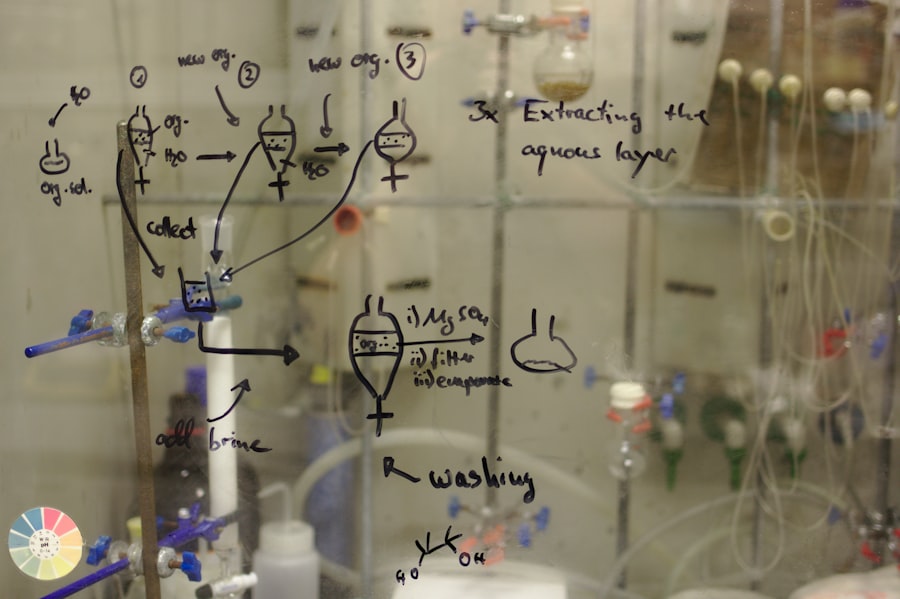
You stand back and survey the impact of this scientific marvel. On one hand, you see the triumph of human ingenuity. Billions of lives, once precarious, are now sustained by the bounty of artificially fertilized fields. Famine, a specter that haunted humanity for millennia, has been pushed back, its grip loosened by the steady supply of ammonia-based fertilizers.
The Green Revolution: A Harvest of Abundance
You witness the dawn of the Green Revolution. New, high-yield crop varieties, developed to take full advantage of abundant nitrogen, are cultivated on an unprecedented scale. The world’s food production explodes, transforming agricultural landscapes and enabling populations to continue to grow. You see the faces of people no longer defined by hunger, but by the possibility of a fuller life.
The Population Boom: A Sustained Expansion
And with that sustenance comes a demographic shift. The unchecked population growth that Haber and his contemporaries feared is, in part, enabled by his discovery. The ability to feed more people means more people are born and survive. You are living in a world shaped by this fundamental shift in carrying capacity.
The Darker Side: Ammonia in Warfare
But you cannot ignore the shadow that also falls from Haber’s work. The very process that fertilizes your fields can also be turned to destruction. Ammonia is a crucial precursor in the production of nitric acid, which, in turn, is a key ingredient in explosives.
Munitions Production: The Other Application
During World War I, Germany, cut off from natural nitrate sources by the Allied blockade, found itself in dire need of explosives. The Haber-Bosch process, originally conceived for agriculture, became a lifeline for the German war effort. Ammonia was converted into nitrates, fueling the production of munitions that rained down on the battlefields.
Haber’s Role in the War: A Troubled Legacy
You read about Fritz Haber himself. He was a fervent German patriot. While some scientists might have recoiled from such a dual-use application, Haber actively contributed to the war effort, leading chemical warfare research. His involvement in the development of poison gases, a terrifying new weapon, casts a dark and indelible stain on his legacy. You wrestle with the paradox of a man who sought to save lives through chemistry, yet also contributed to unprecedented destruction.
Fritz Haber’s groundbreaking work on ammonia synthesis has had a profound impact on modern agriculture and industry. For those interested in a deeper understanding of this topic, you can explore a related article that delves into the scientific principles and historical context of Haber’s achievements. This article provides valuable insights into how his innovations have shaped the way we produce fertilizers today. To read more, visit this link.
Unraveling the Ethical Quagmire: Responsibility and Consequences
| Aspect | Details |
|---|---|
| Discovery | Discovered by Fritz Haber in 1909 |
| Importance | Revolutionized agriculture by enabling large-scale production of fertilizers |
| Process | Combines nitrogen and hydrogen under high pressure and temperature using iron catalyst |
| Impact | Significantly increased food production and population growth |
| Controversy | Controversial due to its use in chemical warfare during World War I |
You are now confronted with the complex ethical implications of scientific advancement. Haber’s ammonia synthesis is a prime example of how a groundbreaking discovery, born of noble intentions, can have profoundly ambivalent consequences.
The Morality of Dual-Use Technology
You contemplate the inherent nature of dual-use technology. The same scientific principles that can be used for healing can also be used for harming. Where does the responsibility of the scientist lie? Is it solely with the discovery, or does it extend to the foreseeable and unforeseeable applications of that discovery?
The Scientist’s Dilemma: Intent vs. Outcome
Haber’s intent was to feed the world. The outcome, however, included its role in fueling a devastating war. You ponder whether Haber could have, or should have, foreseen the military applications and acted to mitigate them. This is a question that continues to resonate in scientific communities today.
The Burden of Progress: Unintended Consequences
You realize that progress is rarely a simple, unblemished march forward. Every technological leap, every scientific breakthrough, carries with it the potential for unintended consequences. The Haber-Bosch process is a stark reminder that humanity’s capacity for creation is often mirrored by its capacity for destruction.
The Interconnectedness of Science and Society
You see the profound interconnectedness of science and society. Scientific discoveries do not exist in a vacuum. They are shaped by the needs, desires, and conflicts of the societies in which they emerge. The pressures of a growing population and the brutal realities of war directly influenced the trajectory of Haber’s work.
The Enduring Legacy: A World Sustained and Transformed
As you step away from the intricacies of the Haber-Bosch process, you are left with a profound understanding of its enduring legacy. You have unraveled the story, and it’s a story that continues to unfold in the world around you.
The Cornerstone of Modern Agriculture
You understand that the vast majority of the world’s food production today relies on synthetic nitrogen fertilizers, made possible by the Haber-Bosch process. Without it, the current global population simply could not be sustained. You are living in a world that is, quite literally, built upon this chemical foundation.
Environmental Ramifications: The Other Side of the Coin
However, you cannot ignore the environmental consequences. The overuse and inefficient application of synthetic fertilizers have led to significant environmental problems, including eutrophication of waterways, greenhouse gas emissions from fertilizer production and use, and soil degradation. This is the ongoing challenge, the need to manage and mitigate the downsides of this essential process.
The Price of Progress: A Constant Negotiation
You have come to appreciate that scientific progress is a continuous negotiation between benefit and risk, between creation and destruction. Fritz Haber’s ammonia synthesis is a testament to human ingenuity, a powerful tool that has both sustained and threatened humanity. You are a product of its legacy, living in a world where the air you breathe can be transformed to nourish you, but also, sadly, to destroy. The story of Fritz Haber’s ammonia synthesis is not just a chapter in a chemistry textbook; it is a critical part of your own story, a constant reminder of the power and responsibility that comes with understanding and manipulating the fundamental forces of nature.

We Figured Out How to Turn Air Into Food
FAQs
What is Fritz Haber ammonia synthesis?
Fritz Haber ammonia synthesis is a chemical process developed by German chemist Fritz Haber in 1909. It involves the production of ammonia from nitrogen and hydrogen gases, using an iron catalyst at high pressure and temperature.
Why is Fritz Haber’s ammonia synthesis important?
Fritz Haber’s ammonia synthesis is important because it revolutionized the production of fertilizers and played a crucial role in the development of modern agriculture. The process allowed for the large-scale production of ammonia, which is a key component in the manufacturing of fertilizers.
How does Fritz Haber’s ammonia synthesis work?
Fritz Haber’s ammonia synthesis works by combining nitrogen and hydrogen gases in the presence of an iron catalyst at high pressure and temperature. This process results in the formation of ammonia, which can then be used in the production of fertilizers.
What are the applications of Fritz Haber’s ammonia synthesis?
The applications of Fritz Haber’s ammonia synthesis are primarily in the production of fertilizers, which are essential for modern agriculture. The process also has applications in the production of various chemicals and materials, such as plastics and explosives.
What is the significance of Fritz Haber’s work in the field of chemistry?
Fritz Haber’s work in the field of chemistry, particularly his development of the ammonia synthesis process, has had a profound impact on agriculture, industry, and the global economy. His work earned him the Nobel Prize in Chemistry in 1918.