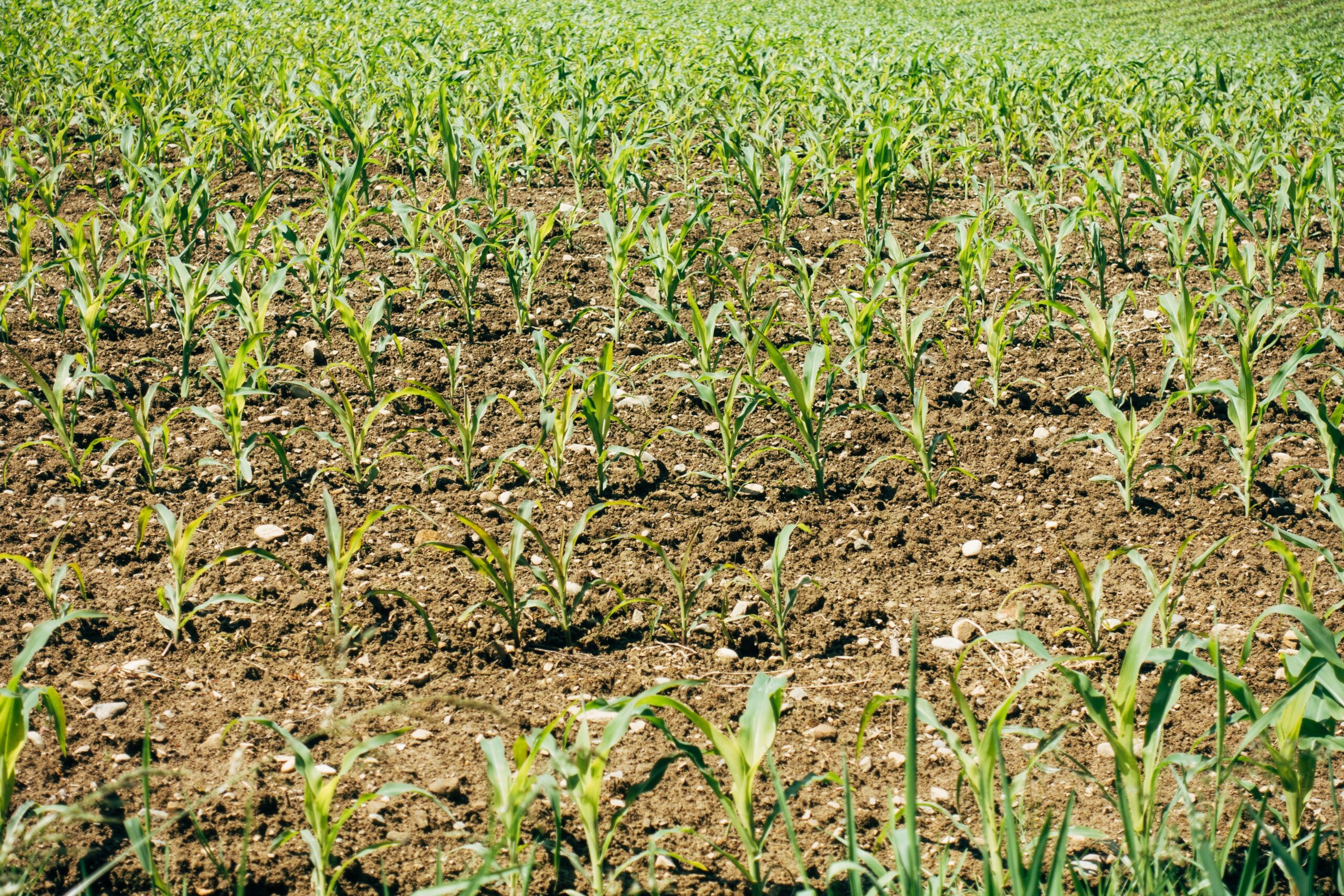
You stand at the precipice of a world forever altered. Before you, a seemingly simple transformation unfolds, a process so fundamental it reshaped the very fabric of human existence and the planet we inhabit. This is the story of the Haber-Bosch process, a triumph of human ingenuity that unlocked the secrets of nitrogen, a vital element locked away in the air you breathe, and brought it to your fields. It’s a revolution born from scientific curiosity, forged in the fires of necessity, and ultimately, a testament to the power of chemistry to feed billions.
You know nitrogen is everywhere. It makes up roughly 78% of the air that fills your lungs with every breath. It’s a building block of life, a key component of proteins and nucleic acids that make you, you. Yet, despite its ubiquity, this elemental nitrogen, in its diatomic form (N₂), is remarkably inert. Imagine a locked vault, overflowing with a precious resource, but with a ridiculously strong lock. That’s N₂. Its two nitrogen atoms are held together by a triple covalent bond, one of the strongest chemical bonds known. This bond requires an immense amount of energy to break, making direct conversion of atmospheric nitrogen into a usable form for plants a monumental challenge.
The Essential Nutrient: Why Plants Crave Nitrogen
For centuries, farmers understood that healthy crops needed something from the soil – a vital ingredient that replenished its fertility. They observed that certain practices, like crop rotation with legumes (plants with root nodules containing nitrogen-fixing bacteria), improved yields. They even discovered the power of manure and other organic matter, all sources of nitrogen. But the fundamental question remained: where did this nitrogen truly come from, and how could it be replenished on a scale that could match a growing global population? Plants, in their intricate biological dance, can’t directly harness the abundant N₂ from the atmosphere. They need nitrogen in more reactive forms, primarily ammonia (NH₃) or nitrates (NO₃⁻).
The Limitations of Natural Nitrogen Fixation
Nature, in its own slow and deliberate way, has mechanisms for breaking that formidable N₂ bond. Lightning strikes, with their immense electrical energy, can spontaneously convert atmospheric nitrogen into nitrogen oxides, which then dissolve in rainwater as nitric acid, eventually reaching the soil. Furthermore, a select group of microorganisms, known as diazotrophs, possess the remarkable ability to convert atmospheric nitrogen into ammonia through a complex enzymatic process. These nitrogen-fixing bacteria, often found in symbiotic relationships with legumes, have been the silent benefactors of agriculture for millennia. However, these natural processes are inherently slow, localized, and insufficient to meet the escalating demands of modern agriculture. As your population grew, relying solely on these natural cycles became increasingly untenable.
The Dawn of Industrial Agriculture: A Hunger for Output
The Industrial Revolution, which began to transform your societies in the 18th and 19th centuries, brought with it a new paradigm: efficiency and scale. This drive for optimization inevitably turned towards agriculture. The ability to produce more food, more reliably, became paramount. As your understanding of plant physiology advanced, the critical role of nitrogen became undeniable. Yet, the traditional methods of nitrogen replenishment were simply not enough. The limited availability of natural fertilizers, the labor-intensive nature of their collection and distribution, and the unpredictable yields all pointed towards a pressing need for a radical solution. You were entering an era where the Malthusian prophecy – the idea that population growth would outstrip food production – loomed large.
The Haber-Bosch process is a crucial method for synthesizing ammonia, which is a key component in the production of fertilizers. For those interested in exploring the broader implications of this process on agriculture and food production, you can read a related article that delves into the advancements and challenges in fertilizer technology. This article provides insights into how the Haber-Bosch process has revolutionized farming practices and its impact on global food security. For more information, visit this link.
The Spark of Genius: Fritz Haber’s Breakthrough
Enter Fritz Haber. A brilliant, driven chemist, Haber was captivated by the challenge of artificial nitrogen fixation. The scientific community had long recognized the potential of ammonia as a fertilizer, but the energy barrier presented by N₂ proved a formidable obstacle. Haber, however, was not easily deterred. He envisioned a process that could force the reaction between nitrogen and hydrogen to produce ammonia, even though the thermodynamics initially seemed unfavorable at lower temperatures where the reaction would be faster. His approach was audacious: use high pressures and temperatures to overcome the kinetic limitations and drive the equilibrium towards ammonia formation.
The Quest for Conditions: Pressure and Temperature
Haber’s laboratory work was a painstaking endeavor. He experimented with various catalysts, substances that speed up chemical reactions without being consumed themselves, to find one that could facilitate the synthesis of ammonia. He explored different pressure and temperature regimes, meticulously analyzing the yield of ammonia at each stage. It was a process of trial and error, of pushing the boundaries of what was thought possible. The breakthrough came when he discovered that using iron as a catalyst, combined with high temperatures (around 400-500°C) and extremely high pressures (around 200-250 atmospheres), could yield a significant amount of ammonia. This was a monumental achievement, transforming a theoretical possibility into a tangible chemical reality.
The Equation: A Dance of Atoms
The core of Haber’s discovery is elegantly captured by a simple chemical equation:
N₂ (g) + 3H₂ (g) ⇌ 2NH₃ (g)
This equation represents the reversible reaction between gaseous nitrogen (N₂) and gaseous hydrogen (H₂) to form gaseous ammonia (NH₃). The double arrow (⇌) signifies that the reaction can proceed in both directions – ammonia can be synthesized from nitrogen and hydrogen, and ammonia can decompose back into nitrogen and hydrogen. Haber’s genius lay in finding the conditions that shifted this equilibrium heavily to the right, favoring the production of ammonia. The high pressure favors the side with fewer moles of gas (2 moles of NH₃ versus 4 moles of N₂ + H₂), driving the reaction forward. The high temperature, while thermodynamically unfavorable for ammonia formation, was necessary to overcome the activation energy barrier and achieve a reasonable reaction rate. The catalyst, typically iron-based, provided an alternative reaction pathway with lower activation energy, allowing the reaction to proceed efficiently under these harsh conditions.
Carl Bosch’s Industrialization: Scaling Up the Dream
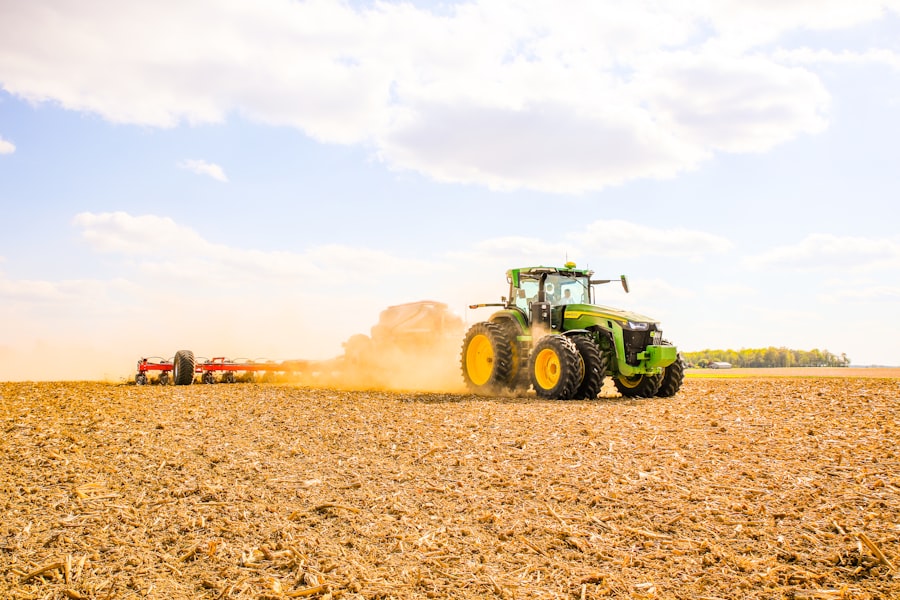
While Fritz Haber had proven the feasibility of synthesizing ammonia in the laboratory, scaling up his process to industrial levels presented a whole new set of formidable engineering challenges. This is where Carl Bosch, a brilliant chemical engineer, entered the picture. He recognized the immense potential of Haber’s discovery but also the practical hurdles in translating a lab-scale reaction into a massive industrial operation. The high pressures and temperatures required posed significant risks and demanded entirely new types of equipment.
The Engineering Gauntlet: Overcoming the Practicalities
Bosch’s task was to design and build reactors that could withstand the extreme conditions without failing. Traditional laboratory glassware was out of the question. He needed robust, high-pressure vessels capable of containing the explosive mixture of hydrogen and nitrogen at hundreds of degrees Celsius. This involved developing specialized metallurgy, advanced welding techniques, and sophisticated control systems. The process of purifying the reactants – ensuring they were free of impurities that could poison the catalyst – was also a critical aspect of Bosch’s work. He had to devise efficient methods for separating the ammonia produced from the unreacted nitrogen and hydrogen, which could then be recycled back into the process.
The Catalyst’s Challenge: Longevity and Efficiency
The catalyst, a crucial component of the Haber-Bosch process, also presented its own set of challenges. Haber’s initial iron catalyst was effective, but its longevity and susceptibility to poisoning by impurities needed to be addressed for continuous industrial operation. Bosch and his team worked tirelessly to develop more robust and efficient catalysts, often incorporating promoters like potassium and aluminum oxides to enhance their activity and lifespan. The development of these improved catalysts was as critical as the engineering of the reactors themselves, ensuring the economic viability of the process.
The First Industrial Plant: A Monumental Achievement
The culmination of their efforts was the construction of the first full-scale Haber-Bosch plant in Oppau, Germany, in 1913. This was a truly monumental achievement, a testament to human ingenuity and perseverance. Imagine the sheer scale of the endeavor: massive furnaces, intricate pipework, and towering distillation columns, all operating under immense pressure and heat. The successful operation of this plant marked a turning point in human history, as it demonstrated that humanity could, for the first time, artificially produce nitrogen fertilizer on an industrial scale. This was no longer a laboratory curiosity; it was a pathway to feeding the world.
The Global Impact: A World Transformed
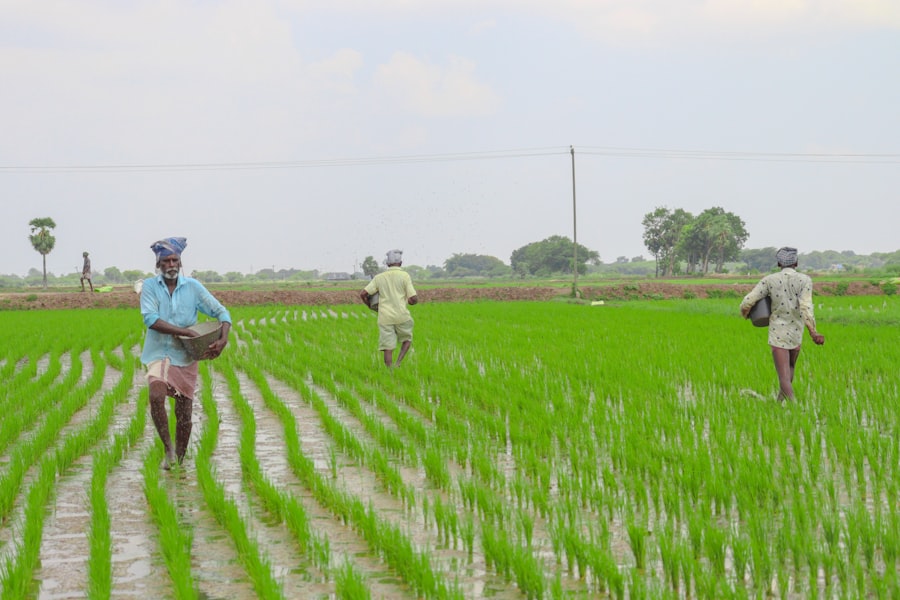
The Haber-Bosch process didn’t just revolutionize fertilizer production; it fundamentally reshaped the world. Its implications rippled outwards, impacting agriculture, population growth, economics, and even geopolitics. The ability to produce abundant and affordable nitrogen fertilizer unleashed a wave of agricultural productivity that had never been witnessed before.
Feeding the Billions: The Agricultural Revolution
The most direct and profound impact was on food production. With access to synthetic nitrogen fertilizer, farmers could dramatically increase crop yields. Lands that were once marginal became fertile, and existing farmlands produced significantly more food per acre. This surge in agricultural output was crucial in supporting the rapidly growing global population. Without the Haber-Bosch process, it’s estimated that the Earth’s carrying capacity would have been significantly lower, and widespread famine would have been a far more common and devastating reality. Your diets became more varied, and the specter of mass starvation, a constant threat for much of human history, receded.
The Green Revolution: A Legacy of Abundance
The Haber-Bosch process was a foundational element of the Green Revolution in the mid-20th century. This period saw the widespread adoption of high-yielding crop varieties, improved irrigation techniques, and the extensive use of synthetic fertilizers and pesticides. The combination of these technologies led to unprecedented increases in food production, particularly in developing countries, averting widespread famine and significantly improving the lives of millions. You owe a great deal of your current global food security to this technological synergy, with Haber-Bosch fertilizer as its central pillar.
Population Boom: A Double-Edged Sword
The increased food availability directly contributed to a dramatic increase in global population. With fewer people succumbing to starvation and malnutrition, birth rates remained high, leading to a demographic explosion. While this brought about new opportunities and advancements, it also presented new challenges, including increased demand on resources, environmental strain, and the need for continued innovation in food production and resource management. The Haber-Bosch process, in essence, enabled humanity to overcome a major natural constraint on its growth, leading to the population levels you see today.
The Haber Bosch process is a critical method for synthesizing ammonia, which plays a vital role in the production of fertilizers that support global agriculture. For those interested in exploring the science behind this process and its impact on food production, a related article can be found at Freaky Science. This resource delves into the intricacies of chemical reactions involved in fertilizer production, highlighting the importance of ammonia in enhancing crop yields and ensuring food security worldwide.
The Darker Side: Environmental and Societal Consequences
| Aspect | Details |
|---|---|
| Process Name | Haber Bosch Process |
| Year of Invention | 1913 |
| Key Components | Nitrogen and Hydrogen |
| Importance | Production of ammonia for fertilizer |
| Impact | Revolutionized agriculture and food production |
No revolution comes without its complexities, and the Haber-Bosch process is no exception. While its benefits are undeniable, its widespread adoption has also brought about significant environmental and societal challenges that you are still grappling with.
Environmental Footprint: The Cost of Abundance
The energy-intensive nature of the Haber-Bosch process is a major concern. It relies heavily on natural gas as a source of hydrogen, a fossil fuel, contributing to greenhouse gas emissions and climate change. Furthermore, the over-application and inefficient use of nitrogen fertilizers in agriculture have led to significant environmental degradation.
Eutrophication: A Murky Problem
When excess nitrogen fertilizer is applied to fields, it doesn’t all get absorbed by the crops. Rainwater washes the excess nitrates and ammonia into rivers, lakes, and coastal waters. This influx of nitrogen acts as a pollutant, fueling the excessive growth of algae and aquatic plants. When these organisms die and decompose, they consume large amounts of dissolved oxygen in the water, creating “dead zones” where fish and other aquatic life cannot survive. This process, known as eutrophication, is a widespread environmental problem, impacting ecosystems worldwide.
Nitrous Oxide Emissions: A Potent Greenhouse Gas
Another significant environmental consequence is the release of nitrous oxide (N₂O), a potent greenhouse gas, from agricultural soils. Soil microorganisms convert some of the applied nitrogen into N₂O, which has a warming potential approximately 300 times greater than carbon dioxide over a 100-year period. The Haber-Bosch process, by providing the substrate for these microbial processes, indirectly contributes to increased N₂O emissions, exacerbating the problem of climate change.
The Nitrogen Cycle Disrupted: A Delicate Balance Upset
The Haber-Bosch process has more than doubled the amount of reactive nitrogen circulating in the Earth’s biosphere compared to pre-industrial levels. This massive influx of industrially fixed nitrogen has overwhelmed natural biogeochemical cycles. The delicate balance that nature has maintained for millennia has been disrupted, leading to a cascade of unintended consequences, from changes in biodiversity to impacts on atmospheric chemistry. You are essentially injecting a massive amount of reactive nitrogen into a system that was not designed to handle it at this scale.
The Future of Nitrogen: Towards Sustainable Solutions
As you look to the future, the Haber-Bosch process remains indispensable for global food security. However, the environmental challenges it presents necessitate a search for more sustainable alternatives and practices. The quest for innovation continues, building upon the legacy of Haber and Bosch while striving to mitigate the unintended consequences.
Greener Production Methods: Reducing the Energy Footprint
Researchers are actively exploring ways to make the Haber-Bosch process more energy-efficient and less reliant on fossil fuels. This includes investigating the use of renewable energy sources to power the process, developing new catalysts that operate at lower temperatures and pressures, and exploring alternative methods for hydrogen production, such as electrolysis powered by renewable electricity.
Electrocatalysis and Photocatalysis: Harnessing New Energies
Emerging technologies like electrocatalysis and photocatalysis offer exciting possibilities. Electrocatalysis uses electrical energy to drive the nitrogen fixation reaction, potentially powered by solar or wind energy. Photocatalysis utilizes light energy to facilitate the conversion of nitrogen and water into ammonia. While still in their early stages of development, these approaches hold the promise of a significantly greener future for ammonia production.
Precision Agriculture and Nutrient Management: Using What You Need
Beyond production, optimizing the use of existing fertilizers is crucial. Precision agriculture techniques, which involve using sensors, GPS technology, and data analysis to apply fertilizers only where and when they are needed, can significantly reduce the amount of fertilizer used and minimize environmental runoff. Improved soil management practices, crop breeding for increased nitrogen use efficiency, and the development of slow-release fertilizers are also key components of a more sustainable approach.
Biological Nitrogen Fixation: Learning from Nature
Revisiting and enhancing natural processes is also a vital avenue. This includes research into improving the efficiency of symbiotic nitrogen-fixing bacteria in legumes and exploring genetically engineered crops that can fix their own nitrogen, reducing the reliance on external fertilizer inputs altogether. You are constantly learning from nature’s ingenious solutions.
A Continued Legacy: Balancing Needs and Responsibilities
The Haber-Bosch process stands as a monument to human ingenuity, a process that undeniably saved millions from starvation and enabled unprecedented population growth. Yet, its story is also a cautionary tale, highlighting the interconnectedness of human actions and the environment. As you continue to rely on its output, you are also tasked with the responsibility of mitigating its negative impacts and forging a future where food security and environmental sustainability go hand in hand. The legacy of Haber and Bosch is one of immense power, and it is now your duty to wield that power wisely, ensuring a healthy planet for generations to come.

We Figured Out How to Turn Air Into Food
FAQs
What is the Haber Bosch process?
The Haber Bosch process is a chemical reaction that combines nitrogen from the air with hydrogen derived mainly from natural gas into ammonia. This process was developed in the early 20th century and is a crucial step in the production of fertilizers.
How does the Haber Bosch process contribute to fertilizer production?
The ammonia produced through the Haber Bosch process is a key component in the production of nitrogen-based fertilizers. These fertilizers are essential for promoting plant growth and increasing crop yields in agriculture.
What are the environmental impacts of the Haber Bosch process?
The Haber Bosch process requires a significant amount of energy, mainly in the form of natural gas, and also produces greenhouse gas emissions. The process has been associated with environmental concerns such as air and water pollution, as well as contributing to climate change.
What are the benefits of the Haber Bosch process in agriculture?
The Haber Bosch process has revolutionized agriculture by making it possible to produce large quantities of synthetic fertilizers. This has helped to increase food production and support the growing global population.
Are there any alternatives to the Haber Bosch process for fertilizer production?
There are ongoing efforts to develop alternative methods for producing fertilizers that are more environmentally sustainable. These include techniques such as biological nitrogen fixation and the use of renewable energy sources for ammonia production.