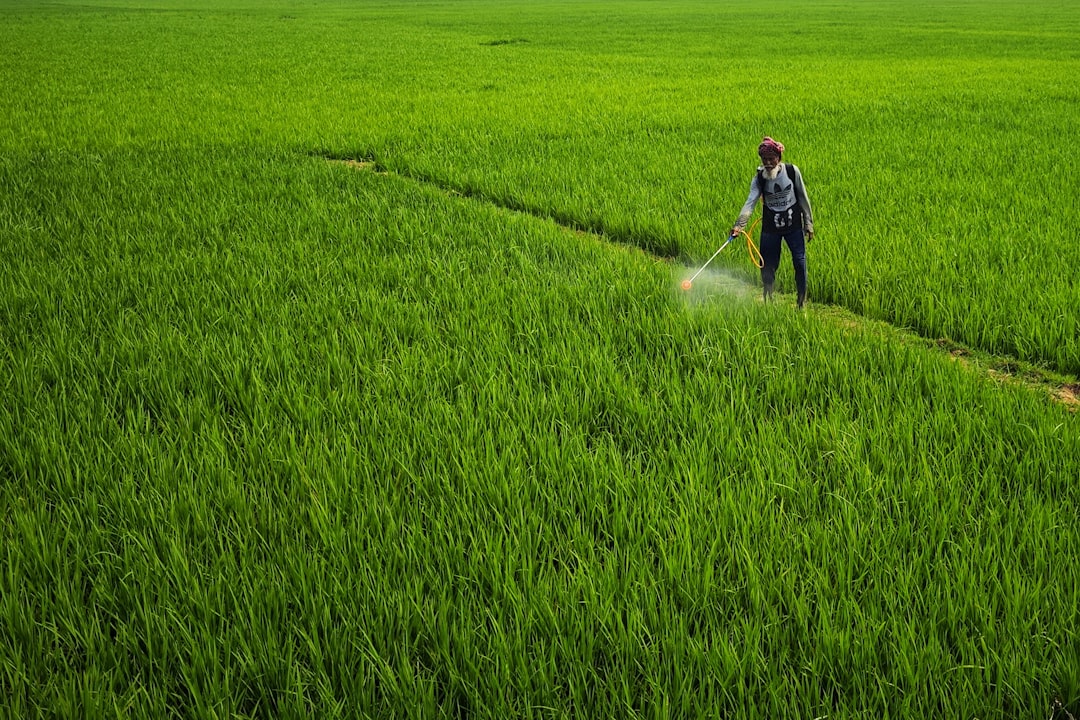
You’re likely familiar with fertilizer. It’s that bag or granule you spread on your lawn or garden to make plants grow bigger and greener. But have you ever stopped to consider the bigger picture – the impact of all that fertilizer on the environment? Specifically, the widespread use of nitrogen fertilizer, a cornerstone of modern agriculture, has profound and often detrimental consequences for our planet. You might think it’s just about healthier crops, but the ripple effects extend far beyond your backyard.
Nitrogen is an essential nutrient for plant growth. It’s a fundamental building block of proteins, nucleic acids (like DNA and RNA), and chlorophyll, the pigment that allows plants to capture sunlight for photosynthesis. Without sufficient nitrogen, plants would struggle to develop, leading to stunted growth, yellowing leaves, and reduced yields. Historically, farmers relied on natural methods to replenish soil nitrogen, such as:
Crop Rotation and Legumes
For centuries, farmers understood the power of crop rotation. Planting legumes, like beans, peas, and clover, in a field for a season or two was a natural way to enrich the soil. These plants have a symbiotic relationship with specific soil bacteria that can convert atmospheric nitrogen into a form usable by plants. This process, known as nitrogen fixation, effectively fertilizes the soil for future crops.
Manure and Organic Matter
The use of animal manure and the incorporation of crop residues back into the soil were also vital practices. These organic materials decompose over time, releasing essential nutrients, including nitrogen, in a slow and steady manner, benefiting soil health and plant growth.
The Rise of Synthetic Nitrogen Fertilizers
The advent of the Haber-Bosch process in the early 20th century revolutionized agriculture. This industrial process artificially synthesizes ammonia from nitrogen gas in the atmosphere and hydrogen gas. Ammonia is then converted into various nitrogen fertilizers, such as urea, ammonium nitrate, and ammonium sulfate. This innovation provided an almost limitless supply of nitrogen, allowing for unprecedented crop yields and supporting a rapidly growing global population. The ease of application and the immediate boost in plant growth made synthetic nitrogen fertilizers incredibly popular. You can see the impact everywhere – from vast commercial farms to the small bag of fertilizer you might buy at a garden center.
The environmental impact of nitrogen fertilizers has become a pressing concern in recent years, as excessive use can lead to water pollution and contribute to climate change. A related article that delves deeper into this topic is available at Freaky Science, where you can explore the various effects of nitrogen runoff on ecosystems and the potential solutions to mitigate these issues.
The Nitrogen Cycle: A Delicate Balance Disrupted
The Earth has a natural nitrogen cycle, a complex biogeochemical process where nitrogen is constantly being converted between its various forms in the atmosphere, soil, and living organisms. This cycle is crucial for maintaining a healthy ecosystem. However, the excessive input of synthetic nitrogen fertilizers has dramatically altered this delicate balance, leading to a cascade of environmental problems.
Nitrogen Fixation: Natural vs. Industrial
Nature fixes nitrogen through biological processes (like those in legumes) and atmospheric events like lightning. These processes are relatively slow and in equilibrium with the rate at which nitrogen is removed from the soil. The Haber-Bosch process, however, is a highly energy-intensive industrial process that injects vast quantities of nitrogen into the soil at an unnatural rate.
Nitrification and Denitrification: The Unintended Consequences
Once applied to the soil, nitrogen fertilizers undergo various transformations. Nitrifying bacteria convert ammonium (a form of nitrogen) into nitrates. While plants readily absorb nitrates, they are also highly mobile in soil and can be easily leached out. Conversely, under waterlogged conditions, denitrifying bacteria can convert nitrates back into nitrogen gas, which is released into the atmosphere. While this is a natural part of the cycle, excessive fertilizer use can lead to increased denitrification and the release of other potent greenhouse gases.
The Problem of Excess Nitrogen
The fundamental issue with synthetic nitrogen fertilizer is that often more is applied than plants can immediately utilize. This surplus nitrogen doesn’t just disappear. It lingers in the environment, waiting to be transported or transformed. This excess is the root cause of many of the environmental problems associated with nitrogen fertilizer.
Environmental Impacts on Water Quality

One of the most significant and widely recognized environmental impacts of nitrogen fertilizer is its effect on water quality. The excess nitrogen that isn’t absorbed by plants can easily enter our waterways, with devastating consequences.
Eutrophication: The Green Tide of Algae
When nitrogen-rich agricultural runoff enters rivers, lakes, and coastal waters, it acts as a powerful fertilizer for aquatic plants and algae. This leads to rapid and excessive algal blooms. While it might sound like more greenery is good, these blooms have detrimental effects.
Algal Blooms: A Double-Edged Sword
Initially, the blooms appear to increase aquatic plant life. However, as the algae multiply at an unsustainable rate, they eventually die. The decomposition of this massive amount of organic matter by bacteria consumes large amounts of dissolved oxygen in the water.
Oxygen Depletion and Dead Zones
This depletion of oxygen creates hypoxic or anoxic conditions, often referred to as “dead zones.” Fish, shellfish, and other aquatic organisms cannot survive in these oxygen-starved environments. This leads to widespread fish kills and a drastic reduction in biodiversity. The Gulf of Mexico, for example, has a persistent dead zone fueled by agricultural runoff from the Mississippi River basin, a significant portion of which originates from fertilizer use.
Groundwater Contamination
Nitrates, a highly soluble form of nitrogen, are particularly prone to leaching through the soil profile. If they reach groundwater, they can contaminate drinking water sources. High levels of nitrates in drinking water are a serious health concern for humans, especially infants.
Methemoglobinemia (Blue Baby Syndrome)
Ingesting water with elevated nitrate levels can interfere with the oxygen-carrying capacity of a baby’s blood, a condition known as methemoglobinemia or “blue baby syndrome.” This can be fatal if left untreated.
Long-Term Health Effects
While the immediate danger to infants is well-documented, there are ongoing concerns and research into the potential long-term health effects of chronic exposure to nitrates in drinking water for adults, including links to certain types of cancer.
Impact on Aquatic Ecosystems and Biodiversity
Beyond dead zones, the excess nitrogen alters the entire aquatic food web. It favors the growth of certain algae species over others, disrupting the natural balance. This can lead to a decline in the populations of desirable fish species and an increase in less desirable ones. The overall biodiversity of freshwater and marine ecosystems is significantly diminished.
Environmental Impacts on Air Quality and Climate Change

The effects of nitrogen fertilizer aren’t confined to water. The transformations of nitrogen in the soil also contribute to air pollution and climate change.
Nitrous Oxide (N2O) Emissions: A Potent Greenhouse Gas
As mentioned earlier, denitrification, a process that can be exacerbated by excessive nitrogen fertilizer use, releases nitrous oxide (N2O) into the atmosphere. N2O is a powerful greenhouse gas, with a global warming potential approximately 298 times greater than that of carbon dioxide over a 100-year period.
The Agricultural Contribution to Greenhouse Gases
Agriculture is a significant source of anthropogenic N2O emissions, with synthetic fertilizer application being a primary driver. This contributes to the overall warming of the planet and its associated climate change impacts, such as rising sea levels, more extreme weather events, and disruptions to ecosystems.
Ammonia Volatilization: A Double Whammy
When nitrogen fertilizers, particularly urea, are applied to the soil surface, a portion of the nitrogen can be lost to the atmosphere as ammonia gas (NH3). This process is called ammonia volatilization.
Formation of Particulate Matter
Once in the atmosphere, ammonia can react with other pollutants, such as sulfur dioxide and nitrogen oxides, to form fine particulate matter (PM2.5). These fine particles are a major air pollutant, contributing to respiratory problems, cardiovascular disease, and premature death in humans. They also reduce visibility and can negatively impact plant health.
Acid Rain and Ecosystem Damage
Ammonia can also be deposited back onto land and water, contributing to acidification of soils and surface waters. This can harm sensitive ecosystems, damage forests, and impact the health of aquatic life.
The environmental impact of nitrogen fertilizers has become a pressing concern in recent years, as their excessive use can lead to issues such as water pollution and biodiversity loss. For a deeper understanding of this topic, you can explore a related article that discusses the consequences of nitrogen runoff and its effects on aquatic ecosystems. This insightful piece sheds light on the broader implications of agricultural practices and highlights the need for sustainable alternatives. To read more about this important issue, visit this article.
Environmental Impacts on Soil Health and Biodiversity
| Environmental Impact | Metric |
|---|---|
| Greenhouse Gas Emissions | kg CO2 equivalent per kg of nitrogen fertilizer |
| Eutrophication | kg of nitrogen released per kg of nitrogen fertilizer |
| Acidification | kg of sulfur dioxide equivalent per kg of nitrogen fertilizer |
| Energy Use | MJ per kg of nitrogen fertilizer |
While nitrogen fertilizers are intended to boost plant growth, their overuse can paradoxically degrade soil health and reduce terrestrial biodiversity.
Soil Acidification
Certain nitrogen fertilizers, particularly ammonium-based ones, can lead to soil acidification over time. As these fertilizers break down in the soil, they can release hydrogen ions, increasing the acidity of the soil.
Impact on Nutrient Availability
Acidic soils can become less hospitable to beneficial soil microbes and can also reduce the availability of essential nutrients for plants, paradoxically leading to nutrient deficiencies that might require further fertilizer application, creating a vicious cycle.
Damage to Soil Microbes
Soil microbes are vital for nutrient cycling, decomposition, and soil structure. Increased acidity can harm these organisms, disrupting the complex web of life within the soil.
Reduced Soil Biodiversity
The intense focus on providing readily available nitrogen for plant uptake can inadvertently suppress the natural nitrogen-fixing capabilities of soil microbes. When plants are constantly fed nitrogen from external sources, they may not need to invest energy in supporting symbiotic relationships with nitrogen-fixing bacteria. This can lead to a decline in the diversity of soil microbial communities.
Increased Susceptibility to Pests and Diseases
Healthy soil with a diverse microbial community contributes to plant resilience against pests and diseases. By disrupting this microbial balance, the overuse of nitrogen fertilizer can make plants more susceptible to problems, sometimes leading to a reliance on pesticides, which have their own set of environmental concerns.
Moving Towards Sustainable Nitrogen Management
Recognizing the extensive environmental impacts of nitrogen fertilizer is the first step. The next is implementing strategies for more sustainable nitrogen management. This requires a shift in thinking and practice, moving away from simply maximizing yields to optimizing nutrient use efficiency and minimizing environmental losses.
Precision Agriculture and Site-Specific Application
Precision agriculture techniques, utilizing GPS, sensors, and data analysis, allow farmers to apply fertilizers precisely where and when they are needed. This means applying the right amount of nitrogen to the right area of the field, rather than a blanket application.
Variable Rate Technology (VRT)
VRT allows for customized application rates across a field based on soil nutrient levels, crop needs, and yield potential. This minimizes over-application in some areas and under-application in others.
Soil Testing and Plant Tissue Analysis
Regular soil testing and plant tissue analysis provide crucial data to inform fertilizer application decisions, ensuring that only the necessary amount of nitrogen is applied.
Improved Fertilizer Formulations and Application Methods
Innovations in fertilizer technology are also contributing to more efficient nitrogen use.
Slow-Release Fertilizers
These fertilizers are designed to release nitrogen gradually over time, matching the plant’s uptake rate more closely and reducing the risk of leaching or volatilization.
Enhanced Efficiency Fertilizers (EEFs)
EEFs include inhibitors that slow down the processes of nitrification or urease activity, thereby reducing N2O emissions and ammonia volatilization.
Deep Banding and Injection
Applying fertilizer below the soil surface, through methods like deep banding or injection, can reduce volatilization and improve nutrient availability to plant roots.
Integrating Organic and Inorganic Nitrogen Sources
A balanced approach that combines synthetic fertilizers with organic sources can be highly beneficial.
Composting and Manure Management
Properly managed compost and animal manure can provide a slow-release source of nutrients, improve soil structure, and enhance soil microbial activity.
Cover Cropping and Green Manures
Planting cover crops, particularly legumes, can naturally replenish soil nitrogen and improve soil health, reducing the reliance on synthetic fertilizers.
Policy and Education
Government policies and educational initiatives play a critical role in promoting sustainable nitrogen management.
Incentives for Sustainable Practices
Providing financial incentives for farmers who adopt practices that reduce nitrogen losses can encourage widespread adoption.
Research and Development
Continued investment in research and development for new technologies and best practices in nitrogen management is essential.
Farmer Training and Extension Services
Effective extension services are crucial for disseminating knowledge and best practices to farmers, empowering them to make informed decisions about nitrogen fertilizer use.
You have the power to make a difference. By understanding the environmental impact of nitrogen fertilizer, you can support practices and policies that promote its sustainable use. Whether you are a gardener, a homeowner, or simply a concerned citizen, your awareness and choices contribute to a healthier planet.
We Figured Out How to Turn Air Into Food
FAQs
What is nitrogen fertilizer?
Nitrogen fertilizer is a type of fertilizer that contains nitrogen, which is an essential nutrient for plant growth. It is commonly used in agriculture to improve crop yield and quality.
How does nitrogen fertilizer impact the environment?
Nitrogen fertilizer can have several negative impacts on the environment, including contributing to air and water pollution, disrupting natural ecosystems, and contributing to greenhouse gas emissions.
What are the specific environmental concerns associated with nitrogen fertilizer use?
Specific environmental concerns associated with nitrogen fertilizer use include eutrophication of water bodies, acidification of soil and water, and the release of nitrous oxide, a potent greenhouse gas.
What are some ways to mitigate the environmental impact of nitrogen fertilizer?
Some ways to mitigate the environmental impact of nitrogen fertilizer include using precision agriculture techniques to apply fertilizer more efficiently, incorporating cover crops and crop rotation to reduce the need for fertilizer, and using alternative sources of nitrogen such as organic fertilizers.
What are the regulations and policies in place to address the environmental impact of nitrogen fertilizer?
Regulations and policies to address the environmental impact of nitrogen fertilizer vary by region, but may include restrictions on fertilizer application rates, requirements for nutrient management plans, and incentives for adopting sustainable agricultural practices.