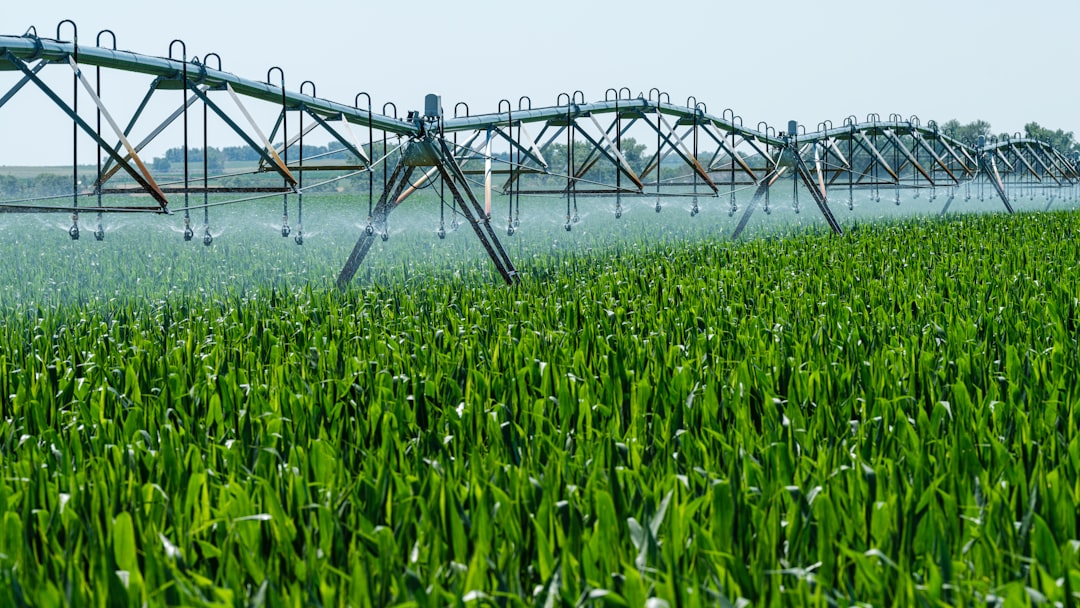
You’re standing on the edge of a vast, shimmering expanse – the Gulf of Mexico. It’s a place of vibrant life, teeming with countless species, a cornerstone of your food supply, and a vital ecosystem. But beneath that seemingly serene surface, a silent crisis is unfolding, one that you, through your actions, are directly contributing to. You’ve likely heard whispers of the “Dead Zone,” a stark and unsettling reality that is slowly, insidiously, strangling the life out of this magnificent body of water. This isn’t a distant, abstract problem; it’s a consequence of how you manage your land, cultivate your crops, and even the choices you make as a consumer. Understanding fertilizer runoff and its devastating impact on the Gulf of Mexico Dead Zone is no longer optional; it’s a crucial step towards safeguarding your future and the health of our planet.
You might be a farmer, a gardener, or simply someone who enjoys the convenience of readily available food. Whatever your connection to the land, it’s highly probable that fertilizer plays a role, either directly or indirectly, in your life. Fertilizers, those nutrient-rich compounds designed to boost plant growth and agricultural yields, are indispensable in modern food production. You’ve likely applied them to your own gardens, seen them spread across vast agricultural fields, or benefited from the increased productivity they enable. Nitrogen and phosphorus, the primary culprits in this ecological drama, are essential for healthy plant development. They fuel photosynthesis, build proteins, and ultimately, allow crops to flourish, feeding you and a growing global population.
The Promise and Peril of Essential Nutrients
You understand the fundamental need for these nutrients. Without them, your crops would be stunted, yields would plummet, and food security would be a serious concern. You’ve invested in fertilizers, trusting in their ability to deliver healthy, bountiful harvests. You’ve seen the results – greener leaves, stronger stems, and plump fruits and vegetables. This is the promise of fertilizer. However, this promise comes with a significant caveat, a hidden cost that often goes unnoticed until it’s too late. The very nutrients you meticulously apply to your land possess a dual nature, capable of both fostering life and suffocating it.
The Domino Effect: When Nutrients Overstay Their Welcome
The problem arises not from the use of fertilizer itself, but from its excessive and improper application. You might be over-applying, unaware of the precise needs of your soil and crops, or perhaps you’re relying on outdated recommendations. The rain that falls, the irrigation systems you employ – these are all forces that can carry away more than just water. When fertilizer isn’t fully absorbed by the plants or isn’t incorporated into the soil effectively, it becomes vulnerable to the natural forces of erosion and drainage. Think of it as a spilled drink; it doesn’t just stay put; it spreads. This is precisely what happens with excess fertilizer.
Rainfall: The Unintentional Conveyor Belt
You experience rainfall as a natural cleansing, a source of life for your plants. But for the excess fertilizer lingering on the surface of your fields, rain acts as a powerful conveyor belt. Each raindrop, each downpour, washes away tiny particles of soil and dissolved nutrients. This runoff doesn’t simply disappear. It flows, often imperceptibly at first, into ditches, streams, and eventually, the larger rivers that snake across your landscape. You might witness the muddying of local waterways after a storm, a visible sign of soil erosion, but the dissolved nutrients are largely invisible, making their journey even more insidious.
Irrigation: A Double-Edged Sword
Similarly, your irrigation systems, while crucial for sustained agriculture, can also contribute to nutrient loss. When you apply water to your fields, especially if the soil is already saturated or if the application is too rapid, water can carry away dissolved fertilizer components. This is particularly true for soluble fertilizers, which readily dissolve in water and are easily transported. You aim to quench your crops’ thirst, but in doing so, you might also be inadvertently sending a cargo of nutrients on an unintended voyage.
Fertilizer runoff has become a significant environmental issue, contributing to the formation of the dead zone in the Gulf of Mexico, where oxygen levels are too low to support marine life. This phenomenon is primarily driven by agricultural practices that lead to nutrient pollution, which can have devastating effects on aquatic ecosystems. For a deeper understanding of the implications of fertilizer runoff and its impact on marine environments, you can read a related article at Freaky Science.
The Mississippi’s Mighty March: A River of Nutrients
The vast majority of fertilizer runoff from the heartland of the United States finds its ultimate destination in the Gulf of Mexico. This journey is orchestrated by the mighty Mississippi River and its tributaries, a sprawling network that acts as the primary conduit for agricultural and urban pollution. You might live hundreds or even thousands of miles from the Gulf, but your fertilizer choices and land management practices have a direct and undeniable link to this distant coast.
Following the Water: From Farm to Gulf
Imagine the intricate web of waterways: small creeks feeding into larger streams, streams merging into rivers, and ultimately, all roads leading to the Mississippi. Your local farm drainage ditch, your city’s storm drains – they all contribute to this grand river system. As the water flows, it carries with it not only soil particles but also the dissolved nitrates and phosphates that have been washed from agricultural lands, suburban lawns, and even industrial areas. This continuous influx of nutrients forms a silent, unseen current, relentlessly pushing towards the Gulf.
The Cumulative Impact: A Network of Pollution
It’s not just your individual farm or your neighborhood that contributes. The problem is cumulative. Across the vast agricultural regions of the Midwest, from the cornfields of Iowa to the soybean farms of Illinois, these nutrient loads are amplified. Each acre, each farm, each community adds its share to the collective burden. This distributed yet amplified pollution creates a powerful and sustained flow of nutrients, a testament to the interconnectedness of your actions and the health of distant ecosystems. You might feel your contribution is small, but when combined with millions of others, the impact becomes monumental.
The Gulf’s Algal Bloom: A Verdant Tide of Destruction
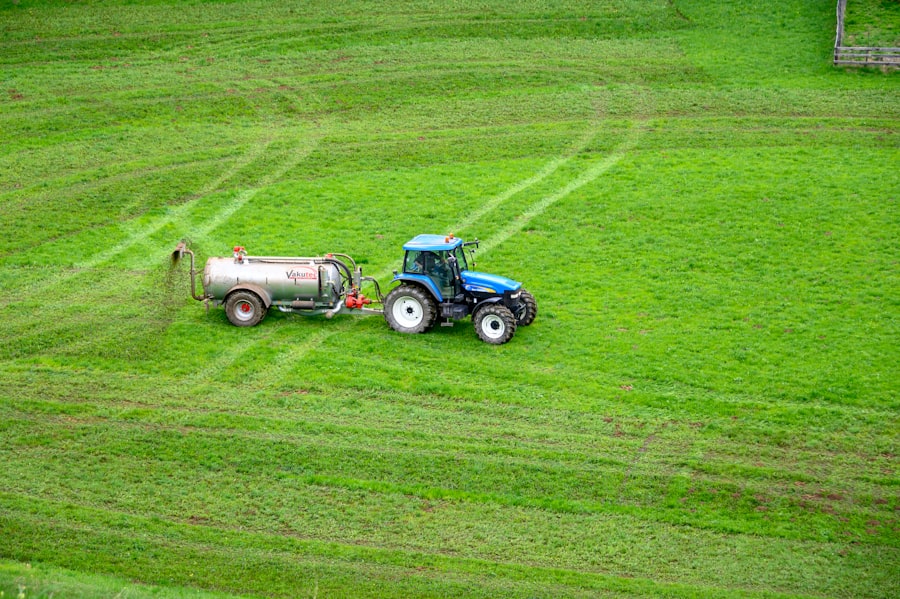
Upon reaching the Gulf of Mexico, these nutrient-rich waters encounter a unique environment. The relatively calmer waters of the Gulf, coupled with ample sunlight, create the perfect conditions for an explosion of algal growth – an algal bloom. You might have seen photos of vibrant green or red tides in coastal areas, often dismissed as a natural phenomenon. However, the scale and intensity of these blooms in the Gulf are a direct consequence of the excess nutrients you’ve been sending its way.
The Fertilizer’s Feast: Fueling Algal Proliferation
Think of the nitrogen and phosphorus as a gourmet meal for algae. These single-celled organisms, present naturally in the water, suddenly find themselves with an abundance of food. They reproduce at an astonishing rate, multiplying exponentially and forming dense mats on the surface of the water. This is the “bloom.” You might witness a visible change in the water’s color, a thick green or brown layer that obscures what lies beneath. This is not a sign of a healthy, vibrant ecosystem; it’s a symptom of an overwhelming influx of artificial sustenance.
Not All Blooms Are Created Equal: The Toxic Threat
While some algal blooms are harmless, others are caused by species that produce potent toxins. These “harmful algal blooms” (HABs) can have devastating consequences for marine life and even human health. You might hear of beach closures due to the presence of toxins or reports of fish kills. These are direct indicators of the toxic potential within these seemingly natural blooms, a consequence of the nutrient imbalance you’ve helped create.
The Oxygen Depletion: Suffocation Beneath the Surface
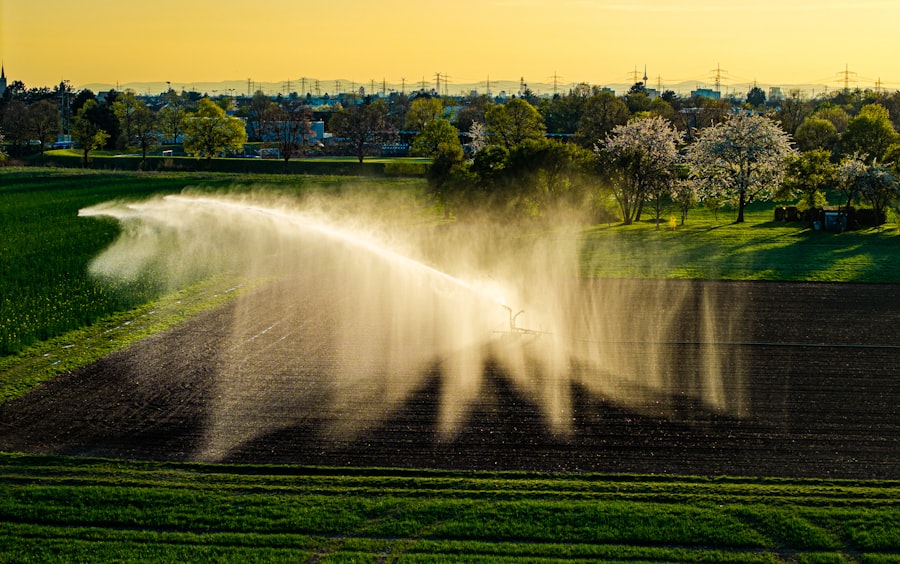
The algal bloom, while visually striking, is only the beginning of the ecological disaster. The true crisis unfolds when these algae die. As the bloom exhausts its nutrient supply or reaches the end of its life cycle, the vast quantities of dead algae begin to sink to the bottom of the Gulf. This is where the real trouble begins, a process that leads to the formation of the infamous “Dead Zone.”
The Microbial Scavengers: Nature’s Cleanup Crew at Work
Beneath the surface, a relentless army of bacteria and other microorganisms gets to work, consuming the decaying algal matter. This decomposition process is natural and essential for nutrient cycling. However, when the sheer volume of dead algae is overwhelming, this bacterial activity intensifies dramatically. These microbes require oxygen to break down the organic material.
The Silent Drain: Consuming the Lifeblood of the Gulf
The massive decomposition effort undertaken by these microbes creates an enormous demand for dissolved oxygen in the water. They literally consume the oxygen at an alarming rate, drawing it down from the water column. You might not see this happening, but beneath the surface, a desperate struggle for survival is underway. This is the “hypoxia” – the state of critically low oxygen levels.
Fertilizer runoff is a significant contributor to the Gulf of Mexico dead zone, where excessive nutrients lead to harmful algal blooms and depleted oxygen levels, creating a challenging environment for marine life. For a deeper understanding of the science behind this issue, you can explore a related article that delves into the causes and consequences of nutrient pollution. This informative piece can be found at Freaky Science, where it discusses the broader implications of agricultural practices on our ecosystems.
The Dead Zone: A Lifeless Expanse
| Year | Area of Dead Zone (square miles) | Source |
|---|---|---|
| 2015 | 5,052 | NOAA |
| 2016 | 6,776 | NOAA |
| 2017 | 8,776 | NOAA |
| 2018 | 7,829 | NOAA |
| 2019 | 6,952 | NOAA |
When the dissolved oxygen levels in the Gulf drop below a critical threshold, the waters become inhospitable to most marine life. This area of severely depleted oxygen is what you know as the Dead Zone. It’s a stark testament to the power of unchecked nutrient pollution and the delicate balance of aquatic ecosystems.
The Mass Exodus: Creatures Fleeing the Low-Oxygen Zones
Fish, shrimp, crabs, and other mobile marine organisms, sensing the suffocating conditions, attempt to flee the oxygen-depleted areas. They move towards regions with higher oxygen levels, seeking refuge. You might observe unusual concentrations of marine life in certain areas or a noticeable absence in others, a direct consequence of this mass migration driven by the Dead Zone.
The Unfortunate Victims: Those Who Cannot Escape
However, not all marine life can escape. Sessile organisms like oysters, clams, and sea anemones are rooted in place and cannot move. Bottom-dwelling species, such as certain types of fish and invertebrates, may also be trapped as the oxygen depletion spreads. These creatures are slowly suffocated, their lives extinguished by the lack of breathable oxygen. This is the grim reality of the Dead Zone – a vast expanse where life struggles to persist.
The Economic and Ecological Fallout: A Ripple Effect
The consequences of the Dead Zone extend far beyond the immediate death of marine organisms. Your livelihoods, tied to the bounty of the Gulf, are directly threatened. Fisheries collapse as fish stocks diminish. The tourism industry suffers as beaches become less appealing due to algal blooms and dead marine life. The entire food web is disrupted, with cascading effects that can take years, if not decades, to recover from. You are not just impacting the environment; you are impacting your own economic stability and the future of coastal communities.
Your Role in the Solution: Cultivating a Healthier Future
The situation might seem dire, but the good news is that you are not powerless. The Dead Zone is a problem that you, collectively and individually, have the ability to address. Your choices, your practices, and your advocacy can all contribute to reversing this devastating trend and restoring the health of the Gulf of Mexico.
Rethinking Your Agricultural Practices: Precision and Prevention
If you are involved in agriculture, you have a critical role to play. Embracing modern, sustainable farming techniques is paramount. This means moving beyond the “more is better” approach to fertilizer application.
Nutrient Management Plans: The Science of Smart Application
You can implement comprehensive nutrient management plans. These plans involve soil testing to determine the precise nutrient needs of your crops, minimizing the risk of over-application. They also consider the timing and method of fertilizer application, ensuring that nutrients are available to plants when they need them most and are less vulnerable to being washed away. Precision agriculture technologies, such as GPS-guided spreaders, allow for targeted application, delivering fertilizer only where and when it is needed.
Cover Cropping and Crop Rotation: Nature’s Own Fertilizers
You can also explore practices like cover cropping and crop rotation. Cover crops are planted to protect the soil and prevent erosion during off-seasons. Many cover crops, particularly legumes, can fix atmospheric nitrogen into the soil, naturally enriching it and reducing the need for synthetic fertilizers. Crop rotation, the practice of planting different crops in succession on the same land, can also improve soil health and nutrient cycling, further reducing reliance on external inputs.
Buffer Strips and Wetlands: Natural Filters
Establishing buffer strips of vegetation along waterways and restoring wetlands are also highly effective strategies. These natural filters act as barriers, intercepting runoff before it reaches rivers and streams. The vegetation traps sediment and absorbs excess nutrients, preventing them from entering the aquatic ecosystem. You are essentially creating natural sponges that protect the water quality.
Urban and Suburban Solutions: Every Lawn Counts
Your role doesn’t end with large-scale agriculture. Every homeowner, every suburban dweller, has a part to play.
Lawn Care with a Conscience: Less is More
If you maintain a lawn, you can make a difference by being mindful of your fertilizer use. Over-fertilizing your lawn, especially before heavy rains, is a significant contributor to nutrient runoff. Consider reducing the frequency and amount of fertilizer you apply. Opt for slow-release fertilizers that feed your lawn gradually, minimizing the risk of excess nutrients being washed away. Many municipalities now have regulations or recommendations regarding fertilizer use; familiarize yourself with them.
Green Infrastructure: Managing Stormwater Naturally
You can also embrace green infrastructure in your urban and suburban environments. Permeable pavements, rain gardens, and green roofs all help to absorb and filter stormwater, reducing the amount of polluted runoff that enters waterways. These initiatives not only help with nutrient management but also improve the overall water quality of your local environment.
Consumer Choices: The Power of Your Dollar
Even your daily consumer choices have an impact.
Supporting Sustainable Agriculture: The Ripple Effect of Your Purchases
By choosing to support farmers who practice sustainable agriculture, you send a clear message to the market. Look for certifications or labels that indicate environmentally friendly farming practices. Your purchasing power can drive demand for products that are produced with a lower environmental footprint, encouraging more farmers to adopt these beneficial techniques.
Reducing Food Waste: A Cycle of Conservation
Reducing food waste is another crucial step. When you waste food, you are essentially wasting all the resources that went into producing it, including the water and fertilizer used. By consuming what you purchase and supporting initiatives to reduce food waste, you lessen the overall demand for agricultural production, indirectly reducing the pressure on ecosystems.
Advocacy and Awareness: Amplifying Your Voice
Finally, you have the power to advocate for change.
Educating Yourself and Others: Spreading the Word
Educate yourself and those around you about the issue of fertilizer runoff and the Gulf of Mexico Dead Zone. Share information, engage in conversations, and raise awareness within your community. The more people understand the problem, the greater the collective will to find solutions.
Supporting Policy and Legislation: Driving Systemic Change
Support policies and legislation that promote sustainable agricultural practices, regulate fertilizer use, and invest in water quality protection. Your voice, when joined with others, can influence lawmakers and drive the systemic changes needed to address this complex environmental challenge.
You are an integral part of the ecosystem. The health of the Gulf of Mexico is inextricably linked to your actions, your choices, and your commitment to a healthier planet. By understanding the journey of fertilizer runoff, acknowledging its devastating consequences, and embracing your role in the solution, you can help to ensure that the Gulf of Mexico remains a vibrant, life-sustaining expanse for generations to come.

We Figured Out How to Turn Air Into Food
FAQs
What is fertilizer runoff and how does it contribute to the Gulf of Mexico dead zone?
Fertilizer runoff occurs when excess nutrients from fertilizers used in agriculture are washed into water bodies, such as rivers and streams, and eventually make their way to the Gulf of Mexico. These nutrients, particularly nitrogen and phosphorus, fuel the growth of algae in the Gulf, leading to the formation of a dead zone where oxygen levels are too low to support marine life.
What are the environmental impacts of the Gulf of Mexico dead zone?
The Gulf of Mexico dead zone has significant environmental impacts, including the loss of marine life and disruption of the ecosystem. Fish, shrimp, and other marine organisms either die or are forced to migrate to areas with higher oxygen levels, leading to a decline in biodiversity and economic losses for the fishing industry.
How can fertilizer runoff be reduced to mitigate the Gulf of Mexico dead zone?
To reduce fertilizer runoff and mitigate the Gulf of Mexico dead zone, agricultural best management practices can be implemented. These practices include precision application of fertilizers, cover cropping, buffer strips, and conservation tillage to minimize nutrient loss from agricultural fields. Additionally, implementing wetlands and other natural filters can help trap and remove excess nutrients before they reach water bodies.
What role do government regulations play in addressing fertilizer runoff and the Gulf of Mexico dead zone?
Government regulations, such as the Clean Water Act and state-level nutrient management strategies, play a crucial role in addressing fertilizer runoff and the Gulf of Mexico dead zone. These regulations set limits on nutrient pollution, promote the use of best management practices, and support research and monitoring efforts to track progress in reducing nutrient runoff.
What are some alternative approaches to fertilization that can help reduce nutrient runoff into the Gulf of Mexico?
Alternative approaches to fertilization, such as using slow-release fertilizers, organic fertilizers, and precision agriculture techniques, can help reduce nutrient runoff into the Gulf of Mexico. These approaches aim to provide crops with the necessary nutrients while minimizing excess nutrients that can leach into water bodies and contribute to the formation of dead zones.