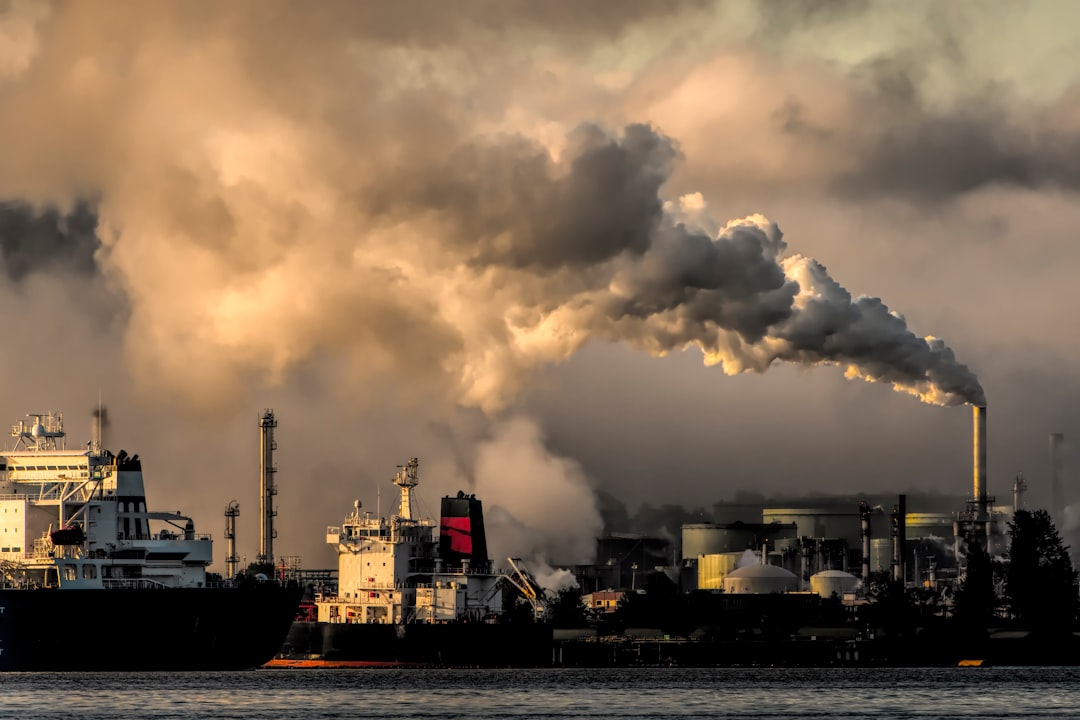
You stand on the Gulf Coast, the salty air a familiar kiss on your skin, the rhythmic crash of waves a constant soundtrack to your life. You see the shrimp boats bobbing on the horizon, the families enjoying the beaches, the vibrant ecosystems teeming with life. This is your Gulf, and it’s beautiful. But beneath the shimmering surface, a silent crisis is unfolding, a crisis you are inextricably linked to: nitrogen pollution.
You may not see it directly, the invisible tide of excess nitrogen that flows from your farms, your cities, and your waterways, but its impact is undeniable, and it’s threatening the very essence of this magnificent region. This article is for you, to help you understand the problem, its far-reaching consequences, and most importantly, what you can do to be a part of the solution.
You’ve probably heard the term “nitrogen pollution” tossed around, perhaps in environmental reports or news segments. But what does it truly mean for your Gulf? At its core, nitrogen pollution refers to the excessive input of nitrogen into aquatic ecosystems. Nitrogen is a naturally occurring element, essential for life, found in the air, soil, and water. It’s a building block for proteins and DNA, a vital nutrient for plants. However, when human activities dramatically increase the amount of nitrogen entering our waters, it disrupts the delicate balance of these environments.
Where Does All This Nitrogen Come From?
You might be surprised to learn the diverse sources that contribute to this pervasive problem. It’s not a single culprit, but a complex web of human activities that, over time, have significantly altered natural nitrogen cycles.
Agricultural Runoff: The Biggest Contributor
You might live miles inland, but your actions, or the actions of those who produce your food, have a direct impact on the Gulf. Agriculture, particularly in the Mississippi River Basin, is a colossal source of nitrogen pollution.
Fertilizers on Your Fields
The fertilizers you apply to your crops, to ensure a bountiful harvest and to feed yourself and others, are often nitrogen-rich. While essential for plant growth, not all of this nitrogen is absorbed by the crops. Rainwater washes the excess nitrogen from the soil into streams, rivers, and eventually, the mighty Mississippi. You might think of it as a necessary input for your livelihood, but it’s a double-edged sword when it comes to water quality.
Animal Waste Management
Large-scale livestock operations generate significant amounts of manure, which is also high in nitrogen. Improperly managed manure lagoons can leak or overflow, releasing massive quantities of nitrogen into nearby water bodies. You might see these operations as vital for food production, but their environmental footprint requires careful consideration.
Urban and Suburban Sources: Your Daily Habits
Your lifestyle, even if you don’t farm, contributes to the nitrogen load. The convenience and comfort of modern living often come with an environmental cost.
Wastewater Treatment Plants
Even treated wastewater, while purified of many harmful contaminants, still contains nitrogen. The sheer volume of wastewater generated by your cities and towns means that even treated effluent adds a considerable amount of nitrogen to our waterways. You rely on these systems for sanitation, but their output needs to be continuously improved.
Stormwater Runoff
When it rains in your urban or suburban areas, it picks up a cocktail of pollutants from your streets, lawns, and rooftops. This includes nitrogen from fertilizers used on lawns and gardens, pet waste, and even airborne nitrogen that settles on surfaces. This polluted stormwater flows directly into storm drains and, without further treatment, into nearby rivers and ultimately, the Gulf. You might see a refreshing downpour, but it’s also carrying pollutants.
Septic Systems
In areas not connected to centralized sewer systems, individual septic tanks are used for wastewater treatment. Aging or improperly maintained septic systems can leak, releasing untreated or partially treated wastewater, and its nitrogen content, into the groundwater and local water bodies.
Industrial Discharges: A Lingering Legacy
While regulations have tightened over the years, some industrial processes still release nitrogen compounds into the environment.
Manufacturing Processes
Certain manufacturing industries utilize nitrogen compounds in their processes or generate them as byproducts. Even with pollution control measures, some residual nitrogen can find its way into wastewater streams.
Atmospheric Deposition: The Invisible Fallou
Nitrogen doesn’t just travel through water; it can also travel through the air.
Burning Fossil Fuels
The combustion of fossil fuels in your vehicles, power plants, and industries releases nitrogen oxides into the atmosphere. These gases can then react with other atmospheric components to form nitric acid, which falls to the earth as acid rain or as dry particles. This atmospheric deposition contributes to nitrogen loading in both terrestrial and aquatic ecosystems. You might see the emissions from a car, but you don’t often connect it to the Gulf.
The Cycle of Excess: How Nitrogen Enters the Gulf
The journey of nitrogen from its source to the Gulf of Mexico is a testament to the interconnectedness of our environment.
The Mighty Mississippi: A Nitrogen Highway
The Mississippi River is the primary conduit for nitrogen pollution entering the Gulf. Draining a vast portion of the continental United States, it collects the nitrogen runoff from farms, cities, and industrial areas across its immense watershed. You may not live on the Mississippi, but its health is directly tied to yours.
Tributaries and Smaller Waterways
Before reaching the Mississippi, nitrogen travels through a complex network of smaller rivers, streams, and bayous. These smaller waterways act as tributaries, collecting pollution from local sources and delivering it to the larger river system. Every local stream, every seemingly insignificant creek, plays a role in this larger narrative.
Nitrogen pollution in the Gulf of Mexico has become a pressing environmental issue, significantly impacting marine ecosystems and local economies. For a deeper understanding of the causes and consequences of this phenomenon, you can read a related article that explores the various factors contributing to nitrogen runoff and its effects on the region’s water quality. To learn more, visit this article.
The Devastating Consequences: The Gulf’s Suffering
You see the beauty of the Gulf, but you might not fully grasp the extent of the damage being inflicted upon it by this invisible deluge of nitrogen. The consequences are not merely aesthetic; they are ecological, economic, and even impact your health.
The Birth of Dead Zones: An Oxygen Crisis
Perhaps the most notorious consequence of nitrogen pollution is the creation of “dead zones” – areas of the Gulf where oxygen levels become so depleted that most marine life cannot survive.
Algal Blooms: The First Warning Sign
Excess nitrogen acts as a super-fertilizer for microscopic marine plants called phytoplankton, leading to massive algal blooms. You might see these as a green or reddish sheen on the water’s surface, but they are a sign of an ecosystem under stress.
Rapid Growth and Reproduction
These algae reproduce at an explosive rate, fueled by the abundant nitrogen. They form dense mats that can cover vast areas of the Gulf’s surface.
Sunlight Deprivation
The thick algal blooms block sunlight from reaching the seagrasses and other submerged vegetation below. These plants, vital for habitat and food sources for many species, begin to die.
The Decomposition Dilemma: Oxygen Depletion
When these massive algal blooms die, they sink to the bottom of the Gulf. Bacteria then begin to decompose the dead algae, and this decomposition process consumes large amounts of dissolved oxygen in the water.
The Bottom Layer Suffers Most
The oxygen depletion is most severe in the bottom layers of the Gulf, where the dead algae accumulate. This creates hypoxic (low oxygen) or anoxic (no oxygen) conditions.
Marine Life Flees or Suffocates
Fish, shrimp, crabs, and other mobile marine organisms that can sense the low oxygen levels attempt to flee the dead zones. However, less mobile organisms, like shellfish and sea worms, are trapped and suffocate. You might see fewer fish in your catch, or smaller catches, and this is a direct reason.
Ecological Imbalance: A Ripple Effect Through the Food Web
The dead zones are not just isolated patches of lifeless water; they have a cascading effect throughout the entire Gulf ecosystem.
Impact on Fisheries: Your Livelihood at Risk
The Gulf of Mexico is a vital economic engine, supporting robust commercial and recreational fishing industries. Nitrogen pollution directly threatens these industries.
Reduced Fish Stocks
The loss of habitat, the death of juvenile fish and shellfish in dead zones, and the reduced overall health of the ecosystem lead to significant declines in fish populations. This means fewer fish for you to catch, and for you to sell.
Economic Losses
The decline in fisheries translates into substantial economic losses for fishermen, seafood processors, and related businesses. This impacts communities along the entire Gulf Coast.
Loss of Biodiversity: A Less Resilient Ecosystem
The Gulf is home to an incredible array of marine life, from tiny plankton to majestic whales. Nitrogen pollution threatens this rich biodiversity.
Habitat Degradation
The death of seagrass beds and other crucial habitats due to algal blooms and hypoxia reduces the available living space and food sources for many species.
Disruption of Food Webs
The decline of certain species due to nitrogen pollution can have ripple effects throughout the food web, impacting predator-prey relationships and the overall stability of the ecosystem. You might notice changes in the types of fish you see, or the abundance of certain marine creatures.
Impact on Coastal Communities: More Than Just Economic
The consequences extend beyond the fishing industry and directly impact your quality of life and the health of your communities.
Ecotourism Decline
The beauty of the Gulf’s natural environment attracts tourists from around the world. Dead zones, algal blooms, and a degraded ecosystem can deter tourism, impacting businesses that rely on it.
Human Health Concerns
While direct human health impacts from dead zones are less common, some algal blooms can produce toxins that are harmful to humans if ingested or through contact with contaminated seafood.
Addressing the Flow: Solutions You Can Implement

The problem of nitrogen pollution can feel overwhelming, but you are not powerless. You have the ability, through your actions and your voice, to be a part of the solution. The good news is that many of the solutions are rooted in common sense and a deeper understanding of our connection to the environment.
Nitrogen pollution in the Gulf of Mexico has become a pressing environmental issue, significantly impacting marine ecosystems and local economies. A related article discusses the various sources of nitrogen runoff and its detrimental effects on water quality and aquatic life. For more insights on this topic, you can read the full article here: Nitrogen Pollution in the Gulf. Understanding these challenges is crucial for developing effective strategies to mitigate the impact of nitrogen on this vital region.
Agricultural Best Management Practices: Cultivating a Healthier Future
For those involved in agriculture, adopting practices that reduce nitrogen runoff is paramount. These practices not only benefit the Gulf but can also improve soil health and farm profitability in the long run.
Nutrient Management Plans: Precision Application
You can optimize fertilizer use by creating and implementing comprehensive nutrient management plans. This involves soil testing to determine the exact nutrient needs of your crops and applying fertilizers only when and where they are needed.
Soil Testing and Analysis
Regular soil testing helps you understand the existing nutrient levels in your soil, preventing over-application of fertilizers.
Variable Rate Application
Utilizing technology to apply fertilizers at variable rates across your fields, based on specific soil conditions and crop needs, ensures that you are not wasting precious nutrients.
Cover Cropping: Nature’s Nitrogen Stopper
Planting cover crops during off-seasons can significantly reduce nitrogen loss from your fields. These crops act as a living filter, capturing leftover nitrogen from the soil and preventing it from being washed away by rain.
Preventing Soil Erosion
Cover crops also help prevent soil erosion, keeping valuable topsoil in place and reducing the amount of sediment and nutrients entering waterways.
Improving Soil Health
The organic matter added by cover crops enhances soil structure, water infiltration, and overall soil fertility.
Buffer Strips and Riparian Zones: Natural Filters
Establishing vegetated buffer strips along the edges of your fields and around waterways creates natural filters that intercept nutrient-rich runoff before it reaches streams and rivers.
Vegetated Buffers
These strips of grass, trees, and shrubs slow down the flow of water, allowing soil particles and attached nutrients to settle out.
Riparian Restoration
Restoring and protecting the vegetation along riverbanks and stream edges (riparian zones) is crucial for preventing erosion and filtering pollutants.
Improved Manure Management: Containing the Source
For livestock operations, effective manure management is essential to prevent nitrogen from entering waterways.
Storage and Containment
Properly designed and maintained manure storage facilities, such as lagoons with impermeable liners, prevent leaks and overflows.
Land Application Best Practices
When manure is applied to fields as fertilizer, it should be done at appropriate times and rates, and incorporated into the soil to minimize runoff.
Urban and Suburban Solutions: Your Role in the Community
Your daily life in urban and suburban areas also offers opportunities to reduce nitrogen pollution. Small changes can have a collective impact.
Lawn Care Practices: Rethinking Fertilizer Use
You might want a lush green lawn, but over-fertilizing can contribute significantly to nitrogen pollution.
Slow-Release Fertilizers
Opt for slow-release fertilizers that release nitrogen gradually over time, reducing the risk of excess nutrients being washed away.
Proper Application Rates
Follow the application instructions on fertilizer packaging carefully. More is not always better.
Reducing Lawn Size
Consider reducing the size of your lawn or replacing grass with native, drought-tolerant plants that require less fertilizer and water.
Stormwater Management: Harnessing Nature’s Solutions
You can help manage stormwater runoff in your community to reduce the amount of pollution reaching waterways.
Rain Gardens
Install rain gardens in your yard. These are shallow, vegetated depressions designed to capture and absorb rainwater runoff, filtering out pollutants before they reach storm drains.
Permeable Pavements
Where possible, choose permeable paving materials for driveways and walkways. These allow rainwater to soak into the ground rather than running off.
Green Roofs
If you have a flat roof, consider a green roof. These vegetated rooftops absorb rainwater, reduce runoff, and can provide insulation benefits.
Pet Waste Disposal: A Simple but Crucial Step
Pet waste contains nitrogen and other pollutants that can be harmful to water quality.
Bag and Dispose Properly
Always bag your pet’s waste and dispose of it in the trash. Do not let it wash into storm drains.
Septic System Maintenance: Protecting Your Local Water
If you have a septic system, regular maintenance is crucial to prevent leaks and ensure proper treatment of wastewater.
Regular Inspections and Pumping
Have your septic system inspected regularly by a qualified professional and pumped as needed.
Avoiding Excessive Water Use
Be mindful of your water usage to avoid overwhelming your septic system.
Policy and Advocacy: Amplifying Your Voice
Individual actions are important, but systemic change requires collective action and informed policy.
Supporting Strong Regulations
Advocate for and support strong environmental regulations that limit nitrogen discharges from industrial facilities and wastewater treatment plants.
Investing in Infrastructure
Support investments in upgrading wastewater treatment infrastructure to improve nitrogen removal capabilities.
Promoting Sustainable Agriculture Policies
Encourage policies that incentivize farmers to adopt sustainable agricultural practices that reduce nitrogen runoff.
Public Education and Awareness
Educate yourself and others about the causes and consequences of nitrogen pollution. The more people who understand the problem, the stronger the collective will to address it.
The Future of Your Gulf: A Shared Responsibility

You are a resident of the Gulf Coast, or a beneficiary of its bounty, and the health of this vital ecosystem is your responsibility. The challenges of nitrogen pollution are significant, but they are not insurmountable. By understanding the sources of pollution, the devastating impacts, and the actionable solutions, you can play an active role in safeguarding the future of your Gulf.
A Call to Action: Be a Steward of the Gulf
Your connection to the Gulf is unique and powerful. It is the source of your livelihood, your recreation, your natural beauty, and your cultural heritage. It is time to translate that appreciation into action.
Embrace Sustainable Choices
Make conscious choices in your daily life that reduce your nitrogen footprint. From the food you eat to the way you manage your property, every decision matters.
Engage with Your Community
Talk to your neighbors, your local officials, and your elected representatives about the importance of addressing nitrogen pollution. Collective action amplifies your impact.
Support Organizations Working for the Gulf
Many dedicated organizations are working tirelessly to protect the Gulf. Consider volunteering your time or donating to support their efforts.
A Vision for a Healthier Gulf: What Success Looks Like
Imagine a Gulf where the waters are clear and vibrant, teeming with life. Envision thriving fisheries, healthy beaches, and resilient coastal ecosystems. This vision is achievable, but it requires your commitment.
Reduced Dead Zones
A significant reduction in the size and frequency of the Gulf’s dead zones, allowing marine life to flourish.
Restored Habitats
The recovery of vital coastal habitats like seagrass beds and mangrove forests, providing essential nurseries and shelter for countless species.
Thriving Fisheries
Sustainable and abundant fisheries that support livelihoods and provide healthy food for communities.
A Resilient Ecosystem
An ecosystem that is more resilient to environmental changes and better able to support the diverse life it harbors.
Your Legacy: A Gift to Future Generations
The choices you make today will shape the future of the Gulf for generations to come. You have the power to be a steward, to be a protector, and to leave a legacy of a healthy, vibrant Gulf of Mexico. The salty air you breathe, the waves that crash on your shores, the bounty that the Gulf provides – these are all precious gifts. It is your time to ensure they are passed on, healthier and more vibrant than you found them.

We Figured Out How to Turn Air Into Food
FAQs
What is nitrogen pollution in the Gulf of Mexico?
Nitrogen pollution in the Gulf of Mexico refers to the excessive amount of nitrogen entering the Gulf from various sources such as agricultural runoff, sewage treatment plants, and industrial activities. This excess nitrogen can lead to harmful algal blooms and low oxygen levels, creating “dead zones” where marine life cannot survive.
What are the sources of nitrogen pollution in the Gulf of Mexico?
The main sources of nitrogen pollution in the Gulf of Mexico include agricultural runoff from fertilizers and animal waste, sewage treatment plants, and industrial activities. These sources release nitrogen into the waterways, which eventually flows into the Gulf, contributing to the pollution.
What are the impacts of nitrogen pollution on the Gulf of Mexico?
Nitrogen pollution can lead to harmful algal blooms, which can produce toxins harmful to marine life and humans. Additionally, the decomposition of these algal blooms can deplete oxygen levels in the water, creating dead zones where marine life cannot survive. This can have significant impacts on the Gulf’s ecosystem and fisheries.
What efforts are being made to address nitrogen pollution in the Gulf of Mexico?
Efforts to address nitrogen pollution in the Gulf of Mexico include implementing best management practices in agriculture to reduce fertilizer runoff, upgrading sewage treatment plants to reduce nitrogen discharges, and promoting sustainable industrial practices. Additionally, research and monitoring programs are being conducted to better understand and mitigate the impacts of nitrogen pollution.
How can individuals help reduce nitrogen pollution in the Gulf of Mexico?
Individuals can help reduce nitrogen pollution in the Gulf of Mexico by using fertilizers sparingly and following best practices for application, properly disposing of household chemicals and waste, supporting sustainable agricultural practices, and advocating for policies and regulations that aim to reduce nitrogen pollution.