
You stand on the shore, the vast expanse of the ocean stretching before you, a seemingly endless source of life and wonder. But beneath that shimmering surface, a silent crisis is unfolding, one that you, as a part of the human ecosystem, are deeply connected to: the growing threat of ocean dead zones. These areas, devoid of the oxygen necessary to sustain marine life, are a stark testament to the unintended consequences of your actions, particularly your reliance on fertilizers. This article will guide you through the intricate journey of how the fertilizers you use on your land find their way into the ocean, ultimately leading to these devastating dead zones, and what that means for you and the planet.
You might think of fertilizers as a boon to agriculture, a tool to ensure bountiful harvests and feed a growing population. And indeed, they are. The synthetic fertilizers you’ve come to depend on are rich in essential nutrients, primarily nitrogen and phosphorus, which are crucial for plant growth. However, their very effectiveness on land becomes their undoing when they enter aquatic environments.
The Farm as a Launchpad
Your fields, meticulously tended with fertilizers, become the initial point of this nutrient’s journey. When you apply these nutrients, you’re essentially creating a concentrated pool of nitrogen and phosphorus in the soil. While a portion of this is absorbed by your crops, a significant amount inevitably remains. Rainwater, irrigation, and even wind can mobilize these excess nutrients.
Runoff: The Unseen River
The most common pathway for fertilizers to enter waterways is through runoff. Imagine a heavy rainstorm, or the gentle trickle of your irrigation system. As water flows across your fields, it picks up dissolved nutrients from the soil. This nutrient-laden water then finds its way into ditches, streams, and eventually, larger rivers.
Surface Runoff: A Direct Route
This is the most straightforward and visible form of transport. Water flowing over the land’s surface carries nutrients directly into nearby water bodies. The steeper the slope of your land and the less vegetation present to intercept the flow, the more pronounced this effect will be. You might have observed this as muddy water entering a stream after a downpour. That mud often carries dissolved fertilizers.
Subsurface Flow: The Hidden Threat
Even when water doesn’t visibly stream across the surface, it can still carry nutrients. Water can infiltrate the soil and move through it, dissolving nutrients as it goes. This subsurface flow can then emerge into rivers and lakes through groundwater discharge, a process that is harder to see but equally impactful.
Tributaries: The Conduits to the Ocean
The streams and rivers that receive this fertilized runoff act as intricate plumbing systems. They are the arteries that carry these excess nutrients, predominantly nitrogen and phosphorus, downstream. Each tributary, no matter how small, contributes to the growing load of nutrients entering larger river systems.
The Mighty River’s Role
Major river systems, like the Mississippi River in North America or the Yangtze River in Asia, are particularly significant in transporting agricultural fertilizers to the ocean. These rivers drain vast agricultural landscapes, accumulating nutrients from thousands of farms. You might live hundreds or even thousands of miles from the coast, but your farming practices, amplified by the scale of these river systems, can have a direct impact on distant ocean ecosystems.
Concentration and Accumulation
As rivers flow towards the sea, they don’t necessarily dilute the nutrient load. In fact, in some areas, nutrient concentrations can even increase due to inputs from urban wastewater and other sources. This creates a cumulative effect, where the water entering the ocean is significantly enriched with nitrogen and phosphorus.
Estuaries: The Gateway to the Dead Zone
Before reaching the open ocean, these nutrient-rich river waters often enter estuaries – the transitional zones where freshwater rivers meet saltwater seas. Estuaries are dynamic and biologically productive ecosystems in their own right, but they are also particularly vulnerable to nutrient pollution.
Mixing and Stratification
In estuaries, freshwater and saltwater mix. However, this mixing is not always uniform. Often, a layer of less dense freshwater floats on top of denser saltwater. This stratification can trap nutrients within the upper layers, preventing them from readily dispersing into the deeper ocean.
Retention of Nutrients
The physical characteristics of estuaries, such as their shape and depth, can also lead to the retention of nutrients. These areas act as natural holding tanks, allowing the nitrogen and phosphorus to accumulate before eventually being flushed into the coastal ocean.
The impact of fertilizer runoff on marine ecosystems is a pressing environmental issue, particularly in the creation of ocean dead zones where aquatic life struggles to survive. For a deeper understanding of this phenomenon, you can read a related article that explores the science behind nutrient pollution and its devastating effects on ocean health. This article provides valuable insights into how excessive fertilizer use contributes to algal blooms and subsequent oxygen depletion in water bodies. To learn more, visit this article.
The Algal Bloom: Nature’s Overwhelmed Response
Once the excess nitrogen and phosphorus reach the ocean, they trigger a dramatic and destructive chain of events. Think of it as an overfeeding frenzy for the microscopic life that inhabits the water.
Phytoplankton: The Tiny Architects of the Bloom
The primary beneficiaries of this nutrient overload are phytoplankton – microscopic, plant-like organisms that drift in the upper layers of the ocean, where sunlight is available. These organisms are the base of the marine food web. In normal conditions, their populations are kept in check by the limited availability of nutrients.
Fueling Uncontrolled Growth
When presented with an abundance of nitrogen and phosphorus, phytoplankton experience an unprecedented surge in growth. This rapid proliferation is known as an algal bloom, or more technically, a phytoplankton bloom. It’s like giving a plant an unlimited supply of fertilizer and sunlight; it will grow uncontrollably.
Species Composition Shifts
The specific types of phytoplankton that thrive can also change. Often, the blooms are dominated by certain species that are particularly adept at utilizing the excess nutrients. Some of these blooms can even be harmful, producing toxins that can affect marine life and even humans. You might have heard of “red tides,” which are often caused by toxic algal blooms.
The Blanket Effect: Blocking Sunlight
As the algal bloom intensifies, the water surface becomes thick with phytoplankton. This dense layer effectively blocks sunlight from reaching deeper into the water column. This has a profound impact on the organisms that live below the surface.
Photosynthesis Interrupted
Many marine organisms, including seagrasses and corals, rely on sunlight for photosynthesis. When the sunlight is blocked, their ability to produce energy is severely hampered. This can lead to the degradation and death of these vital habitats, which provide shelter and food for countless other species.
Reduced Primary Productivity
The blockage of sunlight not only affects sessile organisms but also reduces overall primary productivity in the deeper waters. This means less food is available for the organisms that graze on phytoplankton or on organisms that rely on those grazers.
Oxygen Depletion: The Grim Transformation
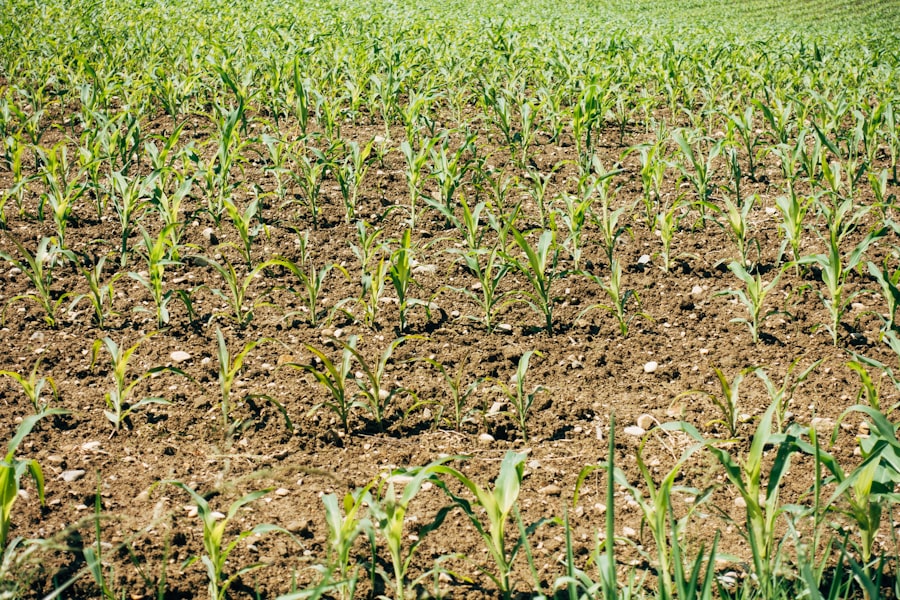
The algal bloom, while seemingly a sign of life, ultimately leads to death. The decomposition of this massive amount of organic matter consumes the very oxygen that marine life needs to survive.
Bacterial Decomposition: The Oxygen Thieves
When the phytoplankton in the bloom eventually die, they sink to the ocean floor. This dead organic matter becomes food for a different group of marine organisms: bacteria. These bacteria are decomposers, and their work is essential for nutrient cycling in a healthy ocean.
Aerobic Respiration: A Hungry Process
However, when faced with a massive influx of dead phytoplankton, these bacteria go into overdrive. They consume oxygen at an incredibly high rate through a process called aerobic respiration. Imagine a swarm of hungry creatures all breathing in unison, and you begin to grasp the scale of the oxygen consumption.
The Rate of Depletion
The decomposition of a large algal bloom can deplete the dissolved oxygen in the water much faster than it can be replenished from the atmosphere or through photosynthesis. This creates a deficit of oxygen, particularly in the deeper layers of the water column where the dead algae tend to accumulate.
Hypoxia and Anoxia: The Birth of Dead Zones
As the oxygen levels in the water plummet, the conditions become increasingly hostile for most marine life.
Hypoxia: The State of Low Oxygen
When dissolved oxygen levels drop to between 2 and 5 milligrams per liter, the water is considered hypoxic. This is a level at which many sensitive marine species begin to struggle. Fish may swim away from these areas if they can, but many organisms, like shellfish and benthic invertebrates, are trapped.
The Suffocation of Life
In hypoxic conditions, fish may exhibit labored breathing, and their growth and reproductive rates can be severely impacted. Mobile organisms that can escape the hypoxic zone will do so, leading to a noticeable absence of life in these areas.
Anoxia: The Complete Absence of Oxygen
When dissolved oxygen levels drop to below 0.2 milligrams per liter, the water is considered anoxic, meaning it is essentially devoid of oxygen. This is the true “dead zone.” In these conditions, even the most resilient marine life cannot survive.
The Ocean’s Breath is Stolen
Anoxic environments are virtually lifeless. The organisms that cannot escape will suffocate. This includes fish, crustaceans, mollusks, and even the bacteria that require oxygen for respiration. The seafloor, once teeming with activity, becomes a barren wasteland.
The Consequences: A Ripple Effect Through Ecosystems and Beyond

The creation of ocean dead zones is not just an isolated environmental issue; it has profound and far-reaching consequences that affect entire ecosystems and, ultimately, you.
Biodiversity Loss: The Silent Extinction
Dead zones are characterized by a dramatic decline in biodiversity. The organisms that cannot tolerate the low oxygen conditions are eliminated, leaving only a few hardy species, if any.
Extirpation of Species
Certain species are particularly vulnerable to hypoxia and anoxia. Their inability to adapt or escape leads to their extirpation from these areas, meaning they are locally wiped out. This can have cascading effects throughout the food web.
Disruption of Food Webs
When key species are removed, the entire food web can unravel. Predators that rely on the vanished species for food may struggle to survive, and the organisms that were prey to those now-struggling predators may proliferate unchecked, leading to further imbalances.
Economic Impacts: The Cost of a Dying Ocean
The health of the ocean is intricately linked to various economic activities, and dead zones directly threaten these livelihoods.
Fisheries Collapse: A Stolen Harvest
Fisheries are one of the most immediate casualties of dead zones. When fish stocks decline or are forced to migrate away from hypoxic areas, the fishing industry suffers. This impacts not only commercial fishermen but also recreational fishing and the businesses that support them. You might notice higher prices for seafood or a reduced availability of your favorite fish.
Tourism and Recreation Decline
Coastal communities often rely on healthy marine ecosystems for tourism and recreation. Beaches become less appealing when surrounded by dead zones, and activities like diving, snorkeling, and boating can be severely curtailed due to the absence of marine life or the presence of harmful algal blooms. This loss of revenue can devastate local economies.
Ecosystem Services: The Ocean’s Gifts Denied
Healthy oceans provide a multitude of vital ecosystem services that we often take for granted. Dead zones compromise these essential functions.
Carbon Sequestration Impairment
Oceans play a crucial role in absorbing carbon dioxide from the atmosphere, helping to regulate the Earth’s climate. Dead zones can impair this carbon sequestration capacity. When organisms that would normally contribute to carbon sinking die prematurely or when decomposition processes change, the ocean’s ability to store carbon is reduced.
Nutrient Cycling Disruption
The natural cycling of nutrients within the ocean is essential for maintaining a healthy marine environment. Dead zones disrupt these delicate balances, potentially leading to further imbalances and making it harder for ecosystems to recover.
The impact of fertilizer runoff on marine ecosystems is a pressing environmental issue, as it contributes significantly to the formation of ocean dead zones, areas where oxygen levels are so low that marine life cannot survive. For a deeper understanding of this phenomenon, you can explore a related article that discusses the science behind these dead zones and their implications for biodiversity and fisheries. This article provides valuable insights into how human activities, particularly agricultural practices, exacerbate the problem. To learn more about this critical topic, visit Freaky Science.
Solutions and Your Role: Turning the Tide
| Impact of Fertilizer on Ocean Dead Zones | Metrics |
|---|---|
| Excessive Nutrient Runoff | Increased levels of nitrogen and phosphorus in water bodies |
| Algal Blooms | Rapid growth of algae due to nutrient influx |
| Oxygen Depletion | Decomposition of algae leads to reduced oxygen levels in water |
| Dead Zones Formation | Low to no oxygen areas where marine life cannot survive |
| Ecosystem Impact | Loss of biodiversity and disruption of food chains |
The scale of the problem might seem overwhelming, but you are not powerless. Recognizing your connection to this issue is the first step, and there are tangible actions you can take to contribute to solutions.
Sustainable Agricultural Practices: Cultivating Responsibility
The most direct way to address the fertilizer issue is to reform agricultural practices.
Precision Agriculture: Smarter Nutrient Application
Embracing precision agriculture techniques allows you to apply fertilizers more precisely, only where and when they are needed. This involves using soil testing, weather data, and advanced application equipment to minimize excess fertilizer use. You can learn about and advocate for these practices.
Cover Cropping and Reduced Tillage: Protecting the Soil
Implementing cover cropping, where non-cash crops are grown between harvest and planting, helps to hold soil in place and absorb excess nutrients. Reduced tillage farming also minimizes soil disturbance, reducing erosion and nutrient runoff. These practices are not only good for the environment but can also improve soil health and long-term productivity.
Integrated Nutrient Management: A Holistic Approach
This involves a comprehensive strategy that combines various methods to optimize nutrient use and minimize losses. It includes careful planning of crop rotations, judicious use of organic fertilizers, and consideration of nutrient cycling within the farm ecosystem.
Urban and Industrial Responsibility: Beyond the Farm
While agriculture is a major contributor, other sources of nutrient pollution also need to be addressed.
Wastewater Treatment Upgrades: Cleaning Up Our Act
Improving wastewater treatment facilities in urban areas is crucial to remove nitrogen and phosphorus from sewage before it is discharged into waterways. You can support initiatives and policies that advocate for these upgrades.
Stormwater Management: Capturing Pollutants
Effective stormwater management in urban areas can capture pollutants, including fertilizers from lawns and gardens, before they reach rivers and the ocean. Green infrastructure, such as rain gardens and permeable pavements, can play a significant role.
Industrial Discharge Regulations: Holding Industries Accountable
Stricter regulations and enforcement on industrial discharges of nutrients are essential to prevent pollution from factories and other industrial facilities.
Consumer Choices and Advocacy: Your Voice Matters
Even in your daily life, you have the power to influence change.
Supporting Sustainable Seafood: Making Informed Choices
When you purchase seafood, choose options that are sustainably sourced and caught from areas not heavily impacted by dead zones. Many organizations provide guides to help you make informed decisions.
Reducing Personal Fertilizer Use: Caring for Your Lawn and Garden
If you have a lawn or garden, consider reducing or eliminating your use of synthetic fertilizers. Opt for organic alternatives or explore natural ways to enrich your soil. Even small changes at a personal level can collectively make a difference.
Advocating for Policy Change: Becoming an Agent of Change
Educate yourself and others about the issue of ocean dead zones. Contact your elected officials and advocate for policies that support sustainable agriculture, improve wastewater treatment, and protect marine ecosystems. Your voice, combined with others, can drive meaningful change.
By understanding the journey of fertilizers from your land to the ocean, and by recognizing the devastating impact of dead zones, you can become an active participant in the solution. The health of our oceans is a shared responsibility, and by making conscious choices and advocating for change, you can help turn the tide and ensure a vibrant and thriving future for marine life and for yourself.
We Figured Out How to Turn Air Into Food
FAQs
What is a dead zone in the ocean?
A dead zone in the ocean is an area with low oxygen levels, making it difficult for marine life to survive. These areas are often caused by an excess of nutrients, such as nitrogen and phosphorus, which leads to excessive algae growth and subsequent oxygen depletion.
How does fertilizer contribute to the creation of ocean dead zones?
Fertilizer runoff from agricultural fields and urban areas contains high levels of nitrogen and phosphorus. When this runoff enters waterways and eventually reaches the ocean, it can lead to excessive algae growth. As the algae die and decompose, they consume oxygen, leading to the formation of dead zones.
What are the environmental impacts of ocean dead zones?
Ocean dead zones can have severe impacts on marine ecosystems, leading to the decline of fish and other marine species. Additionally, the loss of oxygen in these areas can disrupt food webs and lead to the loss of biodiversity. Dead zones also have economic impacts on fisheries and coastal communities.
What measures can be taken to reduce the impact of fertilizer runoff on ocean dead zones?
To reduce the impact of fertilizer runoff on ocean dead zones, agricultural practices can be modified to minimize the use of fertilizers and implement techniques such as cover crops and buffer strips to reduce runoff. Additionally, urban areas can implement green infrastructure to capture and treat stormwater runoff before it reaches waterways.
Are there any regulations in place to address the issue of fertilizer runoff and ocean dead zones?
Many countries have regulations in place to address fertilizer runoff and its impact on water quality. These regulations may include nutrient management plans for agricultural operations, restrictions on the use of certain fertilizers, and requirements for stormwater management in urban areas.