
You’ve probably seen it. That sudden, alarming flash of blue-white light within your microwave, accompanied by a crackling sound. Microwave sparks, often referred to as arcing, can be a startling experience, leaving you wondering what exactly is happening inside that magical box. While it might seem like your microwave is about to explode, in most cases, these sparks are a predictable phenomenon related to the fundamental physics of how microwaves work. The culprit behind these dazzling displays is the potent and often invisible force of electric fields. Understanding their role is key to demystifying microwave sparks and ensuring safe operation.
Before we dive into the sparks, you need to grasp the concept of an electric field. Imagine a region of space around an electrically charged object. This region is filled with an invisible force that can push or pull on other charged objects. This force is what we call an electric field. Think of it like a gravitational field around the Earth – you can’t see it, but you certainly feel its effects if you jump.
The Nature of Electric Charge
At the heart of electric fields lies electric charge. There are two fundamental types of charge: positive and negative. Protons, found in the nucleus of atoms, carry a positive charge, while electrons, orbiting the nucleus, carry a negative charge. Like charges repel each other (positive repels positive, negative repels negative), and opposite charges attract each other (positive attracts negative). This fundamental attraction and repulsion is the engine that drives all electrical phenomena.
How Electric Fields are Generated
Any object with an imbalance of positive and negative charges creates an electric field around it. The greater the imbalance – the more charge concentrated in a small area – the stronger the electric field. You experience a mild form of this when you shuffle your feet across a carpet and then touch a doorknob, giving you a small static shock. That shock is the result of a sudden discharge of accumulated electric charge, driven by the electric field you’ve built up.
The Strength of an Electric Field: Voltage and Dielectric Strength
The strength of an electric field is often measured in volts per meter (V/m). A higher voltage means a stronger electric field. However, not all materials can withstand strong electric fields. This brings us to the concept of dielectric strength. Dielectric strength is the maximum electric field strength a material can withstand before it begins to conduct electricity. Insulators, like glass or plastic, have high dielectric strengths, meaning they resist the flow of charge. Conductors, like metals, have very low dielectric strengths and readily allow charge to flow.
Electric fields play a crucial role in the phenomenon of microwave sparks, as they can ionize the air and create conductive paths for electricity. This intriguing topic is explored in greater detail in a related article that discusses the science behind microwave technology and its effects on various materials. For those interested in understanding the mechanics of electric fields and their ability to generate sparks in microwaves, you can read more about it in this informative piece: here.
Microwaves and Their Electrifying Environment
Your microwave oven isn’t just a fancy reheating device; it’s a carefully engineered box designed to manipulate electromagnetic radiation, and in doing so, it generates powerful electric fields. The magic happens within the magnetron, the heart of the microwave, which generates the microwaves themselves. But it’s the interaction of these microwaves with the food and the interior of the oven that can lead to those illuminating sparks.
The Magnetron: The Source of the Waves
The magnetron is a vacuum tube that uses strong magnetic fields to force electrons to move in circular paths. As these electrons interact with cavities within the tube, they generate high-frequency electromagnetic waves – microwaves. These microwaves are then channeled into the cooking cavity of the oven.
The Metal Cavity: A Reflective Chamber
The interior walls of your microwave are made of metal. Metal is an excellent conductor of electricity. This is crucial because it allows the metal cavity to act as a Faraday cage, reflecting the microwaves back into the food, ensuring efficient heating. However, this reflectivity also means that electric fields can build up on the surface of the metal.
The Role of Microwaves in Electric Field Generation
Microwaves themselves are a form of electromagnetic radiation, meaning they consist of oscillating electric and magnetic fields. When these oscillating fields interact with conductive surfaces and objects within the microwave cavity, they can induce strong electric fields. The oscillating nature of the microwaves causes charges within the conductive materials to move back and forth, creating a dynamic and often intense electric field.
The Spark of Danger: When Electric Fields Exceed Limits

The sparks you see are essentially mini lightning strikes happening inside your oven. They occur when the electric field within the microwave becomes so strong that it overcomes the dielectric strength of the material it encounters. This leads to a rapid discharge of electrical energy, producing a visible spark and often a distinct popping or crackling sound.
The Dielectric Breakdown: The Crucial Threshold
As mentioned earlier, every insulating material has a limit to how much electric field it can tolerate before it starts to conduct. When the electric field in the microwave reaches or exceeds this limit, the material undergoes dielectric breakdown. This means that the insulating properties of the material are temporarily overcome, and it begins to act like a conductor, allowing electricity to flow.
Common Culprits: What Triggers the Breakdown?
Several factors can contribute to the electric fields becoming strong enough to cause sparks:
Metallic Objects: The Primary Offenders
This is the most common reason for microwave sparks. Placing metallic objects inside a microwave is a recipe for disaster, and for good reason. Metals are highly conductive. When microwaves encounter a metal object, they induce very strong electric currents on its surface. If the object has sharp edges, points, or is thin and crinkled (like aluminum foil), these charges can concentrate in those areas, creating incredibly intense local electric fields.
The Pointy End Phenomenon
Sharp edges and points on metallic objects are notorious for causing sparks. This is due to a phenomenon called “charge accumulation” or “field enhancement.” Imagine water flowing through a pipe. If the pipe narrows at one end, the water will speed up and become more concentrated. Similarly, electric charges tend to accumulate at sharp points and edges, leading to a much stronger electric field in those specific locations. This concentrated field can easily exceed the dielectric strength of the surrounding air, causing a spark. Think of the metal handles on some cookware or the edges of foil.
Thin Foils and Crinkled Metal
Thin sheets of metal, especially when crinkled or torn, offer a larger surface area for charge accumulation in a very small space. The unevenness and sharp edges created by crumpling aluminum foil create numerous points where electric fields can become exceptionally strong. This is why you’re often warned about using crumpled foil in the microwave. Even a small piece, if positioned incorrectly, can cause significant sparking.
Metal Trim on Dishes
Some ceramic or glass dishes have decorative metallic trim. This seemingly innocuous addition can become a dangerous conductor. As microwaves interact with the metal trim, strong electric fields can build up, leading to arcing between the trim and other metallic parts of the oven or even the food itself.
Food with High Mineral Content
While not as common as metal, certain foods can also contribute to sparking. Foods with high mineral content, particularly those containing small, metallic particles, can act as conductors. For instance, if a processed food item contains tiny metal shavings from processing equipment, these can become points of charge accumulation and lead to sparks.
Imperfectly Placed Food Items
Even without direct metallic objects, the way food is arranged can sometimes create conditions conducive to sparking. If food items are stacked in a way that creates thin gaps or sharp protrusions that can trap microwaves and lead to concentrated electric fields, arcing can occur. This is less common and usually involves specific food shapes.
The Science Behind the Flash: How Sparks Form

The spark itself is a dramatic visual representation of a sudden and uncontrolled flow of electricity. It’s a consequence of the electric field exceeding the material’s ability to resist it.
Ionization of Air: The Initial Step
When the electric field becomes sufficiently strong, it begins to rip electrons away from the air molecules surrounding the point of high field concentration. This process is called ionization. The air, which is normally an insulator, becomes a conductor as these free electrons and positively charged ions are created.
The Plasma Channel: The Visible Arc
Once a pathway of ionized air is formed, it becomes a conductive channel. The electric field then drives a rapid flow of charge through this channel, creating a bright flash of light and heat. This is the spark you see. The crackling sound is the result of the rapid expansion of air heated by the electrical discharge and the creation of shockwaves.
The Energy Release: A Mini Discharge
The spark represents a release of stored electrical energy. The intense electric field holds this energy, and when the dielectric breakdown occurs, this energy is rapidly dissipated as light, heat, and sound. The intensity of the spark depends on the strength of the electric field and the amount of charge involved.
Electric fields play a crucial role in the phenomenon of microwave sparks, which can occur when certain materials are exposed to microwave radiation. This intriguing interaction is explored in detail in a related article that discusses the science behind microwave ovens and their effects on various objects. For those interested in understanding how electric fields contribute to these sparks, you can read more about it in this informative piece on Freaky Science. The article delves into the mechanisms that lead to the generation of sparks and the implications for safety when using microwaves.
Preventing the Pyrotechnics: Safe Microwave Practices
| Electric Field Strength | Microwave Spark Formation |
|---|---|
| Low | No spark formation |
| Medium | Intermittent spark formation |
| High | Consistent spark formation |
Understanding why microwave sparks happen is the first step to avoiding them. Thankfully, preventing these dazzling displays is generally straightforward and involves a few common-sense rules.
The Golden Rule: No Metal Allowed
This is the cardinal rule of microwave cooking. Never place metallic objects inside your microwave. This includes:
- Aluminum foil: Even small pieces, especially if crumpled or used to cover food.
- Metal utensils: Forks, spoons, knives, whisks.
- Metal cookware: Pots, pans, baking sheets, trays.
- Dishes with metal trim or accents: Check your dinnerware carefully.
- Twist ties with metal cores: Remove them from bags before microwaving.
If you need to cover food to prevent splattering or promote even cooking, use microwave-safe materials like wax paper, parchment paper, or paper towels.
When in Doubt, Check the Label
Many microwave-safe dishes and containers will have a symbol indicating their suitability for microwave use. If you’re unsure, it’s always best to err on the side of caution and choose a different container or method.
Inspect Your Microwave Regularly
While less common, damage to the interior of your microwave, such as a loose piece of metal flashing or a damaged door seal, can also create conditions for arcing. Regularly inspect the inside of your oven for any signs of wear or tear.
Understand Your Food
Be aware of foods that might have a higher mineral content or could potentially cause issues. While rare, if you notice unusual sparking with a particular food, consider trying a different preparation method or a different brand.
Proper Use of Microwave Accessories
If you use microwave-specific accessories, ensure they are functioning correctly and are placed as intended. Avoid overcrowding the microwave.
When Sparks Mean Trouble: Recognizing Serious Issues
While most microwave sparks are a result of user error, there are instances where they can indicate a more serious problem with the appliance itself.
Persistent and Unexplained Sparks
If you’re consistently experiencing sparks even when you’re certain you’re not using any metal, or if the sparks are occurring spontaneously without any food or objects inside, it’s a cause for concern. This could indicate a malfunction within the magnetron or other internal components.
Smoke or Burning Smells Associated with Sparks
If sparks are accompanied by smoke or a distinct burning smell, this is a clear sign of a problem that needs immediate attention. It suggests that something is overheating or igniting.
Damage to the Microwave Interior
If you notice significant charring, melting, or damage to the interior walls or turntable of your microwave that you suspect is related to sparking, it’s best to stop using the appliance.
When to Call a Professional or Replace Your Microwave
If you encounter any of the serious issues mentioned above, do not attempt to repair the microwave yourself. Unplug the appliance immediately and contact a qualified appliance repair technician. In some cases, if the damage is extensive or the appliance is old, it might be more cost-effective and safer to replace the microwave entirely. Your safety is paramount, and a malfunctioning microwave can pose a fire hazard.
By understanding the fundamental role of electric fields in generating microwave sparks, and by adhering to safe operating practices, you can ensure that your microwave remains a convenient and safe tool for preparing your meals, free from startling flashes and the potential dangers they represent.
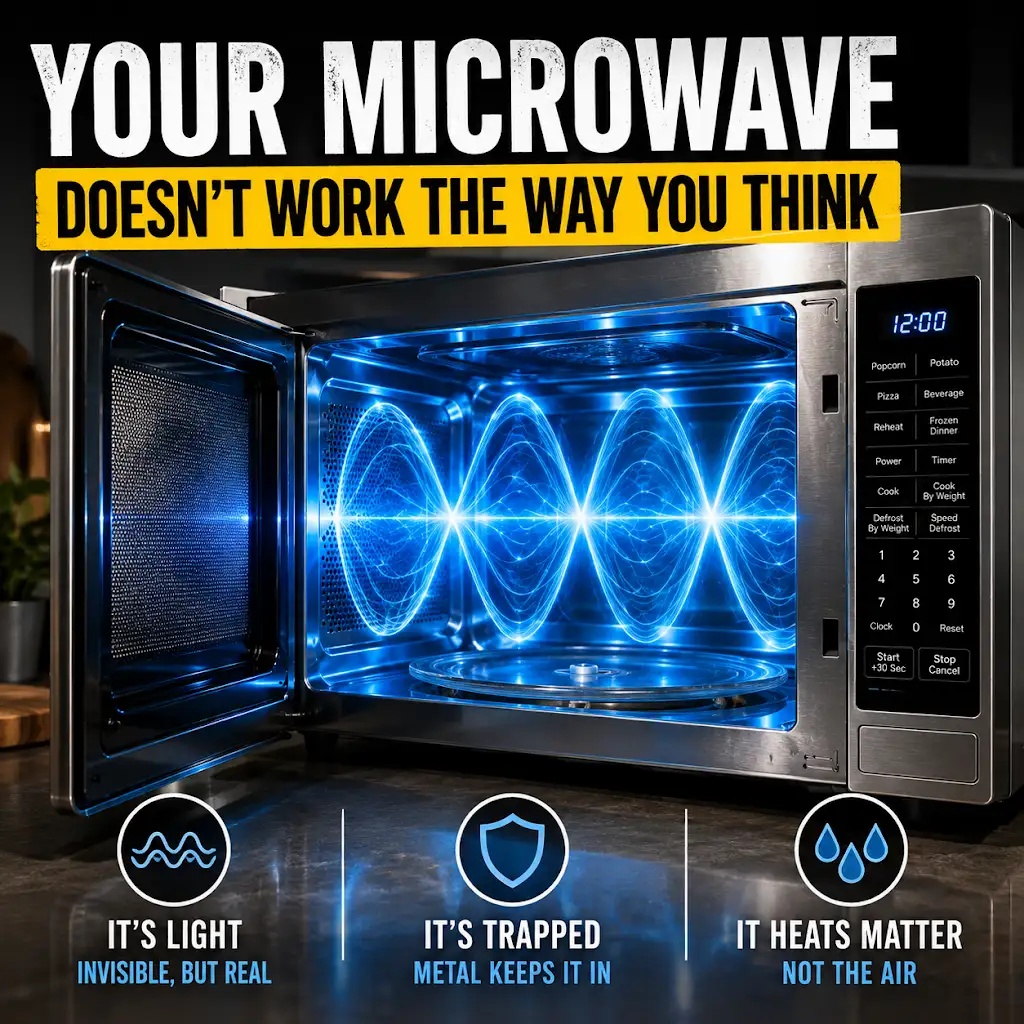
Your Microwave Doesn’t Work the Way You Think
FAQs
What is an electric field?
An electric field is a force field that surrounds an electric charge and exerts force on other charges within its vicinity. It is created by the presence of electric charges and can be either static or dynamic.
How do electric fields cause microwave sparks?
When an electric field is strong enough, it can cause the air molecules in a microwave to become ionized, creating a conductive path for electricity to flow. This can result in the formation of sparks within the microwave.
What factors contribute to the strength of an electric field in a microwave?
The strength of an electric field in a microwave is influenced by the voltage of the microwave’s power source, the distance between the electrically charged components, and the dielectric properties of the materials within the microwave.
Are microwave sparks dangerous?
Microwave sparks can be dangerous as they can potentially cause fires and damage to the microwave. Additionally, exposure to high voltage electrical sparks can pose a risk of electric shock.
How can microwave sparks be prevented?
To prevent microwave sparks, it is important to keep the interior of the microwave clean and free of any metal objects or food debris that could potentially cause arcing. Additionally, regular maintenance and inspection of the microwave’s electrical components can help prevent sparking.