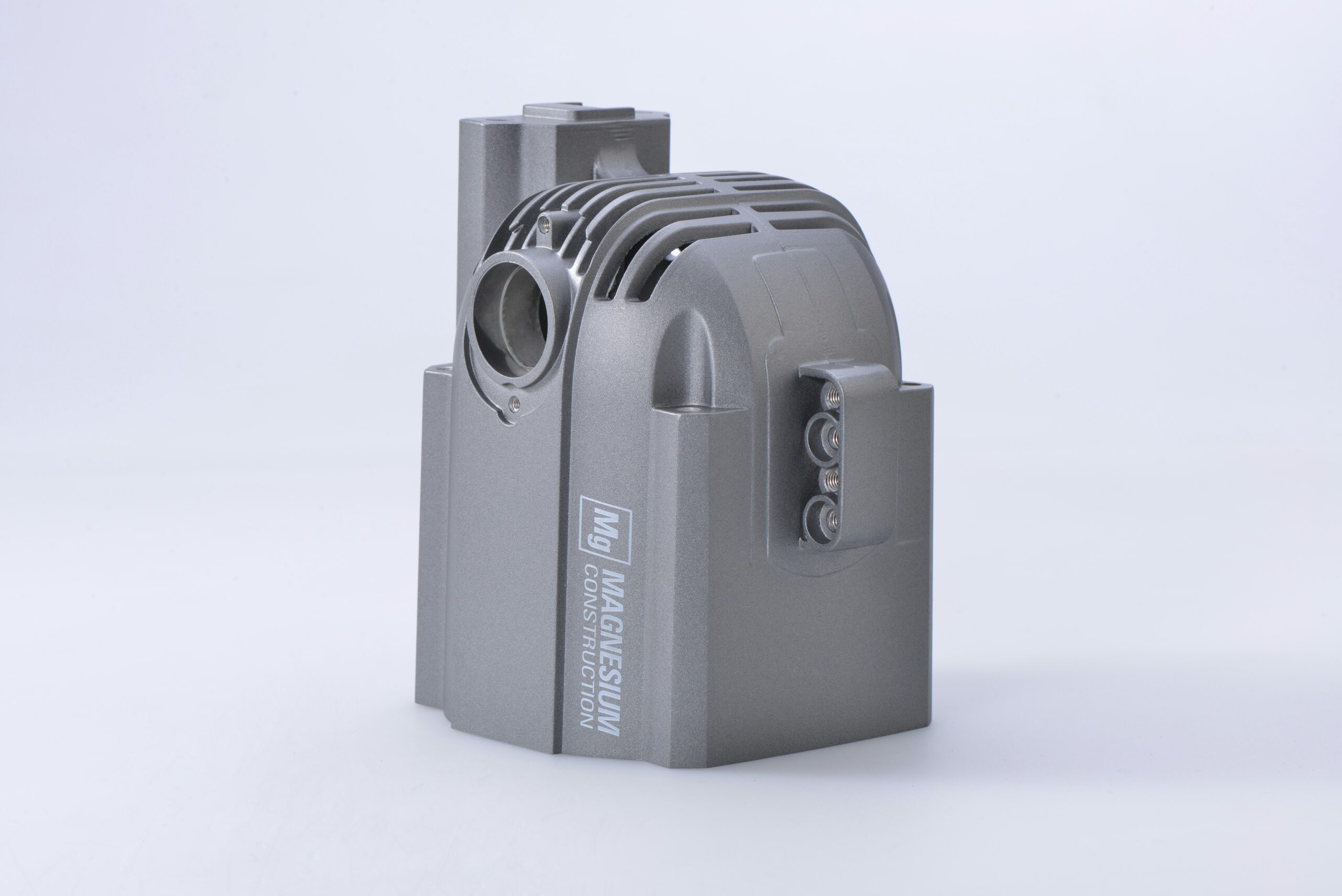
You might be wondering what magical component is responsible for zapping your leftovers back to life, transforming that fridge-cold meal into a steaming delight. It’s not sorcery, but a rather ingenious piece of technology: the magnetron. This unsung hero of your kitchen is the powerhouse behind every microwave oven, the very engine that generates the invisible waves to cook your food. Understanding its role is like pulling back the curtain on your culinary wizardry, demystifying the magic and appreciating the science.
You’ve pressed the start button, heard the hum, and watched your food rotate. But what’s really happening inside that metal box? At its core, a microwave oven is a carefully orchestrated system designed to harness a specific type of electromagnetic radiation: microwaves. And the component that creates these microwaves, the one that makes it all possible, is the magnetron. Think of it as the tiny, powerful heart that pumps the lifeblood of heat into your food. Without it, your microwave would be nothing more than a glorified storage container.
What Exactly is a Magnetron?
Before diving into its function, let’s get a basic understanding of what a magnetron is. Fundamentally, it’s a vacuum tube, but not just any vacuum tube. It’s a high-powered vacuum tube designed to generate microwave radiation through a process involving a flowing stream of electrons interacting with magnetic fields. This might sound complex, but imagine it as a miniature, highly specialized radio transmitter that operates at extremely high frequencies. It’s a marvel of engineering that combines principles of electromagnetism and electron physics to achieve its remarkable feat.
The “Why” Behind the Magnetron: A Historical Perspective
The development of the magnetron wasn’t an overnight success. It was born out of necessity and innovation during a critical period in history. The need for powerful, compact radar systems during World War II spurred significant research into generating high-frequency electromagnetic waves. British scientists, in particular, made crucial breakthroughs, and the cavity magnetron, as we know it today, emerged as a game-changer. Its efficiency and power output were revolutionary, paving the way for its eventual adoption in civilian applications like microwave ovens, forever changing how we prepare and consume food. You can thank wartime innovation for your speedy weeknight dinners!
The Magnetron’s Place in the Microwave Oven Ecosystem
The magnetron doesn’t operate in isolation. It’s part of a larger, interconnected system within your microwave. Think of it as a key player in an orchestra. It produces the sound (microwaves), but other components are essential for directing, controlling, and delivering that sound (heat) to the audience (your food). Understanding these surrounding components helps to appreciate the magnetron’s precise role and how it contributes to the overall function.
A magnetron is a crucial component in a microwave oven, responsible for generating microwave radiation that cooks food. For a deeper understanding of how magnetrons work and their role in microwave technology, you can explore the article available at Freaky Science. This resource provides insights into the science behind microwave ovens and the technology that powers them, enhancing your knowledge of everyday appliances.
Generating the Invisible Force: How the Magnetron Works
This is where the real magic happens. The magnetron is a sophisticated device that converts electrical energy into microwave energy. It does this through a fascinating interplay of electrons, magnetic fields, and resonant cavities. It’s a process that, while scientifically complex, can be understood by breaking it down into key stages.
The Electron Stream: The Raw Material of Microwaves
Everything starts with the heating of a cathode. Within the magnetron, a filament, much like in an old incandescent light bulb, gets hot when electricity flows through it. This heat causes the cathode to emit electrons – tiny, negatively charged particles. These electrons are then drawn towards a positively charged anode. This flow of electrons is the fundamental raw material that the magnetron will manipulate to create microwaves. Without this stream of electrons, there would be nothing to work with.
The Magnetic Field: The Sculptor of Electron Flow
The crucial element that distinguishes a magnetron from a simple vacuum tube is the presence of powerful permanent magnets. These magnets are strategically placed around the anode, creating a strong magnetic field. This magnetic field doesn’t just sit there; it actively influences the path of the electrons emitted from the cathode. Instead of traveling in a straight line towards the anode, the electrons are forced to move in curved, circular paths due to the Lorentz force exerted by the magnetic field. This swirling motion is absolutely critical for the magnetron’s operation.
Resonant Cavities: The Microwave Amplifiers
The anode itself isn’t a solid cylinder. It’s a block of metal with a series of precisely machined cavities, or small chambers, cut into it. These cavities are designed to resonate at specific microwave frequencies. As the magnetically guided electrons whip around, they pass by these cavities. This interaction causes the electrons to give up some of their energy to the electromagnetic fields within the cavities. It’s like a chain reaction: the moving electrons excite the cavities, and the cavities, in turn, amplify and generate microwaves. The shape and number of these cavities are meticulously calculated to ensure the generation of microwaves at the specific frequency used in microwave ovens, typically around 2.45 GHz.
The Output Coupling: Directing the Microwave Energy
Once the microwaves are generated within the resonant cavities, they need to be channeled out of the magnetron and into the cooking chamber of your microwave oven. This is achieved through an output coupling mechanism, typically a small antenna or waveguide. This component acts like a funnel, collecting the microwave energy from the cavities and directing it into a waveguide, a hollow metal tube that carries the microwaves to the food. It’s the final step in the magnetron’s generation process, ensuring the invisible heat energy is properly delivered.
The Journey to Your Plate: How Microwaves Cook Food
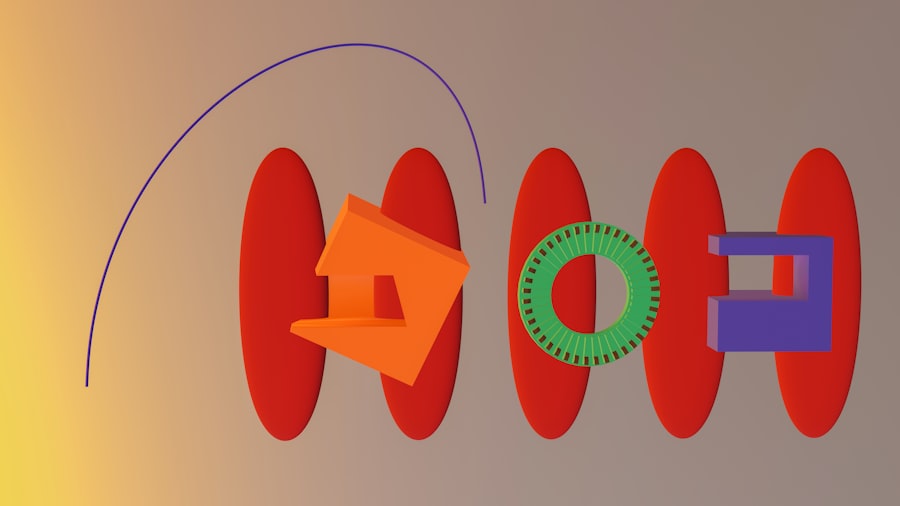
You’ve seen the magnetron generate the microwaves. Now, how does this invisible energy actually cook your food? It’s not about brute force heating; it’s about a specific interaction with the molecules in your food.
The Power of Polar Molecules: Water is Key
The magic of microwave cooking lies in the interaction between microwaves and polar molecules, primarily water. Water molecules have a positive charge on one side and a negative charge on the other, making them “polar.” When microwaves pass through food containing water, they cause these polar water molecules to rapidly vibrate and rotate. Imagine millions of tiny molecules rapidly spinning back and forth, faster than you can even conceive.
Friction and Heat: The Byproduct of Molecular Dance
This rapid vibration and rotation of water molecules create friction. And as you know from basic physics, friction generates heat. The microwaves essentially agitate the water molecules within your food, and the resulting friction is what cooks it. It’s a process of dielectric heating, where the electrical field of the microwaves causes the molecules to move.
Penetration Depth: Why Some Foods Cook Faster
Microwaves don’t penetrate food infinitely deep. They have a certain penetration depth, which varies depending on the food’s composition and the microwave frequency. This is why thicker or denser foods might take longer to cook evenly. The outer layers absorb the microwaves and heat up, and then heat is transferred to the inner layers through conduction. This is also why it’s sometimes recommended to stir or rotate food halfway through cooking – to ensure more even heat distribution.
The Role of the Stirrer and Turntable: Ensuring Even Cooking
You’ve probably noticed the rotating turntable or the spinning stirrer fan in your microwave. These are not just for show; they are crucial components that work in conjunction with the magnetron to ensure your food cooks evenly. The microwaves emitted from the magnetron don’t always distribute perfectly evenly within the cooking cavity. The turntable rotates your food, exposing different parts to varying intensities of microwave energy. The stirrer fan, often located in the top of the microwave, helps to bounce and redirect the microwaves, creating a more uniform wave pattern. Without these, you might find yourself with hot spots and cold spots in your meal.
Beyond the Kitchen: Other Applications of the Magnetron
While your microwave oven is the most common place you’ll encounter a magnetron, its power and versatility have led to its use in a surprising array of other applications. Its ability to generate high-power microwave radiation efficiently has made it indispensable in various industrial and scientific fields.
Industrial Heating and Drying
The same principle that heats your food can be applied to industrial processes. Magnetrons are used in industrial ovens for rapid drying of materials like wood, paper, and ceramics. They can also be used for heating and curing materials in manufacturing processes, offering a faster and more energy-efficient alternative to traditional methods. Imagine drying large quantities of lumber in a fraction of the time it would take with conventional ovens.
Medical Applications: Sterilization and Beyond
In the medical field, magnetrons play a role in sterilization processes. High-power microwaves can be used to sterilize medical equipment, killing bacteria and viruses. While not as common as other sterilization methods, it demonstrates the magnetron’s ability to deliver powerful, targeted energy. There are also ongoing research and development into using microwave technology for various therapeutic applications, including certain types of cancer treatment, though these are highly specialized and distinct from domestic microwave ovens.
Scientific Research and Radar Systems
As mentioned earlier, radar systems were one of the earliest and most significant applications of magnetrons. They are still used in various radar technologies, from weather radar to air traffic control. In scientific research, magnetrons can be used in particle accelerators and other high-energy physics experiments where precise control over microwave generation is required.
A magnetron is a crucial component in a microwave oven, responsible for generating microwave radiation that cooks food quickly and efficiently. This technology has revolutionized the way we prepare meals, making it essential for modern kitchens. For those interested in exploring the science behind this fascinating device, you can read more about it in a related article that delves into the principles of microwave technology and its applications. Check out this informative piece on Freaky Science to learn more about how magnetrons work and their impact on cooking.
Maintenance and Safety: Keeping Your Magnetron Working Safely
| Function | Description |
|---|---|
| Generate microwaves | The magnetron is responsible for producing the microwaves that cook the food inside the microwave oven. |
| Convert electrical energy to electromagnetic waves | The magnetron uses electrical energy to create high-frequency electromagnetic waves, which are then emitted into the cooking chamber. |
| Control power levels | By adjusting the power supplied to the magnetron, the microwave oven can control the intensity of the microwaves and thus the cooking power. |
Your magnetron is a robust component, but like any appliance, it requires a certain level of care to ensure its longevity and your safety. Understanding basic maintenance and safety guidelines is crucial for operating your microwave oven effectively and responsibly.
The Enigma of Magnetron Lifespan
Magnetrons are not designed to last forever. They have a finite lifespan, typically measured in hundreds or thousands of operating hours. This lifespan can be influenced by factors like how frequently you use your microwave, the intensity of use, and even the power fluctuations in your home’s electricity supply. When a magnetron starts to fail, you might notice that your food isn’t heating as effectively, or the microwave might produce unusual noises or smells.
Signs of a Failing Magnetron
Several signs can indicate that your magnetron might be on its way out. The most obvious is a significant decrease in heating power. If your food is barely warm after the usual cooking time, the magnetron is likely the culprit. You might also notice unusual humming or buzzing sounds coming from the appliance that weren’t there before. In some cases, a failing magnetron can even cause sparks or arcing inside the microwave cavity, which is a clear sign of a serious problem and warrants immediate discontinuation of use.
Why You Shouldn’t Attempt DIY Magnetron Repair
It’s crucial to understand that magnetrons operate at very high voltages, even when the microwave is unplugged. The internal components can store a significant electrical charge, posing a serious electrocution risk. Furthermore, the magnetron itself is a sealed unit. Tampering with it could expose you to harmful radiation or damage the component beyond repair. For these reasons, attempting to repair or replace a magnetron yourself is strongly discouraged. If you suspect a problem with your magnetron, it’s always best to consult a qualified appliance repair technician.
The Importance of Proper Usage and Ventilation
Using your microwave oven as intended is the best way to ensure its longevity and your safety. Avoid running the microwave empty, as this can put unnecessary stress on the magnetron. Ensure that the ventilation slots on your microwave are not blocked, allowing for proper heat dissipation. Overheating can shorten the lifespan of the magnetron and other components. Adhering to these simple usage guidelines can help you get the most out of your microwave for years to come.
In conclusion, the magnetron is a fascinating and essential component of your microwave oven. It’s a testament to the power of applied physics and engineering, transforming electrical energy into the invisible waves that heat your food. From its wartime origins to its ubiquitous presence in our kitchens today, the magnetron has truly revolutionized the way we cook and eat. So, the next time you enjoy a quick and convenient meal, take a moment to appreciate the silent workhorse within your microwave – the remarkable magnetron.
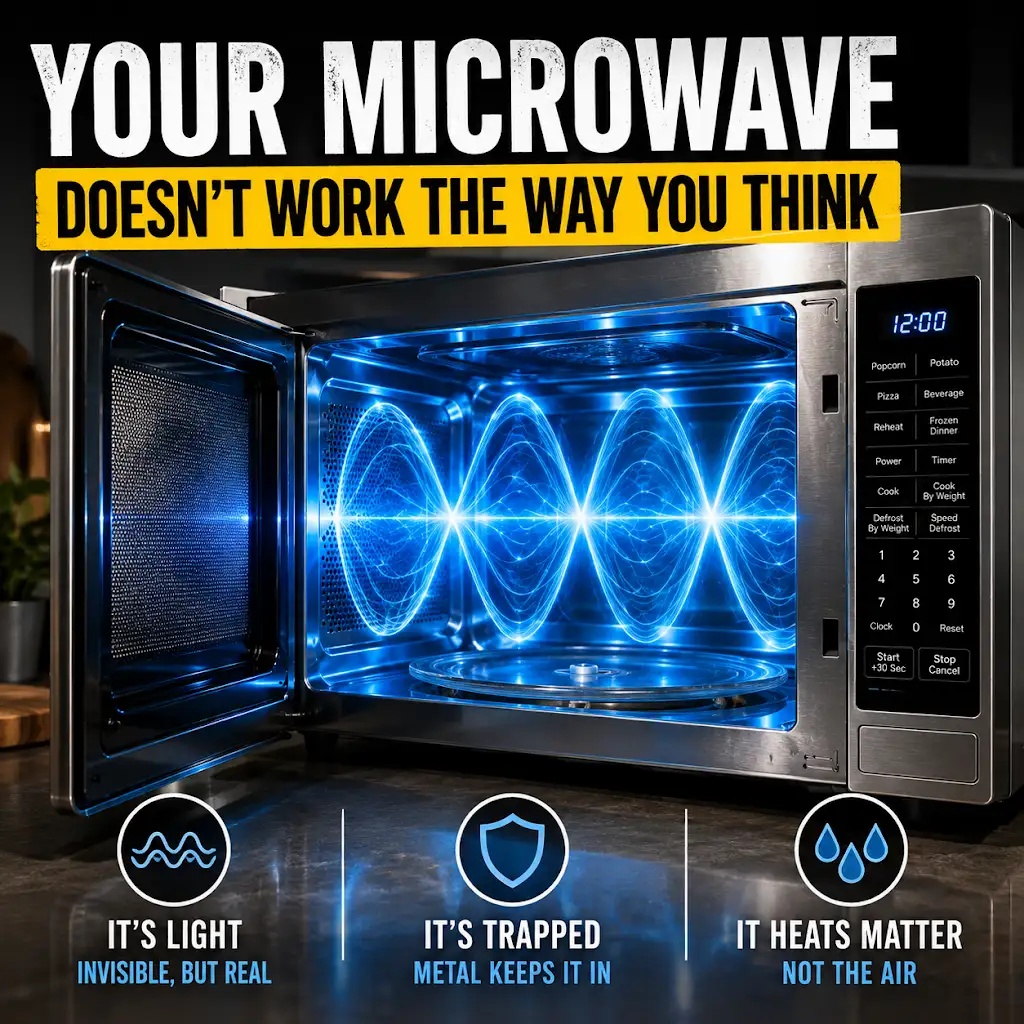
Your Microwave Doesn’t Work the Way You Think
FAQs
What is a magnetron in a microwave?
A magnetron is a high-powered vacuum tube that generates the microwaves used for cooking food in a microwave oven.
How does a magnetron work in a microwave?
The magnetron uses a magnetic field and an electric current to generate high-frequency microwaves, which are then directed into the cooking chamber of the microwave oven.
What role does the magnetron play in cooking food in a microwave?
The magnetron is responsible for producing the microwaves that penetrate the food and cause the water molecules within it to vibrate, generating heat and cooking the food.
Can a magnetron be replaced in a microwave?
Yes, a malfunctioning magnetron can be replaced in a microwave, but it should only be done by a qualified technician due to the high voltage and potential hazards involved.
What are the signs of a failing magnetron in a microwave?
Signs of a failing magnetron in a microwave can include uneven heating, unusual noises, or the microwave not heating food properly. If you suspect an issue with the magnetron, it’s best to have the microwave inspected by a professional.