You’ve likely used it countless times without a second thought – a quick zap to reheat leftovers, a speedy defrost, or even a way to pop popcorn. But have you ever stopped to wonder about the magic happening inside that humming box? You’re about to dive deep into the heart of your microwave oven and uncover the secrets of the magnetron, the unsung hero of rapid heating. This article will demystify this crucial component, explaining its intricate workings in a way that’s accessible and illuminating. Get ready to understand the science behind that familiar microwave beep.
Before we delve into the nitty-gritty of its operation, it’s essential to grasp what the magnetron is and why it’s so vital to your microwave oven. Think of it as the engine of your microwave, the component that generates the very energy that cooks your food. Without it, your microwave would be nothing more than a fancy, useless box. The magnetron is responsible for producing high-frequency electromagnetic radiation, specifically microwaves, which are then directed into the cooking cavity.
The Need for Microwaves
Why microwaves, you might ask? The answer lies in their unique ability to interact with water molecules. Water is present in virtually all foods, and when microwaves strike these water molecules, they cause them to vibrate rapidly. This rapid vibration translates into heat, and it’s this molecular agitation that cooks your food from the inside out. Unlike conventional ovens that heat food from the outside, microwaves penetrate the food, leading to much faster cooking times. This efficiency is a direct result of the magnetron’s powerful microwave generation.
A Compact Powerhouse
Despite its profound impact on your kitchen, the magnetron itself is surprisingly compact. It’s typically housed in a metal casing, often near the fan and transformer, and is designed to withstand significant heat and electrical stress. Its robust construction is a testament to the intense environment it operates within. The magnetron is a specialized vacuum tube, and its design is a marvel of engineering, optimized for producing a very specific type of electromagnetic wave.
Understanding how a microwave magnetron works can be quite fascinating, as it plays a crucial role in the operation of microwave ovens. For a deeper dive into the science behind this technology, you can explore a related article that explains the principles of magnetron functionality and its applications in everyday appliances. To learn more, visit this article for an insightful overview.
Anatomy of the Magnetron: Unpacking Its Inner Workings
Now that you understand why the magnetron is important, let’s turn our attention to how it achieves its remarkable feat. The magnetron is a complex device with several key components working in concert. Peeking inside its shielded casing reveals a fascinating arrangement of metal structures and magnets, all contributing to the generation of microwaves.
The Cathode: The Electron Source
At the heart of the magnetron is the cathode. This is a heated filament, much like the filament in an old-fashioned light bulb. When electricity flows through it, it heats up and emits a cloud of electrons – a process known as thermionic emission. These electrons are the fundamental building blocks of the microwaves that will eventually cook your food. The cathode’s ability to produce a consistent and ample supply of electrons is crucial for the magnetron’s efficient operation.
The Role of Thermionic Emission
Thermionic emission is a fundamental principle in vacuum tube technology. By heating a material (in this case, usually a metal coated with a substance like barium oxide), you provide electrons with enough kinetic energy to overcome the material’s binding forces and escape into the surrounding vacuum. This continuous stream of free electrons is the raw material for microwave generation.
The Anode Block: The Microwave Resonator
Surrounding the cathode is the anode block. This is a cylindrical piece of metal with a series of precisely machined cavities or “resonators.” These resonators are critical. They are designed to vibrate at a specific microwave frequency. Think of them as tiny, perfectly tuned tuning forks for electromagnetic waves. As the electrons emitted from the cathode are propelled towards the anode, they pass through these cavities, interacting with them in a way that generates and amplifies microwave radiation.
The Cavities and Their Function
The anode block isn’t just a solid piece of metal. It’s a complex structure with a series of precisely spaced holes or openings that lead into internal resonant cavities. These cavities are engineered to have natural frequencies at which they will oscillate when stimulated by electrons. The size and shape of these cavities directly determine the frequency of the microwaves produced.
The Magnets: Guiding the Electrons
What makes the magnetron truly unique is the presence of powerful magnets. These magnets are strategically placed around the anode block. Their purpose is to create a strong magnetic field. This magnetic field doesn’t just sit there; it plays an active role in the electron’s journey. Instead of traveling in a straight line from the cathode to the anode, the electrons are forced to move in a circular or spiraling path due to the influence of the magnetic field. This curved path is essential for the generation of microwaves.
The Lorentz Force at Play
The interaction between the moving electrons and the magnetic field is governed by the Lorentz force. This force causes the electrons to deflect, forcing them into curved trajectories. This controlled spiraling motion is what allows the electrons to interact with the resonant cavities of the anode block for an extended period, efficiently transferring energy and generating microwaves.
The Magic of Microwave Generation: How it All Comes Together

Now that you’ve met the key players, let’s witness how they collaborate to produce the cooking power of your microwave. It’s a dance of electrons, magnetic fields, and resonant cavities, culminating in the creation of high-frequency electromagnetic waves.
Electron Trajectories and Oscillations
When you turn on your microwave, a high voltage is applied to the anode, creating an electric field that pulls the electrons from the heated cathode. Simultaneously, the strong magnetic field forces these electrons into their characteristic circular paths. As these electrons whirl around the anode, they pass through the openings of the resonant cavities. This interaction causes the electromagnetic field within the cavities to oscillate at their natural resonant frequency.
The “Rotor” Effect
The spiraling electrons create a sort of “electron cloud” that rotates around the cathode. This rotating cloud interacts with the cavities, “pushing” the electromagnetic field within them. It’s akin to a conductor waving a baton to create waves in an orchestra. The speed of this electron rotation is synchronized with the resonant frequency of the cavities, leading to a powerful amplification of the microwave energy.
From Oscillation to Radiation
Once the electromagnetic field within the resonant cavities begins to oscillate strongly, it needs a way to escape and travel to your food. This is where another crucial component comes into play: the antenna. A small rod or loop antenna protrudes into one of the resonant cavities. As the electromagnetic field inside the cavity builds up, it induces a current in the antenna. This current then radiates electromagnetic waves at the same frequency as the oscillations within the cavity – in this case, microwaves.
The Waveguide: Directing the Energy
The microwaves generated by the antenna are not simply released into the magnetron’s housing. They are carefully channeled through a waveguide. This is a hollow metal tube that is specifically shaped to efficiently transmit microwaves from the magnetron to the cooking cavity of your microwave oven. The waveguide acts like a superhighway for microwaves, ensuring they reach their destination with minimal loss of energy.
The Magnetron’s Lifespan and Potential Issues

While the magnetron is a robust component designed for a long operational life, it’s not immortal. Like any electronic device, it can eventually wear out or suffer from specific problems. Understanding these potential issues can help you recognize when your microwave might be experiencing magnetron-related trouble.
Normal Wear and Tear
Over years of use, the constant heating and cooling cycles, along with the immense electrical currents involved, can take their toll on the magnetron. The filament in the cathode can degrade, reducing its ability to emit electrons. The resonant cavities can also experience minor changes in their dimensions due to thermal expansion and contraction, which can slightly affect the output frequency.
Filament Degradation
The lifespan of the filament is a primary factor in the magnetron’s overall life. As it ages, it becomes less efficient at producing electrons, leading to a weaker microwave output. This might manifest as longer cooking times or food not being cooked thoroughly.
Common Magnetron Failures
Several common issues can lead to magnetron failure:
- Burned-out Filament: This is the most straightforward failure, where the filament breaks, preventing electron emission altogether. The microwave will likely stop heating entirely.
- Short Circuits: Internal short circuits within the magnetron can occur due to insulation breakdown or foreign debris. This can lead to the magnetron drawing excessive current and potentially tripping your circuit breaker.
- Arcing and Pitting: Over time, electrical arcing can occur within the magnetron, especially if there are imperfections or contaminants. This can cause pitting and damage to the internal components, reducing efficiency and potentially leading to failure.
- Overheating: While magnetrons have built-in cooling mechanisms (often a fan), persistent overheating due to poor ventilation or a malfunctioning fan can accelerate wear and tear and lead to premature failure.
Symptoms of a Failing Magnetron
You might notice a few tell-tale signs if your magnetron is on its way out:
- No Heating: This is the most obvious symptom. If your microwave turns on, the turntable spins, and the light comes on, but your food remains cold, the magnetron is likely the culprit.
- Sparking or Arcing Sounds: Unusual noises like sparking or crackling coming from the magnetron area can indicate internal problems.
- Burning Smell: A burning smell, especially accompanied by a lack of heating, can signal that the magnetron is overheating or experiencing an internal failure.
- Inconsistent Heating: If your food is heating unevenly or taking significantly longer than usual, it could be a sign of a weakening magnetron.
Understanding how a microwave magnetron works can be quite fascinating, as it plays a crucial role in generating the microwaves that heat our food. For those interested in delving deeper into the science behind this technology, you might find a related article on Freaky Science particularly enlightening. This resource breaks down the intricate processes involved in the magnetron’s operation, shedding light on how it converts electrical energy into microwave radiation.
Safety and Maintenance of Your Magnetron
| Component | Function |
|---|---|
| Cathode | Emits electrons when heated |
| Anode | Attracts electrons from the cathode |
| Magnet | Generates a magnetic field to guide electrons |
| Resonant cavity | Creates a standing wave to excite electrons |
| Waveguide | Transfers microwave energy to the cooking chamber |
Given the high voltages and microwave radiation involved, safety is paramount when it comes to the magnetron. It’s crucial to understand that the magnetron is a sealed unit within your microwave oven, and attempting to open or repair it yourself is strongly discouraged and potentially dangerous.
The Shielding Mechanism
Your microwave oven is designed with extensive shielding to prevent microwave radiation from escaping. The metal casing of the oven, the door with its special mesh, and the placement of the magnetron itself are all part of this safety system. The magnetron is housed in a shielded compartment, and any microwaves generated are directed down the waveguide into the cooking cavity.
The Faraday Cage Principle
The metal enclosure of your microwave oven acts as a Faraday cage, which is a structure that blocks electromagnetic fields. The wire mesh in the microwave door is precisely spaced to allow you to see inside while preventing microwaves, which have a longer wavelength, from escaping.
When to Seek Professional Help
If you suspect a problem with your magnetron, the safest and most effective course of action is to contact a qualified appliance repair technician. They have the specialized knowledge, tools, and safety equipment to diagnose and repair issues related to the magnetron. Attempting DIY repairs can be hazardous due to the risk of electric shock and exposure to residual microwave radiation.
Understanding the High Voltages
The magnetron operates with very high voltages, often in the thousands of volts, even after the microwave has been turned off. This stored energy can be lethal if not handled with extreme caution. Repair technicians are trained to safely discharge these capacitors and work with the high-voltage components.
Preventative Measures for Longevity
While you can’t directly maintain the magnetron itself, you can take steps to ensure its longevity and the overall health of your microwave oven:
- Ensure Proper Ventilation: Always allow adequate space around your microwave for air circulation. Don’t block the vents.
- Clean Regularly: Keep the interior of your microwave clean, especially the turntable and the walls, to prevent food debris from splattering and potentially interfering with the microwave’s operation.
- Avoid Running Empty: Don’t operate your microwave with nothing inside. This can cause the magnetron to overheat, as there’s no food to absorb the microwave energy.
- Use Microwave-Safe Cookware: Always use cookware specifically designed for microwave use. Certain metals can reflect microwaves, causing arcing and potential damage to the magnetron.
By understanding how your magnetron works and taking basic care of your microwave oven, you can ensure this essential component continues to efficiently heat your food for years to come. The next time you press the start button, you’ll have a deeper appreciation for the ingenious engineering packed within that humming appliance.
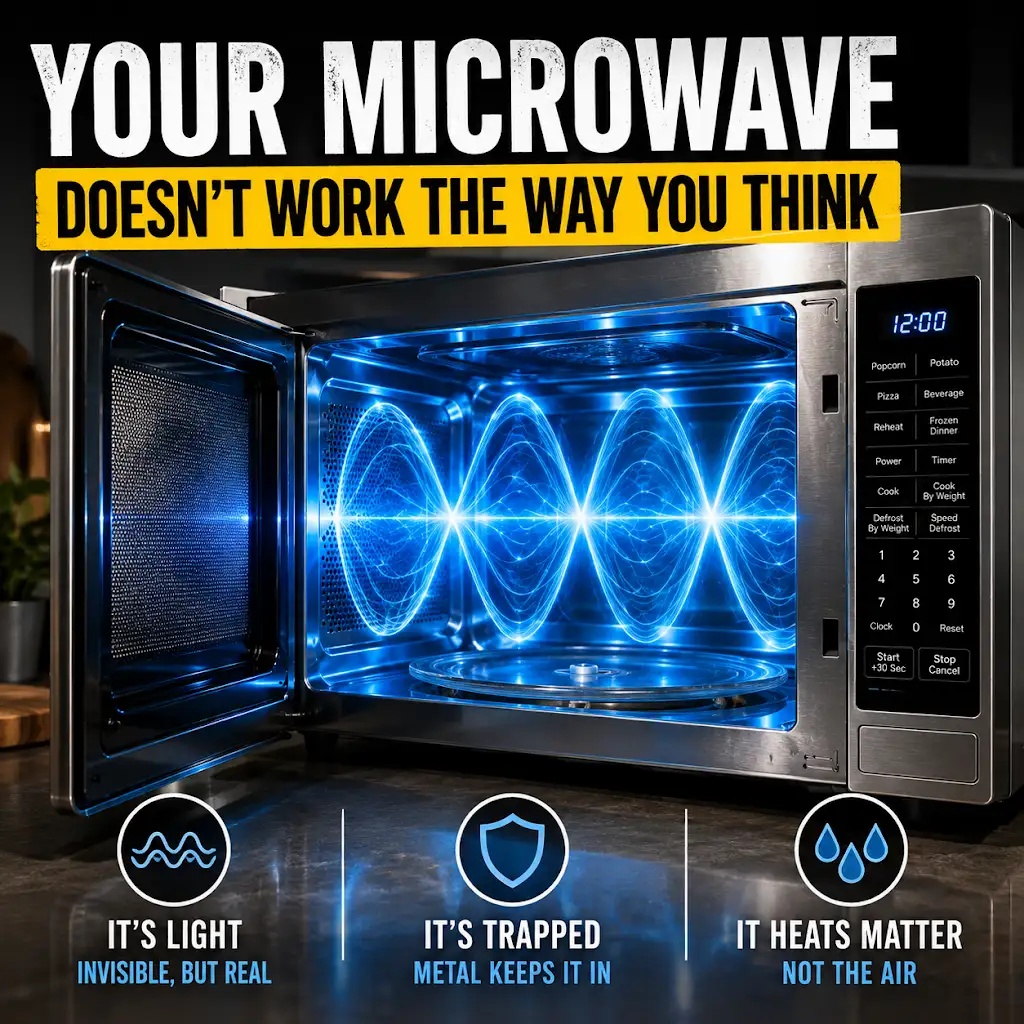
Your Microwave Doesn’t Work the Way You Think
FAQs
What is a microwave magnetron?
A microwave magnetron is a vacuum tube that generates microwaves using the interaction of electrons with a magnetic field. It is a key component in microwave ovens, radar systems, and other microwave applications.
How does a microwave magnetron work?
A microwave magnetron works by using a high voltage to accelerate electrons towards a series of resonant cavities. The interaction of the electrons with the magnetic field causes them to oscillate and generate microwaves at a specific frequency.
What are the key components of a microwave magnetron?
The key components of a microwave magnetron include a cathode, an anode, resonant cavities, a magnetic field, and a waveguide. The cathode emits electrons, which are accelerated towards the anode and interact with the magnetic field in the resonant cavities to generate microwaves. The microwaves are then directed into the cooking chamber via the waveguide.
What are the applications of microwave magnetrons?
Microwave magnetrons are used in microwave ovens for cooking and heating food, as well as in radar systems for communication, navigation, and weather monitoring. They are also used in industrial processes such as drying, curing, and sterilization.
What are the safety considerations when working with microwave magnetrons?
When working with microwave magnetrons, it is important to be aware of the high voltage and potential for exposure to microwave radiation. Proper shielding and safety interlocks should be in place to prevent accidental exposure. It is also important to follow manufacturer’s guidelines and safety precautions when handling or servicing microwave magnetrons.