
You might think of your microwave as a magical box that instantly heats your leftovers or pops your popcorn. But behind that whirring fan and glowing interior lies a fascinating world of science, specifically the science of how your food molecules dance and generate heat. It’s not magic; it’s physics at its finest, and understanding it can make you a more efficient and adventurous microwave chef.
At its core, microwave cooking is about harnessing electromagnetic radiation. The microwave oven generates these waves, and it’s how these waves interact with the very building blocks of your food – its molecules – that causes them to heat up.
The Electrically Charged Nature of Molecules
Most of the molecules in food, especially water, fats, and sugars, are what we call polar molecules. Imagine them as tiny bar magnets, with a positive end and a negative end. This electrical imbalance is key.
Water: The Superstar of Microwave Heating
Water molecules are incredibly important in microwave cooking. They possess a significant dipole moment, meaning their positive and negative charges are separated. This makes them highly susceptible to the oscillating electric field of microwaves.
The Geometry of Water
A water molecule (H₂O) has an oxygen atom and two hydrogen atoms. The oxygen atom is more electronegative, meaning it pulls electrons towards itself, giving it a slightly negative charge. The hydrogen atoms, in turn, have a slightly positive charge. This bent structure of the water molecule is crucial for its polarity.
Fats and Sugars: Also Play a Role
While water is the primary player, fats and sugars also contribute to microwave heating. Fats, with their long hydrocarbon chains, can have areas of slight polarity. Sugars, with their hydroxyl groups (-OH), also exhibit polarity. The more polar these molecules are, the more they will absorb microwave energy.
The Oscillating Electric Field: A Microscopic Tug-of-War
Microwave ovens generate electromagnetic waves at a specific frequency, typically around 2.45 gigahertz (GHz). This means the electric field of these waves oscillates back and forth billions of times per second.
Rapid Rotation: The Molecular Mosh Pit
When these microwaves penetrate your food, their oscillating electric field encounters those polar molecules. The positive ends of the molecules are attracted to the negative part of the oscillating field, and the negative ends are attracted to the positive part. As the field rapidly flips its direction, the polar molecules try to reorient themselves to keep up. This rapid, frantic rotation and vibration is the fundamental mechanism of microwave heating. Think of it as a tiny, molecular mosh pit.
Friction Generates Heat
This constant jostling and bumping of molecules against each other creates friction. It’s this friction, this microscopic kinetic energy transfer, that manifests as heat. The more polar the molecules and the more vigorous their vibration, the hotter the food becomes.
Non-Polar Molecules: The Unmoved Movers
Not all molecules in your food are polar. Things like many proteins and carbohydrates in their solid forms might be less affected by the direct electric field. However, even these molecules can absorb heat indirectly from the vibrating water molecules surrounding them through conduction.
Microwave ovens have revolutionized the way we cook and heat food, utilizing electromagnetic radiation to excite water molecules and generate heat. For a deeper understanding of the science behind microwave technology and its effects on food, you can read a related article that explores the inner workings of microwave ovens and their impact on cooking efficiency. Check it out here: Freaky Science Article.
The Penetration Power: How Microwaves Reach the Food
One of the most remarkable aspects of microwave cooking is its ability to heat food from within, to a certain extent. This is due to the way microwaves penetrate food.
Depth of Penetration: Not as Deep as You Might Think
While microwaves do penetrate food, their reach is not infinite. The depth of penetration depends on the dielectric properties of the food, particularly its water content. Foods with high water content will absorb microwave energy more readily and therefore be heated more efficiently in their outer layers.
The “Skin Effect”
For thicker or denser foods, the microwaves will heat the outer layers first. As these outer layers heat up, their water content might change, or they might become less permeable to the microwaves. This can lead to a phenomenon sometimes referred to as a “skin effect,” where the center of the food might still be cooler than the edges.
How Microwaves Travel Inside
Inside the microwave oven, the waves bounce off the metal walls, creating a complex pattern of radiation. When food is placed inside, these waves enter it.
Waveguides and Cavity
The microwave oven uses a waveguide to direct the generated microwaves into the cavity where the food sits. The cavity is designed to reflect and scatter the microwaves, ensuring a more even distribution, though hot spots can still occur.
Standing Waves
The interaction of the incoming and reflected waves can create standing waves within the cavity. These are areas where the microwave intensity is higher or lower, which is why rotating the food (either with a turntable or by manually repositioning) is crucial for even cooking.
Absorption and Reflection: A Selective Process
Not all of the microwave energy that enters the food is converted into heat. Some is absorbed, some is reflected, and some can even be transmitted through.
Material Matters
The material of the container you use is also important. Metal reflects microwaves, which is why you should never put metal in a microwave oven. Ceramic and glass are generally microwave-safe, allowing the waves to pass through and reach the food. Certain plastics can absorb microwave energy and may melt or leach chemicals into your food if not designated as microwave-safe.
The Science of Even Heating: Tackling the Hot Spots

Achieving perfectly even heating in a microwave can be a challenge. This is largely due to the uneven distribution of microwave energy and the varying water content within the food itself.
Understanding Hot Spots
Hot spots are areas within the food that become significantly hotter than others. These can be caused by:
Concentrated Water Content
Areas with a higher concentration of water molecules will absorb more microwave energy and heat up faster.
Denser Regions
Denser parts of the food might absorb energy differently than less dense areas.
Irregular Shapes
Foods with irregular shapes can create pockets where microwaves are more or less concentrated.
Strategies for Even Cooking
Fortunately, several strategies can help mitigate hot spots and promote more even heating.
The Turntable: A Simple Solution
The turntable in most microwave ovens is a crucial component for even cooking. By rotating the food, it moves through different zones of microwave intensity within the oven cavity, helping to distribute the energy more uniformly.
The Importance of Placement
Even with a turntable, how you place your food can make a difference. Arranging food in a ring shape with the densest parts facing outwards can help the center cook more thoroughly, as the outer edges tend to heat up faster.
Stirring and Rearranging: Active Intervention
For many microwave meals, particularly those with multiple ingredients or thicker textures, stirring or rearranging the food halfway through the cooking time is essential. This physically moves the hotter, outer portions to the cooler center and vice versa, promoting more consistent temperatures.
Breaking Down Large Portions
If you have a large or dense portion of food, consider cutting it into smaller, more manageable pieces before microwaving. This increases the surface area exposed to the microwaves and allows heat to penetrate more effectively.
Covering Your Food: Trapping Steam and Heat
Covering your food can significantly improve microwave cooking results.
Moisture Retention
Covering helps to trap steam, which is generated as the food heats up. This steam continues to cook the food and helps to prevent it from drying out.
Venting for Safety
It’s important to vent the cover slightly, either by leaving a small gap or creating a small opening. This allows excess steam to escape, preventing pressure buildup that could cause the container to burst or the food to splatter.
Standing Time: The Unsung Hero
One of the most overlooked yet critical aspects of microwave cooking is standing time. Once the microwave stops, the food doesn’t instantly cool down.
Residual Heat Transfer
The heat generated within the food continues to redistribute and equalize during the standing time. The molecules that were intensely vibrating in the center will transfer some of their energy to the cooler surrounding molecules.
Perfecting the Center
This standing time allows the internal temperature of the food to rise slightly and become more uniform, ensuring that the center is cooked thoroughly. The recommended standing time varies depending on the food, but a few minutes is generally beneficial.
The Science of Browning and Crisping: What Microwaves Can’t Do
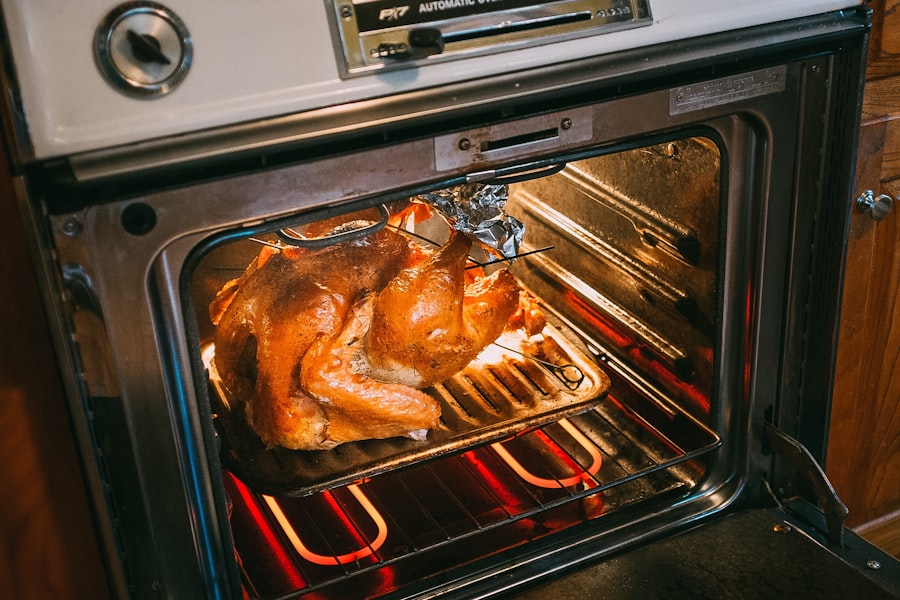
While microwaves excel at heating and steaming, they have limitations when it comes to achieving the browning and crisping that many associate with traditional cooking methods. This is directly related to how microwaves generate heat.
The Absence of High Surface Temperatures
The primary mechanism of microwave heating is the rapid vibration of polar molecules, leading to internal heating. This process doesn’t typically generate the intense, dry heat required for browning reactions like the Maillard reaction and caramelization to occur on the food’s surface.
The Maillard Reaction: A Chemist’s Delight
The Maillard reaction is a complex series of chemical reactions between amino acids and reducing sugars that occurs when food is heated. It’s responsible for the delicious browning and savory flavors in many cooked foods, from seared steaks to toasted bread. This reaction requires temperatures generally above 285°F (140°C).
Caramelization: Sweet and Brown
Caramelization, on the other hand, is the browning of sugars when heated. It also requires relatively high temperatures to occur.
Lack of Dehydration at the Surface
Traditional cooking methods often involve high heat that also dehydrates the surface of the food. This dehydration, combined with the high temperatures, allows for browning and crisping. Microwaves, by contrast, tend to steam food, which keeps the surface moist.
Specialized Microwave Features: Bridging the Gap
To address these limitations, some modern microwave ovens incorporate specialized features designed to improve browning and crisping.
The Grill Function: Adding Conventional Heat
Many combination microwave ovens include a grill function. This uses a radiant heating element, similar to that in a conventional oven’s broiler, to provide the intense, dry heat needed for browning and crisping. You’ll often use this in conjunction with the microwave function for faster cooking and better texture.
Convection Capabilities
Other advanced microwaves feature convection cooking. This involves a fan that circulates hot air within the oven cavity, mimicking the heating environment of a conventional oven. This allows for more even heating and also contributes to browning and crisping.
Browning Dishes and Crisping Trays
Specialized browning dishes and crisping trays are also available. These are designed to absorb microwave energy and then radiate intense heat onto the surface of the food, promoting browning and crisping without relying on the microwave’s internal heating mechanism alone.
When to Embrace Microwaving for What It Does Best
While you might not achieve a perfectly seared steak in your microwave, it’s an unparalleled tool for certain tasks:
Reheating and Thawing
Microwaves are excellent for reheating leftovers and quickly thawing frozen foods. Their speed and efficiency in bringing food to edible temperatures are unmatched by conventional ovens.
Steaming Vegetables
Microwaving is a fantastic way to steam vegetables. The trapped steam cooks them quickly, preserving nutrients and their vibrant color.
Quick Snacks and Beverages
From melting butter to heating up a mug of soup or a snack, the microwave offers unparalleled convenience for quick food preparation.
Understanding the science behind how a microwave oven works can be fascinating, especially when you consider the intricate processes involved in heating food. The microwave uses electromagnetic radiation to agitate water molecules in the food, which generates heat and cooks the meal evenly. For a deeper dive into the mechanics of microwave ovens and their impact on cooking, you can check out this insightful article on Freaky Science, where you will find a wealth of information that explains the technology in detail.
The Future of Microwave Cooking: Smarter, Faster, and More Precise
“`html
| Metric | Description |
|---|---|
| Wavelength | Approximately 12.2 cm (4.8 inches) |
| Frequency | Around 2.45 GHz |
| Magnetron | Generates microwaves |
| Microwave Interactions | Causes water molecules to vibrate, generating heat |
| Turntable | Rotates food for even heating |
| Control Panel | Allows setting time and power level |
“`
The science of microwave cooking is not static. Ongoing research and technological advancements are continually pushing the boundaries of what these appliances can do.
Advanced Waveguide and Cavity Designs
Engineers are exploring new ways to design waveguides and cavities to achieve even more uniform microwave distribution, minimizing hot spots and improving overall cooking consistency.
Variable Frequency and Power Control
Future microwaves might offer more precise control over frequency and power output. This could allow for more targeted heating of specific molecules within the food, leading to better texture and flavor development.
Integrated Sensors and AI
The integration of smart sensors is a significant trend. These sensors can monitor the food’s internal temperature, moisture levels, and even density, allowing the microwave to automatically adjust cooking time and power for optimal results.
Artificial Intelligence for Recipe Optimization
Artificial intelligence (AI) is beginning to play a role in recipe optimization. AI algorithms can learn from vast amounts of cooking data to suggest the best cooking times, power levels, and even sequences of microwave and conventional heating for specific dishes.
Understanding Food Chemistry in Real-Time
Imagine a microwave that can “read” the chemical composition of your food and adjust its microwave output accordingly. This level of precision would revolutionize how we cook, ensuring perfect results every time.
Hybrid Cooking Technologies
The future will likely see more hybrid cooking technologies that seamlessly combine microwave heating with other methods like convection, grilling, and even induction.
Enhanced Browning and Texture
These hybrid systems will offer the speed and convenience of microwaves while also delivering the desirable browning, crisping, and textural qualities that are currently a challenge for microwave-only cooking.
Catering to Diverse Culinary Needs
This evolution will allow microwave ovens to cater to a much wider range of culinary needs, from rapid reheating to gourmet meal preparation.
Sustainability and Energy Efficiency
As with all appliances, there’s a growing focus on energy efficiency and sustainability in microwave design. Future models will likely incorporate improved insulation, more efficient magnetron components, and smart power management systems to reduce energy consumption.
Reducing Food Waste
By enabling more precise and consistent cooking, advanced microwaves could also play a role in reducing food waste by ensuring food is cooked perfectly and not overcooked or undercooked.
The “Smart” Kitchen Ecosystem
Microwave ovens are increasingly becoming part of the broader “smart” kitchen ecosystem. They will likely integrate with other smart appliances, voice assistants, and recipe apps, offering a connected and intuitive cooking experience.
In conclusion, your microwave oven is far more than a simple heating device. It’s a testament to the elegant application of physics, where the invisible dance of food molecules, driven by oscillating electromagnetic waves, transforms raw ingredients into delicious meals. Understanding this science empowers you to use your microwave with greater confidence and creativity, unlocking its full potential in your kitchen.

Your Microwave Doesn’t Work the Way You Think
FAQs
What is a microwave oven and how does it work?
A microwave oven is a kitchen appliance that uses microwave radiation to cook or heat food. The microwaves cause the water molecules in the food to vibrate, generating heat and cooking the food from the inside out.
What happens to the food inside a microwave oven?
When food is placed inside a microwave oven, the microwaves cause the water molecules in the food to vibrate and generate heat. This heat cooks the food quickly and efficiently.
Is it safe to use a microwave oven?
When used according to the manufacturer’s instructions, microwave ovens are safe to use. It is important to use microwave-safe containers and follow recommended cooking times to ensure safety.
What are the potential dangers of using a microwave oven?
Potential dangers of using a microwave oven include the risk of burns from hot food or containers, and the risk of overheating or sparking if metal objects are placed inside the oven.
Can microwaves affect the nutritional value of food?
Microwaves can affect the nutritional value of food by breaking down certain nutrients, such as vitamin C, more than other cooking methods. However, microwaving food can also help retain more nutrients by cooking food quickly and with minimal water.