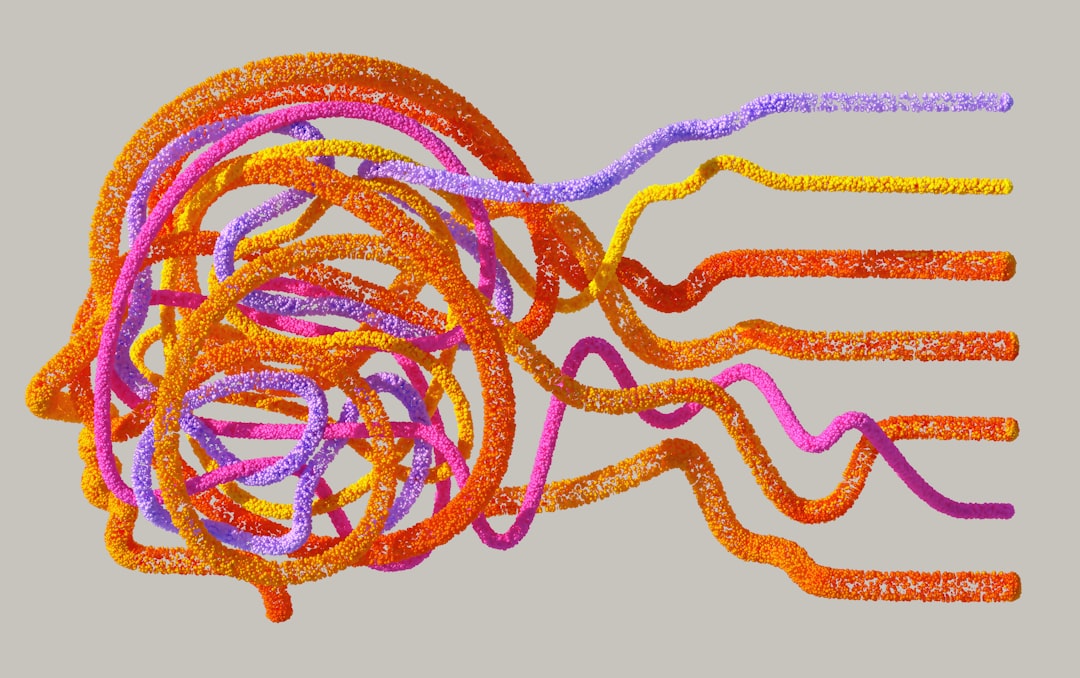
You are embarking on a journey to understand the very foundations of your mind – the realm of basal cognition. This isn’t about complex problem-solving or intricate planning; it’s about the fundamental mental processes that enable you to exist, perceive, and interact with the world around you. Think of basal cognition as the operating system of your consciousness, the silent engine that keeps your mental machinery running. Without these basic building blocks, the more sophisticated cognitive functions you take for granted would simply be impossible. This article aims to demystify these essential mental processes, providing you with a clear and accessible overview of what makes your mind work at its most fundamental level.
Basal cognition refers to the elementary cognitive functions that form the bedrock of all higher-level mental activities. These are the automatic, often unconscious, processes that allow you to process sensory information, maintain awareness, and prepare your body for action. You might not consciously think about them, but they are constantly at play, shaping your every experience.
Defining the Undefined: A Deeper Look at Basal Cognition
Many might confuse basal cognition with simply being “aware.” While awareness is a crucial component, basal cognition encompasses a broader spectrum of foundational mental activities. It’s about the raw processing of information, the initial filtering of stimuli, and the establishment of a basic understanding of your immediate environment. It’s the prelude to conscious thought, the unseen scaffolding upon which your richer mental life is built. Imagine a painter preparing a canvas. The initial priming, the even application of gesso – these are akin to basal cognition. The intricate details of the masterpiece, the nuanced brushstrokes, those represent higher cognitive functions. You can’t have the art without the prepared canvas.
Why “Basal”? The Importance of Foundational Processes
The term “basal” signifies a fundamental or elementary nature. These cognitive processes are considered basal because they are present in most cognitive beings, even those with significant cognitive impairments. They are the most deeply integrated aspects of our mental architecture, the ones that are hardest to completely extinguish. Understanding them is crucial for comprehending brain function, diagnosing cognitive disorders, and even for developing artificial intelligence that mimics human-like understanding. You, through your very existence, are a testament to the efficacy of these basal processes.
Basal cognition refers to the fundamental cognitive processes that underlie our ability to perceive, think, and interact with the world around us. It encompasses basic mental functions such as attention, memory, and perception, which are essential for more complex cognitive tasks. For a deeper understanding of how these processes work and their implications for human behavior, you can explore the article on this topic at Freaky Science. This resource provides insights into the mechanisms of basal cognition and its significance in our daily lives.
Perceiving Your World: The Role of Sensory Processing
At the core of basal cognition lies your ability to perceive the world through your senses. This isn’t just about seeing a red apple or hearing a bird’s song; it’s about the intricate neural pathways that take raw sensory data and begin to make sense of it. Your brain is constantly bombarded with information from your eyes, ears, nose, tongue, and skin. Basal cognition is what allows you to filter, organize, and interpret this deluge of data.
Visual Input: The Gateway to Understanding
Your eyes are your primary window to the world, and the basal processing of visual information is nothing short of remarkable. It begins with light hitting your retina, triggering a cascade of electrical signals. These signals are then transmitted to various areas of your brain, where they are processed to identify basic features like lines, shapes, colors, and movement.
Feature Detection: Identifying the Ordinary
At a basal level, your brain is adept at detecting fundamental visual features. It can identify the edges of objects, differentiating them from their background. It recognizes basic shapes like circles, squares, and triangles. It also processes elementary color information, allowing you to distinguish between different hues. These basic feature detections are so automatic that you rarely, if ever, consciously consider them. You just see.
Motion Perception: The Dynamic World
The ability to perceive motion is another critical basal cognitive function. Your brain can detect changes in position over time, allowing you to track moving objects, like a car approaching or a ball being thrown. This capability is vital for navigation, for anticipating events, and for avoiding danger. Without it, the world would appear as a series of static snapshots, making interaction and survival incredibly difficult.
Auditory Input: The Symphony of Sound
Your ears are also constantly processing a wealth of information. Basal auditory processing involves distinguishing between different sound frequencies, intensities, and durations. This allows you to differentiate speech from noise, recognize familiar sounds (like a doorbell or a phone ringing), and orient yourself towards sudden noises.
Sound Localization: Where Did That Come From?
Your brain can pinpoint the direction from which a sound originates. This is achieved by comparing the subtle differences in the timing and intensity of sound arriving at your two ears. This skill is fundamental for safety, allowing you to quickly identify the source of a potential threat or to locate a speaker in a crowded room.
Speech Perception: The Foundation of Communication
Even before you understand the meaning of words, your brain is engaged in the basal process of speech perception. It involves breaking down the continuous stream of sound into discrete phonemes – the basic units of speech. This ability is foundational to language acquisition and is remarkably robust, even in the presence of background noise.
Other Sensory Modalities: Touch, Smell, and Taste
Your other senses also contribute vital information to your basal cognitive understanding of the world. Tactile sensation allows you to feel pressure, texture, and temperature, providing crucial information about the objects you interact with. Olfactory (smell) and gustatory (taste) senses play a role in identifying food, detecting danger (like smoke), and even in forming emotional associations.
Proprioception: Knowing Where You Are in Space
Beyond the external senses, you possess an internal sense called proprioception. This is your body’s awareness of its position and movement in space, even when your eyes are closed. Basal proprioception allows you to walk without falling, reach for objects accurately, and perform intricate movements without conscious effort. It’s a constant, silent feedback loop that grounds you in your physical reality.
Staying Alert: The Power of Attention
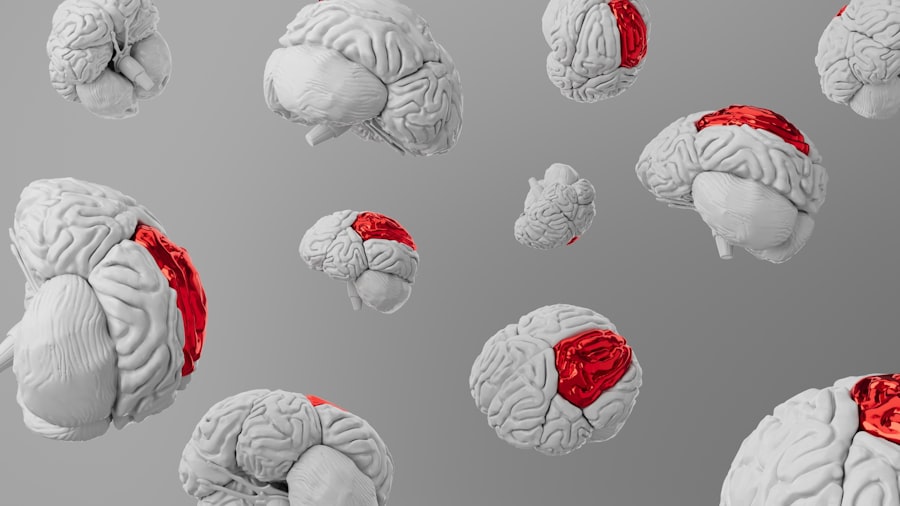
Attention is your mental spotlight, directing your cognitive resources to specific aspects of your environment while filtering out distractions. It’s a fundamental basal cognitive process that dictates what information gets further processing and what remains on the periphery. You can’t possibly attend to everything, so your brain has evolved sophisticated mechanisms for selective and sustained attention.
Selective Attention: Focusing Your Gaze
Selective attention is your ability to focus on one particular stimulus while ignoring others. Think of being at a noisy party and still being able to concentrate on a conversation with one person. Your brain is actively suppressing the surrounding cacophony, prioritizing the auditory input from your chosen source.
The Cocktail Party Effect
This phenomenon, famously known as the “cocktail party effect,” is a prime example of selective auditory attention. Your brain can tune into a specific voice amidst a chaotic auditory landscape. This ability is not just about filtering noise; it’s about the active selection and amplification of relevant information.
Sustained Attention: Keeping Your Focus
Sustained attention, also known as vigilance, is your ability to maintain focus on a task or stimulus over an extended period. This is crucial for tasks that require prolonged concentration, such as driving long distances, monitoring a computer screen for anomalies, or studying.
The Importance of Vigilance
Imagine a security guard scanning surveillance footage. Their ability to maintain vigilance, to stay alert for any suspicious activity, relies on sustained attention. Even slight lapses in this basal function can have significant consequences.
Divided Attention: Juggling Demands
Divided attention is the ability to attend to multiple tasks or stimuli simultaneously. While you might not be able to give each task your full and undivided attention, your brain can allocate cognitive resources, allowing you to manage several activities at once. However, performance on each individual task may be somewhat compromised compared to when you are focusing on just one.
The Limits of Multitasking
While divisible attention is a real cognitive capacity, true multitasking is often less efficient than people perceive. Your brain is likely rapidly switching attention between tasks rather than truly processing them in parallel. Understanding these limits is important for managing your workload effectively.
Remembering What Matters: The Basics of Memory Encoding and Retrieval
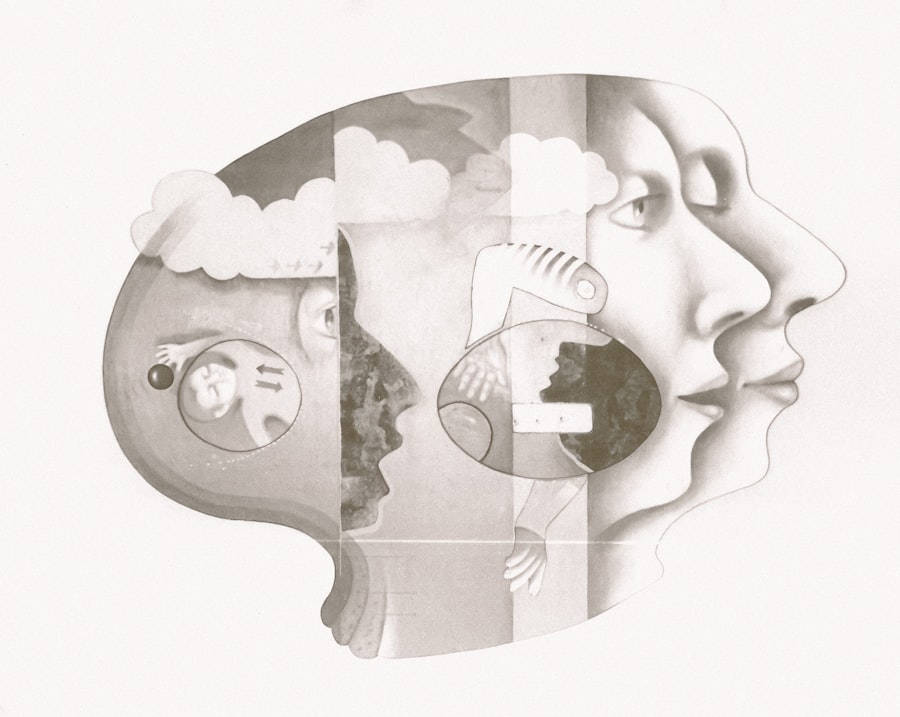
Memory is not a single entity but a complex system involving multiple stages. Basal cognition plays a crucial role in the initial stages of memory formation: encoding and retrieval. These are the processes that allow you to transform incoming sensory information into a form that can be stored and later recalled.
Encoding: Laying Down the Tracks
Encoding is the process of converting sensory information into a form that can be stored in your memory. This can involve various levels of processing, from simple sensory registration to deeper semantic understanding. The more meaningful or engaging the information, the more likely it is to be encoded effectively.
Levels of Processing: Shallow vs. Deep
At a shallow level, you might encode the visual appearance of an object. At a deeper level, you might encode its meaning or its association with prior knowledge. Basal encoding mechanisms, while automatic, can be influenced by your level of engagement with the information.
Retrieval: Accessing Stored Information
Retrieval is the process of accessing stored information from your memory. This can be either conscious (recalling facts) or unconscious (enabling you to perform learned skills). The effectiveness of retrieval depends on how well the information was encoded and the presence of appropriate retrieval cues.
Cues and Associations: The Keys to Recall
When you encounter a cue – an image, a smell, a word – that is associated with a stored memory, it can trigger retrieval. These associations are built through repeated exposure and the linking of information within your neural networks. You often don’t consciously search for memories; they are brought to your attention through these powerful cues.
Working Memory: Your Mental Scratchpad
Working memory is a short-term memory system that holds and manipulates information needed for ongoing cognitive tasks. It’s like your brain’s temporary workspace, where you can hold and process information concurrently. This is vital for tasks like following instructions, doing mental arithmetic, or understanding a sentence.
Capacity and Duration: The Limits of Your Workspace
Working memory has a limited capacity – you can only hold a certain amount of information at any given time. It also has a limited duration; information fades quickly if not actively maintained or rehearsed. Understanding these limitations helps you appreciate why breaking down complex information into smaller chunks can be so beneficial.
Basal cognition refers to the fundamental processes involved in perception, attention, and memory that underlie more complex cognitive functions. Understanding these basic mechanisms can provide insights into how we process information and interact with our environment. For a deeper exploration of this topic, you might find the article on cognitive science particularly enlightening, as it delves into various aspects of cognition and its implications for learning and behavior. You can read more about it in this related article.
The Underpinning of Thought: Attention, Perception, and Memory in Interplay
| Aspect | Description |
|---|---|
| Definition | The fundamental cognitive abilities that are necessary for basic functioning, such as perception, attention, memory, and language. |
| Examples | Recognizing familiar faces, understanding simple instructions, recalling basic facts. |
| Development | Basal cognition typically develops early in life and forms the foundation for higher-level cognitive processes. |
| Impairment | Damage to the brain or certain neurological conditions can lead to deficits in basal cognition. |
It’s crucial to understand that these basal cognitive processes don’t operate in isolation. They are deeply interconnected, constantly influencing and informing each other. Your perceptions are shaped by what you attend to, and your ability to remember something depends on how well it was perceived and attended to.
The Feedback Loop: How Processes Inform Each Other
Imagine you’re walking down a street. Your visual system is processing the scene (perception). Your attention is drawn to a brightly colored storefront (attention). This information is then briefly held in your working memory as you decide whether to investigate further (working memory). If you decide to go in, the experience will be encoded into your long-term memory, becoming a part of your personal history. This dynamic interplay is the essence of how you navigate your day.
From Basal to Higher Cognition: The Evolutionary Leap
The basal cognitive processes we’ve discussed are the building blocks upon which more complex cognitive functions are built. Without the ability to perceive, attend, and remember at a fundamental level, you would be incapable of reasoning, problem-solving, language, or consciousness as you understand it. These basal operations are the evolutionary foundation that has allowed for the development of the sophisticated human mind.
Implications for Learning and Development
Understanding basal cognition has profound implications for how you approach learning and how you understand development. Recognizing the foundational nature of these processes means that effective learning strategies often focus on strengthening these core abilities. For children, early sensory experiences and the development of attentional skills are critical for building a strong cognitive foundation. For adults, maintaining these basal functions through engagement and mental stimulation is key to cognitive health throughout life.
The Mind in Action: Basal Cognition in Everyday Life
You might not consciously recognize them, but basal cognitive processes are at play in every moment of your waking life. They are the silent conductors of your daily symphony, enabling you to navigate the complexities of the world with remarkable efficiency.
The Morning Routine: A Symphony of Basal Processes
Consider your morning routine. You wake up (awareness, a facet of basal cognition). Your senses register the light, the sounds of your environment (perception). Your attention is drawn to your alarm clock or the need to get out of bed (attention). You might recall how to make coffee or brush your teeth from past experiences (memory retrieval). You navigate your home, avoiding furniture without conscious thought (proprioception, spatial memory). All of this happens with minimal conscious effort, a testament to the power of your basal cognitive machinery.
Social Interactions: Reading the Room
Even in simple social interactions, basal cognition is essential. You perceive facial expressions, interpret tone of voice, and attend to body language. These are basal interpretations that allow you to gauge the emotional state of others and respond appropriately. Your ability to remember past interactions with people also influences your current social behavior.
Navigating the Digital World
In today’s digital age, basal cognition is constantly engaged. You scan web pages for relevant information, attend to notifications, and recall passwords. Even the simple act of scrolling through social media involves a rapid cycle of perception, attention, and memory processing. However, the constant barrage of stimuli can also highlight the limitations of your basal cognitive resources.
Maintaining Cognitive Health: The Role of Basal Cognition
As you age, maintaining the health of your basal cognitive functions becomes increasingly important. Engaging in mentally stimulating activities, getting enough sleep, and maintaining a healthy diet all contribute to the optimal functioning of these foundational processes. A decline in basal cognition can have a ripple effect, impacting higher-level cognitive abilities and overall quality of life.
In conclusion, grasping the intricacies of basal cognition is like understanding the fundamental grammar of the mind. It is the often-unseen, yet profoundly influential, bedrock upon which your entire cognitive experience is constructed. By understanding these basic mental processes, you gain a deeper appreciation for the remarkable complexity and efficiency of your own mind, empowering you to better navigate your world, enhance your learning, and safeguard your cognitive well-being.

Your Body Knows Something You Don’t
FAQs
What is basal cognition?
Basal cognition refers to the fundamental cognitive processes that are essential for basic survival and functioning, such as perception, attention, memory, and decision-making.
How does basal cognition differ from higher-level cognition?
Basal cognition involves the basic cognitive processes that are necessary for survival and immediate functioning, while higher-level cognition involves more complex cognitive processes such as problem-solving, reasoning, and abstract thinking.
What are some examples of basal cognitive processes?
Examples of basal cognitive processes include sensory perception (such as vision and hearing), attention (the ability to focus on specific stimuli), memory (both short-term and long-term), and decision-making (the ability to make choices based on available information).
Why is basal cognition important for human survival and functioning?
Basal cognition is important for human survival and functioning because it allows individuals to perceive and respond to their environment, make decisions, and carry out basic tasks necessary for daily life.
How can understanding basal cognition be beneficial in various fields such as education, healthcare, and technology?
Understanding basal cognition can be beneficial in various fields such as education, healthcare, and technology by informing the development of interventions and technologies that support and enhance basic cognitive processes, leading to improved learning, health outcomes, and user experiences.