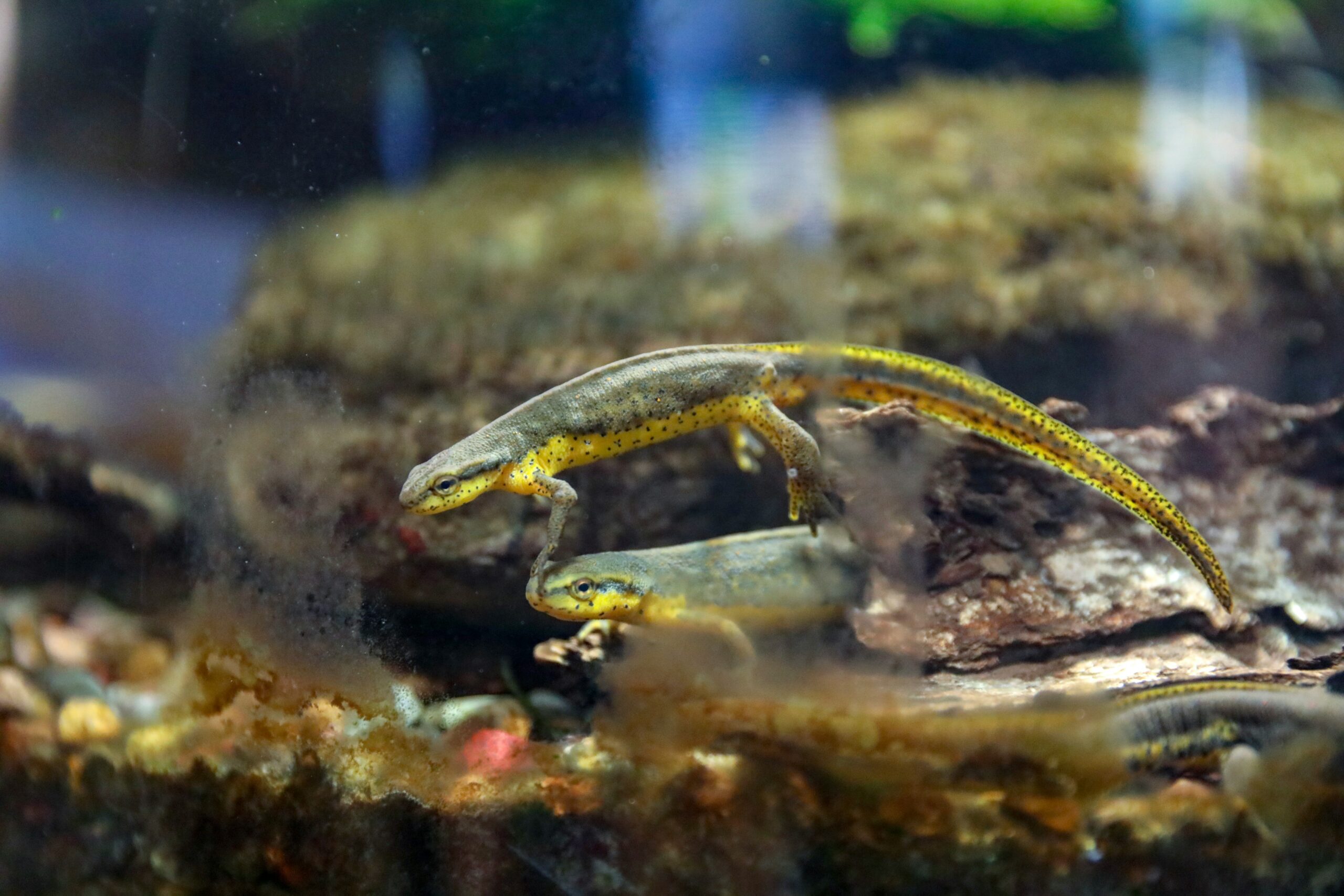
You stand at the edge of a forest pond, a place teeming with life yet often overlooked. Among the fluttering dragonflies and the murky depths, a creature of quiet wonder dwells: the salamander. It’s a marvel of natural engineering, a living testament to resilience. For you, perhaps a budding biologist or simply a curious observer, the salamander’s ability to regrow lost limbs and even entire organs is a source of profound fascination. This isn’t a fleeting act of healing; it’s a complex, orchestrated symphony of cellular processes that allows these amphibians to rebuild themselves with astonishing fidelity.
You might wonder what sets them apart. Is it magic? A secret genetic code? The answer, while complex, lies in a sophisticated interplay of specialized stem cells and a remarkably adaptable immune system, working in concert to orchestrate a feat of regeneration that humanity has long dreamed of replicating.
As you observe a salamander, you see an animal that, unlike many others, doesn’t simply scar over injuries. Instead, it embarks on a journey of meticulous reconstruction. This innate capacity for regeneration is not a trivial biological trick; it’s a fundamental aspect of their survival, allowing them to thrive in environments where physical threats are a constant reality. Imagine losing a limb to a predator – for many creatures, this is a death sentence. For a salamander, it’s a temporary setback, a precursor to the grand spectacle of regrowth.
What Exactly Transpires After Injury?
When a salamander experiences limb loss, whether due to predation, accident, or a deliberate experiment in a controlled research setting, the immediate aftermath is not a void of despair but a blueprint for renewal. You witness the initial stages as a specialized wound epidermis forms, a protective barrier that seals off the damaged area. This is the genesis of the regenerative process. Unlike the fibroblasts that would lead to scar tissue formation in mammals, the salamander’s response is geared towards laying the groundwork for rebuilding.
The Role of the Wound Epidermis
This newly formed epidermal layer is crucial. It’s not just a passive covering; it’s an active participant in the regenerative choreography. This layer signals to underlying cells, initiating a cascade of events. You can think of it as the first responder on the scene, quickly stabilizing the situation and preparing for the more complex work ahead. Its integrity is paramount, and its signaling molecules are the initial messengers that awaken the regenerative potential within.
Distinguishing Regeneration from Simple Healing
It’s crucial, as you delve deeper, to understand the fundamental difference between regeneration and the healing processes you typically observe in yourself or other mammals. When you get a cut, your body prioritizes speed to prevent infection and regain functionality. Scar tissue, while effective at closing wounds, is functionally different from the original tissue. It lacks the specialized structures and properties of the original skin, muscle, or bone.
Scarring vs. Rebuilding: A Mammalian vs. Amphibian Divide
In mammalian healing, fibroblasts migrate to the wound site and lay down collagen, a process that leads to the formation of scar tissue. This is efficient for preventing blood loss and infection, but it’s a compromise. The salamander, however, bypasses this scarring phase. Instead, a structure called the blastema forms. This is a mass of undifferentiated cells that can then develop into all the cell types needed to rebuild the lost appendage. You are witnessing a fundamental divergence in evolutionary strategies for dealing with injury.
Recent studies have shed light on the remarkable regenerative abilities of salamanders, revealing the complex biological processes that allow them to regrow limbs and other body parts. For a deeper understanding of this fascinating topic, you can explore the article titled “The Science Behind Salamander Regeneration” at this link: https://www.freakyscience.com/sample-page/. This article delves into the genetic and cellular mechanisms that enable these amphibians to heal and regenerate, providing insights that could have implications for regenerative medicine in humans.
The Powerhouse of Regeneration: Specialized Stem Cells
The secret to the salamander’s regenerative prowess lies undeniably in its remarkable pool of stem cells. These aren’t just any cells; they are remarkably versatile, capable of differentiating into a wide array of specialized cell types. You can envision these cells as blank canvases, ready to be painted into the intricate details of muscle, bone, nerve, and skin.
Understanding the Blastema: A Regenerative Hub
The blastema, formed at the amputation site, is the focal point of regeneration. You can think of it as a cellular construction crew, assembled and ready to work. It’s a dynamic structure, characterized by a high rate of cell proliferation and the presence of progenitor cells that, under the right conditions, can embark on a journey of differentiation. This is where the magic truly happens, where the potential for rebuilding is most concentrated.
Progenitor Cells and Their Potential
Within the blastema, you find progenitor cells that are not yet fully committed to a specific fate. These cells are crucial because they are capable of dividing and then differentiating into the diverse cell types required to reconstruct the lost limb. They are the building blocks, the raw material for the new appendage. Their ability to divide rapidly ensures a sufficient supply of cells for the extensive reconstruction required.
The Crucial Role of Dedifferentiation and Dedifferentiation-like States
A key aspect of salamander regeneration that fascinates researchers is the apparent ability of differentiated cells to revert to a less specialized state, or at least to acquire regenerative capabilities. While the exact mechanisms are still under intense investigation, it appears that some existing cells near the wound site can dedifferentiate, meaning they lose their specialized identity and reassess their potential, becoming more like stem cells.
Reverting to a “Stem-like” State
This process is not as straightforward as a complete reversal to an embryonic state. Instead, it’s more akin to a partial reset, allowing these cells to re-enter the cell cycle and begin proliferating. You’re observing a fascinating plasticity in cellular identity, where cells that were once muscle fibers or bone cells can contribute to the formation of a new limb. This is a significant departure from the terminal differentiation observed in many mammalian tissues.
Where Do These Regenerative Cells Come From?
The origin of these regenerative cells is a subject of ongoing research. While progenitor cells within the blastema are clearly vital, scientists are exploring contributions from various sources. Are they exclusively resident stem cells, or are there contributions from circulating cells, or even the dedifferentiation of existing mature cells?
Resident Stem Cell Populations
It is highly probable that salamanders possess specialized populations of resident stem cells, distributed throughout their tissues, that are quiescent but can be activated upon injury. These cells are pre-programmed with a higher regenerative potential than their mammalian counterparts. You can think of them as specialized reserves, ready to be deployed when needed.
Contributions from Quiescent Satellite Cells in Muscle and Other Tissues
Muscle tissue, for instance, contains satellite cells that are known to be involved in muscle repair. In salamanders, these populations might be significantly more robust and possess a broader differentiation potential, contributing to the regeneration of muscle fibers within a regrowing limb. Similar populations might exist in other tissues, contributing to the overall regenerative capacity.
The Immune System: Architect of Regeneration, Not Just Defense

You might initially think of the immune system solely as a defender against pathogens. However, in the realm of salamander regeneration, its role is far more nuanced and, dare you say, constructive. The salamander’s immune system doesn’t simply clear debris and fight off infection; it actively participates in orchestrating the regenerative process, ensuring that the rebuilding occurs without harmful inflammation or scar tissue formation.
A “Friendly” Immune Response
Unlike the pro-inflammatory response that often accompanies injury in mammals, leading to scar tissue, the salamander’s immune cells adopt a more facilitative approach. They are not aggressive invaders but rather helpful guides and builders. You can imagine them clearing the way, preparing the ground, and ensuring a smooth construction process for the new limb.
Macrophages in Regeneration: More Builder Than Destroyer
Macrophages, a type of white blood cell, play a critical role. Instead of overwhelming the wound with inflammatory signals that promote scarring, salamander macrophages appear to adopt a pro-regenerative phenotype. They clear dead cells and debris efficiently but also release factors that promote cell proliferation and tissue remodeling. You are witnessing a remarkable shift in their typical function.
Suppressing Scarring: A Key Immunological Function
A hallmark of mammalian wound healing is scarring, a necessary but often functionally limiting process. The salamander’s immune system is adept at preventing this. It actively suppresses the fibrotic response that would lead to scar tissue formation, allowing for the unhindered growth of new, functional tissue.
The Absence of Excessive Fibroblast Activation
By modulating the signals that activate fibroblasts, the salamander’s immune system ensures that the regenerative cascade is not derailed by scar tissue deposition. This is a critical distinction that sets their healing apart from our own. You’re observing an elegant biological strategy to avoid the permanent functional limitations that scarring can impose.
Orchestrating Inflammation Appropriately
While significant inflammation can hinder regeneration, a controlled and transient inflammatory response is actually beneficial. The salamander’s immune system appears to strike this delicate balance, initiating a limited inflammatory phase that clears damaged cells without leading to chronic inflammation and fibrosis. You are seeing a sophisticated understanding of how to harness the power of inflammation for constructive purposes.
Modulating Cytokine and Chemokine Signals
The interplay of signaling molecules, such as cytokines and chemokines, released by immune cells, is precisely regulated. These molecules can influence cell migration, proliferation, and differentiation. In salamanders, these signals are tuned to promote regeneration rather than inflammation and scarring.
The Molecular Symphony: Genes and Signaling Pathways
Underpinning the entire regenerative process is a complex molecular symphony, orchestrated by a sophisticated network of genes and signaling pathways. These are the instruction manuals and the communication channels that guide the cells in their monumental task of rebuilding. You are gazing into the very heart of how life reassembles itself.
Gene Expression Patterns: A Shift Towards Growth and Development
When a salamander is injured, there’s a dramatic shift in gene expression. Genes associated with growth, development, and cell signaling are upregulated, while genes related to inflammation and cell death are downregulated. This reprogramming of genetic activity is essential for initiating and sustaining the regenerative program.
Upregulation of Developmental Genes
Genes that are typically active during embryonic development are reactivated in the adult salamander following injury. This allows the cells to access the genetic blueprints for building complex structures, effectively rewinding the developmental clock to facilitate regrowth. You are observing a remarkable ability to tap into primordial developmental programs.
Key Signaling Pathways Involved
Several key signaling pathways are known to be crucial for regeneration. These pathways act as molecular messengers, communicating instructions between cells and guiding their behavior. Understanding these pathways provides critical insights into the mechanisms of regeneration.
The Wnt Signaling Pathway: A Master Regulator
The Wnt signaling pathway is a conserved pathway involved in numerous developmental processes, including cell proliferation, differentiation, and patterning. In salamander regeneration, Wnt signaling is believed to play a critical role in maintaining the proliferative capacity of blastema cells and in guiding the formation of the new limb’s structure.
The Fibroblast Growth Factor (FGF) Family: Fueling Cell Growth
Fibroblast growth factors (FGFs) are a family of proteins that are potent stimulators of cell growth and proliferation. FGFs are known to be upregulated at the injury site and within the blastema, providing essential signals for the rapid division of progenitor cells. They are the fuel that drives the construction.
The Role of MicroRNAs in Fine-Tuning Regeneration
MicroRNAs (miRNAs) are small non-coding RNA molecules that regulate gene expression by binding to messenger RNA (mRNA) molecules. They are like fine-tuners, subtly adjusting the output of genes. In salamander regeneration, miRNAs are implicated in controlling cell proliferation, differentiation, and the transition between different phases of the regenerative process.
Precise Control Over Gene Expression
By targeting specific mRNA molecules, miRNAs can fine-tune the levels of proteins produced by genes involved in regeneration. This precise control is essential for ensuring that the regenerative process proceeds smoothly and efficiently, without errors. You are witnessing a level of molecular sophistication that is truly astounding.
Salamanders are fascinating creatures known for their remarkable ability to regenerate lost limbs, tails, and even parts of their hearts. This incredible regenerative capability has intrigued scientists for years, leading to extensive research into the underlying biological mechanisms. A related article on this topic can be found at Freaky Science, where you can explore the latest findings and insights into how these amphibians manage to heal and regrow their tissues. Understanding the secrets of salamander regeneration could pave the way for advancements in regenerative medicine for humans.
The Future of Regenerative Medicine: Lessons from the Salamander
| Reason | Explanation |
|---|---|
| Stem cells | Salamanders have a large number of stem cells that can differentiate into various cell types, allowing for regeneration of lost body parts. |
| Immune system | Salamanders have a unique immune system that helps in preventing infection during the regeneration process. |
| Genetic factors | Specific genes and genetic pathways in salamanders play a crucial role in their ability to regenerate body parts. |
| Microenvironment | The local tissue environment around the injury site provides signals and support for regeneration to occur effectively. |
The study of salamander regeneration is not just an academic pursuit; it holds profound implications for the future of human medicine. You can see in these humble amphibians a blueprint for therapies that could one day restore lost limbs, repair damaged organs, and heal injuries that are currently considered irreparable.
Translating Salamander Secrets to Human Therapeutics
The ultimate goal for many researchers is to translate the knowledge gained from studying salamanders into clinical applications for humans. While the biological differences between amphibians and mammals are significant, the fundamental principles of cellular communication, stem cell behavior, and immune system modulation are conserved across species.
Identifying Human Homologs of Regenerative Genes
Scientists are actively searching for genes and signaling pathways in humans that are homologous to those identified in salamanders as being crucial for regeneration. The hope is that by understanding how these pathways are activated and regulated in salamanders, we can find ways to activate similar pathways in human cells to promote regeneration.
Stem Cell Therapies and Tissue Engineering
The remarkable regenerative capacity of salamander stem cells offers a tantalizing glimpse into the potential of stem cell therapies. If we can harness the ability of human stem cells to differentiate into various tissue types and regenerate damaged tissues, we could revolutionize the treatment of a wide range of conditions.
Engineering New Tissues and Organs
Tissue engineering, which involves creating functional tissues and organs in the lab for transplantation, is another area where salamander research could have a significant impact. By understanding how salamanders build complex structures from scratch, we can develop more sophisticated methods for engineering human tissues and organs, potentially eliminating the need for donors.
Overcoming the Mammalian Scar Barrier
Perhaps one of the most significant challenges in human regenerative medicine is the tendency for mammalian tissues to scar rather than regenerate. Understanding how the salamander’s immune system actively prevents scarring could lead to novel therapeutic strategies that modify the human immune response to promote regeneration over fibrosis.
Strategies to Inhibit Fibrosis
By developing drugs or therapies that mimic the immune signaling found in salamanders, it may be possible to suppress the fibrotic response in humans, allowing for the regeneration of functional tissue after injury. You are envisioning a future where a damaged heart or a severed spinal cord could be healed, not just managed.
The salamander, a creature often residing in the shadows, carries within it a profound secret. Its ability to regenerate is not a mere biological quirk but a testament to the elegance and complexity of life. As you continue to learn, you realize that by unraveling the mysteries of these remarkable amphibians, you are not just appreciating a natural wonder but also glimpsing the future of healing. You are standing on the precipice of a revolution, inspired by a creature that teaches us that even from loss, profound renewal is possible.

Your Body Knows Something You Don’t
FAQs
What is regeneration in salamanders?
Regeneration in salamanders refers to their ability to regrow lost or damaged body parts, such as limbs, tails, and even parts of their heart and brain.
How do salamanders regenerate body parts?
Salamanders are able to regenerate body parts through the activation of stem cells at the site of the injury. These stem cells then differentiate and proliferate to form the new tissue needed for regeneration.
Are all species of salamanders capable of regeneration?
While many species of salamanders are known for their regenerative abilities, not all species possess the same level of regenerative capacity. Some species are able to regenerate limbs and tails, while others may have more limited regenerative abilities.
What makes salamanders unique in their ability to regenerate?
Salamanders are unique in their ability to regenerate because they can regrow complex structures, such as limbs and organs, throughout their entire lifespan. This is in contrast to most other vertebrates, including humans, which have limited regenerative abilities.
How is the study of salamander regeneration relevant to human medicine?
Studying salamander regeneration can provide valuable insights into the mechanisms of tissue regeneration, which may have implications for regenerative medicine in humans. Understanding how salamanders are able to regenerate could potentially lead to the development of new treatments for injuries and diseases that involve tissue loss.