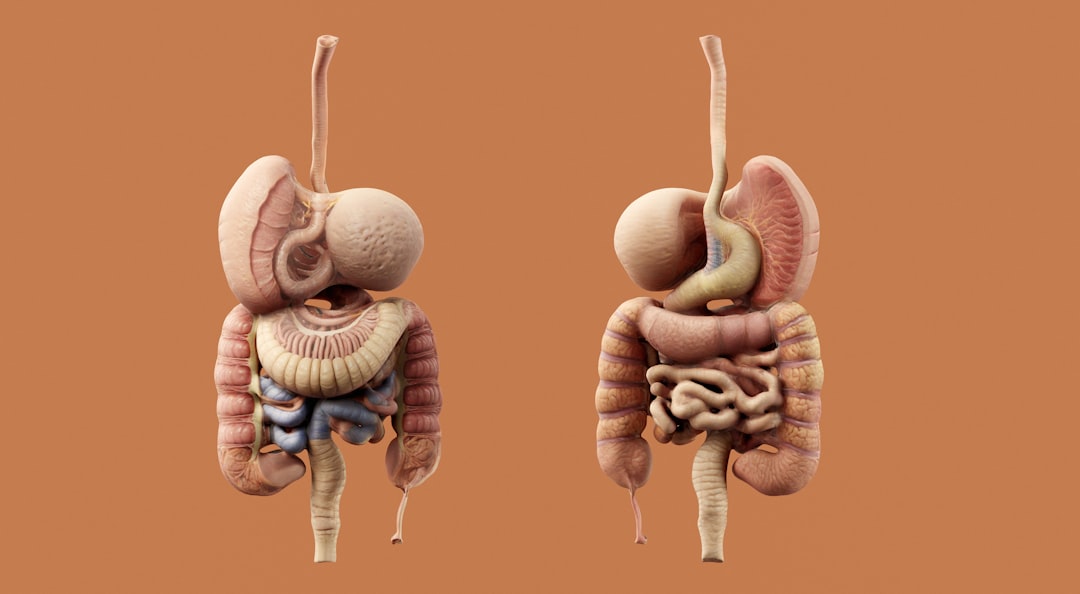
The Amazing Journey of Your Human Body Development
You stand here now, a marvel of complexity, a thinking, feeling, breathing being. But this intricate masterpiece didn’t just appear. Your existence is the culmination of an astonishing journey, a microscopic miracle that began long before you were aware of yourself. This is the story of your development, an epic unfolding from a single cell to the sophisticated organism you are today.
Imagine the very beginning. It wasn’t a grand pronouncement, but a quiet, profound event. It was the union of two specialized cells, each carrying half of a blueprint, coming together in a breathtaking act of biological fusion. This initial spark, this single fertilized egg, held within it the potential for everything you would become – your height, your eye color, your inclinations, and the very structure of your limbs.
The Zygote: The Ultimate Blueprint
This first cell, the zygote, is a universe of possibility. Within its humble confines lies the complete set of chromosomes, the instructions for building every single cell that will eventually form your body. It’s like a master architect holding the plans for an impossibly complex city, detailing everything from the foundational infrastructure to the intricate decorative elements. You, in your nascent form, are already encoded.
Mitosis: The Relentless Expansion
The zygote doesn’t just sit there. Its primary directive is growth, and it achieves this through a remarkable process called mitosis. This is cell division, a relentless cycle where one cell splits into two identical daughter cells. Each of these new cells carries the same complete set of genetic instructions. This is the engine of early development, a biological assembly line that ensures every new cell is a perfect replica of the one before it. It’s a geometric progression of life, where two become four, four become eight, and so on, exponentially expanding the cellular population. This process is so precise, so incredibly accurate, that it’s one of the fundamental wonders of life. You are, in essence, a vast and ever-growing colony of perfectly reproduced cells, all working in concert.
Differentiation: The Specialization Begins
As this cellular population explodes, a critical process unfolds: differentiation. This is where the magic truly starts to become visible. Not all cells are destined to remain generalists. Through a complex series of signals and gene activations, cells begin to specialize. Some will become the building blocks of your nervous system, destined to form the intricate network of your brain and nerves. Others will differentiate into muscle cells, ready to power your movement. Still others will become bone cells, providing the skeletal framework that supports you. This is a remarkable feat of biological organization, where a single type of cell elegantly transforms into a multitude of distinct types, each with a specific role to play in the grand design of your body. Think of it like a single factory worker in the beginning, and then that worker learns to be a welder, another learns to be an electrician, and another learns to be a painter, each contributing a unique skill to the construction of the final product. You are the product, and your cells are the incredibly skilled laborers.
The development of the human body is a fascinating journey that begins at conception and continues through various stages of life. For a deeper understanding of this intricate process, you can explore the article titled “The Stages of Human Development” available at Freaky Science. This article delves into the biological and physiological changes that occur from infancy to adulthood, highlighting the remarkable transformations that shape who we are.
The Blueprint Takes Shape: From Embryo to Fetus
The initial days and weeks after conception are a period of unprecedented transformation. The simple ball of cells rapidly organizes itself into a recognizable, albeit rudimentary, human form. This is the embryonic period, a time of rapid growth and the establishment of fundamental organ systems.
Gastrulation: The Three Germ Layers Emerge
One of the most significant events in early embryonic development is gastrulation. Imagine the inner lining of that early cell cluster, the blastocyst, beginning to fold inwards. This inward folding creates three distinct layers of cells, known as the germ layers: the ectoderm, the mesoderm, and the endoderm. Each of these layers is not just a topographical feature; it’s a foundational blueprint for specific tissues and organs.
The Ectoderm: The Outer Shell
The ectoderm is your outermost layer. From this seemingly simple layer will spring the entirety of your nervous system – your brain, spinal cord, and the peripheral nerves that connect you to your surroundings. It will also give rise to your skin, hair, and nails – the protective outer covering of your body. Think of it as the architect’s initial drawing of the building’s facade and its internal communication network.
The Mesoderm: The Structural Backbone
The mesoderm, nestled between the ectoderm and endoderm, is the powerhouse of structural development. This is the layer that will give rise to your muscles, bones, cartilage, blood, blood vessels, and your heart. It’s the raw material for your skeletal and circulatory systems, providing the framework and the vital plumbing that keeps you alive and moving. This layer is responsible for your physical presence in the world.
The Endoderm: The Internal Machinery
Finally, the endoderm forms the innermost layer, destined to become the lining of your digestive tract, your respiratory system (lungs), and vital organs such as your liver and pancreas. This layer is responsible for the essential processes of nutrient absorption, gas exchange, and metabolic function. It’s the engine room, the vital organs that keep the entire system running smoothly.
Organogenesis: The Building of Your Inner World
Following gastrulation, the process of organogenesis truly kicks into high gear. This is the period where organs begin to form and develop from those three germ layers. It’s a remarkably coordinated process, with different cell types migrating to specific locations and interacting with each other to build complex structures.
The Heart’s First Beat
One of the earliest and most crucial organs to take shape is your heart. By around three weeks of gestation, a cluster of cells begins to develop into a simple tube that starts to pulsate. This rudimentary heart soon begins to pump blood, initiating the vital circulation that will sustain your growing body. Imagine the first rhythmic thumping, a testament to the life that is rapidly taking hold.
The Neural Tube: The Dawn of Thought
Simultaneously, the ectoderm begins to fold and fuse to form the neural tube. This hollow structure is the precursor to your brain and spinal cord. Its formation is an incredibly delicate process, and its closure marks a pivotal moment in the development of your central nervous system, the seat of your future consciousness. This is the genesis of your capacity to think, learn, and experience the world.
The Limb Buds: Preparing for Action
As the embryonic stage progresses, you’ll see the emergence of limb buds – small bulges on the sides of your torso. These will eventually develop into your arms, legs, hands, and feet. Initially, they are simple paddle-like structures, but over time, they will elongate, and the digits will form, preparing you for future movement and interaction with your environment.
The End of the Beginning: The Fetal Transition
By the end of the eighth week of gestation, the embryonic period concludes, and you transition into what is known as the fetal period. While many of the basic organ systems are in place, this is a period of refinement, rapid growth, and maturation. Organs continue to develop and become more functional.
Growth and Maturation: The Fetal Journey
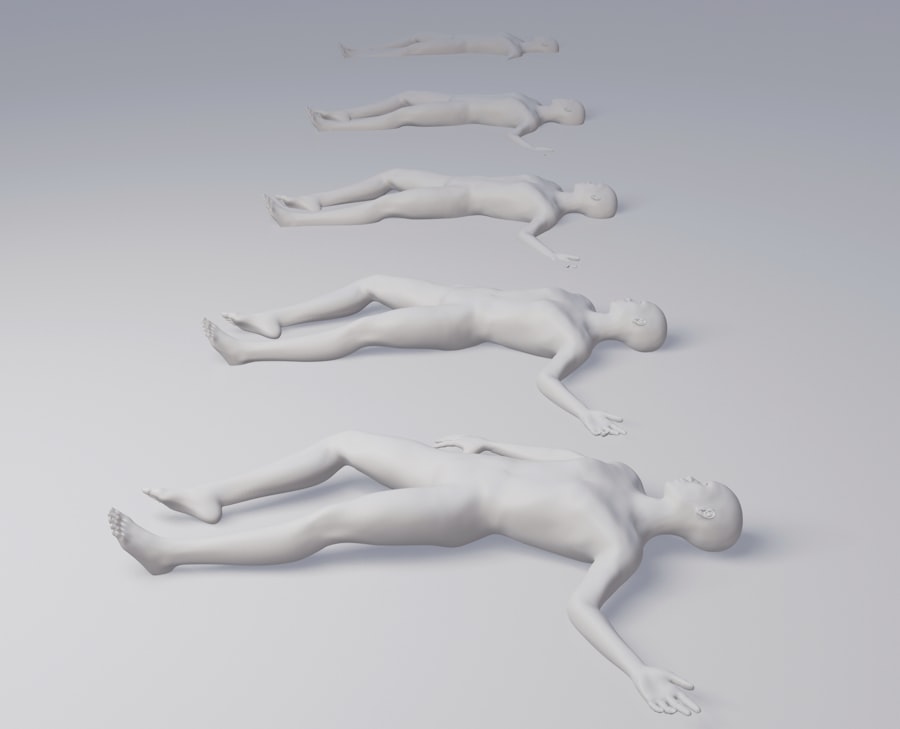
The fetal period, spanning from the ninth week until birth, is characterized by significant growth and the ongoing maturation of all your bodily systems. This is when you transform from a tiny, developing organism into a more recognizable human baby, capable of a wider range of responses.
Rapid Growth spurts: Expanding Your Physique
Throughout the fetal period, your body will undergo significant growth spurts. Your height and weight increase dramatically, and your proportions begin to resemble those of a newborn. This rapid expansion is fueled by the energy and nutrients you receive, allowing your cells to multiply and your tissues to develop.
Sensory Development: Waking Up to the World
Even before birth, your senses are beginning to awaken. Your ears develop, allowing you to hear sounds from the outside world, including your mother’s heartbeat and voice. Your eyes, though still closed, are also developing, and you’ll begin to respond to light. This sensory input, even in utero, plays a role in shaping your developing brain.
Organ Refinement: Preparing for Life Outside
Many of your organs continue to mature and refine their functions during this period. Your lungs develop small sacs called alveoli, which will be crucial for breathing air. Your digestive system becomes more capable of processing nutrients. Your brain undergoes rapid development, forming billions of new neural connections. This is all preparation for the complex task of independent survival.
The Startle Reflex: A Glimpse of Future Reactions
You might even begin to exhibit reflexes, such as the startle reflex, where you jump in response to sudden loud noises. This is an early indication of your developing nervous system and its ability to react to stimuli. These are the nascent beginnings of the complex behavioral repertoire you will possess.
Birth: A Transformative Passage
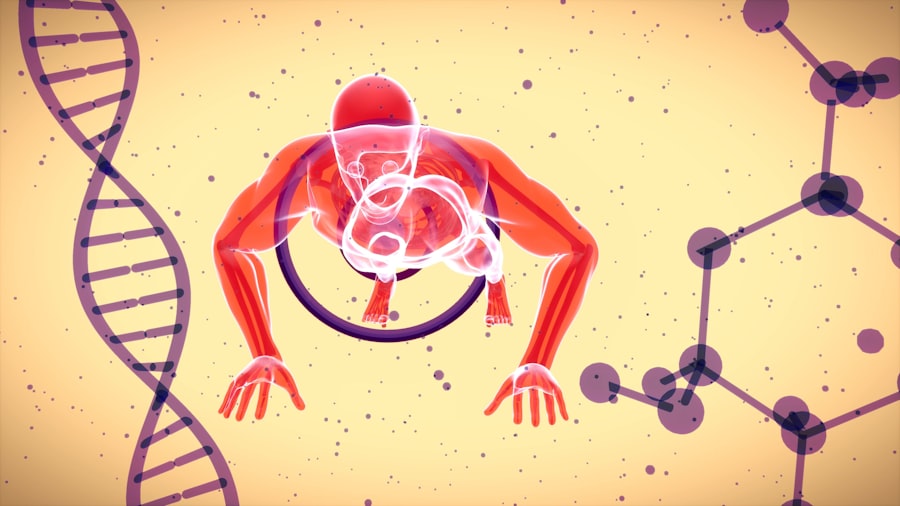
The culmination of this extraordinary internal journey is the dramatic transition of birth. This is a profound and awe-inspiring event, where you move from the protection and nourishment of your mother’s womb to the external environment.
The Push for Life: Instrumental Labor
Birth is an active process, both for you and your mother. Your body is genetically programmed to initiate this process, and the physical forces involved are remarkable. Your muscles engage, and you begin to navigate your way into the world.
The First Breath: A Symphony of Adaptation
One of the most significant moments of birth is your first breath. As you emerge from the amniotic fluid, your lungs, which have been filling with fluid, must now expand and fill with air. This is an involuntary and life-sustaining reflex, marking the initiation of independent respiration. It’s a powerful and immediate adaptation to a completely new environment.
Sensory Overload: A New World of Stimuli
Upon entering the world, you are exposed to a torrent of new sensory experiences. The bright lights, the different sounds, the feeling of air on your skin, and the gentle touch of those who greet you are all overwhelming yet crucial for your adaptation. Your brain begins to process this influx of information, laying the groundwork for future learning and understanding.
The intricate process of how the human body develops from a single cell into a complex organism is a fascinating subject that encompasses various fields of study, including biology and genetics. For those interested in exploring this topic further, a related article can be found at Freaky Science, which delves into the stages of human development and the factors that influence growth and maturation. Understanding these processes not only enhances our knowledge of human biology but also sheds light on the remarkable capabilities of the human body.
Infancy and Childhood: The Foundation of Your Life
| Stage of Development | Description |
|---|---|
| Embryonic Stage | The first 8 weeks of development, during which major organs and systems begin to form. |
| Fetal Stage | From 9 weeks until birth, during which the body continues to grow and develop, and organs become more functional. |
| Infancy | The first year of life, during which rapid physical and cognitive development occurs. |
| Childhood | From age 1 to puberty, during which physical growth continues and motor skills and language develop. |
| Adolescence | The period of development between childhood and adulthood, characterized by puberty and rapid physical changes. |
| Adulthood | The stage of life after adolescence, during which the body reaches its peak physical condition and then begins to age. |
The journey doesn’t end at birth. The periods of infancy and childhood are critical for continued development, learning, and the solidification of the foundations laid during gestation and birth. This is where you actively explore and interact with your environment, shaping your understanding of the world and your place within it.
Motor Skills: Learning to Move and Explore
From the instinctive reflexes of infancy, you begin to develop a remarkable range of motor skills. You learn to roll over, to sit up, to crawl, and eventually, to walk. Each new motor milestone opens up new possibilities for exploration and interaction, allowing you to engage with your surroundings in increasingly complex ways.
Cognitive Growth: The Wonder of Learning
Your cognitive abilities blossom during these years. You learn to recognize faces, to understand language, and to solve simple problems. Your brain continues to develop at an astonishing pace, forming new neural pathways and strengthening existing ones through your experiences. This is the period of immense curiosity and foundational learning.
Social and Emotional Development: Connecting with Others
As you grow, you begin to understand and navigate social interactions. You learn to form bonds with your caregivers, to express your emotions, and to understand the emotions of others. This emotional intelligence is crucial for building relationships and developing a sense of self.
The Adult You: A Continuing Evolution
Even as you reach adulthood, your body continues to be a dynamic entity. While the rapid growth of development has ceased, your cells are constantly regenerating, your tissues are repairing, and your brain continues to learn and adapt throughout your life. The journey of human body development is not a finite event, but a continuous, awe-inspiring process of change and adaptation, from your very first moments of existence to your final breath. You are, and always will be, a testament to the power and wonder of life’s unfolding.

Your Body Knows Something You Don’t
FAQs
1. What are the stages of human body development?
The human body development can be divided into several stages, including embryonic development, fetal development, infancy, childhood, adolescence, and adulthood.
2. What factors influence human body development?
Human body development is influenced by a combination of genetic, environmental, and lifestyle factors. These factors can impact physical, cognitive, and emotional development.
3. How does nutrition affect human body development?
Nutrition plays a crucial role in human body development, especially during early stages such as pregnancy and infancy. Adequate nutrition is essential for proper growth, brain development, and overall health.
4. What role does physical activity play in human body development?
Physical activity is important for human body development as it helps build strong muscles and bones, improves cardiovascular health, and supports overall physical and mental well-being.
5. What are some common developmental milestones in the human body?
Common developmental milestones in the human body include sitting up, crawling, walking, talking, puberty, and reaching reproductive maturity. These milestones vary from person to person but generally follow a predictable sequence.