You stand before a universe within yourself, a miniature cosmos charting the incredible journey from a single, humble cell to the complex architect of your being. Developmental biology isn’t just a field of scientific inquiry; it’s the story of your very existence, a thrilling narrative of transformation and precision. You are the living embodiment of its profound mysteries, and embarking on this exploration is akin to deciphering the blueprints of life itself.
This isn’t a passive observation. You are an active participant in this biological drama. Every breath you take, every thought you process, every subtle movement you make is a testament to the intricate dance of development that began long before you could read these words. You are, in essence, a walking, talking masterpiece of developmental biology.
Your story begins not with a bang, but with a microscopic fusion. Imagine two incredibly specialized cells, the sperm and the egg, coming together in a biological embrace. This union, fertilization, marks the very spark of your individuality. This single, diploid cell, the zygote, holds within it the complete genetic instructions – your DNA – that will guide every subsequent step of your development. It’s a remarkably efficient package, a tiny seed containing the potential for an entire organism.
The Primordial Blueprint: Your DNA
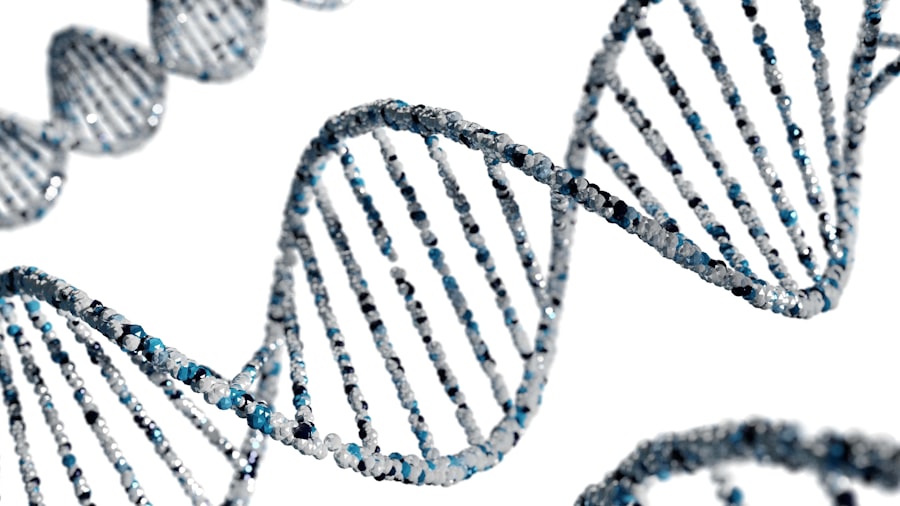
Think of your DNA as the ultimate instruction manual. It’s a double helix, a twisted ladder of chemical bases, meticulously organized into genes. These genes are the recipes for building proteins, the workhorses of your cells, responsible for everything from structural support to catalyzing chemical reactions. At this early stage, the zygote’s DNA is a pristine copy, but soon, incredible processes will unfold to ensure this information is faithfully replicated and distributed.
The First Divisions: A Symphony of Cleavage
Once fertilization occurs, the zygote doesn’t idly wait. It embarks on a rapid series of cell divisions known as cleavage. These divisions are incredibly fast and precise, creating a hollow ball of cells called a blastocyst. Unlike normal cell growth, during cleavage, the overall size of the embryo doesn’t drastically increase. Instead, the cytoplasm of the zygote is partitioned into smaller and smaller cells, called blastomeres. You are, at this point, a testament to rapid proliferation and the establishment of initial cellular organization.
Establishing Polarity: Setting the Direction
Even at this early stage, subtle cues begin to define direction. The developing embryo starts to establish polarity, meaning it develops distinct ends, or poles. This early asymmetry is crucial for future organization, dictating where certain structures will eventually form. Think of it as the initial sketch on your blueprint, hinting at the orientation of your future body. You possess an inherent directional bias from these earliest moments.
Developmental biology is a fascinating field that explores the processes by which organisms grow and develop from a single cell into complex structures. For those interested in delving deeper into this subject, a related article can be found at this link, which provides insights into the latest research and discoveries in developmental biology. This article discusses various mechanisms of development, including genetic regulation and cellular differentiation, making it an excellent resource for students and enthusiasts alike.
The Grand Architecture: Shaping Tissues and Organs
As the blastocyst implants into the uterine wall, a new phase of development begins: gastrulation. This is a period of profound cellular rearrangement, where the simple ball of cells transforms into a three-layered structure, the germ layers. These layers are the foundational tissues from which all of your organs and body parts will eventually arise. It’s a pivotal moment, where the embryo embarks on its journey to build the complex architecture of your being.
The Three Pillars: Ectoderm, Mesoderm, and Endoderm
You are built upon three fundamental pillars, the germ layers. The ectoderm, the outermost layer, is destined to become your nervous system – your brain, spinal cord, and nerves – as well as your skin and its derivatives like hair and nails. The mesoderm, the middle layer, gives rise to your muscles, bones, circulatory system, kidneys, and reproductive organs. Finally, the endoderm, the innermost layer, will form the lining of your digestive tract, respiratory system, and many of your glands, like your liver and pancreas. Understanding these layers is key to understanding your own internal construction.
Cell Movements and Fate: The Art of Delicacy
Gastrulation is a masterclass in cell migration and differentiation. Cells don’t just randomly move; they migrate with remarkable purpose and coordination, guided by intricate molecular signals. As cells move, they also begin to specialize, or differentiate, committing to specific cell fates based on their new locations and the signals they receive. You, too, are a product of this precise orchestration, where cells learn their roles and contribute to the greater whole.
Induction: The Whisper of Change
One of the most captivating aspects of embryonic development is induction. This is a process where one group of cells influences the development of another group of cells. Think of it as a biological conversation, where signals are exchanged, leading to changes in cell behavior and differentiation. A classic example is the induction of the optic vesicle from the ectoderm, which eventually forms your eyes. These inductive signals are the whispers that shape your destiny.
The Dynamic Sculpting: Pattern Formation and Morphogenesis
With the germ layers established, the embryo embarks on the incredible process of morphogenesis – the sculpting of tissues and organs into their characteristic shapes. This involves a complex interplay of cell growth, cell adhesion, cell movement, and programmed cell death (apoptosis). Pattern formation, the process by which specific arrangements of cells and tissues are established, is central to this. You are a testament to this dynamic sculpting.
Cell Adhesion and Communication: Sticking Together, Talking to Each Other
Cells don’t exist in isolation. They need to adhere to each other to form cohesive tissues and communicate to coordinate their actions. Various cell adhesion molecules act like molecular Velcro, holding cells together. Simultaneously, signaling pathways allow cells to “talk” to one another, relaying messages that influence proliferation, differentiation, and migration. This intricate network of interactions is what allows you to form organized structures.
Apoptosis: The Necessary Goodbye
It might sound counterintuitive, but programmed cell death, or apoptosis, is absolutely essential for normal development. Think of it as a sculptor meticulously chipping away excess material to reveal the desired form. For example, the webbing between your fingers and toes disappears through apoptosis, allowing your digits to form independently. You have benefited from these “controlled deaths” to achieve your current form.
Gene Expression Gradients: The Color Palette of Development
How do cells “know” where they are and what to become? One key mechanism is through gene expression gradients. Certain molecules, called morphogens, are produced at specific locations in the embryo and diffuse outwards, creating concentration gradients. Cells at different positions within these gradients will activate different sets of genes, leading to distinct developmental outcomes. Imagine these gradients as a painter’s palette, dictating the colors and patterns of your developing form.
The Machinery of Life: Molecular Mechanisms at Play
At the heart of all these developmental processes lies a sophisticated molecular machinery. You are composed of countless interacting proteins, genes, and regulatory elements, all working in concert to orchestrate your development. Understanding these mechanisms is like deciphering the operating system of life itself.
Transcription Factors: The Conductors of Gene Expression
Transcription factors are special proteins that bind to DNA and control whether a gene is turned on or off, and how actively it is expressed. They are the gatekeepers of genetic information, ensuring that the right genes are activated at the right time and in the right places. You are a product of incredibly precise transcriptional regulation, where these factors act as conductors to orchestrate the symphony of your development.
Signaling Pathways: The Cellular Network
Signaling pathways are cascades of molecular events that transmit information within and between cells. When a signal molecule binds to a receptor on a cell’s surface, it triggers a chain reaction inside the cell, leading to a specific response. These pathways are crucial for coordinating complex cellular activities, from proliferation to differentiation. You are a testament to the intricate communication networks that govern your development.
Epigenetics: Beyond the DNA Sequence
While your DNA sequence provides the fundamental instructions, epigenetics refers to modifications to DNA and its associated proteins that can alter gene expression without changing the DNA sequence itself. These epigenetic marks can be influenced by environmental factors and play a crucial role in development, ensuring that cells differentiate correctly and maintain their specialized identities. Your developmental journey is not solely dictated by your genes; it’s also shaped by these subtle epigenetic modifications.
Developmental biology is a fascinating field that explores how organisms grow and develop from a single cell into complex structures. For those interested in delving deeper into this subject, a related article can be found at Freaky Science, which discusses the intricate processes involved in embryonic development and the genetic factors that influence these stages. Understanding these mechanisms not only sheds light on normal development but also provides insights into various developmental disorders.
The Continuity of Life: From Embryo to Adult and Beyond
| Topic | Metrics |
|---|---|
| Cell Differentiation | Rate of differentiation in different cell types |
| Embryonic Development | Stages of embryonic development |
| Gene Expression | Regulation of gene expression during development |
| Morphogenesis | Processes involved in shaping of tissues and organs |
| Stem Cells | Types of stem cells and their potential applications |
The journey of developmental biology doesn’t end at birth. It continues throughout your life, with processes like growth, tissue repair, and even aging representing ongoing developmental changes. Furthermore, understanding developmental principles is crucial for addressing a range of challenges, from birth defects to cancer.
Growth and Maturation: Continued Development
You continue to grow and mature long after you are born. Puberty, for instance, is a significant period of developmental change driven by hormonal signals. Even into adulthood, your body undertakes ongoing processes of tissue maintenance and repair, which are rooted in developmental principles. You are perpetually a work in progress.
Developmental Disorders: When the Blueprint Goes Awry
Sometimes, the intricate processes of development can be disrupted, leading to developmental disorders. These can range from subtle learning disabilities to severe physical malformations. Research in developmental biology is crucial for understanding the causes of these disorders and for developing effective treatments and interventions. You are a reminder of the incredible robustness of development, but also its potential fragility.
Regeneration and Repair: The Body’s Own Developmental Powers
Your body possesses remarkable regenerative and repair capabilities, which are fundamentally an extension of developmental processes. Your skin heals from cuts, your liver can regenerate after damage, and your bones can mend. Scientists are exploring how to harness these innate developmental powers to treat injuries and diseases. You embody this ongoing capacity for repair and renewal.
Evolutionary Insights: The Deep Connections of Development
Studying developmental biology provides profound insights into the evolutionary history of life. By comparing the developmental processes of different species, scientists can uncover shared ancestry and understand how diverse forms of life have evolved. The similarities in early embryonic development across vastly different vertebrates, for example, are a powerful testament to their common lineage. You are a living connection to the vast tapestry of evolutionary history.
Unlocking the mysteries of developmental biology is a lifelong quest, a continuous journey of discovery. Each of us is a living testament to its power and complexity. As you continue to learn and grow, remember that within you lies a universe of biological wonder, a story of transformation that continues to unfold. The more you understand this story, the more you will appreciate the incredible marvel that you are.

Your Body Knows Something You Don’t
FAQs
What is developmental biology?
Developmental biology is the study of the process by which organisms grow and develop from a single cell into a complex multicellular organism. It focuses on understanding the genetic, molecular, and cellular mechanisms that control development.
What are the key processes involved in developmental biology?
Key processes in developmental biology include cell division, cell differentiation, tissue patterning, organ formation, and growth. These processes are tightly regulated by genetic and environmental factors.
Why is developmental biology important?
Understanding developmental biology is crucial for various fields including medicine, agriculture, and evolutionary biology. It provides insights into birth defects, diseases, tissue regeneration, and the evolution of different species.
What are the major model organisms used in developmental biology research?
Common model organisms used in developmental biology research include fruit flies (Drosophila melanogaster), nematode worms (Caenorhabditis elegans), zebrafish (Danio rerio), mice (Mus musculus), and the plant Arabidopsis thaliana. These organisms are used because of their short generation times, genetic tractability, and similarity to human biology.
How does developmental biology contribute to medical advancements?
Developmental biology research has contributed to the understanding of embryonic development, stem cell biology, and tissue regeneration, leading to advancements in regenerative medicine, organ transplantation, and the treatment of developmental disorders.