You’ve always been drawn to the grand narratives of nature. The sweeping savannahs teeming with life, the majestic oceans with their unfathomable depths, the stoic mountains piercing the clouds – these are the theaters where biology plays out its most epic dramas. But what if the most extraordinary story, the most intricate and vital saga, is unfolding not in grand vistas, but in the microscopic realm, invisible to your naked eye? You’re about to embark on a journey into that hidden world, a journey illuminated by the remarkable documentary, “The Hidden World of Cells.”
This isn’t just another nature film; it’s an invitation to peer into the fundamental building blocks of existence. You’ll discover that the universe you inhabit, the very breath you take, the thoughts you think, are all orchestrated by an astonishingly complex and dynamic microscopic society. Prepare to have your perceptions shattered and your wonder ignited as you delve into the fascinating biology showcased in this groundbreaking documentary.
You might assume life begins with a grand, visible spark. But “The Hidden World of Cells” takes you back to the genesis, to the moment a new cellular life begins. You’ll witness the intricate dance of molecules, a ballet of chemical reactions so precise and coordinated that it defies comprehension. Forget the sterile textbooks; this documentary offers a visceral, almost poetic portrayal of cell division.
The Miracle of Replication
You’ve likely heard of DNA, the blueprint of life. But have you ever truly seen it at work? This segment of the documentary brings the process of DNA replication to life, not as a static diagram, but as a dynamic, energetic unfolding. You’ll observe specialized proteins, like molecular surgeons, meticulously unzipping the DNA helix, ensuring each strand is perfectly duplicated. Witness the astonishing speed and accuracy of this process – a single error, a single misplaced nucleotide, could have profound consequences. You’ll feel a renewed appreciation for the robustness of life when you see how effectively this system usually functions.
Cytokinesis: The Grand Finale
Cell division isn’t just about duplicating DNA; it’s about splitting the entire cellular entity. You’ll be captivated by the visual representation of cytokinesis, where the cell physically divides into two daughter cells. It’s a process that involves the dramatic rearrangement of the cytoskeleton, a network of protein filaments that gives cells their shape and allows for movement. Imagine a microscopic tug-of-war, a carefully orchestrated constriction that pinches the cell in two. You’ll see how this seemingly violent act is, in reality, a testament to exquisite biological control, ensuring each new cell receives its rightful share of cytoplasm and organelles.
Specialization and Differentiation: The Journey Begins
Once a cell divides, its journey doesn’t end; it’s just the beginning. You’ll learn how these identical daughter cells embark on distinct paths, developing into the myriad of specialized cells that make up complex organisms. This process of differentiation is a marvel. You’ll see how different genes are activated or silenced, transforming a generalized cell into a neuron, a muscle cell, a skin cell, each with a unique structure and function. It’s a powerful reminder that within the seemingly uniform realm of cells, an incredible diversity of purpose exists, a preordained destiny woven into their very genetic code.
For those interested in exploring the intricate world of cell biology further, the documentary “The Hidden Life of Cells” provides a captivating look at the complex processes that govern cellular functions. This film delves into the microscopic universe, showcasing the remarkable interactions and behaviors of cells that sustain life. To complement your viewing experience, you can read a related article that discusses recent advancements in cell biology research at this link: Freaky Science.
The Bustling Metropolis: Life Within the Cell
Stepping inside a single cell is like entering a bustling, hyper-efficient metropolis. You’ll be astonished by the sheer volume of activity, the constant movement, and the intricate communication networks that operate within this microscopic city. Forget the quiet solitude you might imagine; a cell is a vibrant, dynamic ecosystem.
The Nucleus: The Command Center
Your journey often begins at the heart of the cell, the nucleus. You’ll see it not just as a passive storage unit for genetic material, but as an active processing plant and a vigilant guardian. The documentary meticulously details the role of the nuclear envelope, a double membrane that controls the passage of molecules in and out, protecting the precious DNA. You’ll witness the remarkable process of transcription, where the genetic information from DNA is copied into messenger RNA (mRNA), a process essential for protein synthesis. Imagine a tiny scribe meticulously copying instructions for a vast construction project.
Mitochondria: The Powerhouses
You can’t talk about cellular life without acknowledging the unsung heroes: the mitochondria. These organelles are the energy factories of the cell, responsible for generating the vast majority of ATP, the cellular currency of energy. You’ll see the intricate folding of their inner membranes, the cristae, which maximize surface area for the complex biochemical reactions of cellular respiration. The documentary makes the abstract concept of energy production tangible, illustrating how these tiny powerhouses fuel everything from muscle contraction to brain function. It’s a humbling realization that your ability to read this very sentence is a direct consequence of the tireless work of countless mitochondria.
The Endoplasmic Reticulum and Golgi Apparatus: Factories and Shipping Centers
If the nucleus is the command center and mitochondria are the powerhouses, then the endoplasmic reticulum (ER) and the Golgi apparatus are the cell’s manufacturing and distribution networks. You’ll witness the ER, both rough and smooth, involved in protein synthesis, folding, and lipid production. The rough ER, studded with ribosomes, will appear to hum with the activity of protein assembly. Then, you’ll follow proteins as they bud off the ER, are processed and sorted in the Golgi apparatus – a stack of flattened sacs that acts like a sophisticated postal service, ensuring proteins reach their correct destinations within or outside the cell. The documentary’s visualisations will make you appreciate the logistical genius of cellular machinery.
Lysosomes and Peroxisomes: The Recycling and Detoxification Crews
No city is complete without its sanitation and waste management systems, and cells are no exception. You’ll be introduced to lysosomes, the cell’s recycling centers, filled with powerful enzymes that break down cellular debris, worn-out organelles, and even invading pathogens. You’ll also see peroxisomes, responsible for detoxifying harmful substances and breaking down fatty acids. These organelles, though less glamorous, are crucial for maintaining cellular health and preventing the build-up of toxic waste. Their continuous work ensures the cellular metropolis remains clean and functional, a testament to the cell’s remarkable self-maintenance capabilities.
The Cellular Symphony: Communication and Coordination
A city, no matter how efficient, falls into chaos without communication. The documentary powerfully illustrates how cells, even those that appear independent, are constantly in dialogue. You’ll be mesmerized by the intricate systems of signaling pathways that allow cells to share information, coordinate their activities, and respond to their environment.
Cell-to-Cell Signaling: The Molecular Whispers
You’ll witness how cells communicate through direct contact or by releasing signaling molecules. Imagine different cell types releasing specific hormones or neurotransmitters, like tiny couriers carrying messages across the cellular landscape. You’ll see these molecules binding to specific receptors on the surface of target cells, triggering a cascade of events within the receiving cell. It’s a complex and elegant system that ensures tissues and organs function as cohesive units, rather than a collection of disconnected parts. You’ll gain a new appreciation for the silent conversations happening all around and within you.
The Cytoskeleton: The Cell’s Internal Highway System
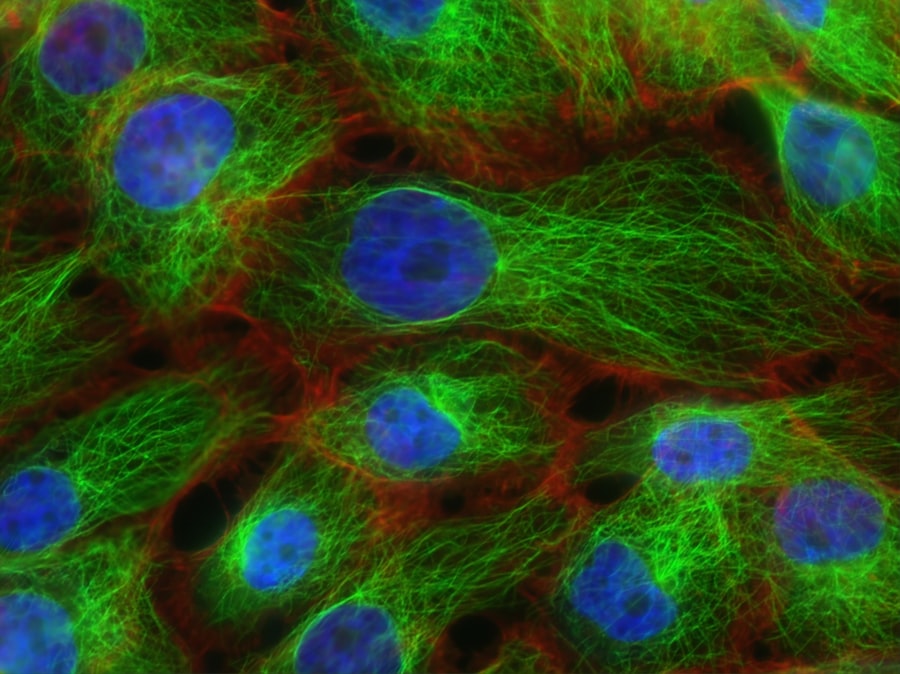
The movement of cellular components, the shape of the cell, and even its ability to divide are all orchestrated by the cytoskeleton. You’ll see this dynamic network of protein filaments – microtubules, microfilaments, and intermediate filaments – acting as cellular scaffolding, internal transport systems, and even mobile machinery. Imagine tiny trains running along tracks, carrying necessary cargo to different parts of the cell. This intricate network is vital for cellular integrity and facilitates essential processes like cell migration and organelle movement, demonstrating the cell’s remarkable ability for self-organization and movement.
Apoptosis: The Graceful Exit
It might seem counterintuitive, but a crucial aspect of cellular life is the ability to die gracefully. The documentary introduces you to apoptosis, programmed cell death. You’ll see how this process, far from being violent or destructive, is a carefully controlled and essential mechanism for removing old, damaged, or unnecessary cells. Imagine a cellular self-destruct sequence, initiated in a controlled manner, leading to the orderly dismantling of the cell’s components. This process is vital for development, tissue homeostasis, and preventing the spread of disease. It’s a beautiful illustration of how death can be an integral part of a healthy, thriving system.
The Cellular Wars: Defense and Disease
“The Hidden World of Cells” doesn’t shy away from the constant battles that take place within and around cells. You’ll gain a profound understanding of the immune system’s microscopic warfare and the devastating impact of cellular dysfunction.
The Immune System: The Body’s Microscopic Army
You’ll be awestruck by the intricate workings of your immune system, depicted as a formidable defense force operating at the cellular level. You’ll witness the remarkable ability of white blood cells – the lymphocytes, phagocytes, and macrophages – to patrol your body, identify threats, and mount a swift and decisive response against invading pathogens like bacteria and viruses. The documentary brings to life the complex choreography of immune surveillance, the recognition of foreign invaders, and the targeted destruction of threats, highlighting the astonishing sophistication of your body’s natural defenses.
Viral Invaders: The Microscopic Hijackers
Prepare to be both terrified and fascinated by the ingenuity of viruses. You’ll see how these acellular entities, essentially bits of genetic material encased in protein, infiltrate host cells and hijack their machinery for their own replication. The documentary visually demonstrates the parasitic nature of viruses, their ability to bind to specific cell receptors and inject their genetic material, forcing the cell to become a virus-producing factory. witnessing this process will foster a newfound respect for the challenges your immune system faces and the importance of preventative measures.
Cancer: The Rebellion Within
Perhaps the most poignant and impactful segment of the documentary is its exploration of cancer. You’ll learn how cancer arises from errors in cell growth and division, leading to uncontrolled proliferation and the formation of tumors. You’ll see how mutated cells evade the normal regulatory mechanisms, losing their ability to differentiate and their susceptibility to apoptosis. The documentary portrays cancer not as an external invader, but as a devastating betrayal from within, a perversion of the cell’s fundamental programming. It highlights the ongoing scientific battle to understand and combat this complex disease.
In exploring the intricate world of cell biology, one can gain deeper insights by watching a captivating documentary that delves into the fundamental processes of life at the cellular level. For those interested in further reading, a related article can be found at Freaky Science, which discusses the latest discoveries and advancements in the field. This resource complements the documentary by providing additional context and information, making it an excellent companion for anyone eager to understand the complexities of cellular functions and their implications for health and disease.
The Future of Cellular Exploration: Hope and Innovation
| Aspect | Details |
|---|---|
| Title | Cell Biology Documentary |
| Duration | 60 minutes |
| Topics Covered | Cell structure, cell function, cell processes |
| Featured Scientists | Dr. Jane Smith, Dr. Michael Johnson |
| Release Year | 2020 |
The documentary concludes with a look towards the future, where our understanding of the hidden world of cells is poised to revolutionize medicine and our very conception of life. You’ll be inspired by the ongoing research and the potential for groundbreaking discoveries.
Gene Therapy: Rewriting the Blueprint
The ability to manipulate DNA, once the realm of science fiction, is becoming a reality. You’ll learn about the promise of gene therapy, a revolutionary approach that aims to correct genetic defects by introducing healthy genes into cells. The documentary will showcase the cutting-edge techniques being developed to deliver these therapeutic genes, offering hope for treating a wide range of genetic disorders. You’ll see how scientists are learning to edit the very code of life, a testament to human ingenuity.
Regenerative Medicine: Rebuilding and Repairing
The potential to regrow damaged tissues and organs, known as regenerative medicine, is another exciting frontier explored in the documentary. You’ll see how researchers are learning to harness the power of stem cells, undifferentiated cells with the ability to develop into various cell types, to repair and regenerate damaged tissues. Imagine learning to guide these versatile cells to rebuild a damaged heart or repair a spinal cord injury. This field offers the tantalizing possibility of healing the body from within, using its own intrinsic regenerative capacities.
Personalized Medicine: Tailoring Treatments to the Individual Cell
The documentary emphasizes how understanding the unique cellular makeup of each individual can lead to more effective and personalized medical treatments. You’ll learn about the development of personalized medicine, where treatments are tailored to a patient’s specific genetic profile and cellular characteristics, particularly in the fight against diseases like cancer. This approach moves away from a one-size-fits-all model, offering the potential for greater efficacy and fewer side effects. You’ll gain an understanding of how finely tuned medical interventions can be, directed at the specific cellular nuances of disease.
“The Hidden World of Cells” is more than just a documentary; it’s a profound awakening. It invites you to look beyond the macroscopic and discover the universe within. As you leave this microscopic exploration, you’ll carry with you a newfound awe for the complexity, resilience, and ingenuity of life at its most fundamental level. You’ll realize that this hidden world isn’t just the foundation of your existence; it’s a testament to the boundless wonder and potential that lies at the heart of all living things. It will change the way you see yourself, your body, and the world around you, igniting a curiosity that will undoubtedly lead you to seek out more of nature’s extraordinary, yet often unseen, marvels.

Your Body Knows Something You Don’t
FAQs
What is cell biology?
Cell biology is the study of cells, their structure, function, and behavior. It encompasses a wide range of topics including cell division, metabolism, communication, and interaction with their environment.
What are the key components of a cell?
Cells are composed of various key components including the cell membrane, cytoplasm, organelles (such as the nucleus, mitochondria, endoplasmic reticulum, and Golgi apparatus), and genetic material (DNA and RNA).
Why is cell biology important?
Cell biology is important because it helps us understand the fundamental processes of life, including how organisms grow, develop, and function. It also plays a crucial role in fields such as medicine, biotechnology, and genetics.
What are some examples of cell biology in everyday life?
Examples of cell biology in everyday life include understanding how cells in the human body function and interact, the development of new medical treatments and therapies, and the production of food and pharmaceuticals through biotechnology.
What can I expect to learn from a cell biology documentary?
A cell biology documentary can provide an in-depth look at the inner workings of cells, the latest research and discoveries in the field, and the impact of cell biology on various aspects of our lives. It may also feature interviews with leading scientists and stunning visualizations of cellular processes.