
You are a marvel of biological engineering. Your body, a constant symphony of microscopic activity, is far more than just a collection of organs and tissues. It’s a dynamic, intricate system designed for survival, equipped with an incredible array of self-repair mechanisms that work tirelessly to keep you functioning, day in and day out. You might not always be aware of it, but countless processes are happening within you right now, mending, rebuilding, and defending against the constant onslaught of damage and decay. This article will delve into the astounding ways your body orchestrates its own recovery, showcasing the remarkable power of your internal repair crew.
At the most fundamental level, your body’s remarkable resilience stems from its ability to regenerate at the cellular level. Every single one of your trillions of cells has a finite lifespan and a propensity for damage. Yet, instead of a gradual decline, your body possesses astonishing mechanisms to replace these worn-out or injured cells with fresh, functional ones. This continuous renewal is a cornerstone of your health and longevity.
The Cycle of Life: Cell Division and Turnover
The primary driver of cellular regeneration is cell division, a meticulously controlled process known as mitosis. When a cell needs to be replaced, whether due to wear and tear or external damage, it triggers a cascade of events that leads to the creation of two identical daughter cells. Think of it as your body having an internal blueprint, ensuring that the new cells are exact replicas, carrying out the same functions.
- The Mitotic Dance: Imagine a microscopic ballet. Before division, the cell meticulously duplicates its genetic material (DNA), ensuring that each new cell receives a complete set of instructions. Then, the cell undergoes a series of carefully orchestrated steps: the chromosomes condense, align in the center, and are then pulled apart to opposite poles of the cell. Finally, the cell itself divides, forming two new, fully functional cells. This isn’t a random occurrence; it’s a tightly regulated process governed by signaling pathways and checkpoints, preventing errors that could lead to disease.
- Constant Replenishment: Different tissues in your body have varying rates of cell turnover. Your skin cells, for example, are constantly sloughing off and being replaced, a process you might notice as your skin heals after a minor scrape. The lining of your digestive tract undergoes even more rapid replacement, exposed as it is to harsh digestive juices and the constant passage of food. Red blood cells, crucial for oxygen transport, have a lifespan of about 120 days and are continuously being produced in your bone marrow. This constant renewal ensures that even with constant attrition, you maintain optimal tissue function.
Stem Cells: The Body’s Undifferentiated Workforce
But what about situations requiring more significant repair, or when specific cell types are lost? This is where your incredible stem cells come into play. These are special, unspecialized cells that have the unique ability to divide and differentiate into various specialized cell types. They are truly the body’s adaptable repair crew, ready to be deployed where needed.
- Embryonic vs. Adult Stem Cells: You might have heard of embryonic stem cells, which have the potential to develop into any cell type in the body. However, your body also harbors adult stem cells, which are more restricted in their capabilities but are still vital for tissue maintenance and repair throughout your life. These adult stem cells are like a reserve pool, waiting for the signal to activate and begin their specialized roles.
- Dormant to Dynamic: In a healthy state, many stem cells remain dormant, preserving their potential. However, when injury or damage occurs, a complex signaling system alerts these stem cells. They are then activated, begin to divide, and differentiate into the precise cell types needed to mend the affected tissue. For instance, stem cells in your bone marrow can give rise to new blood cells, while neural stem cells can contribute to the repair of nerve tissue. This targeted regeneration is a critical aspect of your body’s ability to recover from injury and disease.
The human body possesses an incredible ability to repair itself, a process that is essential for maintaining health and recovering from injuries. For a deeper understanding of this fascinating topic, you can read a related article that explores the mechanisms behind bodily repair and regeneration. This article provides insights into how cells communicate during the healing process and the role of various biological factors. To learn more, visit this article.
The Swift Responders: Inflammation and the Immune System
When your body encounters an invader – be it a harmful microbe, a physical irritant, or damaged tissue – it doesn’t just passively observe. Instead, it mounts a rapid and coordinated defense. This defense mechanism, known as inflammation, is your body’s initial, crucial step in initiating the repair process. While often associated with pain and discomfort, inflammation is a vital signal and a powerful engine for healing.
The Alarm Bells: Recognizing Danger
The first step in any defense is recognizing the threat. Your body has sophisticated ways of identifying what doesn’t belong.
- Pathogen Patrol: Specialized cells within your immune system, like macrophages and neutrophils, are constantly patrolling your tissues. They are equipped with receptors that can recognize common molecular patterns found on bacteria, viruses, and fungi. When they encounter such a pattern, an alarm is sounded.
- Damage Signals: Even without external invaders, damaged cells release specific molecules. These “danger signals” alert nearby immune cells that something is amiss, triggering an inflammatory response aimed at clearing out the debris and initiating repair. Think of it as damaged cells sending out distress signals to their neighbors.
The Cavalry Arrives: The Inflammatory Cascade
Once a threat is detected, a complex cascade of events unfolds, unleashing the inflammatory response.
- Vascular Changes: Blood vessels in the affected area dilate, increasing blood flow. This brings more immune cells, nutrients, and oxygen to the site. You might experience this as redness and warmth in an injured or infected area. The vessels also become more permeable, allowing immune cells to easily exit the bloodstream and move into the tissues where they are needed.
- Cellular Mobilization: Various types of white blood cells are recruited to the site. Neutrophils are often the first responders, acting as phagocytes to engulf and destroy bacteria and cellular debris. Macrophages arrive later, playing a more sustained role in clearing up the mess, signaling for further repair, and even presenting antigens to activate other parts of the immune system.
- Chemical Messengers: A host of chemical messengers, known as cytokines and chemokines, are released. These molecules act like a sophisticated communication network, directing immune cells, modulating the inflammatory response, and initiating the healing process. They are the generals of your internal army, orchestrating the entire operation.
Cleaning Up the Mess: Phagocytosis and Debridement
A critical function of the inflammatory response is the removal of damaged cells, pathogens, and debris. This process, known as phagocytosis, is carried out by specialized immune cells.
- Cellular Eaters: Phagocytes, like macrophages, are incredibly efficient at engulfing and digesting unwanted material. They essentially “eat” foreign invaders and dead or dying cells. This is a vital step in preventing infection from spreading and creating a clean slate for new tissue to grow.
- Wound Debridement: In the case of a physical wound, phagocytosis plays a crucial role in debridement – the removal of dead tissue and foreign bodies. This ensures that the wound bed is clean and prepared for the subsequent stages of healing. Without this meticulous cleanup, healing would be significantly hampered.
The Masters of Reconstruction: Tissue Repair and Scarring

Once the initial inflammatory response has cleared the debris and quelled any immediate threats, your body shifts gears to the intricate process of tissue repair and regeneration. This is where the bulk of the actual mending happens, aiming to restore the integrity and function of the damaged area.
Building Blocks: Fibroblasts and Collagen
The primary architects of tissue repair are cells called fibroblasts. These versatile cells are responsible for producing the extracellular matrix, a complex network of proteins and other molecules that provides structural support to tissues. The star player in this matrix is collagen.
- The Collagen Web: Fibroblasts produce vast amounts of collagen, a strong and fibrous protein that essentially forms the scaffolding for new tissue. Different types of collagen exist, each with specific properties, but they all contribute to the tensile strength of your tissues. Imagine fibroblasts weaving a strong, resilient net to bridge the gap left by damage.
- Granulation Tissue Formation: In the early stages of repair, damaged areas are filled with granulation tissue. This highly vascularized tissue is characterized by the rapid proliferation of fibroblasts and the deposition of collagen. It’s provisional tissue, rich in blood vessels to supply nutrients and oxygen, and it provides a foundation for more specialized cells to migrate into and rebuild the structure.
Rebuilding the Network: Angiogenesis and Epithelialization
For new tissue to function, it needs a blood supply and a protective outer layer. Your body excels at both.
- New Blood Vessels (Angiogenesis): The process of forming new blood vessels, called angiogenesis, is crucial for delivering oxygen and nutrients to the repairing tissue and for removing waste products. Signals released during inflammation stimulate the growth of new capillaries from existing ones, weaving a fresh vascular network throughout the healing area. This is essential for the long-term viability of the newly formed tissue.
- Skin Coverage (Epithelialization): For surface wounds, epithelialization is the process of new skin cells migrating from the edges of the wound to cover the exposed area. Skin stem cells play a vital role here, proliferating and spreading across the wound bed. This creates a protective barrier, preventing further infection and dehydration.
The Trade-off: Scar Formation
While your body’s repair mechanisms are incredibly effective, they aren’t always perfect. In cases of significant damage, especially to tissues that regenerate poorly, the repair process can lead to scarring.
- The Imperfect Patch: Scar tissue is primarily composed of dense collagen, which provides strength but lacks the elasticity and organized structure of the original tissue. Think of it as a patch rather than a perfect reconstruction. The appearance and function of a scar depend on the extent of damage and the individual’s healing response.
- Functional vs. Cosmetic Scars: Some scars are primarily cosmetic, while others can significantly impact organ function. For example, scarring in the lungs can impede breathing, and scar tissue on a blood vessel can restrict blood flow. However, even functional impairment is often preferable to the complete loss of tissue. Your body prioritizes restoring basic function and integrity, even if it’s with a less-than-perfect replacement.
The Body’s Vigilant Guardians: DNA Repair and Cancer Prevention
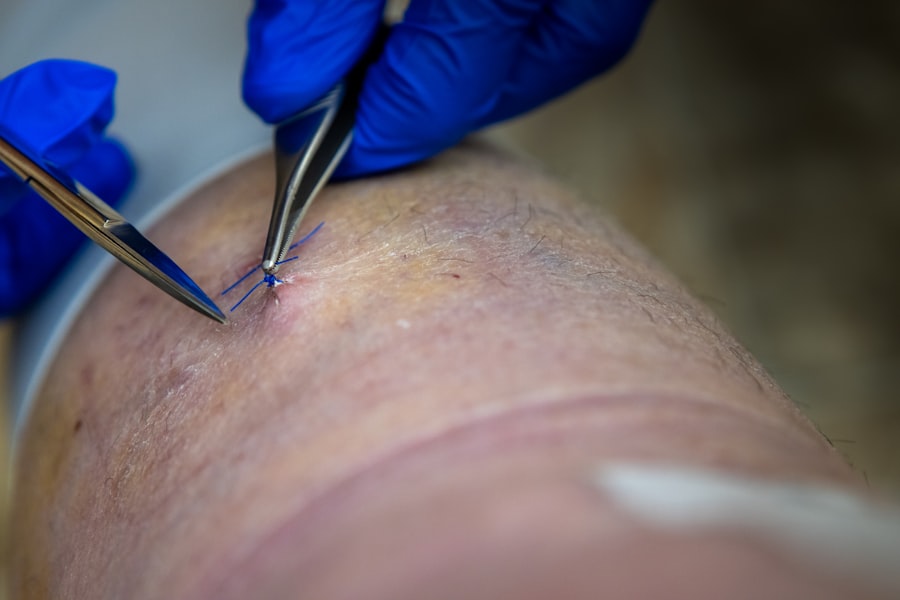
Beyond immediate injury and infection, your cells are constantly bombarded by internal and external threats that can damage their genetic material, DNA. This DNA damage is a precursor to mutations, and if left unchecked, can lead to cancer. Fortunately, your body possesses sophisticated DNA repair mechanisms that act as vigilant guardians, safeguarding your genetic code.
The Daily Assault: Sources of DNA Damage
You are exposed to various sources of DNA damage on a daily basis. Understanding these threats highlights the importance of your internal repair systems.
- Environmental Culprits: Ultraviolet (UV) radiation from the sun, ionizing radiation from sources like X-rays, and certain chemicals in your environment are known mutagens that can directly damage DNA.
- Metabolic Byproducts: Even normal metabolic processes within your cells can produce byproducts that are reactive and can damage DNA. These “endogenous” threats require constant vigilance.
- Replication Errors: Mistakes can occur during DNA replication, the process of copying your DNA before cell division. While your cellular machinery is incredibly accurate, occasional errors do happen.
The Repair Crews: Diverse DNA Repair Pathways
To combat this constant barrage, your cells have evolved a diverse array of DNA repair pathways, each specialized for different types of damage.
- Base Excision Repair (BER): This pathway is crucial for fixing damage caused by reactive oxygen species and certain chemical modifications to individual DNA bases. Imagine a team meticulously checking each building block of your genetic code and replacing any that are faulty.
- Nucleotide Excision Repair (NER): NER is responsible for repairing bulky lesions that distort the DNA helix, such as those caused by UV radiation. This pathway removes a segment of the DNA strand containing the damage and then synthesizes a new, correct segment. It’s like excising a damaged section of a blueprint and redrawing it accurately.
- Mismatch Repair (MMR): This system acts as a proofreader to correct errors that occur during DNA replication. If a base is mismatched, MMR enzymes detect the discrepancy and replace the incorrect base with the correct one. This is a vital quality control measure to ensure the accuracy of your genetic instructions.
The Ultimate Protector: Apoptosis
While DNA repair is paramount, sometimes the damage is too extensive, or the mutations are too dangerous to risk continuing cell division. In such cases, your body has a built-in self-destruct mechanism called apoptosis, or programmed cell death.
- Controlled Demise: Apoptosis is a clean and orderly process where a cell triggers its own demise, dismantling itself from within without causing inflammation or damaging neighboring cells. This is a critical safeguard against the development of cancer. If a cell harbors significant, unrepaired DNA damage that could lead to uncontrolled proliferation, it effectively removes itself from the equation.
- The Cancer Barrier: This controlled cell death is one of your most powerful defenses against cancer. By eliminating pre-cancerous cells, apoptosis significantly reduces the risk of tumor formation. It’s an essential, albeit sometimes unsettling, aspect of your body’s intricate self-preservation system.
The human body possesses an incredible ability to heal itself, a process that involves complex biological mechanisms and cellular interactions. For a deeper understanding of this fascinating topic, you can explore an insightful article that delves into the intricacies of bodily repair and regeneration. This article highlights how various systems work together to mend injuries and restore health, showcasing the remarkable resilience of our bodies. To read more about these processes, check out this related article that provides valuable insights into the science behind self-repair.
The Symphony of Regulation: Hormonal and Neurological Control
| Process | Description |
|---|---|
| Inflammation | The body’s initial response to injury, bringing white blood cells to the area to fight infection and remove damaged tissue. |
| Regeneration | Cells near the injury divide and multiply to replace damaged tissue. |
| Remodeling | The new tissue matures and strengthens, restoring the injured area to its original state. |
Underpinning all these repair processes is a sophisticated system of control and communication orchestrated by your hormones and nervous system. These systems act as the conductors of your internal symphony, ensuring that repair mechanisms are activated, regulated, and deactivated at the appropriate times and in the right places.
The Hormonal Messengers: Orchestrating the Body’s Response
Hormones, powerful chemical messengers produced by endocrine glands, play a crucial role in regulating many aspects of your body’s repair and maintenance.
- Growth and Repair Hormones: Hormones like growth hormone and insulin-like growth factor 1 (IGF-1) are essential for cell growth, division, and tissue repair. They stimulate the synthesis of proteins and the production of new cells, particularly during periods of growth or after injury.
- Stress and Healing: Stress hormones, such as cortisol, can have complex effects on healing. While short-term stress can mobilize resources for a quick response, chronic stress can impair immune function and slow down the healing process. This highlights the delicate balance your body strives to maintain.
- Hormonal Cycles: Hormones are also involved in cyclical processes that contribute to tissue turnover and maintenance. For example, female reproductive hormones are instrumental in the shedding and regeneration of the uterine lining.
The Nervous System: The Command Center
Your nervous system, with its intricate network of nerves and the brain, acts as the body’s command center, receiving information about damage and initiating appropriate responses.
- Sensory Input: Specialized sensory receptors throughout your body detect pain, temperature, pressure, and other stimuli. This information is relayed to the brain, signaling injury or potential harm.
- Autonomic Regulation: The autonomic nervous system, which controls involuntary bodily functions, plays a vital role in regulating blood flow to injured areas, modulating inflammation, and influencing the activity of immune cells.
- The Brain’s Role in Healing: Beyond immediate responses, your brain plays a role in coordinating complex healing processes. For example, the release of neurotransmitters can influence immune cell activity and the progression of wound healing. The brain’s connection to the endocrine system further amplifies its influence on repair.
The Interconnectedness of Systems
It is crucial to understand that these systems do not operate in isolation. The hormonal and neurological systems are intimately interconnected, constantly communicating to maintain homeostasis and orchestrate the body’s responses to challenges. A signal from your nervous system can trigger the release of hormones, which in turn can influence nerve activity. This intricate interplay ensures that your body’s self-repair mechanisms are activated in a coordinated and effective manner, demonstrating the profound elegance of your biological design.
You are a testament to the power of self-preservation. Your body, a miraculous and complex entity, possesses an astonishing capacity for repair, regeneration, and defense. From the microscopic dance of cellular division to the overarching coordination of your hormonal and nervous systems, every aspect of your being is dedicated to maintaining your health and well-being. Understanding these incredible self-repair mechanisms offers a profound appreciation for the marvel that you are, a living testament to nature’s ingenuity.

Your Body Knows Something You Don’t
FAQs
What is the process of the body repairing itself?
The process of the body repairing itself involves several steps, including inflammation, tissue regeneration, and remodeling. When the body is injured, it triggers an inflammatory response to remove damaged cells and pathogens. This is followed by the regeneration of new tissue to replace the damaged area, and finally, remodeling occurs to strengthen and reorganize the new tissue.
What are some factors that can affect the body’s ability to repair itself?
Several factors can affect the body’s ability to repair itself, including age, nutrition, underlying health conditions, and lifestyle choices. As we age, the body’s ability to repair itself may decrease. Poor nutrition can also impair the body’s ability to heal, as can underlying health conditions such as diabetes or autoimmune disorders. Lifestyle choices such as smoking and excessive alcohol consumption can also hinder the body’s ability to repair itself.
How does exercise impact the body’s ability to repair itself?
Regular exercise can have a positive impact on the body’s ability to repair itself. Exercise can improve circulation, which helps deliver oxygen and nutrients to the tissues, aiding in the repair process. It can also help reduce inflammation and improve the body’s overall immune function, which can support the repair process.
What role does sleep play in the body’s repair process?
Sleep plays a crucial role in the body’s repair process. During sleep, the body releases hormones that promote tissue repair and growth. Additionally, sleep allows the body to conserve energy and focus on repairing and rebuilding tissues that may have been damaged during the day. Lack of sleep can impair the body’s ability to repair itself and may lead to delayed healing.
Are there any specific nutrients that are important for the body’s repair process?
Several nutrients are important for the body’s repair process, including protein, vitamin C, zinc, and omega-3 fatty acids. Protein is essential for building and repairing tissues, while vitamin C is necessary for collagen production. Zinc plays a role in immune function and wound healing, and omega-3 fatty acids have anti-inflammatory properties that can support the repair process.