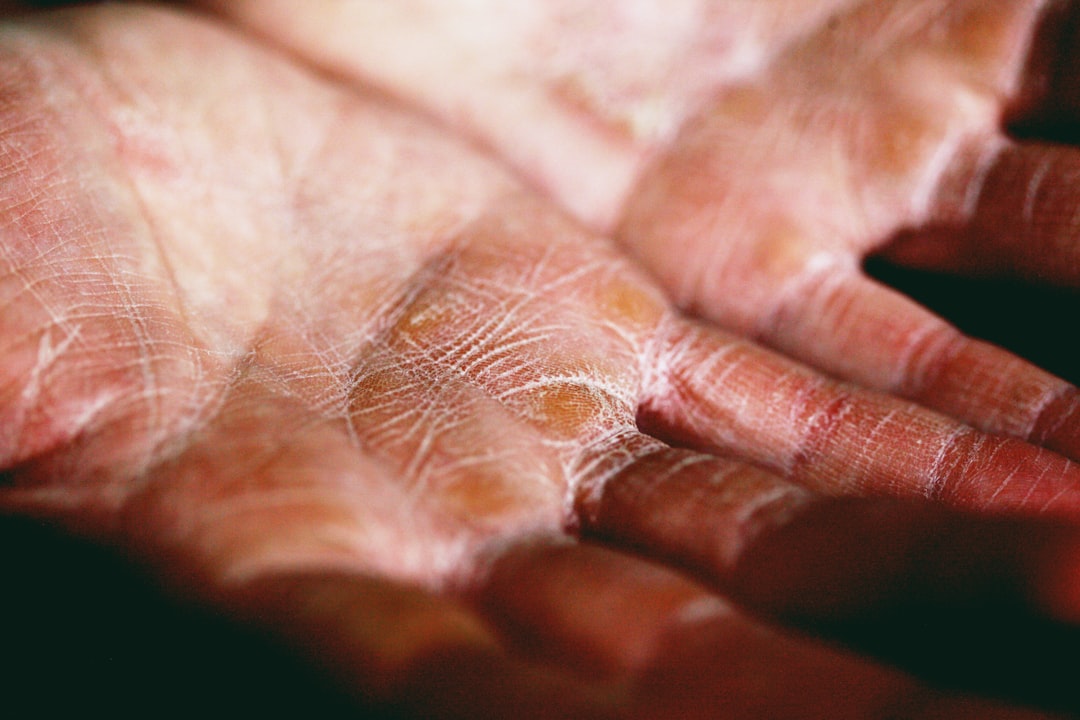
You’ve nicked yourself. A paper cut, a clumsy spill in the kitchen, or perhaps a more significant scrape from an outdoor adventure. Initially, there’s that sting, the welling of blood, and a fleeting sense of “Oh no!” But then, something remarkable begins to happen, often without you consciously directing it. Your body, in its intricate and astonishing wisdom, initiates a finely tuned process of repair. This is the natural healing process of wounds, a testament to your body’s resilience and its inherent ability to mend itself.
This intricate dance of cellular communication, chemical signals, and physical restructuring is a constant marvel. It’s a journey that transforms damaged tissue back into functional skin, a process that, while sometimes requiring external assistance, is fundamentally an internal achievement. Understanding this process doesn’t just demystify the occasional boo-boo; it empowers you with knowledge, allowing you to better care for your skin, recognize when things might be going awry, and appreciate the profound capabilities of your own biology.
The Body’s Immediate Response: The Inflammatory Phase
The moment tissue is damaged, your body leaps into action. This initial stage is characterized by inflammation, which might seem counterintuitive, as we often associate inflammation with problems. However, in the context of wound healing, inflammation is a crucial and necessary first step. Think of it as your body’s emergency response team arriving at the scene.
Mobilizing the First Responders: Vasodilation and Increased Permeability
As soon as the injury occurs, a cascade of signals is released. Blood vessels near the wound dilate, a process called vasodilation. This means the vessels widen, allowing for increased blood flow to the injured area. Simultaneously, the walls of these vessels become more permeable, meaning they become “leakier.”
The Purpose of Swelling and Redness
This increased blood flow and permeability lead to the classic signs of inflammation: redness, warmth, swelling, and pain. The redness and warmth are due to the increased blood supply. The swelling, or edema, is caused by fluid leaking out of the blood vessels into the surrounding tissues. This fluid carries essential components for healing. The pain, while unpleasant, serves as a signal to protect the injured area from further harm.
Clearing the Debris: Neutrophils and Macrophages
Once the emergency responders are in place, their primary job is to clean up the affected area. The first wave of immune cells to arrive are neutrophils. These are a type of white blood cell that are particularly adept at engulfing and destroying bacteria and other foreign debris that may have entered the wound. They act as the initial clean-up crew, preventing infection and removing dead cells.
Following the neutrophils, a more powerful and versatile immune cell arrives: the macrophage. Macrophages are like the demolition experts and sanitation department rolled into one. They not only engulf and digest remaining debris and dead cells but also release growth factors and signaling molecules that are critical for initiating the next stages of healing. They orchestrate the transition from defense to repair.
The Role of Platelets and Clotting
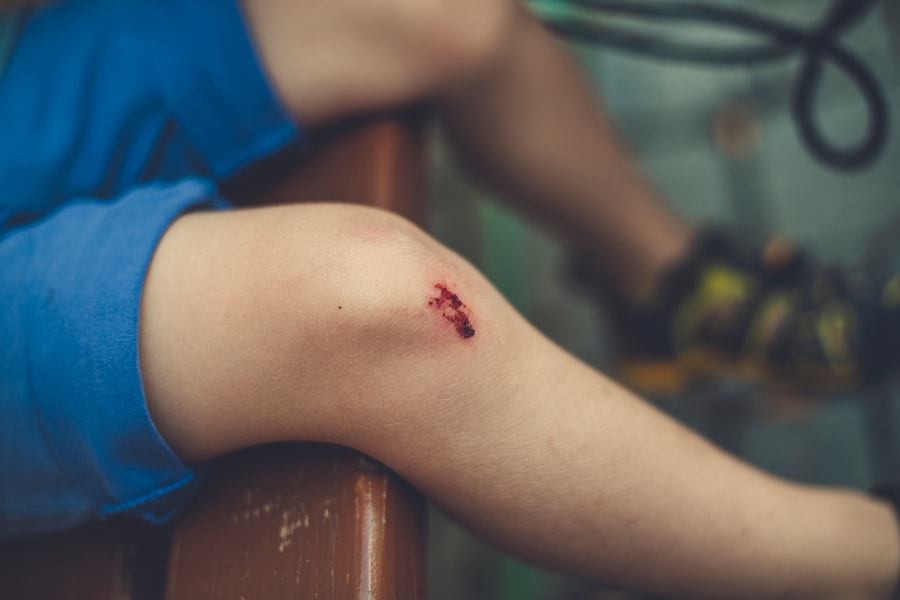
Simultaneously with the inflammatory response, your body is working to stop the bleeding. Platelets, tiny disc-shaped cells in your blood, play a vital role here. When a blood vessel is injured, platelets are activated and aggregate at the site of injury, forming a plug. They also release a complex series of proteins called clotting factors. These factors interact in a chain reaction, ultimately leading to the formation of a fibrin clot. This clot acts as a temporary seal, preventing further blood loss and providing a scaffold for the cells that will later repair the wound. You see this as the scab forming.
Understanding how wounds heal naturally is a fascinating topic that delves into the body’s remarkable ability to repair itself. For those interested in exploring this subject further, you can read a related article that discusses the various stages of wound healing and the factors that influence the process. Check it out here: Wound Healing Process. This article provides valuable insights into the biological mechanisms behind healing and offers tips on how to support your body’s natural recovery.
Building the New Framework: The Proliferative Phase
Once the inflammatory phase has effectively contained the damage and started the cleanup, your body enters the proliferative phase. This is where the real rebuilding begins. It’s like bringing in the construction crew to build a new structure on the prepared foundation.
Laying the Groundwork: Granulation Tissue Formation
The hallmark of the proliferative phase is the formation of granulation tissue. This is a healthy, red, granular-looking tissue that fills the wound bed. It’s composed of new blood vessels, fibroblasts, and a gel-like substance called extracellular matrix.
The Role of New Blood Vessels (Angiogenesis)
The new blood vessels, formed through a process called angiogenesis, are crucial. They deliver oxygen and nutrients to the healing tissue, which is essential for cell growth and function. You’ll notice the wound bed taking on a pink or red color as these new vessels proliferate.
Fibroblasts and Collagen Production
Fibroblasts are specialized cells that play a pivotal role in creating the structural integrity of the new tissue. They migrate into the wound and begin to produce collagen. Collagen is a tough, fibrous protein that forms the main structural component of connective tissues, including the skin. Initially, the collagen laid down is disorganized, but it provides the framework upon which new skin cells can grow.
Closing the Gap: Epithelialization
As the granulation tissue fills the wound, epithelialization begins. This is the process by which new skin cells, called keratinocytes, migrate from the edges of the wound and across the granulation tissue. They spread out, forming a thin, protective layer that eventually covers the entire wound surface.
The Formation of a New Epidermis
These keratinocytes are essentially rebuilding the epidermis, the outermost layer of your skin. As they migrate, they multiply and differentiate, creating the layers of a healthy epidermis. Initially, the new skin may appear thin and somewhat fragile, and its color might be different from the surrounding skin. This is because the new skin lacks melanocytes, the cells that produce pigment.
The Importance of Moisture
Maintaining a moist wound environment is critical for effective epithelialization. When the wound dries out, the keratinocytes can’t migrate as easily, which can impede healing. This is why wound dressings are designed to keep the wound moist but not saturated.
Strengthening and Remodeling the Scar: The Maturation Phase
The proliferative phase is about rapid construction and filling. The maturation phase, also known as the remodeling phase, is about refinement and strengthening. This is where the initial, somewhat haphazardly built structure is reinforced, organized, and made more robust.
The Long Game of Collagen Remodeling
For months, and even up to a year or more after the initial injury, your body continues to remodel the collagen within the wound. The initially disorganized collagen fibers are gradually broken down and replaced with stronger, more organized, and more numerous collagen fibers. This process significantly increases the tensile strength of the healed tissue.
From Redness to Faded Tone
As the collagen is remodeled, the vascularity of the scar tissue also decreases. This is why a mature scar typically fades from its initial red or pink color to a paler, more flesh-toned appearance. The scar becomes less noticeable as the blood vessels recede.
The Tensile Strength of the Healed Wound
While a healed wound will never possess the same tensile strength as uninjured skin (typically reaching about 70-80% of its original strength), the maturation phase significantly improves its ability to withstand mechanical stress. This means the healed skin is more resilient and less prone to tearing.
Scar Formation and Contraction
The scar itself is the physical manifestation of the maturation process. Scar tissue is primarily composed of collagen. In some wounds, particularly deeper ones, wound contraction can occur. This is a process where specialized cells called myofibroblasts pull the edges of the wound together, reducing the size of the defect. This is a beneficial process for large wounds, but it can sometimes lead to hypertrophic scars or contractures if it’s too aggressive.
Understanding Different Scar Types
You may have noticed that scars can look and feel different. Hypertrophic scars are raised and red, but they remain confined to the original wound boundaries. Keloids, on the other hand, are raised scars that grow beyond the boundaries of the original wound. These are thought to be due to an overproduction of collagen. The maturation phase is where these scar characteristics are largely established.
Factors Influencing the Healing Process
While your body has an incredible capacity for natural healing, several factors can influence how quickly and effectively this process occurs. Recognizing these can help you optimize your healing and prevent complications.
Nutrition: Fueling the Repair
Think of wound healing as your body undertaking a massive construction project. This project requires significant resources, and nutrition is the fuel.
The Importance of Protein
Protein is absolutely essential for wound healing. It provides the building blocks for new tissue, including collagen. A deficiency in protein can significantly slow down the healing process. You’ll find protein in lean meats, fish, eggs, dairy products, legumes, and nuts.
Vitamins and Minerals
Certain vitamins and minerals are also critical. Vitamin C, for example, is vital for collagen synthesis and plays a role in immune function. Zinc is crucial for cell growth and repair, and it’s involved in many enzymatic processes necessary for healing. Vitamin A also plays a role in epithelialization and immune function. Ensure you have a balanced diet rich in fruits, vegetables, and whole grains to obtain these vital nutrients.
Blood Supply: Delivering the Essentials
Adequate blood supply to the wound is paramount. Blood delivers oxygen, nutrients, and immune cells to the injured area, and it removes waste products.
Conditions Affecting Blood Flow
Conditions that impair circulation, such as peripheral artery disease, diabetes, or even prolonged immobility, can significantly hinder wound healing. If blood flow is compromised, the essential components needed for repair simply cannot reach the wound effectively.
Smoking’s Detrimental Impact
Smoking is a major culprit when it comes to impairing wound healing. Nicotine causes blood vessels to constrict, reducing blood flow to the extremities. Additionally, smoking introduces carbon monoxide into the bloodstream, which reduces the oxygen-carrying capacity of your red blood cells. This double whammy of reduced oxygen and nutrients can severely delay healing.
Infection: A Stumbling Block to Repair
The natural healing process is designed to prevent infection, but if bacteria overwhelm the defense mechanisms, it can halt healing in its tracks.
Signs of Infection
You’ll know an infection is present if you notice increased redness, swelling, warmth, pain, pus discharge, fever, or if the wound starts to smell bad.
The Importance of Cleanliness
Keeping wounds clean is your first line of defense against infection. This means washing your hands before and after touching the wound, gently cleaning the wound with mild soap and water or a saline solution, and using appropriate dressings.
Age and Chronic Illnesses: Navigating the Challenges
As we age, some of our body’s repair mechanisms can become less efficient. This doesn’t mean older individuals can’t heal, but it may take longer.
The Impact of Chronic Conditions
Chronic illnesses like diabetes, autoimmune diseases, or conditions that suppress the immune system can also significantly impact the healing process. Managing these underlying conditions is crucial for optimizing wound healing. For example, in diabetes, high blood sugar levels can damage blood vessels and impair immune cell function, both of which are critical for healing.
Wound healing is a complex biological process that involves various stages, including inflammation, tissue formation, and remodeling. Understanding how wounds heal naturally can provide valuable insights into improving recovery times and outcomes. For those interested in exploring this topic further, a related article on the science behind wound healing can be found at Freaky Science, which delves into the mechanisms that facilitate the body’s remarkable ability to repair itself.
Promoting Optimal Wound Healing
While your body does most of the heavy lifting, there are several things you can do to support and promote the natural healing process, ensuring the best possible outcome for your wounds.
Keeping Wounds Clean and Protected
This is perhaps the most fundamental aspect of wound care.
Gentle Cleaning Techniques
Use mild, non-irritating cleansers like saline solution or a gentle, pH-balanced soap and water. Avoid harsh antiseptics like hydrogen peroxide or rubbing alcohol on open wounds unless specifically instructed by a healthcare professional, as these can damage healthy healing cells. Pat the area dry gently with a clean cloth or sterile gauze.
Appropriate Dressings
The choice of dressing depends on the type and stage of the wound. For most minor wounds, a clean, dry bandage is sufficient. For more significant wounds, specialized dressings can help maintain a moist environment, absorb excess exudate, or provide protection. Consult with a pharmacist or healthcare provider if you’re unsure about the best dressing for your wound.
Moisture Balance: The Key to Epidermal Migration
As discussed earlier, a moist wound environment is crucial for epithelialization.
Hydrogels and Hydrocolloids
These types of dressings are designed to maintain moisture. Hydrogels provide a moist environment, while hydrocolloids absorb some exudate while also maintaining moisture.
Avoiding Dryness
Don’t let your wound dry out. If a dressing feels stuck, gently moisten it with saline solution before attempting to remove it.
Nutrition and Hydration: Internally Supporting the Process
It bears repeating: what you put into your body directly impacts your ability to heal.
A Balanced Diet
Focus on a diet rich in protein, vitamins (especially C and A), and minerals (especially zinc). Lean meats, poultry, fish, eggs, dairy, fruits, vegetables, and whole grains are your allies.
Staying Hydrated
Water is essential for all bodily functions, including wound healing. Staying well-hydrated ensures that nutrients and immune cells can be transported effectively throughout your body to the wound site.
Activity and Rest: Finding the Right Balance
While you need to protect the wound, avoiding all movement can also be detrimental to circulation.
Gentle Movement
For larger wounds or those on limbs, gentle range-of-motion exercises can improve blood flow and prevent stiffness. However, avoid putting excessive pressure or stress on the healing wound.
Adequate Rest
Your body needs energy to heal. Getting enough sleep and allowing yourself adequate rest allows your body to divert its resources towards the healing process.
When to Seek Professional Help
While your body is a remarkable healing machine, there are times when you need to consult a healthcare professional. Recognizing these situations can prevent complications and ensure you receive the appropriate care.
Signs of Infection
If you notice any of the signs of infection mentioned earlier – increased redness, swelling, warmth, pain, pus, fever, or a foul odor – it’s time to see a doctor. Untreated infections can lead to more serious problems.
Persistent or Worsening Pain
Pain is a normal part of the inflammatory phase, but it should gradually subside. If your pain is severe, doesn’t improve with over-the-counter pain relievers, or worsens over time, seek medical attention.
Slow-Healing Wounds
If a wound isn’t showing signs of improvement after a reasonable amount of time (typically a couple of weeks for minor wounds), or if it’s not healing at all, it’s important to get it checked out. This could indicate an underlying issue hindering the healing process.
Deep or Extensive Wounds
Any wound that is deep, large, gaping, or bleeding profusely should be assessed by a healthcare professional. These types of wounds may require stitches, special dressings, or other interventions to ensure proper healing.
Wounds from Bites
Wound from animal or human bites carry a significant risk of infection and should always be evaluated by a medical professional.
Wounds in Individuals with Chronic Conditions
If you have diabetes, a compromised immune system, or other chronic health conditions that you know affect your healing, it’s always a good idea to have your wounds assessed by a healthcare provider, even if they seem minor.
By understanding the intricate natural healing process and knowing when to seek assistance, you can actively participate in your body’s remarkable journey of repair, ensuring that even the most minor of injuries becomes a testament to your inherent resilience.

Your Body Knows Something You Don’t
FAQs
What is the natural process of wound healing?
The natural process of wound healing involves several stages, including hemostasis (blood clotting), inflammation, proliferation (growth of new tissue), and remodeling (strengthening and reorganization of tissue).
What are the factors that affect the natural healing of wounds?
Factors that can affect the natural healing of wounds include the size and depth of the wound, the individual’s overall health and immune system, the presence of underlying medical conditions such as diabetes or vascular disease, and the presence of infection.
How can I promote natural wound healing?
To promote natural wound healing, it is important to keep the wound clean and protected, maintain a healthy diet rich in vitamins and minerals, avoid smoking, manage underlying health conditions, and follow proper wound care instructions provided by a healthcare professional.
What are some natural remedies for promoting wound healing?
Some natural remedies that may promote wound healing include honey, aloe vera, turmeric, and coconut oil. However, it is important to consult with a healthcare professional before using any natural remedies to ensure they are safe and appropriate for the specific wound.
When should I seek medical attention for a wound that is not healing naturally?
It is important to seek medical attention if a wound is not healing naturally, especially if there are signs of infection such as increased pain, redness, swelling, warmth, or drainage. Additionally, if a wound does not show signs of improvement within a reasonable timeframe, it is important to consult with a healthcare professional for further evaluation and treatment.