
You wake up, groggy but ready to face the day. Before you even contemplate that first sip of coffee, you feel it – a subtle rumble, a gurgle, a whisper from within. It’s your gut, a bustling metropolis of microscopic life and intricate biological processes, quietly dictating your well-being. For too long, the focus on health has been fixated on what you can see – muscles, skin, cardiovascular function. But a revolution is underway, shifting our gaze inward, to the incredible, often overlooked, organ system that orchestrates so much of your health: your gut. This isn’t just about digestion; it’s about your immune system, your mood, your energy levels, and even your long-term health trajectory. This is the science of gut health, explained for you.
Imagine a vast, diverse rainforest teeming with life, each organism playing a crucial role in maintaining balance. That’s a surprisingly apt metaphor for your gut. Within your digestive tract resides a complex community of trillions of microorganisms – bacteria, fungi, viruses, and archaea – collectively known as your gut microbiome. This isn’t an unwelcome invasion; it’s a symbiotic partnership, with these tiny inhabitants performing vital functions that you, as a single, larger organism, cannot.
Who are these Gut Residents?
You might think of bacteria as the bad guys, the ones that cause infections. But in your gut, the vast majority are beneficial or commensal (neutral). The types and proportions of these microbes are unique to you, as fingerprint-like as your DNA.
The Dominant Players: Bacteria
- Firmicutes and Bacteroidetes: These are the two most abundant phyla, often considered the heavyweight champions of your microbiome. Their relative abundance can shift based on your diet and lifestyle, influencing how you extract energy from food and how your body stores fat. A higher ratio of Firmicutes to Bacteroidetes has, in some studies, been linked to obesity, although this is a complex area with many influencing factors.
- Actinobacteria and Proteobacteria: These are present in smaller numbers but still play important roles. Actinobacteria are often associated with a healthy gut, while an overgrowth of Proteobacteria can sometimes indicate dysbiosis (an imbalance).
The Underrepresented but Important: Archaea, Fungi, and Viruses
- Archaea: These single-celled organisms are ancient and often thrive in environments without oxygen. They contribute to nutrient metabolism in your gut.
- Fungi (Yeasts): While often associated with infections, fungi like Candida are normal residents. An overgrowth of Candida can be problematic, but a balanced fungal presence is not necessarily detrimental.
- Viruses (Bacteriophages): These viruses primarily infect bacteria. They are crucial in regulating bacterial populations, essentially keeping the bacterial community in check.
The Symbiotic Dance: What Your Microbiome Does for You
Your gut microbes aren’t just passive passengers. They are actively working for you, day in and day out.
Nutrient Synthesis and Absorption
- Vitamin Production: Your gut bacteria are little vitamin factories, synthesizing essential vitamins like Vitamin K and several B vitamins (biotin, folate, riboflavin, thiamine) that you can’t produce sufficiently on your own. These vitamins are crucial for energy production, blood clotting, and nervous system function.
- Fiber Fermentation: Dietary fiber, which your own digestive enzymes can’t break down, is a primary fuel source for many of your gut microbes. Through fermentation, they break down these complex carbohydrates into short-chain fatty acids (SCFAs).
The Power of Short-Chain Fatty Acids (SCFAs)
SCFAs are the unsung heroes of gut health.
- Butyrate: This is a primary energy source for the cells lining your colon (colonocytes). It helps maintain the integrity of the gut lining, reduces inflammation, and may even have anti-cancer properties.
- Propionate and Acetate: These SCFAs are absorbed into the bloodstream and can influence metabolism throughout your body, including the liver and brain. They have been linked to improved insulin sensitivity and appetite regulation.
Immune System Development and Regulation
Your gut is home to a significant portion of your immune system, and your microbiome plays a pivotal role in its development and function.
- Training Your Immune Cells: Early exposure to a diverse range of microbes helps “train” your immune system, teaching it to distinguish between harmful pathogens and harmless substances. This is crucial for preventing autoimmune diseases and allergies.
- Barrier Function: A healthy microbiome contributes to a strong gut barrier, preventing harmful substances from leaking into your bloodstream (a condition often referred to as “leaky gut”). SCFAs also help strengthen this barrier.
- Inflammation Modulation: Your gut microbes can either promote or suppress inflammation. A balanced microbiome generally promotes anti-inflammatory responses, while an imbalanced one can exacerbate inflammation.
For those interested in exploring the intricate relationship between gut health and overall well-being, a fascinating article can be found at Freaky Science. This resource delves into the latest scientific findings on how gut microbiota influences various aspects of health, including digestion, immunity, and even mental health. Understanding these connections can empower individuals to make informed choices about their diets and lifestyles, ultimately promoting a healthier gut and a better quality of life.
Decoding Digestion: The Gut’s Primary Role
The most obvious function of your gut is to break down the food you eat, extract the nutrients, and eliminate waste. While this might seem straightforward, the intricate symphony of enzymes, hormones, and muscular contractions involved is a testament to biological engineering.
The Journey from Mouth to Exit
Your digestive system is a continuous tube, a marvel of adaptation.
The Mouth: The Gateway
- Mechanical Breakdown: Chewing (mastication) physically breaks down food into smaller pieces, increasing surface area for enzyme action.
- Chemical Breakdown: Saliva contains amylase, an enzyme that begins the digestion of carbohydrates.
The Esophagus: The Transit Tube
- Peristalsis: Muscular contractions propel food down the esophagus and into the stomach.
The Stomach: The Acidic Warrior
- Hydrochloric Acid (HCl): This highly acidic environment (pH 1.5-3.5) denatures proteins, making them easier for enzymes to digest, and kills most ingested bacteria and pathogens.
- Pepsin: This enzyme begins the digestion of proteins.
- Churning Action: The muscular walls of the stomach mix food into a semi-liquid mixture called chyme.
The Small Intestine: The Nutrient Absorption Hub
This is where the bulk of nutrient absorption occurs. It’s a long, coiled tube with a massive surface area due to folds, villi, and microvilli.
- Enzymes Galore: From the pancreas and the intestinal walls, a cocktail of enzymes breaks down carbohydrates, proteins, and fats into absorbable units. Bile, produced by the liver and stored in the gallbladder, aids in fat digestion by emulsifying (breaking down large fat globules into smaller ones).
- Absorption: Monosaccharides (from carbs), amino acids (from proteins), fatty acids, vitamins, minerals, and water are absorbed through the intestinal lining into the bloodstream.
The Large Intestine: The Water Recycler and Microbiome’s Domain
The remaining undigested material moves to the large intestine.
- Water and Electrolyte Absorption: The primary role here is to absorb water and electrolytes, compacting the waste into feces.
- Microbial Fermentation: This is where your gut microbiome shines. They ferment any remaining indigestible carbohydrates, producing SCFAs and gas.
- Waste Elimination: The rectum stores feces before elimination through the anus.
Beyond Breakdown: The Gut-Brain Connection in Digestion
The communication between your gut and your brain is a bidirectional highway, and it’s incredibly active during digestion.
- Hormonal Signals: As food enters your stomach and intestines, it triggers the release of hormones that signal to your brain about hunger, satiety, and the presence of nutrients.
- Nervous System Pathways: Your gut has its own nervous system, the enteric nervous system (ENS), often called the “second brain.” It can operate independently but also communicates extensively with the central nervous system (CNS). This communication influences digestion rate, enzyme release, and even your emotional state.
The Gut-Brain Axis: A Two-Way Street of Influence
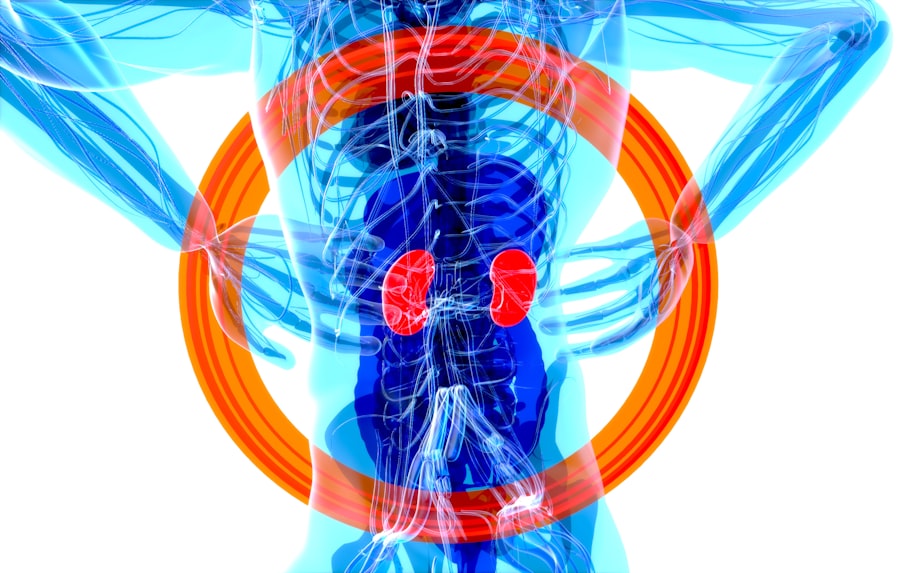
Perhaps one of the most fascinating discoveries in recent health science is the profound connection between your gut and your brain, known as the gut-brain axis. This intricate communication network influences everything from your mood and cognitive function to your susceptibility to neurological disorders.
How Your Gut “Talks” to Your Brain
The communication channels are diverse and constantly active.
Neurotransmitters and Hormones
- Serotonin: A staggering 95% of your body’s serotonin, a neurotransmitter crucial for mood regulation, sleep, and appetite, is produced in your gut. Gut microbes can influence serotonin production.
- GABA (Gamma-Aminobutyric Acid): Some gut bacteria produce GABA, an inhibitory neurotransmitter that helps calm nerve activity and reduce anxiety.
- Dopamine: While primarily known for its role in reward and motivation, dopamine also plays a role in gut motility.
The Vagus Nerve: The Direct Line
- Information Highway: The vagus nerve is a major cranial nerve that directly connects your brainstem to your internal organs, including your gut. It transmits sensory information from the gut to the brain and motor signals from the brain to the gut. This allows your brain to “feel” what’s happening in your gut and to influence its functions.
Immune Signals and Inflammation
- Cytokines: Immune cells in your gut produce signaling molecules called cytokines. These can enter the bloodstream and travel to the brain, influencing mood and cognitive function. Chronic inflammation in the gut can contribute to neuroinflammation and affect mental health.
How Your Brain “Talks” to Your Gut
The influence isn’t just one-way.
- Stress Response: When you experience stress, your brain triggers the release of stress hormones like cortisol. These hormones can alter gut motility, increase gut permeability, and shift the composition of your microbiome, leading to digestive issues and exacerbating existing gut conditions.
- Mood and Cognition: Your mental state can impact your gut. Anxiety can lead to digestive discomfort, while positive emotions can promote healthier gut function.
- Appetite Regulation: Your brain controls your hunger and satiety signals, which are influenced by hormones released from the gut and the composition of your microbiome.
The Gut Microbiome and Your Immune System: An Intertwined Destiny

Your immune system is your body’s defense force, and a substantial portion of it is strategically located in your gut. The intricate relationship between your gut microbiome and your immune system is fundamental to maintaining health and preventing disease.
The Gut as an Immune Hub
The gut lining is a critical barrier between the external environment (what you ingest) and your internal body.
- Gut-Associated Lymphoid Tissue (GALT): This is the largest collection of lymphoid tissue in your body, containing immune cells like lymphocytes, macrophages, and dendritic cells. GALT is constantly sampling the contents of your gut to identify potential threats.
- Mucosal Immunity: The gut lining is coated with a layer of mucus, which is home to antimicrobial peptides and antibodies (like IgA) produced by immune cells. This mucus layer acts as a physical barrier and helps trap pathogens.
How the Microbiome Trains and Modulates Immunity
Your microbiome is your immune system’s first teacher and a constant regulator.
Early Life Development
- Seeding the Immune System: During birth and early infancy, exposure to a diverse range of microbes helps “educate” the developing immune system. This early exposure is crucial for establishing tolerance to harmless substances and developing robust defenses against pathogens. Lack of early microbial diversity has been linked to increased risk of allergies and autoimmune diseases later in life.
Ongoing Immune Surveillance and Regulation
- Distinguishing Friend from Foe: Your gut microbes help your immune system differentiate between beneficial bacteria, harmless food particles, and invasive pathogens. This prevents your immune system from overreacting to food or beneficial microbes, which can lead to food intolerances and inflammation.
- Inflammation Control: A balanced microbiome can produce SCFAs that have anti-inflammatory effects, helping to keep immune responses in check. Conversely, an imbalanced microbiome can promote pro-inflammatory signals, contributing to chronic inflammation.
- Pathogen Defense: Beneficial microbes can compete with pathogenic bacteria for resources and space, making it harder for them to colonize and cause infection. Some beneficial bacteria also produce bacteriocins, which are antimicrobial substances that can kill pathogens.
Links to Autoimmune and Allergic Diseases
- Dysbiosis and Autoimmunity: An imbalance in the gut microbiome (dysbiosis) has been implicated in the development of autoimmune diseases like inflammatory bowel disease (IBD), rheumatoid arthritis, and type 1 diabetes. The inability of the immune system to properly regulate itself can lead to it attacking the body’s own tissues.
- The Hygiene Hypothesis: This theory suggests that reduced exposure to microbes and infections in early childhood, due to increased hygiene, may lead to an underdeveloped immune system, increasing the risk of allergies and autoimmune conditions.
Recent studies have highlighted the intricate relationship between gut health and overall well-being, shedding light on how our microbiome influences various bodily functions. For a deeper understanding of this fascinating topic, you can explore a related article that delves into the science behind gut health and its implications for our daily lives. This informative piece can be found at Freaky Science, where you will discover valuable insights into maintaining a healthy gut and the impact it has on your health.
Factors Influencing Your Gut Health: A Holistic View
| Topic | Metrics |
|---|---|
| Microbiome Diversity | Number of different bacterial species in the gut |
| Gut Permeability | Measurement of intestinal barrier function |
| Short-Chain Fatty Acids | Levels of acetate, propionate, and butyrate in the gut |
| Probiotic Strains | Count of beneficial bacteria present in the gut |
Your gut health isn’t determined by a single factor but by a complex interplay of your diet, lifestyle, environment, and genetics. Understanding these influences empowers you to make conscious choices that nurture your inner ecosystem.
Diet: The Most Potent Lever
What you eat is the primary fuel and habitat for your gut microbes.
The Importance of Fiber
- Prebiotic Powerhouse: Dietary fiber, particularly soluble fiber found in fruits, vegetables, whole grains, and legumes, serves as food for beneficial gut bacteria. These fibers are called prebiotics.
- Fueling SCFAs: When your gut bacteria ferment fiber, they produce those vital SCFAs that nourish your gut lining and have systemic health benefits.
- Variety is Key: Aim for a diverse range of fiber-rich foods to support a diverse microbiome. Think colorful fruits, leafy greens, and different types of legumes and whole grains.
The Impact of Processed Foods and Sugar
- Microbiome Disruption: Highly processed foods, rich in refined sugars, unhealthy fats, and artificial additives, can starve beneficial bacteria and promote the growth of less desirable ones. This can lead to dysbiosis and inflammation.
- Sugar’s Double Whammy: Excessive sugar intake not only feeds harmful microbes but can also contribute to increased gut permeability.
Fermented Foods: Probiotic Powerhouses
- Live and Active Cultures: Fermented foods like yogurt with live cultures, kefir, sauerkraut, kimchi, kombucha, and tempeh contain beneficial live bacteria (probiotics) that can transiently colonize your gut and contribute to its health.
- Adding Diversity: Regularly incorporating a variety of fermented foods can introduce new strains of beneficial bacteria and enhance microbial diversity.
Other Dietary Considerations
- Polyphenols: These plant compounds, found in berries, dark chocolate, tea, and red wine, act as antioxidants and can have beneficial effects on the gut microbiome.
- Healthy Fats: Omega-3 fatty acids, found in fatty fish, flaxseeds, and walnuts, have anti-inflammatory properties that can benefit gut health.
- Hydration: Adequate water intake is crucial for smooth digestion and the overall health of the gut lining.
Lifestyle Habits: More Than Just Diet
Your daily routines and habits significantly impact your gut.
Stress Management
- The Gut-Brain Connection in Action: Chronic stress is a major disruptor of gut health. It can alter gut motility, increase inflammation, and negatively impact the microbiome.
- Mindfulness and Relaxation: Practices like meditation, yoga, deep breathing exercises, and spending time in nature can help mitigate the effects of stress on your gut.
Sleep Quality
- Circadian Rhythms: Your gut has its own circadian rhythm, and disrupted sleep can throw these natural cycles off balance, affecting digestion and the microbiome.
- Prioritize Rest: Aim for 7-9 hours of quality sleep per night to support optimal gut function.
Physical Activity
- Improved Motility: Regular exercise promotes healthy bowel movements, preventing constipation and supporting the rhythmic contractions of the digestive tract.
- Microbiome Diversity: Studies suggest that regular physical activity can increase the diversity of gut bacteria.
Medications, Especially Antibiotics
- Broad-Spectrum Impact: Antibiotics, while essential for treating bacterial infections, can unfortunately decimate both harmful and beneficial bacteria in your gut. This can lead to dysbiosis and increase your susceptibility to infections like Clostridium difficile.
- Judicious Use: Use antibiotics only when prescribed by a doctor and complete the full course. Consider strategies to support gut recovery after antibiotic use, such as probiotics and increased fiber intake.
- Other Medications: Other medications, like NSAIDs (non-steroidal anti-inflammatory drugs), proton pump inhibitors (PPIs), and metformin, can also impact the gut microbiome.
Environmental Exposures
- Hygiene and Early Exposure: As mentioned earlier, early-life exposure to a diverse microbial environment is crucial. Overly sterile environments might hinder this critical developmental window.
- Pollution and Toxins: Exposure to environmental pollutants can negatively affect gut health and the microbiome.
Genetics: The Underlying Blueprint
While diet and lifestyle are highly modifiable, your genetic makeup also plays a role in your gut health.
- Individual Susceptibility: Certain genetic variations can predispose you to specific gut conditions or influence how your body interacts with your microbiome.
- Influence on Microbiome Composition: Genetics can influence the types of bacteria that tend to thrive in your gut, though lifestyle generally plays a more significant role.
By understanding these interconnected factors, you gain the power to make informed choices that foster a thriving and resilient gut, leading to overall improved health and well-being. Your gut is not just a digestive organ; it’s a vital partner in your health journey.

The Hidden Sense Inside Your Gut
FAQs
What is gut health?
Gut health refers to the balance and function of the microorganisms that reside in the digestive tract. These microorganisms, known as gut microbiota, play a crucial role in digestion, immune function, and overall health.
How does gut health affect overall health?
The gut microbiota influences various aspects of health, including digestion, metabolism, immune function, and even mental health. An imbalance in gut microbiota has been linked to conditions such as obesity, inflammatory bowel disease, and depression.
What factors can influence gut health?
Several factors can impact gut health, including diet, stress, medications, and environmental exposures. Consuming a diverse range of fiber-rich foods, managing stress, and avoiding unnecessary antibiotic use can help support a healthy gut microbiota.
Can gut health be improved?
Yes, gut health can be improved through lifestyle and dietary changes. Consuming a diet rich in fiber, fermented foods, and prebiotics can help promote a healthy gut microbiota. Additionally, managing stress and getting regular physical activity can also support gut health.
What are some signs of poor gut health?
Signs of poor gut health may include digestive issues such as bloating, gas, diarrhea, or constipation. Other signs may include food intolerances, frequent infections, fatigue, and mood disturbances. If you suspect poor gut health, it’s important to consult with a healthcare professional for proper evaluation and guidance.