You’ve probably heard about the “gut feeling” a time or two. That inexplicable sense of knowing deep within your belly, often steering you toward a decision or warning you of danger. For centuries, this visceral wisdom was relegated to the realm of intuition. But science is now revealing a profound and intricate conversation happening within your body, a two-way street between your gut and your brain known as the gut-brain connection. And at the heart of this dialogue lies a bustling microscopic metropolis: your gut microbiome.
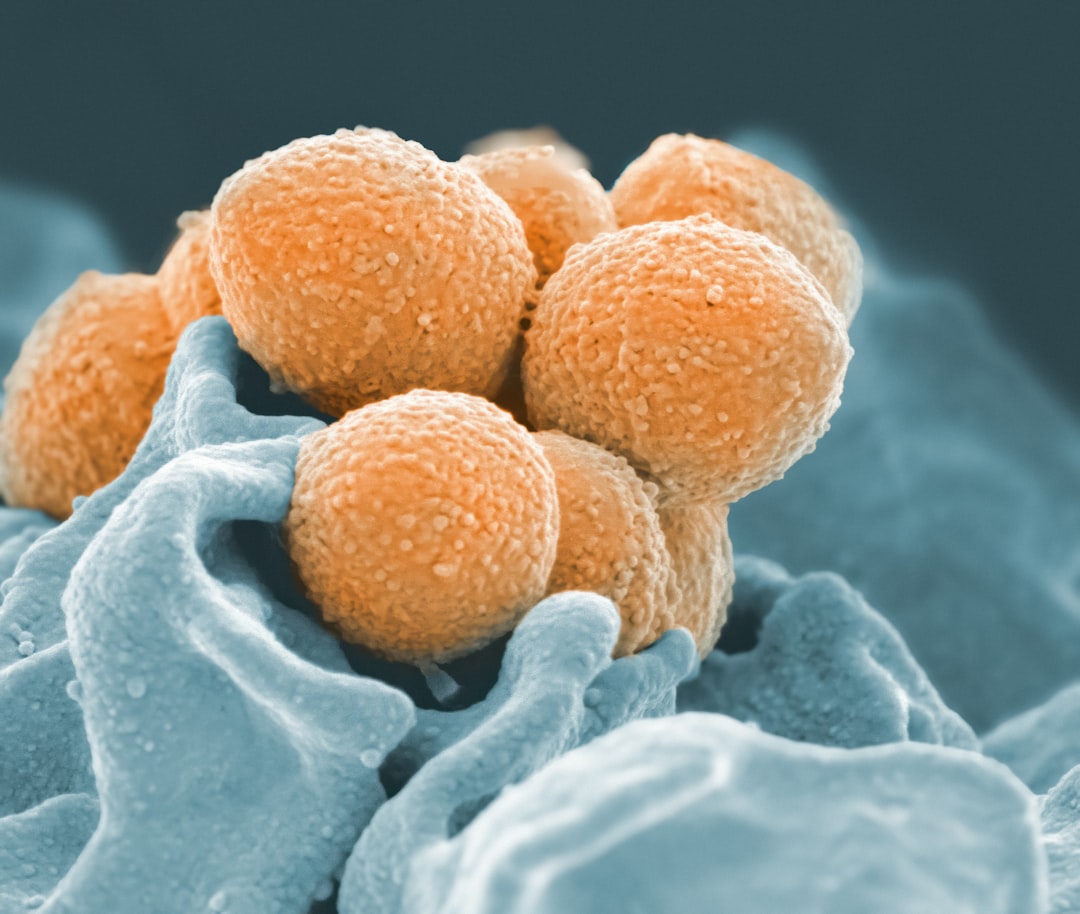
Imagine a bustling city, teeming with trillions of inhabitants, each playing a vital role in the city’s functioning. This is a pretty accurate analogy for your gut microbiome. It’s not just a collection of random bacteria; it’s a complex ecosystem comprising bacteria, fungi, viruses, and other microorganisms that reside primarily in your digestive tract, particularly your large intestine.
A Vast and Diverse Community
You’re not alone in this journey. You are a walking, talking ecosystem, hosting more microbial cells than human cells within your body. Scientists estimate that for every human cell, there are roughly as many, if not more, microbial cells. This astonishing number highlights the sheer scale and importance of your internal inhabitants. These microbes aren’t just passive passengers; they are active participants in your health and well-being. Their diversity is key. A healthy microbiome is characterized by a wide variety of different species, each contributing unique functions. Think of it like a thriving rainforest: the more diverse the flora and fauna, the more resilient and balanced the ecosystem.
More Than Just Bacteria: Fungi, Viruses, and More
While bacteria often steal the spotlight, remember that your microbiome is a multi-kingdom community. Fungi, such as Candida, are also present, and in a balanced state, they maintain a symbiotic relationship with bacteria. Viruses, too, are part of the picture, often referred to as bacteriophages, which specifically infect and kill bacteria, playing a role in regulating bacterial populations. Understanding this diversity is crucial because imbalances – often termed dysbiosis – in any of these microbial groups can have far-reaching consequences.
Recent research has increasingly highlighted the intricate relationship between the gut microbiome and brain health, suggesting that the bacteria residing in our digestive systems can significantly influence our mood and cognitive functions. For an in-depth exploration of this fascinating connection, you can read the article available at Freaky Science, which delves into the mechanisms by which gut bacteria communicate with the brain and how this interplay may affect mental health.
The Two-Way Street: How Your Gut and Brain Communicate
This is where things get truly fascinating. Your gut and brain aren’t isolated entities; they are constantly in communication, influencing each other’s function and your overall mental and physical state. This intricate network of communication pathways is known as the gut-brain axis.
The Vagus Nerve: The Information Superhighway
One of the most direct communication channels is the vagus nerve. This long, winding cranial nerve acts as a direct highway, transmitting signals from your gut to your brain and vice versa. It’s like having a dedicated fiber optic cable connecting your digestive system to your central processing unit. The vagus nerve conveys information about the presence of food, nutrient absorption, and importantly, the signals sent by your gut microbes.
Signaling Through Neurotransmitters
Your gut microbes are master chemists. They produce a surprising array of neurotransmitters, the same chemical messengers that your brain uses to regulate mood, sleep, and behavior. For instance, a significant portion of serotonin, often dubbed the “feel-good” neurotransmitter, is produced in your gut, and its production is heavily influenced by your gut bacteria. Similarly, GABA, a neurotransmitter that has a calming effect, is also synthesized by certain gut microbes. When your gut microbiome is healthy and balanced, it can contribute to the optimal production of these vital neurotransmitters, influencing your mood and emotional well-being. Conversely, dysbiosis can lead to a disruption in neurotransmitter production, potentially contributing to anxiety or depression.
The Immune System’s Role
Your gut houses a significant portion of your immune system. In fact, around 70-80% of your body’s immune cells reside in your gut. Your gut microbes play a crucial role in educating and training your immune system, helping it distinguish between harmful pathogens and beneficial microbes. This intricate relationship means that the state of your gut microbiome can profoundly impact your immune responses, influencing inflammation throughout your body, including in your brain. Chronic inflammation, often rooted in gut imbalances, has been linked to various neurological conditions.
Inflammatory Signals and Brain Health
When your gut barrier is compromised (think “leaky gut”), harmful substances can enter your bloodstream, triggering an inflammatory response. These inflammatory signals can travel throughout your body, including to your brain, potentially contributing to neuroinflammation. Neuroinflammation is implicated in a range of neurological disorders, from Alzheimer’s disease to depression. Your gut microbes, therefore, act as gatekeepers, helping to maintain a healthy gut barrier and modulating inflammatory responses that can impact your brain health.
Hormonal Influences
Beyond neurotransmitters and immune signals, your gut microbes also influence the production and regulation of various hormones that can affect your brain. Hormones like ghrelin and leptin, which regulate appetite and satiety, are influenced by gut bacteria. This means your gut microbes can indirectly impact your food choices and even your motivation related to eating, which can have downstream effects on your mood and energy levels.
The Microbiome’s Impact on Your Mental Well-being

You’ve heard it before: “You are what you eat.” But it’s more accurate to say, “You are what your microbes eat.” The food you consume directly nourishes your gut microbiome, shaping its composition and activity, which in turn can profoundly influence your mental state, from your mood to your cognitive function.
Mood Regulation and Anxiety
As mentioned earlier, the trillions of microbes in your gut are busy producing neurotransmitters like serotonin and GABA. Disruptions in the gut microbiome, known as dysbiosis, can lead to imbalances in these neurotransmitters, potentially contributing to increased feelings of anxiety, stress, and even depression. When your gut is happy, your brain is more likely to be calm.
The Serotonin Connection
Your gut bacteria are responsible for the synthesis of a significant portion of your body’s serotonin. Serotonin plays a critical role in regulating mood, sleep, appetite, and social behavior. If your gut microbiome is not thriving, it can impair serotonin production, leading to lower levels and potentially contributing to mood disorders. This highlights why focusing on gut health can be an integral part of a holistic approach to mental well-being.
Cognitive Function and Memory
The gut-brain axis isn’t just about mood; it also plays a role in your cognitive abilities. Studies are increasingly showing links between a healthy microbiome and improved cognitive function, including memory and learning. The gut-brain connection can influence the development and function of brain cells, and chronic inflammation stemming from gut imbalances can impair these processes.
Brain-Derived Neurotrophic Factor (BDNF)
Your gut microbes can also influence levels of Brain-Derived Neurotrophic Factor (BDNF), a protein that is crucial for the growth, survival, and flexibility of neurons. Higher levels of BDNF are associated with better cognitive function and memory. A healthy microbiome can contribute to increased BDNF production, supporting optimal brain health.
Stress Response and Resilience
Your gut and brain are deeply intertwined when it comes to stress. Your gut microbes can influence your body’s stress response system, known as the hypothalamic-pituitary-adrenal (HPA) axis. A balanced microbiome can help buffer the effects of stress, making you more resilient, while a dysbiotic microbiome may amplify stress signals, leading to increased anxiety and burnout.
Cultivating a Thriving Microbiome: Your Pillars of Health
The good news is that you have significant power to shape your gut microbiome. By understanding what nourishes these microscopic allies, you can actively cultivate a healthier ecosystem within, reaping benefits for both your physical and mental well-being.
The Power of Diet: Fueling Your Inner Garden
Your diet is the single most impactful factor in determining the composition and health of your gut microbiome. What you eat directly feeds your microbes, so choosing wisely is paramount.
Fiber: The Microbiome’s Best Friend
Fiber, particularly soluble fiber found in fruits, vegetables, legumes, and whole grains, is a prebiotic. This means it acts as food for beneficial gut bacteria. When these bacteria ferment fiber, they produce short-chain fatty acids (SCFAs) like butyrate, which are incredibly beneficial for gut health and have anti-inflammatory properties that can extend to your brain. Aim for at least 25-30 grams of fiber daily.
Fermented Foods: Introducing Beneficial Microbes
Fermented foods, such as yogurt with live and active cultures, kefir, sauerkraut, kimchi, and tempeh, are rich in probiotics. Probiotics are live microorganisms that, when consumed in adequate amounts, confer a health benefit to the host. They introduce beneficial bacteria directly into your gut, helping to increase diversity and outcompete harmful microbes.
Foods to Limit: Avoiding Disruption
Processed foods, excessive sugar, artificial sweeteners, and unhealthy fats can negatively impact your gut microbiome. These foods can promote the growth of unfavorable bacteria, disrupt the gut barrier, and contribute to inflammation. Limiting these will give your beneficial microbes a chance to flourish.
Lifestyle Factors: More Than Just What’s on Your Plate
While diet is king, other lifestyle choices also significantly influence your gut microbiome’s health.
Stress Management: A Calm Gut, a Calm Mind
Chronic stress can wreak havoc on your gut microbiome. It can alter gut motility, increase gut permeability, and shift the balance of microbial populations. Implementing stress-management techniques like mindfulness, meditation, yoga, or deep breathing exercises can have a direct positive impact on your gut health.
Sleep Quality: The Restorative Power of Sleep
Your gut microbes have their own circadian rhythms, and they thrive on consistent sleep patterns. Lack of sufficient, quality sleep can disrupt these rhythms, leading to dysbiosis. Prioritizing 7-9 hours of quality sleep each night is essential for both your brain and your gut.
Exercise: Movement for a Moving Gut
Regular physical activity has been shown to increase the diversity and abundance of beneficial gut bacteria. Exercise can improve gut motility and reduce inflammation, creating a more favorable environment for your microbiome. Aim for at least 30 minutes of moderate-intensity exercise most days of the week.
Recent studies have increasingly highlighted the intricate connection between the gut microbiome and brain function, suggesting that our digestive health may significantly influence mental well-being. For those interested in exploring this fascinating relationship further, a related article can be found at Freaky Science, which delves into how gut bacteria can impact mood and cognitive processes. Understanding this link could pave the way for innovative approaches to mental health treatment and overall wellness.
The Future of the Gut-Brain Connection: Personalized Health and Beyond
| Study | Findings |
|---|---|
| Research 1 | Positive correlation between gut microbiome diversity and improved cognitive function. |
| Research 2 | Presence of certain gut bacteria linked to reduced risk of anxiety and depression. |
| Research 3 | Impact of gut microbiome on neurotransmitter production and brain health. |
As we continue to unravel the complexities of the gut-brain axis, the potential for personalized health interventions is immense. Understanding your unique microbiome could revolutionize how we approach everything from mental health to chronic disease management.
Microbiome Testing: Peering into Your Inner World
Microbiome testing kits are becoming increasingly accessible, allowing you to gain insights into the composition of your gut bacteria. This information can empower you to make more informed dietary and lifestyle choices tailored to your specific needs. While not a diagnostic tool in itself, it can be a valuable starting point for understanding your microbial landscape.
Probiotics and Prebiotics: Targeted Support
With a better understanding of your microbiome, healthcare professionals can potentially recommend specific strains of probiotics or prebiotics to address particular imbalances. This targeted approach moves beyond general recommendations to personalized interventions aimed at optimizing your gut health for better brain function and overall well-being.
The Link to Chronic Illnesses: A New Frontier
The gut-brain connection is being explored as a key factor in the development and progression of numerous chronic illnesses, including inflammatory bowel disease (IBD), irritable bowel syndrome (IBS), obesity, type 2 diabetes, autoimmune diseases, and neurodegenerative conditions like Parkinson’s and Alzheimer’s. Future research holds the promise of novel treatments that leverage the gut microbiome to prevent or manage these challenging diseases.
You are a walking, talking ecosystem, and your gut microbiome is the vibrant, bustling heart of that environment. By understanding the intricate dialogue between your gut and your brain, and by making conscious choices to nurture your microbial inhabitants, you are investing in your overall health, your mental clarity, and your resilience for years to come. So, next time you experience a “gut feeling,” remember the trillions of tiny allies working tirelessly within you, orchestrating a symphony of signals that shape your mind and your body. Pay attention to their whispers, and you’ll be well on your way to a healthier, happier you.

The Hidden Sense Inside Your Gut
FAQs
What is the gut microbiome?
The gut microbiome refers to the community of microorganisms, including bacteria, viruses, fungi, and other microbes, that live in the digestive tract. These microorganisms play a crucial role in digestion, metabolism, and immune function.
How does the gut microbiome affect the brain?
Research suggests that the gut microbiome can influence brain function and behavior through the gut-brain axis, a communication pathway between the gut and the brain. The gut microbiome can produce neurotransmitters, regulate inflammation, and influence the production of certain hormones that can impact brain health.
What are some factors that can influence the gut microbiome?
The gut microbiome can be influenced by various factors, including diet, stress, medications, and environmental exposures. A diet high in fiber and fermented foods can promote a diverse and healthy gut microbiome, while stress and certain medications can disrupt the balance of microorganisms in the gut.
Can the gut microbiome impact mental health?
Emerging research suggests that the gut microbiome may play a role in mental health conditions such as anxiety, depression, and even neurodegenerative diseases. Imbalances in the gut microbiome have been linked to changes in mood, cognition, and behavior.
How can we support a healthy gut microbiome?
Maintaining a balanced and diverse gut microbiome is important for overall health. Consuming a diet rich in fiber, fermented foods, and prebiotics can support a healthy gut microbiome. Additionally, managing stress, getting regular exercise, and avoiding unnecessary antibiotic use can also help maintain a healthy gut microbiome.