You’ve heard the whispers, haven’t you? Tiny universes residing within you, influencing your health, your mood, even your cravings. It’s not science fiction; it’s the incredible, often overlooked world of your microbiome. This vast ecosystem of bacteria, fungi, viruses, and other microorganisms is as much a part of you as your own cells. And understanding it is unlocking a new frontier in personalized health and well-being. Prepare to be amazed as you delve into the science of your inner universe.
It’s time to pull back the curtain on the bustling metropolis living within your body. You’re not alone, not by a long shot. In fact, the number of microbial cells in your body is estimated to be roughly equal to, or even outnumber, your own human cells. This isn’t some alien invasion; these are your symbiotic partners, your microscopic allies, collectively referred to as your microbiome.
A Diverse and Dynamic Population
Think of your microbiome not as a single entity, but as a collection of distinct communities. They inhabit various niches within your body, each with its own unique environmental conditions and resident species.
The Gut: Your Microbial Powerhouse
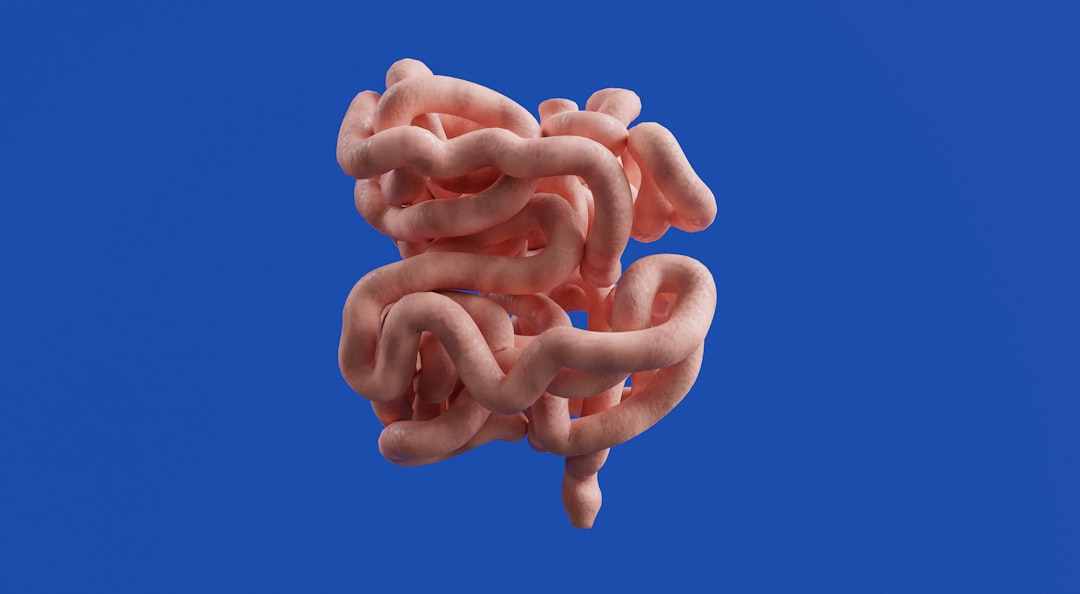
The undisputed king of microbiome real estate is your gastrointestinal tract, particularly your large intestine. This is where the majority of your microbial residents call home. Billions upon billions of bacteria, archaea, and fungi are packed into this one organ, forming a complex and interdependent network. From the moment you are born, this community begins to assemble, influenced by your birth method, your diet, and your environment. It’s a living, breathing ecosystem that plays a crucial role in several fundamental processes.
Beyond the Gut: Expanding Your Microbial Map
While the gut often steals the spotlight, your microbiome extends far beyond your digestive system. You also have distinct microbial communities populating:
Your Skin: A Protective Frontier
Your skin, the largest organ of your body, is a diverse and dynamic surface teeming with microorganisms. These microbes form a protective barrier, helping to defend you against invading pathogens. Different areas of your skin, with their varying moisture levels and nutrient availability, support different microbial populations.
Your Mouth: A Gateway to Your Body
The oral cavity is a surprisingly rich environment for microbial life. From the surface of your teeth to the tissues of your gums and tongue, a diverse array of bacteria coexist. These microbes contribute to digestion, but also play a significant role in oral health, and imbalances can lead to issues like cavities and gum disease.
Other Sites: A Growing Awareness
Research is increasingly revealing the presence and importance of microbiomes in other areas, including:
- The Respiratory Tract: While traditionally thought to be sterile, your lungs and airways harbor their own microbial communities, which are being investigated for their role in respiratory health and disease.
- The Urogenital Tract: In women, the vaginal microbiome is particularly well-studied for its role in maintaining reproductive health and protecting against infections.
The Building Blocks: Who Are These Microbes?
You might be picturing tiny versions of yourself, but your microbiome is made up of a vast array of different organisms.
Bacteria: The Dominant Force
Bacteria are the most abundant and well-studied members of your microbiome. They come in an astonishing variety of shapes, sizes, and metabolic capabilities. These workhorses are responsible for a multitude of functions, from breaking down complex carbohydrates you can’t digest yourself to producing essential vitamins.
Fungi: The Unsung Contributors
Fungi, including yeasts, also play a role in your microbiome. While often associated with infections, many species are harmless or even beneficial, contributing to nutrient cycling and helping to regulate bacterial populations.
Viruses: The Tiny Travelers
Even viruses are part of your microbial ecosystem, though they are not typically thought of in the same way as bacteria and fungi. Bacteriophages, a type of virus that infects bacteria, are particularly important in shaping bacterial communities.
The science of the microbiome has gained significant attention in recent years, revealing the intricate relationships between our bodies and the trillions of microorganisms that inhabit them. A related article that delves deeper into this fascinating field is available at Freaky Science, where you can explore how these tiny organisms influence everything from digestion to mental health. Understanding the microbiome is crucial for advancing personalized medicine and improving overall health outcomes.
The Symphony of Digestion: How Your Microbiome Fuels You
Perhaps the most well-understood function of your microbiome is its profound impact on your digestive system. Think of them as your personal army of chefs and nutrient extractors, diligently working to make the most of everything you eat.
Breaking Down the Undigestible
Your human digestive enzymes can only do so much. They can break down proteins, fats, and simple carbohydrates. But what about the complex fibers and resistant starches found in plant-based foods? This is where your gut microbes shine.
Fiber Fermentation: The Golden Ticket to Gut Health
Dietary fibers, which your body cannot digest on its own, are a primary fuel source for many of your gut bacteria. Through a process called fermentation, these microbes break down fibers into smaller molecules.
Short-Chain Fatty Acids (SCFAs): The Powerhouses
The most important end products of fiber fermentation are short-chain fatty acids (SCFAs), such as butyrate, acetate, and propionate. These SCFAs are not just waste products; they are potent signaling molecules with far-reaching benefits:
- Butyrate: This is the preferred energy source for the cells lining your colon, helping to maintain their integrity and function. It also possesses anti-inflammatory properties.
- Acetate and Propionate: These SCFAs can be absorbed into your bloodstream and utilized by other tissues in your body, influencing metabolism and even brain function. They also play a role in regulating appetite and promoting satiety.
Enhancing Nutrient Absorption
By breaking down complex compounds, your gut microbes can also make essential nutrients more readily available for absorption by your body. They can help to unlock vitamins and minerals that might otherwise pass through undigested.
Vitamin Production: Your Microbial Pharmacy
Beyond breaking down food, your gut microbiome is a vital producer of several essential vitamins that your body needs to function optimally.
Vitamin K: The Blood Clotting Factor
Your gut bacteria are a significant source of vitamin K, a fat-soluble vitamin crucial for blood clotting and bone health.
B Vitamins: The Energy Boosters
A variety of B vitamins, including biotin, folate, and several others, are synthesized by your gut microbes. These vitamins are essential for energy metabolism, nerve function, and DNA synthesis.
Beyond Digestion: The Gut-Brain Connection and Your Microbiome
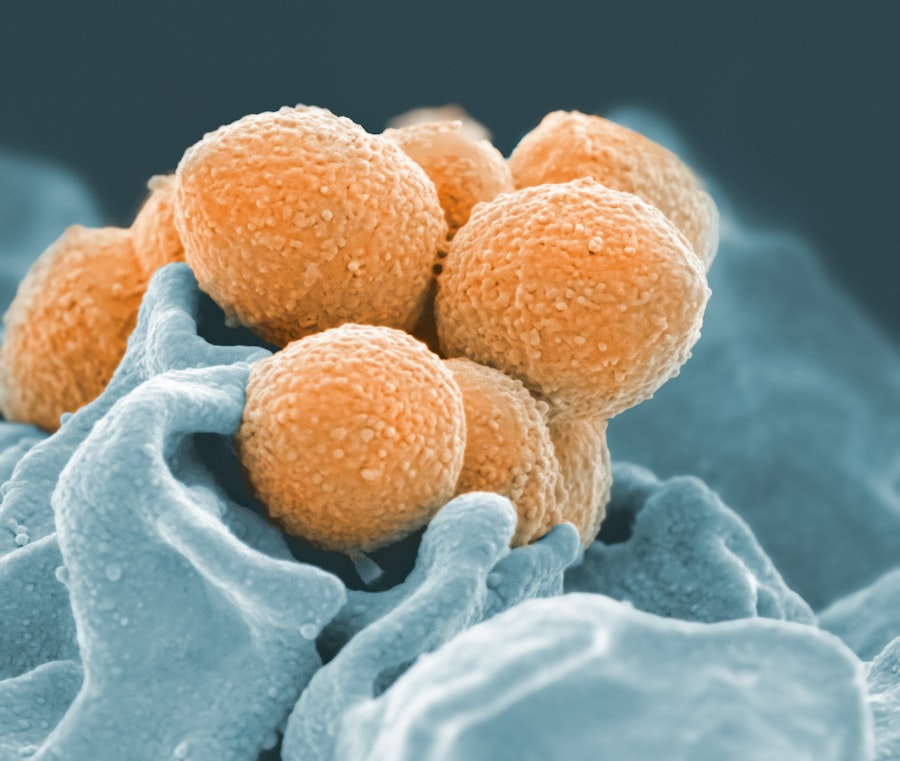
The influence of your gut microbiome extends far beyond your digestive tract, reaching into your brain and impacting your mental well-being. This complex communication network is known as the gut-brain axis.
A Two-Way Street
The gut-brain axis is a bidirectional communication pathway, meaning your gut microbes can influence your brain, and your brain can, in turn, affect your gut. This constant dialogue is mediated by a variety of mechanisms.
Neurotransmitter Production: The Mood Makers
Many of the neurotransmitters that regulate your mood, emotions, and cognitive functions are produced or influenced by your gut microbes.
Serotonin: The Feel-Good Chemical
Did you know that a significant portion of the body’s serotonin, often referred to as the “happy hormone,” is produced in the gut, and its production is significantly influenced by the health of your microbiome?
GABA: The Calming Agent
Gamma-aminobutyric acid (GABA), a neurotransmitter that plays a role in reducing anxiety and promoting relaxation, can also be produced by certain gut bacteria.
Immune System Modulation: The Brain’s Sentinels
Your gut microbiome plays a critical role in training and regulating your immune system, which in turn can influence brain function and inflammation.
Inflammation and Mental Health
Chronic inflammation in the body has been linked to various mental health conditions, including depression and anxiety. A healthy microbiome helps to keep inflammation in check, potentially offering protective effects for your brain.
Stress Response: The Gut’s Reaction
Your gut microbes can also influence your body’s response to stress. Imbalances in the microbiome have been associated with exaggerated stress responses.
The Impact on Behavior and Mood
Emerging research is highlighting the potential role of the microbiome in influencing:
- Anxiety and Depression: Studies have shown correlations between specific microbial profiles and the prevalence of these conditions.
- Cognitive Function: Your gut microbes may influence learning, memory, and even the risk of neurodegenerative diseases.
- Social Behavior: Animal studies have suggested that the microbiome can even play a role in shaping social interactions and behavior.
Your Microbiome and Your Immune System: A Powerful Partnership
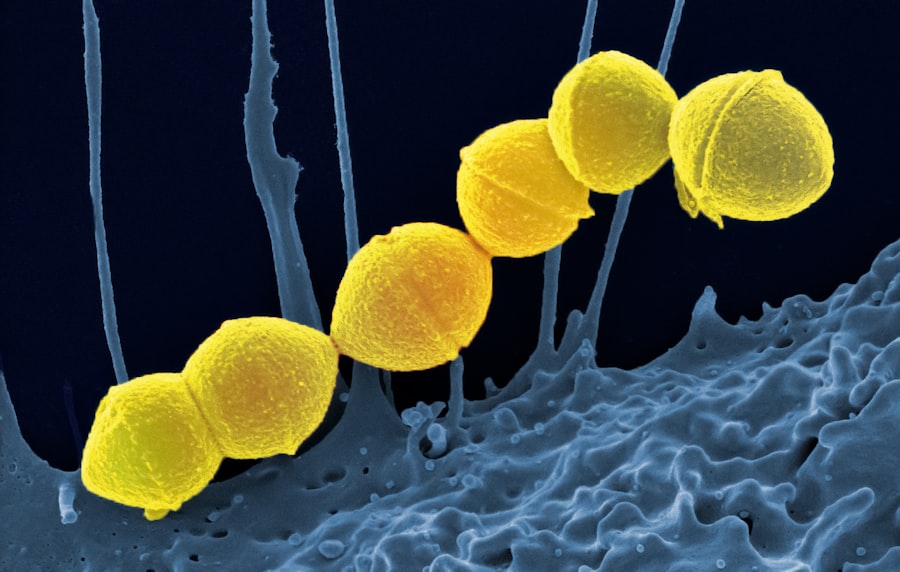
Your immune system is your body’s defense force, and your microbiome is an indispensable partner in its development and ongoing function. They don’t just coexist; they actively train and collaborate.
Developing a Robust Immune Defense
From birth, your microbiome plays a crucial role in teaching your immune system how to distinguish between friend and foe.
Early Life Colonization: The Foundation of Immunity
The microbes you acquire in infancy, particularly through vaginal birth and breastfeeding, lay the groundwork for your immune system’s development. Exposure to a diverse range of microbes helps to mature immune cells and establish tolerance.
Training Immune Cells
Your gut microbes constantly interact with the cells of your immune system lining the gut wall. This interaction helps to:
- Develop Immune Tolerance: Prevents your immune system from overreacting to harmless substances, including food and beneficial bacteria.
- Strengthen Immune Responses: Primes your immune cells to effectively target and eliminate pathogens when they invade.
Maintaining Immune Balance
A healthy microbiome is essential for maintaining immune homeostasis, preventing both over-activity and under-activity of the immune system.
Preventing Autoimmunity
When the microbiome is out of balance, it can contribute to the breakdown of immune tolerance, leading to autoimmune diseases where the body attacks its own tissues.
Fighting Off Infections
Beneficial gut microbes can directly compete with harmful pathogens for resources and space, as well as produce substances that inhibit the growth of invaders. They are your first line of defense.
The Gut-Immune Connection in Disease
Disruptions in the gut microbiome, known as dysbiosis, have been implicated in a wide range of immune-related conditions, including:
- Inflammatory Bowel Diseases (IBD): Conditions like Crohn’s disease and ulcerative colitis are strongly linked to imbalances in the gut microbiome.
- Allergies and Asthma: Early-life microbial exposure is thought to play a protective role against the development of these conditions.
- Autoimmune Diseases: As mentioned earlier, conditions like rheumatoid arthritis and type 1 diabetes have been associated with microbiome alterations.
Recent research has shed light on the intricate relationship between the microbiome and human health, revealing how our gut bacteria can influence everything from digestion to mood. For those interested in exploring this fascinating topic further, an insightful article can be found at Freaky Science, which delves into the latest findings on how the microbiome interacts with our immune system. Understanding these connections can pave the way for innovative treatments and a deeper appreciation of our body’s complex ecosystems.
Nurturing Your Inner Garden: How to Cultivate a Healthy Microbiome
“`html
| Metrics | Data |
|---|---|
| Microbiome Diversity | High |
| Microbiome Composition | Bacterial, Viral, Fungal |
| Microbiome Function | Metabolism, Immune System Regulation |
| Microbiome Research Areas | Gut-Brain Axis, Skin Microbiome, Environmental Microbiome |
“`
The exciting news is that you have a significant influence over the health and composition of your microbiome. Think of it as tending to a garden; with the right care, you can cultivate a thriving and beneficial ecosystem.
The Power of Your Plate: Diet as the Ultimate Sculptor
What you eat is arguably the most potent tool you have for shaping your microbiome. Your diet provides the nutrients and fuel that your microbial residents need to flourish.
Embrace Fiber: Fueling the Good Guys
As we’ve discussed, dietary fiber is the favorite food of many beneficial gut bacteria. Aim for a wide variety of fiber-rich foods.
Prebiotic Powerhouses: Cultivating the Right Audience
Prebiotics are specific types of dietary fiber that selectively stimulate the growth and activity of beneficial bacteria. You can find them in:
- Fruits: Apples, bananas, berries
- Vegetables: Onions, garlic, leeks, asparagus, Jerusalem artichokes
- Whole Grains: Oats, barley, rye
- Legumes: Beans, lentils
Fermented Foods: Introducing Beneficial Microbes
Fermented foods are those that have undergone controlled microbial growth and enzymatic conversions. They can introduce beneficial bacteria directly into your gut.
Probiotic Powerhouses: Live Cultures for Your Gut
Look for foods containing live and active cultures, such as:
- Yogurt: Choose varieties with “live and active cultures” listed on the label.
- Kefir: A fermented milk drink with a wide array of bacteria and yeasts.
- Sauerkraut and Kimchi: Fermented cabbage dishes, rich in probiotics.
- Kombucha: A fermented tea.
Diversity is Key: A Varied Diet for a Varied Microbiome
Just as you appreciate diverse friends, your microbiome thrives on diversity. Eating a wide range of plant-based foods ensures that you are feeding a variety of different microbial species. Aim for a colorful plate with plenty of fruits, vegetables, legumes, and whole grains.
Lifestyle Factors: Beyond the Dinner Plate
While diet is paramount, other lifestyle choices can also impact your microbiome’s health.
The Impact of Stress: A Gut Reaction
Chronic stress can negatively influence your gut microbiome, disrupting its balance. Implementing stress-management techniques is crucial.
Mindfulness and Meditation: Calming Your Inner Landscape
Practicing mindfulness, meditation, or deep breathing exercises can help to reduce stress and promote a more balanced gut environment.
Regular Exercise: Moving for Your Microbiome
Physical activity has been shown to positively impact the diversity and composition of the gut microbiome.
Sleep: The Unsung Hero
Adequate and quality sleep is essential for overall health, and that includes your microbiome.
Restful Nights: Recharging Your Microbial Ecosystem
Prioritizing 7-9 hours of quality sleep per night can contribute to a healthier and more balanced gut microbiome.
Antibiotics: A Necessary Evil, but Use with Caution
Antibiotics are life-saving medications, but they are not selective. They kill both harmful and beneficial bacteria.
The Need for Prudent Use
Only use antibiotics when prescribed by a healthcare professional and complete the full course. If you have taken antibiotics, consider strategies to help repopulate your gut with beneficial microbes, such as increasing your intake of fermented foods and prebiotic fibers.
The Future is Personal: Understanding Your Unique Microbiome
As our understanding of the microbiome grows, the potential for personalized health interventions becomes increasingly exciting.
Microbiome Testing: Gaining Insights into Your Inner World
Microbiome testing offers a snapshot of the microbial communities living within you. While still an evolving field, these tests can provide valuable insights into:
- Microbial Diversity: Assessing the richness and variety of your microbial populations.
- Key Microbial Groups: Identifying the abundance of different bacterial families and species.
- Potential Imbalances: Highlighting areas where your microbiome may be out of balance, which could be linked to certain health concerns.
Personalized Interventions: Tailoring Health Strategies
Armed with microbiome data, healthcare professionals can begin to develop more personalized strategies for improving your health, including:
- Dietary Recommendations: Tailored advice on specific foods and nutrients to support your unique microbial profile.
- Probiotic and Prebiotic Suggestions: Recommendations for specific strains or types of beneficial supplements based on your microbiome’s needs.
- Lifestyle Modifications: Guidance on exercise, sleep, and stress management that are most beneficial for your gut health.
The journey into the science of your microbiome is a captivating one, revealing a hidden world that profoundly influences your health and well-being. By understanding these principles and actively nurturing your inner garden through diet and lifestyle, you embark on a path towards improved vitality, resilience, and a deeper connection with the incredible biological symphony that resides within you. Your microbiome is not just a collection of microbes; it’s a vital partner in your health, and its well-being is intrinsically linked to yours.

The Hidden Sense Inside Your Gut
FAQs
What is the microbiome?
The microbiome refers to the collection of microorganisms, including bacteria, viruses, fungi, and other microbes, that live in and on the human body.
Why is the microbiome important?
The microbiome plays a crucial role in various bodily functions, including digestion, immune system regulation, and even mental health. It also helps protect against harmful pathogens.
How does the microbiome affect health?
Imbalances in the microbiome have been linked to a range of health issues, including inflammatory bowel disease, obesity, and even certain mental health disorders. Maintaining a healthy microbiome is important for overall well-being.
Can the microbiome be altered?
Yes, the microbiome can be influenced by factors such as diet, medication, and environmental exposures. Probiotics and prebiotics are also used to help support a healthy microbiome.
What is the current state of research on the microbiome?
Research on the microbiome is a rapidly growing field, with scientists continually uncovering new insights into its role in health and disease. Ongoing studies are exploring the potential for microbiome-based therapies and interventions.