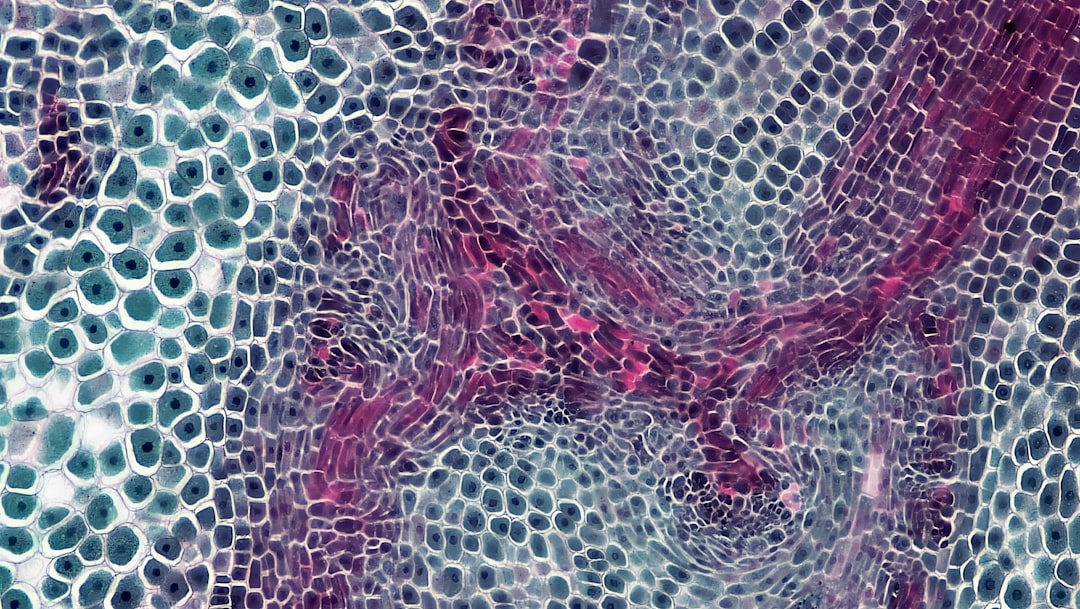
You’re about to embark on a fascinating journey into the intricate world of your nervous system, and at its heart lies a seemingly humble yet extraordinarily significant component: the neuropod cell. Forget the dramatic lightning bolts of a cartoon neuron; the reality is far more nuanced and, in many ways, more profound. These specialized cells are not just passive messengers; they are the fundamental architects and overseers of how your nervous system functions, relaying information with breathtaking speed and precision. Understanding neuropod cells is to understand the very essence of your thoughts, your feelings, your movements, and your consciousness.
To truly appreciate the role of neuropod cells, you first need to grasp the basic building blocks of neural communication. Imagine your nervous system as an incredibly complex electrical grid, but instead of wires carrying simple electrical current, it uses electrochemical signals. Neuropod cells, in their myriad forms, are the crucial conduits and processors within this grid. They are distinct from the more commonly discussed neurons, though they are inextricably linked. While neurons are the primary vehicles for transmitting electrical impulses along their axons, neuropod cells often act as intermediaries, enhancers, or even initiators of these signals. They provide the crucial support, insulation, and modulation that allows your nervous system to operate at peak efficiency.
What Exactly is a Neuropod Cell?
The term “neuropod cell” itself might be new to you, and that’s perfectly understandable. Unlike neurons, which are characterized by their axonal structure and synaptic connections, neuropod cells encompass a broader category of glial cells and specialized ectodermal cells that play vital roles in neural function. Think of them as the unsung heroes, the backstage crew that ensures the actors (neurons) can perform their roles flawlessly. Their diversity is vast, with each type possessing unique structures and functions tailored to specific needs within the nervous system. This adaptability underscores their importance; a single, uniform solution wouldn’t suffice for the incredible complexity of your brain and body.
Beyond the Neuron: Differentiating Neuropod Cells
It’s crucial to distinguish neuropod cells from neurons. Neurons are the primary signal transmitters. They generate and propagate electrical impulses (action potentials) and communicate with other neurons or target cells through specialized junctions called synapses. Neuropod cells, on the other hand, often support these neural functions. While some neuropod cells can participate in signaling, their primary roles are often structural, metabolic, and regulatory. They create the environment in which neurons can thrive and function optimally. This distinction, however, is not always absolute, as research continues to reveal overlapping functions.
The Ubiquity of Neuropod Cells: More Than Just the Brain
While you might instinctively associate neural activity with your brain, neuropod cells are present throughout your entire nervous system. This includes your spinal cord, the peripheral nerves that extend to every corner of your body, and even in specialized sensory organs. This widespread distribution highlights their essential nature; they are not confined to the central command center but are integral to the functioning of every neural pathway. Whether it’s a signal traveling from your fingertip to your brain or a command from your brain to your muscle, neuropod cells are involved in the intricate process.
Neuropod cells are a fascinating topic in the field of neuroscience, as they play a crucial role in the sensory processing of taste and smell. These specialized cells are found in various organisms and are responsible for detecting chemical signals in the environment. For a deeper understanding of how these cells function and their significance in sensory perception, you can explore a related article on this subject at Freaky Science.
The Architects of Insulation: Myelination and Neuropod Cells
One of the most critical roles that certain neuropod cells play is in the process of myelination. This is a fundamental mechanism for speeding up neural signal transmission, and without it, your nervous system would operate at a dramatically slower pace, rendering many complex behaviors impossible. Imagine trying to conduct a symphony with instruments that are not properly tuned or amplified; the music would be muddled and indistinct. Myelination is the tuning and amplification that allows for clear, rapid communication.
The Role of Oligodendrocytes and Schwann Cells
Within the central nervous system (CNS), the primary myelination agents are oligodendrocytes. These specialized neuropod cells wrap their processes around the axons of neurons, forming a fatty, insulating sheath called myelin. In the peripheral nervous system (PNS), this task falls to Schwann cells. Each Schwann cell envelops a single axon, forming a segment of myelin. This lipid-rich myelin acts like the rubber insulation around an electrical wire, preventing the leakage of the electrical signal and forcing it to jump from one gap in the myelin sheath to the next (nodes of Ranvier). This jumping, known as saltatory conduction, dramatically accelerates the speed at which nerve impulses travel.
Saltatory Conduction: The Speed Advantage
You might wonder why this insulation is so critical. Without myelin, the electrical signal would propagate relatively slowly along the entire length of the axon through a process called continuous conduction. With myelination, the signal “leaps” between the unmyelinated gaps (nodes of Ranvier) in the myelin sheath. This significantly reduces the distance the electrical signal needs to travel and therefore the time it takes to reach its destination. For actions requiring rapid responses, such as dodging an object or catching a ball, saltatory conduction is absolutely essential. It’s the difference between a swift reflex and a sluggish reaction.
The Consequences of Demyelination
The importance of myelination becomes starkly evident when it is compromised. Diseases like Multiple Sclerosis (MS) are characterized by the autoimmune destruction of myelin in the CNS. This leads to a wide range of neurological symptoms, including visual disturbances, muscle weakness, coordination problems, and fatigue. The loss of insulation disrupts nerve signal transmission, causing these debilitating effects. This underscores the indispensable role of these neuropod cells in maintaining the integrity and efficiency of your nervous system.
Beyond Insulation: Metabolic Support and Homeostasis
Neuropod cells are not merely passive insulators. They are highly active participants in maintaining a stable and supportive environment for neurons, providing essential metabolic resources and ensuring the delicate balance required for neural function. Think of them as the janitorial staff and the cafeteria crew, ensuring the building is clean, well-stocked, and running smoothly so the main performers can focus on their act.
Astrocytes: The Multifaceted Support System
Astrocytes, a diverse group of star-shaped neuropod cells, are arguably the most versatile and numerous glial cells in the CNS. They perform a staggering array of functions. One of their primary roles is to regulate the chemical environment around neurons. They can absorb excess neurotransmitters from the synaptic cleft, preventing overstimulation and ensuring precise signaling. They also play a crucial role in the blood-brain barrier, helping to control the passage of substances from the bloodstream into the brain, protecting this delicate organ from harmful agents.
Regulating Neurotransmitter Levels
After a neuron releases neurotransmitters to communicate with another cell, these chemicals need to be cleared from the synaptic cleft to prepare for the next signal. Astrocytes are key players in this cleanup process. They can actively reuptake many neurotransmitters, recycling them for future use or breaking them down. This precise regulation is vital. Too much of a certain neurotransmitter can lead to overexcitation and neuronal damage, while too little can impair communication. Astrocytes ensure the right balance is maintained.
Maintaining the Blood-Brain Barrier
Your brain is a highly sensitive organ, and the blood-brain barrier acts as a gatekeeper, controlling what can enter it from your circulating blood. Astrocytes are intimately involved in forming and maintaining this barrier. Their foot processes ensheath the blood vessels in the brain, forming a physical and biochemical barrier that prevents potentially toxic substances from reaching neurons. This is essential for protecting the brain from pathogens and maintaining its unique internal environment.
microglia: The Immune Sentinels of the CNS
Microglia are the resident immune cells of the central nervous system, acting as vigilant protectors against infection, injury, and cellular debris. They are constantly surveying their surroundings, ready to respond to any signs of danger. In their resting state, they are relatively quiescent, but upon detecting an insult, they can transform into activated forms, engulfing pathogens, clearing away dead cells, and releasing signaling molecules that modulate inflammation.
Clearing Debris and Pathogens
When neurons are damaged or die, they leave behind debris that must be cleared to prevent further harm and inflammation. Microglia are the primary scavengers in this process, engulfing and breaking down this cellular waste. They also act as the first line of defense against invading pathogens, such as bacteria and viruses, preventing them from spreading within the CNS. This crucial role maintains tissue integrity and protects against neurological disorders.
Modulating Inflammation
While inflammation is a necessary part of the immune response, chronic or unchecked inflammation can be detrimental to neuronal function. Microglia play a complex role in regulating neuroinflammation. They can release pro-inflammatory cytokines that help to clear insults, but they can also release anti-inflammatory molecules that help to dampen excessive immune responses. Understanding this delicate balance is crucial for developing treatments for neuroinflammatory diseases.
The Crucial Interplay: Neuropod Cells and Neuronal Firing
The relationship between neuropod cells and neurons is far from one-sided. Neuropod cells don’t just passively support neurons; they actively influence neuronal activity, fine-tuning their firing patterns and contributing to complex neural network functions. This bidirectional communication highlights the sophisticated orchestration within your nervous system.
Astrocytic Modulation of Synaptic Transmission
Beyond their role in clearing neurotransmitters, astrocytes can also actively influence synaptic strength and efficiency. They can release gliotransmitters, such as glutamate and GABA, which can bind to receptors on neurons and alter their excitability. This means that astrocytes can not only clean up the synaptic mess but also actively “talk” to neurons, influencing how strongly they communicate.
Gliotransmitters: The Neuropod Cell’s Chemical Signals
Gliotransmitters are signaling molecules released by glial cells, including astrocytes. These molecules can act on neurons to modulate their firing patterns, influence synaptic plasticity (the ability of synapses to strengthen or weaken over time), and even affect the flow of ions in and out of neurons. This adds another layer of complexity to neural communication, revealing a more integrated system than previously understood.
Ependymal Cells: Orchestrating Cerebrospinal Fluid Flow
While not typically grouped as “neuropod” in the same way as glial cells of the brain parenchyma, ependymal cells lining the ventricles of the brain and the central canal of the spinal cord play a vital role in maintaining the environment for neural function. They are ciliated cells that beat rhythmically, creating currents in the cerebrospinal fluid (CSF). This CSF circulation is crucial for cushioning the brain and spinal cord, removing metabolic waste, and transporting nutrients.
The Importance of Cerebrospinal Fluid
Cerebrospinal fluid is a clear, colorless fluid that surrounds the brain and spinal cord. It acts as a shock absorber, protecting these delicate structures from physical damage. It also plays a role in waste removal, clearing metabolic byproducts from the brain. The movement of this fluid, orchestrated by ependymal cells, is essential for maintaining a healthy neural environment and preventing the accumulation of toxins.
Neuropod cells are fascinating sensory neurons found in the gastrointestinal tract, playing a crucial role in the gut-brain axis and influencing various physiological processes. For a deeper understanding of these unique cells and their implications in health and disease, you can explore a related article that delves into their functions and interactions. This insightful piece can be found here, providing a comprehensive overview of the latest research in this intriguing area of study.
Neuropod Cells in Disease and Development
| Neuropod Cells | Description |
|---|---|
| Function | Neuropod cells are specialized nerve cells that transmit electrical signals in the nervous system. |
| Structure | Neuropod cells have a cell body, dendrites, and an axon that transmit signals to other cells. |
| Types | There are different types of neuropod cells, including sensory neurons, motor neurons, and interneurons. |
| Role | Neuropod cells play a crucial role in processing and transmitting information in the nervous system, allowing for sensory perception, motor control, and cognitive functions. |
The critical roles of neuropod cells become even more apparent when considering their involvement in the development of the nervous system and their contribution to various neurological diseases. They are not just bystanders; they are active participants throughout the lifespan of your neural network.
Neuropod Cells in Neural Development
During embryonic development, neuropod cells guide the migration of neurons to their correct positions, establish synaptic connections, and prune away unnecessary pathways. This intricate developmental dance is essential for building a functional nervous system. Imagine a construction site where specialized workers are not only building the structure but also directing the placement of every component.
Guiding Neuronal Migration
As neurons are born in the developing brain, they need to travel to their designated locations to form circuits. Neuropod cells, particularly radial glia, act as scaffolds, guiding these nascent neurons through the developing brain tissue. This directional guidance is crucial for the proper formation of brain structures and the establishment of functional neural networks.
Synaptic Pruning and Refinement
The initial formation of neural connections is often an overproduction, followed by a process of “pruning” where less-used or incorrect connections are eliminated. Neuropod cells are involved in this refinement process, helping to sculpt the neural circuitry into its mature and efficient form. This experience-dependent sculpting is fundamental to learning and adaptation.
Neuropod Cells and Neurodegenerative Diseases
As we’ve seen with MS, the dysfunction or damage of neuropod cells can have severe consequences. In neurodegenerative diseases like Alzheimer’s and Parkinson’s, glial cells, including microglia and astrocytes, are implicated in the disease process. While neurons are the primary cells that degenerate, glial cells can contribute to the inflammation, debris accumulation, and death of neurons.
The Role of Neuroinflammation
In conditions like Alzheimer’s disease, microglia can become chronically activated, releasing inflammatory molecules that damage neurons and contribute to the progression of the disease. While their initial role might be protective, prolonged activation can become detrimental. Understanding how to modulate this neuroinflammation is a key area of research.
Impaired Waste Clearance
As neurodegenerative diseases progress, the brain’s ability to clear out toxic protein aggregates, such as amyloid-beta plaques and tau tangles in Alzheimer’s, becomes compromised. Impaired function of microglia and astrocytes can contribute to the buildup of these toxic proteins, further exacerbating neuronal damage.
The Future of Neuropod Cell Research
The field of neuropod cell research is exploding with new discoveries. As our understanding grows, so does the potential for developing new therapies for a wide range of neurological conditions. These often-overlooked cells are increasingly recognized as central players in neural health and disease.
Therapeutic Potential for Neuropod Cell Modulation
Targeting specific types of neuropod cells or modulating their functions offers exciting therapeutic avenues. For instance, strategies to dampen harmful neuroinflammation, enhance the waste-clearing abilities of microglia, or support the metabolic functions of astrocytes could revolutionize the treatment of neurodegenerative diseases.
Unraveling Complex Neural Circuits
Further research into the intricate communication between neuropod cells and neurons will undoubtedly lead to a deeper understanding of how complex neural circuits are formed, maintained, and modulated. This knowledge will be crucial for understanding learning, memory, and even consciousness itself.
In conclusion, you’ve learned that neuropod cells are far more than mere support staff for neurons. They are active, dynamic, and indispensable partners in every aspect of your nervous system’s function. From insulating axons at lightning speed to providing vital metabolic support, clearing cellular debris, and even guiding the very development of your neural architecture, these cells are the unsung heroes that enable you to think, feel, move, and experience the world. As research continues to shine a brighter light on their multifaceted roles, you can expect to see their importance in understanding and treating neurological disorders continue to grow, solidifying their status not just as key to nervous system function, but as a frontier of groundbreaking medical advancement.

The Hidden Sense Inside Your Gut
FAQs
What are neuropod cells?
Neuropod cells are a type of glial cell found in the central nervous system. They are responsible for providing support and insulation to neurons.
What is the function of neuropod cells?
Neuropod cells play a crucial role in maintaining the structure and function of the nervous system. They provide physical and metabolic support to neurons, help regulate the extracellular environment, and contribute to the formation of the blood-brain barrier.
How do neuropod cells differ from other glial cells?
Neuropod cells are distinct from other glial cells such as astrocytes and oligodendrocytes due to their unique morphology and molecular characteristics. They have long, thin processes that extend along the length of axons and are enriched in specific proteins and receptors.
What are the implications of neuropod cells in neurological disorders?
Research suggests that dysfunction of neuropod cells may contribute to the pathogenesis of various neurological disorders, including multiple sclerosis, Alzheimer’s disease, and epilepsy. Understanding their role in these conditions could lead to new therapeutic strategies.
How are neuropod cells studied in research?
Scientists use a variety of techniques, including genetic manipulation, imaging, and electrophysiology, to study neuropod cells in both healthy and diseased states. These studies aim to uncover the molecular mechanisms underlying neuropod cell function and their potential as therapeutic targets.