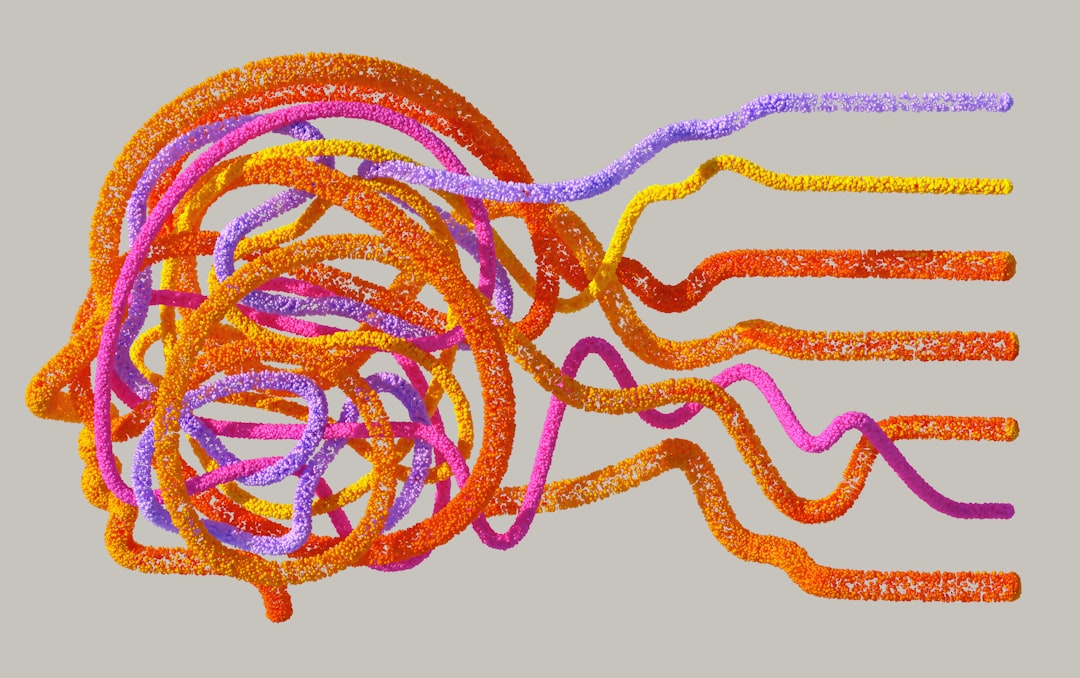
You’ve heard the whispers, the hushed tones in scientific circles, the buzz of a breakthrough on the horizon. Now, the year is 2025, and you’re on the cusp of understanding something truly profound, something that will redefine your perception of your own body and mind. The “Revolutionary 2025 Gut-Brain Study” has just dropped its initial findings, and trust us, you’re going to want to pay attention. This isn’t just another academic paper; it’s a paradigm shift, a meticulously crafted exploration into the intricate, often bewildering, dialogue between your gut and your brain. Get ready to have your assumptions challenged and your understanding of health, mood, and cognition fundamentally reshaped.
The Hidden Architect: Unveiling the Gut’s Cognitive Influence
For so long, the brain has been the undisputed monarch of your internal kingdom. It’s the seat of consciousness, the orchestrator of your actions, the keeper of your memories. But this groundbreaking study is about to reveal a co-ruler you may have largely ignored: your gut. The sheer volume and sophistication of the neural connections within your digestive system, often referred to as the “second brain,” are now being illuminated with unprecedented clarity. You’re not just digesting food; you’re actively participating in complex communication that directly impacts your thinking, your emotions, and even your very sense of self.
The Enteric Nervous System: Beyond Mere Digestion
You’ve likely encountered the term “enteric nervous system” (ENS) before, perhaps in a biology textbook. But the 2025 study elevates its significance. Forget the idea of a simplistic reflex arc for gut motility. Researchers have identified intricate neural networks within the ENS that rival the complexity of the central nervous system. These networks are not just responding to food; they are interpreting it, sending sophisticated signals to the brain that influence everything from hunger cues to your emotional state. You’re learning that the ENS possesses a remarkable degree of autonomy, capable of processing information and even initiating complex responses independently of the brain’s direct command. This fundamentally shifts your understanding of what it means to have a “gut feeling.”
Decoding the Neural Highways: Vagus Nerve and Beyond
The vagus nerve has always been a known player in the gut-brain axis. However, the 2025 study has provided incredibly detailed mapping of its bidirectional pathways. You’re gaining a clearer picture of how sensory information from your gut—afferent signals—travels to the brain, informing it about the state of your digestive system. Simultaneously, you’re seeing how efferent signals from the brain can modulate gut function, impacting everything from acid production to nutrient absorption. This intricate dance, happening constantly within you, is proving far more dynamic and influential than previously appreciated. Beyond the vagus nerve, new signaling pathways, mediated by specific neurotransmitters and neuropeptides, are being identified, revealing a much richer and more nuanced communication system.
Neurotransmitter Production: The Gut as a Pharmacy
You’ve always associated neurotransmitters like serotonin and dopamine with brain function, mood regulation, and motivation. What this study is powerfully demonstrating is that a significant portion of these critical neurochemicals are produced within your gut. Billions of neurons in the ENS are capable of synthesizing and releasing these mood-altering compounds. This means that the health and composition of your gut microbiome can directly influence the availability of these neurotransmitters, impacting your mood, anxiety levels, and even your susceptibility to conditions like depression. You’re beginning to understand how the food you eat, and the microbial ecosystem residing within you, can directly influence your brain chemistry.
The Microbiome: More Than Just Bugs in Your Belly
For years, the gut microbiome has been a subject of intense research, but the 2025 study pushes this understanding into entirely new territory. It’s no longer simply about the presence or absence of certain bacteria. You are now privy to insights into the functional role of specific microbial communities, their metabolites, and their direct impact on neural signaling and brain function.
Microbial Metabolites: The Gut’s Chemical Messengers
The surprising findings are truly coming into focus here. Your gut microbes aren’t passive inhabitants; they are active producers of a vast array of metabolites. These are chemical compounds that your body readily absorbs and utilizes. The study highlights that these microbial metabolites, such as short-chain fatty acids (SCFAs), directly interact with the nervous system, influencing neuroinflammation, brain-derived neurotrophic factor (BDNF) production (crucial for brain cell growth and survival), and even the integrity of the blood-brain barrier. You’re discovering that what your gut bacteria “eat” can directly influence the “food” your brain receives, in terms of vital signaling molecules.
Dysbiosis and Neurological Symptoms: A Direct Link Revealed
One of the most significant revelations is the robust correlation between gut dysbiosis—an imbalance in the gut microbial community—and a range of neurological and psychological symptoms. You’re seeing compelling evidence that conditions previously thought to be solely brain-centric, such as anxiety disorders, depression, and even early-stage cognitive decline, can be significantly influenced, and in some cases, potentially exacerbated by an unhealthy gut microbiome. The study meticulously details how inflammatory signals originating from a dysbiotic gut can breach the blood-brain barrier, leading to neuroinflammation, a key factor in many neurological disorders.
Recent research into the gut-brain connection has gained significant attention, particularly with the upcoming 2025 gut-brain study that aims to explore the intricate relationship between our digestive system and mental health. This study is expected to provide groundbreaking insights into how gut microbiota influence mood and cognitive functions. For more information on related topics, you can read an article that delves into the implications of gut health on overall well-being at this link.
Cognitive Performance Under the Influence: How Gut Health Shapes Your Mind
Your ability to focus, learn, remember, and solve problems is not solely a function of your brain’s inherent capabilities. The 2025 study provides compelling evidence that your gut health plays a crucial, and often overlooked, role in optimizing your cognitive performance. This is where the “revolutionary” aspect truly begins to hit home, impacting your daily life and your pursuit of peak mental function.
Memory Formation and Recall: The Gut’s Role in Your Past
You’ve always attributed memory to the hippocampus and other brain structures. Now, you’re being shown that your gut is a silent partner in this fundamental brain process. The study reveals that the gut microbiome influences the production of neurotransmitters essential for synaptic plasticity, the ability of neural connections to strengthen or weaken over time, which underlies learning and memory. Furthermore, researchers have identified specific bacterial strains that appear to enhance memory consolidation and recall. You’re starting to understand that a healthy gut might be the key to unlocking sharper memories and a more resilient cognitive function.
The Gut-Cognition Connection: A New Frontier for Learning
The implications for learning are staggering. Imagine a future where personalized gut interventions could enhance your ability to absorb new information, retain complex concepts, and improve problem-solving skills. The 2025 study lays the groundwork for this future by demonstrating how the gut-brain axis influences neurogenesis—the birth of new neurons—and synaptic plasticity. You are being presented with the evidence that a thriving gut environment can foster a more fertile ground for cognitive growth and development.
Mood Regulation and Emotional Resilience: The Gut’s Emotional Compass
Your emotions, your ability to cope with stress, and your overall sense of well-being are deeply intertwined with the signals emanating from your gut. The study provides undeniable proof that your gut is acting as a powerful regulator of your mood and emotional resilience.
Serotonin Synthesis and Mood: A Deeper Understanding
The well-established link between serotonin and mood is now being contextualized within your gut. You’re learning that the vast majority of the body’s serotonin is produced in the gut, and its release is heavily influenced by the composition of your microbiome. Dysbiosis can lead to imbalances in serotonin production and signaling, directly impacting mood disorders such as depression and anxiety. This isn’t about simply taking a supplement; it’s about understanding the intricate biological mechanisms at play within your own body.
Stress Response and Gut Health: The Vicious Cycle of Anxiety
The study also sheds light on the bidirectional relationship between stress and gut health. Chronic stress can negatively impact the composition and function of your gut microbiome, leading to inflammation and further exacerbating stress and anxiety. Conversely, a healthy gut microbiome can buffer the effects of stress and promote emotional resilience. You’re discovering that addressing gut health can be a crucial strategy for managing stress and improving your overall emotional well-being.
Emerging Therapies: Harnessing the Gut-Brain Axis for Health
The scientific discoveries made in 2025 are not just academic curiosities; they are paving the way for revolutionary new therapeutic approaches. You are at the forefront of a paradigm shift in medicine, where interventions targeting the gut are becoming increasingly vital for treating a wide spectrum of conditions.
Recent research has shed light on the intricate relationship between the gut and the brain, with a notable study set for 2025 that aims to explore this connection further. This groundbreaking study could provide insights into how gut health influences mental well-being and cognitive function. For those interested in the latest developments in this field, a related article can be found at Freaky Science, which discusses the potential implications of gut microbiota on neurological disorders.
Probiotics and Prebiotics: Beyond the Hype
You’ve heard of probiotics and prebiotics, but this study moves beyond the general notion of “good bacteria.” You’re now seeing research that demonstrates the efficacy of precisely targeted probiotic strains and specific prebiotic formulations designed to address particular gut-brain axis imbalances. The study provides concrete evidence of how these interventions, when tailored to individual needs, can positively influence mood, cognition, and even immune function.
Personalized Gut Interventions: The Future of Treatment
The future of medicine is becoming increasingly personalized, and the gut-brain axis is a prime example. The 2025 study highlights the development of diagnostic tools that can analyze your unique gut microbiome composition and identify specific imbalances. This will allow for the creation of highly personalized gut intervention strategies, moving away from one-size-fits-all approaches. You are witnessing the dawn of an era where your gut health will be routinely assessed and managed to optimize your overall health and well-being.
Fecal Microbiota Transplantation (FMT): A Powerful Tool in Development
While still in its early stages for many applications, the study explores the promising role of Fecal Microbiota Transplantation (FMT) for specific gut-brain related conditions. You are learning about ongoing research demonstrating its potential in treating severe gut disorders with secondary neurological and psychological impacts. The study emphasizes the ongoing need for rigorous research and clinical trials to fully understand its long-term effects and optimize its application.
Your Body, Your Ecosystem: Embracing the Gut-Brain Connection
The findings of the Revolutionary 2025 Gut-Brain Study are not just a collection of scientific facts; they are an invitation to a deeper understanding of yourself. You are not just a collection of organs; you are a complex, interconnected ecosystem, and the health of your gut is inextricably linked to the health of your mind.
Lifestyle Choices and Gut Health: Empowering Your Decisions
This study empowers you to make informed lifestyle choices that directly benefit your gut microbiome and, consequently, your brain. You’re learning that what you put in your body—from the food you eat to the stress management techniques you employ—has a profound and far-reaching impact on your internal ecosystem. This knowledge gives you agency over your own health, moving you from a passive recipient of care to an active participant in your well-being.
Diet as Medicine: The Culinary Prescription for a Healthy Brain
The implications for diet are profound. You’re understanding that certain foods can nourish beneficial gut bacteria and reduce inflammation, while others can disrupt microbial balance and contribute to negative health outcomes. The study encourages a shift towards a more holistic approach to nutrition, recognizing the direct impact of your dietary choices on your cognitive function and emotional state. You’re seeing the emergence of “gut-friendly” diets as a powerful tool for enhancing both physical and mental health.
The Mind-Body Connection: A Unified Perspective
The 2025 Gut-Brain Study offers a powerful testament to the unified nature of your mind and body. The artificial separation we’ve often created is now being dissolved by the undeniable scientific evidence. You are realizing that nurturing your gut is not separate from nurturing your brain; they are two sides of the same coin. This holistic perspective holds the key to unlocking a new level of health, vitality, and self-awareness. You are encouraged to integrate this understanding into your daily life, recognizing that what’s good for your gut, is ultimately, what’s good for your mind.

The Hidden Sense Inside Your Gut
FAQs
What is the 2025 gut brain study?
The 2025 gut brain study is a research project aimed at understanding the connection between the gut and the brain, and how it impacts overall health and well-being.
What are the main findings of the 2025 gut brain study?
The main findings of the 2025 gut brain study suggest that the gut microbiome plays a crucial role in influencing brain function, behavior, and mental health. It also highlights the potential for targeted interventions to improve mental health through gut health.
How was the 2025 gut brain study conducted?
The 2025 gut brain study involved a combination of human clinical trials, animal studies, and advanced microbiome analysis techniques to investigate the relationship between the gut and the brain.
What are the implications of the 2025 gut brain study?
The implications of the 2025 gut brain study are significant, as they suggest that maintaining a healthy gut microbiome could have a positive impact on mental health and cognitive function. This could lead to new approaches for treating mental health disorders.
What are the next steps following the 2025 gut brain study?
Following the 2025 gut brain study, researchers are focused on further understanding the mechanisms behind the gut-brain connection and developing targeted interventions to improve mental health through gut health. This may include the development of probiotics and dietary interventions.