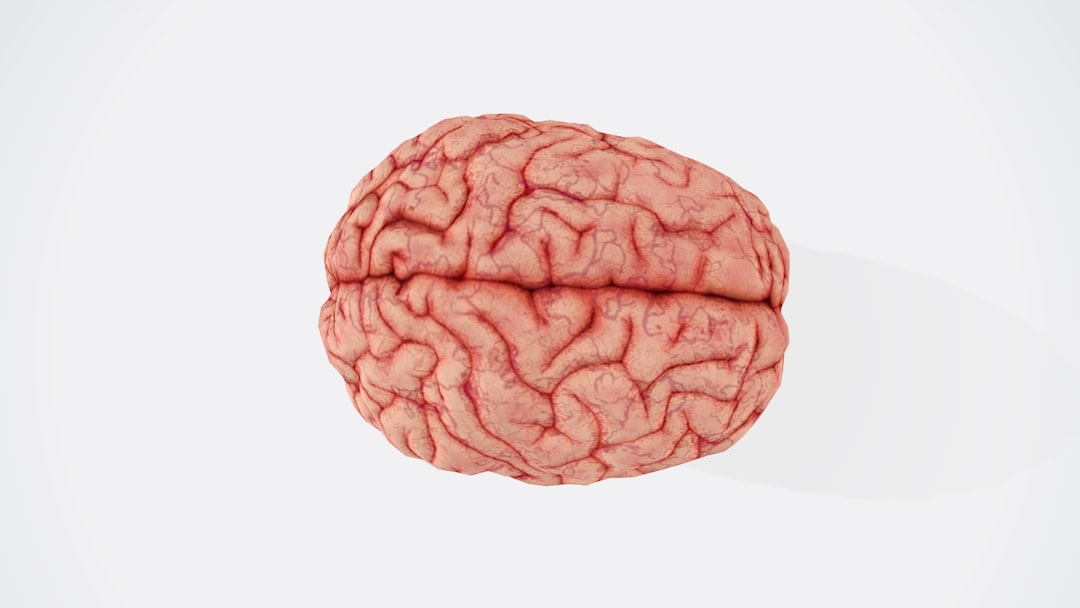
The hum of the refrigerator. The rhythmic tick of the clock. The sterile glow of the computer screen. These are the soundscapes and vistas of modern life, often devoid of the earthy scent of pine or the dappled sunlight filtering through leaves. Yet, you might be surprised to learn just how profoundly these forgotten connections to nature impact the intricate dance happening within your own body – specifically, the fascinating communication network between your gut and your brain, often dubbed the “gut-brain axis.” This is more than just a scientific curiosity; it’s a vital aspect of your well-being, and nature, in its boundless wisdom, holds a key to unlocking its optimal function.
Imagine a bustling metropolis. Not of concrete and steel, but of trillions of microscopic organisms residing within your digestive tract. This is your gut microbiome, a diverse and dynamic ecosystem that plays a far more active role in your health than you might ever have imagined. For years, the focus was predominantly on the brain as the sole conductor of your body’s symphony. However, a revolutionary shift in understanding has revealed that your gut, with its teeming microbial inhabitants, is a powerful co-conductor, constantly sending signals to and receiving feedback from your brain. This bidirectional communication pathway, the gut-brain axis, is a complex web of neural, endocrine, and immune signals that influences everything from your mood and cognition to your stress response and even your susceptibility to certain diseases.
The Neuronal Highway: Vagus Nerve’s Vital Role
At the forefront of this communication is the vagus nerve, a cranial nerve that stretches from the brainstem all the way down to your abdomen. Think of it as a superhighway, transmitting a constant stream of information in both directions. Your gut microbes can directly influence the vagus nerve’s activity, releasing neurotransmitters and other signaling molecules that can impact brain function.
Microbial Messengers: Neurotransmitters and Metabolites
Your gut bacteria aren’t just passive bystanders; they are active producers of a wide array of chemical compounds, many of which are identical to the neurotransmitters that your brain uses to communicate. Serotonin, often called the “feel-good” neurotransmitter, is a prime example. A staggering 90% of the body’s serotonin is produced in the gut, and its production is heavily influenced by the composition of your microbiome. Gut microbes also produce short-chain fatty acids (SCFAs) like butyrate, acetate, and propionate through the fermentation of dietary fiber. These SCFAs are not only crucial for gut health themselves, providing energy to your gut cells and reducing inflammation, but they also have the capacity to cross the blood-brain barrier and influence brain function, impacting learning, memory, and even behavior.
The Hormonal Echo: Stress and Gut Feelings
The gut-brain axis is also intricately linked to your endocrine system, particularly your stress response. When you experience stress, your brain releases hormones like cortisol, which can have a significant impact on your gut. Conversely, an imbalanced gut microbiome can also trigger a stress response, creating a vicious cycle. This explains why you might feel butterflies in your stomach when you’re anxious or experience digestive upset when you’re under pressure – these are not just psychosomatic symptoms; they are tangible manifestations of the gut-brain connection.
Cortisol’s Reach: Gut Mood and Inflammation
Chronic elevated cortisol levels, often a byproduct of prolonged stress, can disrupt the gut barrier, making it more permeable and allowing harmful substances to enter the bloodstream. This triggers an inflammatory response, not only in the gut but systemically, which can then further impact brain health, contributing to mood disorders like depression and anxiety.
Recent studies have highlighted the intricate relationship between the gut microbiome and brain function, suggesting that our digestive health can significantly influence mental well-being. For a deeper understanding of this fascinating connection, you can explore a related article that delves into the latest findings in this field. To learn more about the gut-brain axis and its implications for health, visit this article.
Nature’s Balm: How the Natural World Soothes the Gut and Brain
Now, let’s turn our attention to the remedy. In our increasingly urbanized lives, the profound and often overlooked influence of nature can act as a powerful balm on the delicate gut-brain axis. Spending time in natural environments doesn’t just feel good; it actively promotes a healthier microbial balance and a more resilient stress response.
Forest Bathing: The Serene Symphony of the Trees
The Japanese practice of “Shinrin-yoku,” or forest bathing, offers a powerful testament to nature’s restorative capabilities. It’s more than just a leisurely stroll; it’s a mindful immersion in the forest atmosphere. Studies have shown that spending time in forests can significantly reduce stress hormones like cortisol, lower blood pressure, and decrease heart rate. But the benefits extend beyond the immediate physiological calming effect.
Phytoncides’ Power: Microbial Modulation and Immune Boost
Forests are rich in volatile organic compounds called phytoncides, emitted by trees and plants. These natural chemicals, when inhaled, have been shown to boost our immune system by increasing the number and activity of Natural Killer (NK) cells, a type of white blood cell that attacks virus-infected cells and tumor cells. Furthermore, research suggests that these phytoncides can also influence the gut microbiome, promoting the growth of beneficial bacteria and reducing the abundance of harmful ones. Imagine breathing in the scent of pine needles or damp earth and knowing that these aromatic compounds are actively working to harmonize your internal ecosystem.
Green Spaces: The Urban Oasis for Gut-Brain Harmony
Even within urban environments, access to green spaces – parks, gardens, tree-lined streets – can have a tangible impact on your well-being and, consequently, your gut-brain axis. The simple act of seeing trees, hearing birdsong, or feeling the grass beneath your feet can trigger a cascade of positive physiological responses.
Nature’s Microbes: Exposure to Diverse Ecosystems
Urban green spaces, though perhaps less biodiverse than wild forests, still offer opportunities for exposure to a wider range of microbial life than sterile indoor environments. These diverse microbes can colonize your skin and, through incidental contact, contribute to the richness and resilience of your own microbiome. This exposure can help train your immune system, making it more adept at distinguishing between friend and foe, and potentially reducing the risk of allergic and autoimmune conditions.
The Gut Microbiome as a Nature’s Echo Chamber
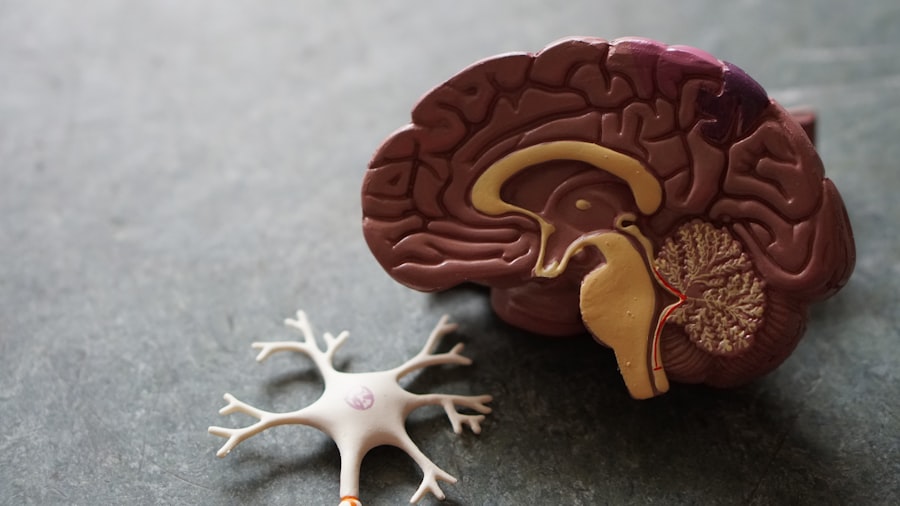
Your gut microbiome, in a fascinating way, can be seen as a reflection of the environments you inhabit. Just as a forest’s biodiversity is shaped by its surroundings, your microbial community is influenced by your diet, lifestyle, and, crucially, your exposure to the natural world. When you step out into nature, you’re not just observing it; you’re interacting with it on a microscopic level.
Dietary Influences: Foraging for Gut Health
Many of the foods that are considered healthy and beneficial for the gut microbiome are directly derived from nature. Think of the fiber-rich fruits, vegetables, nuts, and seeds that form the foundation of a gut-friendly diet. These foods are essentially fuel for your beneficial gut bacteria, providing them with the complex carbohydrates they need to thrive and produce those vital SCFAs.
Fiber’s Fermentation: Powering the Microbial Metropolis
The more diverse and fiber-rich your diet, the more diverse and robust your gut microbiome becomes. When you consume a wide array of plant-based foods, you are essentially introducing a varied diet to your gut microbes, allowing different species to flourish. This diversity is key to maintaining a healthy gut barrier, regulating inflammation, and producing a balanced spectrum of neurotransmitters. Consider your plate a miniature garden, and the more varied the produce, the richer the harvest for your internal ecosystem.
Soil-Based Microbes: Dirt is Good for the Microbiome
In our quest for hygiene, we’ve become increasingly desensitized to, and even fearful of, dirt. However, for your gut microbiome, exposure to soil-based microbes can be incredibly beneficial. Early life exposure to a diverse range of microbes, including those found in soil, is thought to be crucial for the proper development of the immune system and can help prevent allergies and autoimmune diseases.
The Hygiene Hypothesis: Reconnecting with Earth’s Microbes
The “hygiene hypothesis” suggests that a lack of exposure to microbes in early life can lead to an overreactive immune system. Spending time in nature, gardening, or even playing outdoors allows for incidental contact with these microbes, helping to “train” your immune system and foster a healthy gut-brain connection. Think of digging in the garden not as a messy chore, but as a vital biological encounter.
Stress Reduction: Nature’s Natural Antidepressant and Anxiolytic
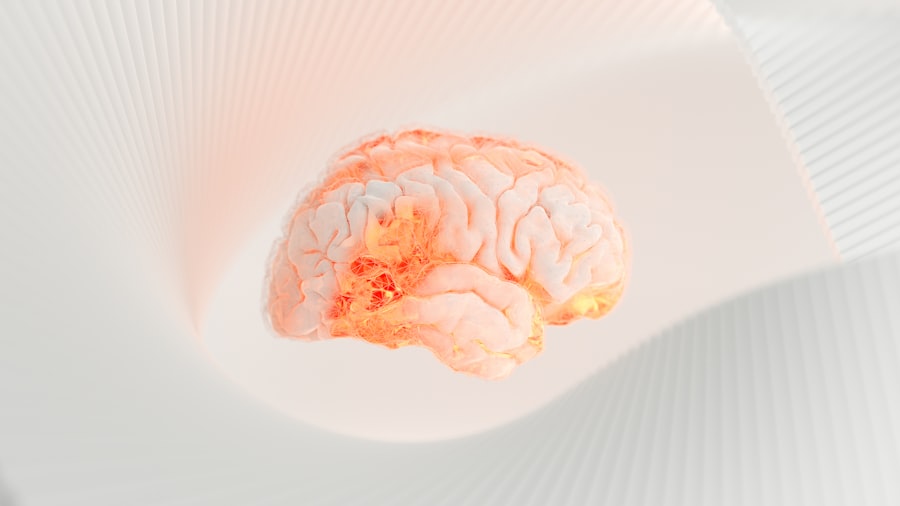
The impact of nature on stress levels is perhaps one of the most widely recognized benefits. But its influence on the gut-brain axis means that this stress reduction goes deeper, actively contributing to a healthier internal environment. When you’re less stressed, your gut functions more efficiently, and your brain functions more clearly.
The Biophilia Hypothesis: Our Innate Love for Nature
E.O. Wilson’s biophilia hypothesis proposes that humans have an innate tendency to connect with nature and other living systems. This innate drive suggests that our bodies and minds are wired to thrive in natural environments. When we are deprived of this connection, our stress levels can rise, and our gut-brain axis can become dysregulated.
Cortisol Levels and Calm: How Nature Quiets the Stress Response
Studies consistently show that spending time outdoors, particularly in green spaces, leads to a significant reduction in cortisol levels. This decrease in stress hormones has a ripple effect throughout the body, calming the nervous system, reducing inflammation, and improving the overall health of the gut. Imagine the feeling of the weight lifting off your shoulders when you enter a park – that’s your gut-brain axis responding to a natural cue for calm.
Improved Mood and Cognitive Function: A Clearer Mind, A Happier Gut
The interconnectedness of the gut and brain means that improved mood and cognitive function are often a direct result of a well-regulated gut-brain axis. When your gut is healthy and communicating effectively with your brain, you’re likely to experience reduced anxiety, improved focus, and a generally more positive outlook.
Serotonin Production: Gut-Brain Synergy for Happiness
As mentioned earlier, a significant portion of serotonin, the “feel-good” neurotransmitter, is produced in the gut. A healthy gut microbiome, fostered by a balanced diet rich in fiber and exposure to nature’s microbes, can lead to optimal serotonin production. This, in turn, positively impacts mood, making you feel happier and more content. The tranquility you experience in nature might be amplified by the very chemistry being balanced within your gut.
Recent research has shed light on the intricate relationship between the gut and the brain, revealing how gut health can significantly influence mental well-being. For those interested in exploring this fascinating connection further, an insightful article can be found at Freaky Science, which delves into the mechanisms by which gut microbiota affect mood and cognitive functions. Understanding this gut-brain axis could pave the way for innovative treatments for various mental health disorders.
Practical Applications: Integrating Nature into Your Gut-Brain Health Routine
| Study | Findings |
|---|---|
| Nature Gut Brain Study | Increased time spent in nature correlated with improved cognitive function and reduced stress levels. |
The good news is that you don’t need to move to a remote wilderness to reap the benefits of nature for your gut-brain axis. Incorporating small, consistent doses of nature into your daily life can make a significant difference.
Mindful Moments: Embracing Everyday Nature
Even in a bustling city, opportunities for nature immersion abound. Take your breaks in a local park, eat your lunch on a bench under a tree, or simply open your windows to let in fresh air and the sounds of nature. It’s about actively seeking out and appreciating these small pockets of the natural world.
Sensory Engagement: Actively Noticing Nature’s Details
Engage all your senses when you’re outdoors. Listen to the birdsong, smell the flowers, feel the texture of leaves, and observe the intricate patterns of bark. This mindful engagement amplifies the benefits of being in nature and helps to create a stronger connection.
Home Habits: Bringing Nature Indoors
You can also bring elements of nature into your own home to support your gut-brain health. Houseplants can improve air quality and provide a sense of calm. Consider incorporating natural materials like wood and stone into your decor. Even the simple act of looking at pictures or videos of nature can have a positive impact.
The Power of Plants: Indoor Air Quality and Biophilic Design
Indoor plants have been shown to reduce stress, improve mood, and even boost productivity. Their presence can create a more calming and restorative environment, indirectly benefiting your gut-brain axis. Furthermore, the principles of biophilic design, which aim to integrate natural elements into built environments, can create spaces that are inherently more conducive to well-being.
Active Pursuits: Hiking, Gardening, and Beyond
For those who crave more immersive experiences, consider incorporating activities like hiking, gardening, or simply walking in nature into your routine. These activities not only expose you to the benefits of the natural environment but also provide physical exercise, which is another crucial component of overall health.
The Exercise-Microbiome Link: Moving with Nature
Physical activity, especially in natural settings, has been shown to positively impact the gut microbiome. It can increase microbial diversity and promote the growth of beneficial bacteria. So, the next time you’re contemplating a workout, consider taking it outdoors. Your gut will thank you.
The relationship between nature and your gut-brain axis is a profound and deeply interconnected one. By consciously reconnecting with the natural world, you are not just engaging in a pleasant pastime; you are actively nurturing the intricate dialogue between your gut and your brain, fostering a greater sense of well-being, resilience, and vibrant health. So, step outside, breathe deeply, and let nature work its quiet magic. Your internal ecosystem is waiting to be understood, and the natural world holds the keys to its harmonious balance.

The Hidden Sense Inside Your Gut
FAQs
What is the nature gut brain study about?
The nature gut brain study explores the connection between the gut microbiome and the brain, and how it can impact overall health and well-being.
What are the key findings of the nature gut brain study?
The study found that the gut microbiome plays a crucial role in influencing brain function, behavior, and mental health. It also highlighted the potential for gut microbiome-based interventions to improve mental health outcomes.
How was the nature gut brain study conducted?
The study involved analyzing the gut microbiome of participants and correlating it with their mental health and cognitive function. Researchers used advanced sequencing techniques to identify the specific microbial species present in the gut.
What are the implications of the nature gut brain study?
The study suggests that maintaining a healthy gut microbiome through diet, probiotics, and other interventions could have a positive impact on mental health and cognitive function. It also opens up new avenues for potential treatments for mental health disorders.
Where can I find more information about the nature gut brain study?
More information about the nature gut brain study can be found in scientific journals, research publications, and on the websites of the institutions and researchers involved in the study.