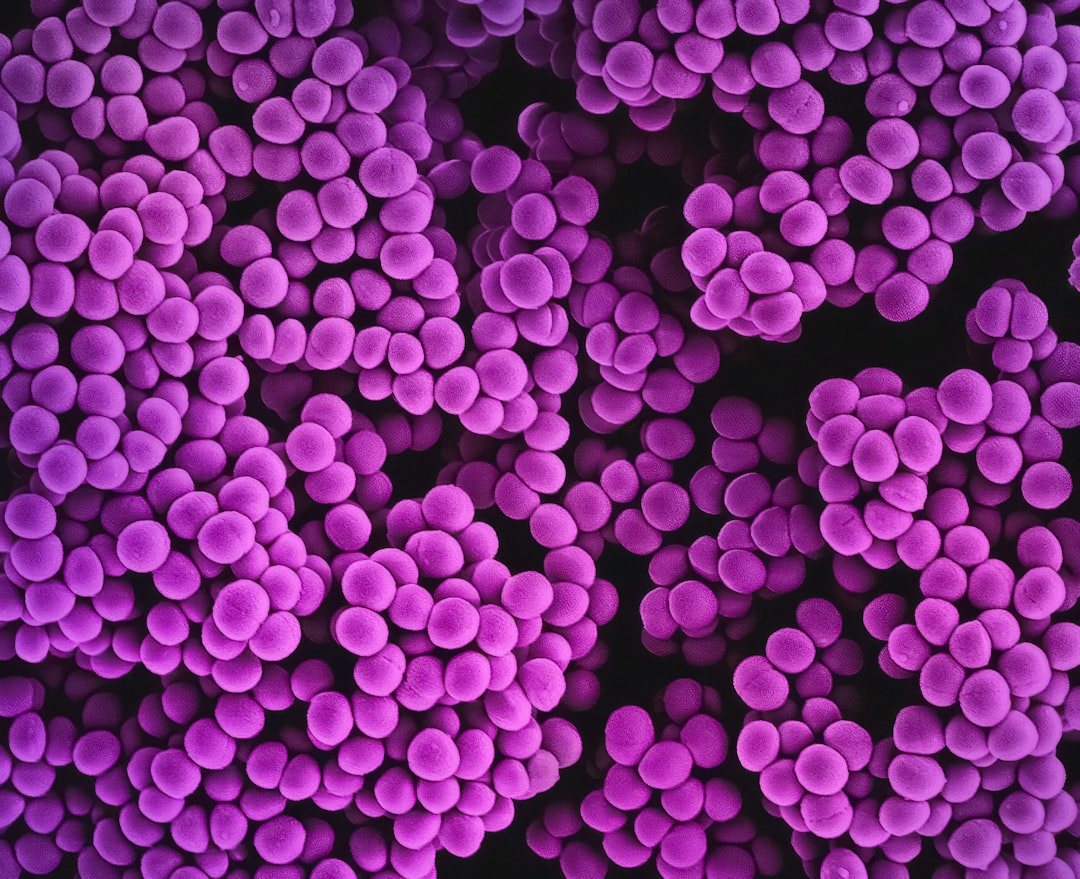
You’re probably familiar with the old adage, “You are what you eat.” But what if we told you it’s even more profound than that? What you feed your body doesn’t just fuel your own cells; it actively shapes an entire ecosystem living within you, a teeming metropolis of microscopic organisms known as your gut bacteria. This intricate community, collectively called the gut microbiome, plays a critical role in your overall health, influencing everything from digestion and nutrient absorption to immune function and even your mood. And at the heart of this profound influence lies your diet. Understanding how your food choices directly impact the feeding and flourishing of these tiny tenants is key to unlocking a healthier you.
Imagine your gut as a bustling city, a complex and diverse environment where trillions of bacteria, viruses, fungi, and other microbes reside. This is your gut microbiome. It’s not a static entity; it’s a dynamic, ever-changing landscape, profoundly influenced by the external environment, and most importantly, by what you bring into your system – your food.
What Exactly Are Gut Bacteria?
When we talk about gut bacteria, we’re referring to the vast majority of microorganisms that inhabit your gastrointestinal tract. These aren’t just passive hitchhikers; they are active participants in your physiology. They come in an astonishing variety, with different species having distinct roles and preferences for certain food components. Think of them as specialized workers in your internal city, each with its own job description. Some break down complex carbohydrates that your own enzymes can’t handle, others synthesize essential vitamins, and still others train and modulate your immune system. The balance and diversity of these bacterial populations are crucial for optimal health. An imbalance, often referred to as dysbiosis, can lead to a cascade of health problems.
The Gut-Brain Connection: More Than Just Digestion
For a long time, the gut was primarily viewed as a simple processing plant for food. However, research has revealed a sophisticated communication highway between your gut and your brain, known as the gut-brain axis. Your gut bacteria are active participants in this communication. They produce neurotransmitters, like serotonin and dopamine, which are the same chemicals that regulate your mood, sleep, and appetite. This means that the food you eat, and consequently the bacteria it feeds, can directly influence how you feel, both emotionally and physically. A diet that fosters a healthy microbiome can contribute to a more stable mood, reduced anxiety, and improved cognitive function. Conversely, a diet that leads to dysbiosis can disrupt this delicate balance, potentially contributing to issues like depression, anxiety, and even neurodegenerative diseases.
The Impact of Diet: A Foundation for Microbial Life
Your diet is arguably the most potent lever you have for influencing your gut microbiome. Every meal you consume is a feeding frenzy for your gut inhabitants. Different food components are selectively utilized by different bacterial species, leading to the proliferation of some and the decline of others. This selective pressure is what shapes the composition and function of your microbiome over time. You are, in essence, curating your inner ecosystem with every bite.
Recent research has shed light on the fascinating relationship between gut bacteria and feeding behavior, revealing how the composition of our microbiome can influence our food choices and cravings. For a deeper understanding of this topic, you can explore the article on gut health and its impact on diet at Freaky Science. This resource provides valuable insights into how our gut bacteria not only aid in digestion but also play a crucial role in regulating our appetite and metabolic processes.
Feeding Your Gut Bacteria: The Power of Fiber
When it comes to nourishing your gut bacteria, fiber is king. This indigestible component of plant-based foods is not just good for your digestive regularity; it’s the primary fuel source for many beneficial gut microbes.
Prebiotics: The Breakfast of Champions for Your Bacteria
You can think of prebiotic fibers as the favorite foods of your good gut bacteria. These are specific types of carbohydrates that are resistant to digestion in your upper gastrointestinal tract. They travel to your large intestine, where they become readily available for fermentation by beneficial microbes like Bifidobacteria and Lactobacilli.
Soluble vs. Insoluble Fiber: Different Roles, Same Importance
While both soluble and insoluble fiber are crucial, they have slightly different impacts.
- Soluble Fiber: This type of fiber dissolves in water, forming a gel-like substance. It slows down digestion, which can help with blood sugar control and promote feelings of fullness. For your gut bacteria, soluble fiber is a goldmine. It’s highly fermentable, meaning they can efficiently break it down to produce short-chain fatty acids (SCFAs).
- Insoluble Fiber: This fiber does not dissolve in water and adds bulk to your stool, promoting regular bowel movements. While less fermentable than soluble fiber, it still contributes to gut health by speeding up the passage of waste through your digestive system, preventing constipation and contributing to a healthy gut environment.
Short-Chain Fatty Acids (SCFAs): The Powerhouse Metabolites
The fermentation of fiber by gut bacteria produces a range of SCFAs, the most abundant being butyrate, propionate, and acetate. These SCFAs are not just waste products; they are incredibly important metabolites with far-reaching health benefits.
- Butyrate: This SCFA is the primary energy source for the cells lining your colon, known as colonocytes. It plays a vital role in maintaining the integrity of your gut barrier, reducing inflammation, and potentially protecting against colon cancer.
- Propionate: Propionate can be used by the liver for energy and has been linked to improved glucose metabolism and reduced cholesterol levels.
- Acetate: Acetate is the most abundant SCFA and circulates throughout the body, influencing various metabolic processes. It can also be converted into other energy sources.
Diverse Fiber Sources: A Feast for All
To maximize the benefits of fiber, it’s essential to consume a wide variety of plant-based foods. Different types of fiber are preferred by different bacterial species, so a diverse diet ensures that a broad spectrum of beneficial microbes can thrive.
- Fruits: Apples, berries, bananas (especially slightly unripe ones), pears.
- Vegetables: Broccoli, Brussels sprouts, carrots, leafy greens (spinach, kale), sweet potatoes, artichokes.
- Legumes: Lentils, beans (kidney, black, chickpeas), peas.
- Whole Grains: Oats, barley, quinoa, brown rice, whole wheat bread and pasta.
- Nuts and Seeds: Almonds, walnuts, chia seeds, flaxseeds.
The Role of Fermented Foods: Introducing Beneficial Microbes
Beyond providing food for your existing bacteria, you can also directly introduce beneficial microbes into your gut through fermented foods. These foods undergo a process of microbial growth and metabolic transformation, which can enhance their nutritional value and introduce live bacteria.
What are Fermented Foods?
Fermentation is an ancient preservation technique that utilizes microorganisms, such as bacteria and yeast, to break down carbohydrates into alcohol or organic acids. This process not only extends the shelf life of foods but also transforms their flavor, texture, and nutritional profile.
Probiotics: The Beneficial Guests
Many fermented foods are rich in probiotics, which are live microorganisms that, when administered in adequate amounts, confer a health benefit on the host. Think of them as adding new, beneficial workers to your gut city.
- Yogurt and Kefir: These dairy products are fermented by Lactobacilli and Bifidobacteria. Look for products with “live and active cultures” on the label.
- Sauerkraut and Kimchi: These fermented cabbage dishes are rich in Lactobacilli.
- Kombucha: A fermented tea that contains a symbiotic culture of bacteria and yeast.
- Tempeh and Miso: Fermented soy products that offer a unique flavor and texture.
The Impact of Probiotics on Gut Health
Consuming probiotic-rich foods can help to:
- Restore Gut Balance: After disruptions like antibiotic use or illness, probiotics can help re-establish a healthy microbial community.
- Improve Digestion: They can aid in the breakdown of food and the absorption of nutrients.
- Strengthen the Immune System: A significant portion of your immune system resides in your gut, and beneficial bacteria play a role in its proper functioning.
- Reduce Inflammation: Some probiotics have anti-inflammatory properties.
The Downsides: Foods That Harm Your Gut Bacteria
Just as some foods nourish your gut bacteria, others can have a detrimental effect, leading to an imbalance and a decline in beneficial microbes. These often include highly processed foods, excessive sugar, and unhealthy fats.
Processed Foods: Empty Calories, Bad News for Bacteria
Highly processed foods are often stripped of their natural fiber and nutrients and are loaded with artificial ingredients, unhealthy fats, and added sugars.
High Sugar Content: A Boon for Unwanted Guests
When you consume a lot of sugar, it can fuel the growth of less desirable bacteria and yeast in your gut. This can lead to an overgrowth of these organisms, disrupting the delicate balance of your microbiome. Some of these sugar-loving microbes can produce byproducts that contribute to inflammation and gut discomfort.
Artificial Sweeteners: A Controversial Connection
The impact of artificial sweeteners on the gut microbiome is an area of ongoing research and debate. Some studies suggest that certain artificial sweeteners can alter the composition and function of gut bacteria, potentially leading to negative health outcomes. However, more research is needed to fully understand these effects.
Emulsifiers and Preservatives: Disrupting the Microbial Barrier
Many processed foods contain emulsifiers and preservatives that are designed to improve texture, shelf life, and appearance. However, these additives can potentially disrupt the protective mucus layer of your gut lining, which is a crucial barrier against harmful substances. This disruption can allow unwanted bacteria to come into closer contact with the gut wall, potentially triggering inflammation and increasing gut permeability.
Unhealthy Fats: The Inflammation Connection
While healthy fats are essential, excessive consumption of saturated and trans fats, commonly found in fried foods and processed snacks, can have negative consequences for your gut microbiome.
Saturated and Trans Fats: Fueling Inflammation
These types of fats can promote the growth of bacteria that produce inflammatory compounds. Chronic inflammation in the gut can contribute to a range of health issues, including inflammatory bowel disease (IBD) and metabolic syndrome.
Lowers Diversity: A Bland Diet for a Diverse Community
A diet high in unhealthy fats and low in fiber often leads to a less diverse gut microbiome. A lack of diversity means fewer types of beneficial bacteria are present, making your microbial community more vulnerable to disruption and less capable of performing its essential functions.
Recent research has shed light on the intricate relationship between gut bacteria and feeding behavior, revealing how these microorganisms can influence our dietary choices and cravings. For a deeper understanding of this fascinating topic, you can explore a related article that discusses the impact of gut health on overall well-being. This article provides insights into how the composition of gut bacteria can shape our eating habits and preferences. To learn more about this connection, visit this informative piece.
Hydration: The Unsung Hero of Gut Health
| Behavior | Impact |
|---|---|
| Prebiotic consumption | Increases beneficial bacteria growth |
| High fiber diet | Promotes diversity of gut bacteria |
| Probiotic intake | Supports healthy gut bacteria balance |
| Low sugar consumption | Reduces harmful bacteria growth |
You might not always consider water as a “food” for your gut bacteria, but hydration is absolutely critical for their survival and function, as well as the overall health of your digestive system.
Water for Bacterial Metabolism and Movement
Just like all living organisms, gut bacteria need water to carry out their metabolic processes. Furthermore, water is essential for the proper functioning of your digestive tract.
- Aiding Digestion: Water helps to break down food particles, making them easier for your bacteria to ferment.
- Lubricating the Gut: It keeps the intestinal lining moist and lubricated, facilitating the smooth passage of food and waste.
- Transporting Nutrients: Water acts as a medium for transporting nutrients to your gut bacteria and for carrying away their metabolic byproducts.
The Link Between Dehydration and Constipation
When you don’t drink enough water, your body conserves fluid, and the colon absorbs more water from your stool. This leads to harder, drier stools, making bowel movements difficult and infrequent. Constipation can create an environment in the gut where harmful bacteria can proliferate, further disrupting the microbial balance. Staying adequately hydrated ensures that your gut bacteria have the right environment to thrive and perform their tasks efficiently.
The Future of Diet and Gut Bacteria: Personalized Nutrition
The understanding of the profound influence of diet on gut bacteria is rapidly evolving. This knowledge is paving the way for a more personalized approach to nutrition, where your dietary recommendations are tailored not just to your taste preferences or general health goals, but also to your unique gut microbiome.
Gut Microbiome Analysis: Unlocking Your Personal Microbial Fingerprint
Technological advancements are now allowing us to analyze the composition of your gut microbiome. By sequencing the DNA of the microorganisms in your stool sample, scientists can identify the types and proportions of bacteria, fungi, and other microbes present in your gut. This “microbial fingerprint” can provide valuable insights into how your current diet is affecting your microbiome.
Tailoring Diets for Optimal Microbial Balance
Once you have an understanding of your microbial makeup, dietary recommendations can be much more precise. For example, if your analysis reveals a deficiency in bacteria that produce butyrate, a diet rich in specific types of fiber known to feed butyrate-producing bacteria might be recommended. Conversely, if an overgrowth of certain less desirable bacteria is detected, a dietary strategy to reduce their fuel sources might be advised.
The Role of Prebiotic and Probiotic Supplements
While a whole-foods, diverse diet is the cornerstone of a healthy microbiome, personalized nutrition might also involve targeted use of prebiotic and probiotic supplements. These supplements can be used to fill specific gaps in your microbial community or to address particular health concerns under the guidance of a healthcare professional.
In conclusion, the relationship between your diet and your gut bacteria is a powerful one. You have the ability to profoundly influence this inner ecosystem with every meal. By prioritizing a diet rich in fiber from diverse plant-based sources, incorporating fermented foods, and staying well-hydrated, you are actively nurturing a thriving gut microbiome. This, in turn, contributes to improved digestion, a stronger immune system, enhanced mental well-being, and a greater sense of overall health. As the science of personalized nutrition continues to advance, understanding and consciously shaping your diet for your gut bacteria will become an even more integral part of your journey towards optimal health. You are, indeed, what you eat, and what you feed your gut bacteria plays a monumental role in who you become.

The Hidden Sense Inside Your Gut
FAQs
What is gut bacteria feeding behavior?
Gut bacteria feeding behavior refers to the way in which the microorganisms in the gut consume nutrients from the food we eat. These bacteria play a crucial role in breaking down and metabolizing the components of our diet, and their feeding behavior can have significant effects on our overall health.
How does gut bacteria feeding behavior impact our health?
The feeding behavior of gut bacteria can impact our health in various ways. It can influence our metabolism, immune function, and even our mood. The types of nutrients the bacteria consume and the byproducts they produce can have both positive and negative effects on our well-being.
What types of nutrients do gut bacteria consume?
Gut bacteria consume a wide range of nutrients, including dietary fiber, complex carbohydrates, and certain types of proteins and fats. These nutrients serve as fuel for the bacteria, allowing them to carry out their metabolic functions and interact with the cells of the gut.
How can we support healthy gut bacteria feeding behavior?
Supporting healthy gut bacteria feeding behavior involves consuming a diverse range of nutrients through a balanced diet. Foods high in fiber, such as fruits, vegetables, and whole grains, can promote the growth of beneficial gut bacteria. Additionally, avoiding excessive consumption of processed foods and added sugars can help maintain a healthy gut microbiome.
Can gut bacteria feeding behavior be manipulated for health benefits?
Research suggests that the feeding behavior of gut bacteria can be manipulated for potential health benefits. This can be achieved through the use of prebiotics, probiotics, and dietary interventions. By promoting the growth of beneficial bacteria and discouraging the growth of harmful bacteria, it may be possible to improve overall gut health and potentially alleviate certain health conditions.