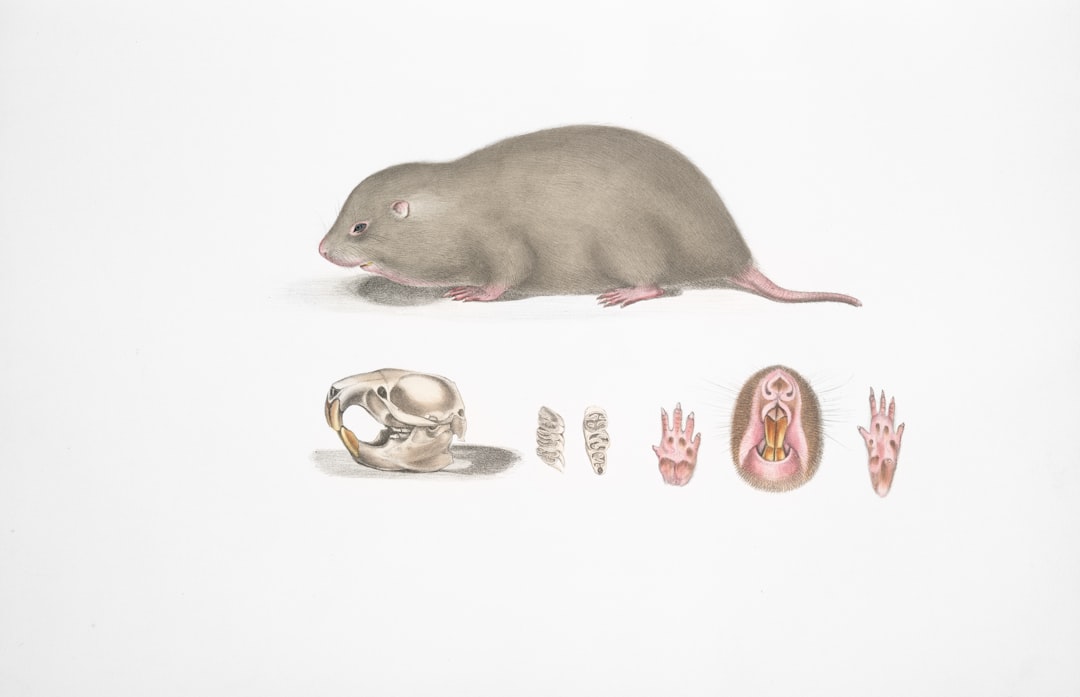
You’re probably familiar with the remarkable connection between your brain and your gut, often described as the “gut-brain axis.” But have you ever considered that this intricate communication network isn’t exclusive to humans? Venture with us into the microscopic yet monumental world of the mouse gut-brain axis, a realm teeming with fascinating discoveries that are revolutionizing our understanding of health, disease, and even behavior. Prepare to be captivated as we uncover the intriguing world of the mouse gut-brain.
Before we dive deep into the mouse’s specific neuro-intestinal landscape, it’s crucial to grasp the fundamental principles of the gut-brain axis. This bidirectional communication pathway is a symphony of signals, involving neural, hormonal, and immunological mechanisms. It’s not just about your stomach rumbling when you’re hungry; it’s a constant dialogue that influences everything from your mood and cognitive function to your immune system’s responsiveness. Tiny creatures like mice, with their surprisingly analogous biological systems, offer us a powerful lens through which to dissect and decipher this vital partnership.
The Enteric Nervous System: Your “Second Brain”
Imagine a nervous system that operates largely independently, embedded within the wall of your digestive tract. This is the enteric nervous system (ENS), often dubbed your “second brain.” In mice, just as in humans, the ENS is a complex network of neurons that controls local gut functions like motility, secretion, and blood flow. It receives and transmits signals from the central nervous system (CNS) – your brain and spinal cord – but it can also operate autonomously, orchestrating the intricate processes of digestion with remarkable efficiency. Studying its function in mice allows us to pinpoint the precise mechanisms by which gut signals are generated and relayed.
Neurons and Neurotransmitters: The Language of the Gut
Within the ENS of a mouse, a vast array of neurons communicate using a chemical language of neurotransmitters. Dopamine, serotonin, acetylcholine – these familiar neurochemicals aren’t just confined to your brain; they play pivotal roles in gut function, influencing everything from the pace of food processing to the experience of pain. Unraveling how these neurotransmitters are produced, released, and received by intestinal cells in mice provides critical insights into how gut activity is regulated and how it, in turn, influences the brain.
Interoception: Sensing Your Inner World
The gut is a sensory organ, constantly monitoring the internal environment. This process, known as interoception, is facilitated by specialized nerve endings in the gut lining. In mice, these receptors detect the presence of food, nutrients, and even mechanical stretching, sending signals up to the brain. Understanding how mice perceive these internal cues is paramount to comprehending how gut states translate into behavioral outputs like appetite, satiety, and even stress responses.
The Central Nervous System: The Commander-in-Chief
While the ENS is a marvel of local control, it doesn’t operate in isolation. The CNS acts as the overarching command center, receiving information from the gut and issuing directives. In mice, this involves intricate connections between the vagus nerve, which is a major communication highway, and various brain regions, including the brainstem, hypothalamus, and even higher cortical areas. The mouse CNS allows us to study how different brain regions are influenced by gut signals and how they, in turn, modulate gut activity.
The Vagus Nerve: A Direct Line to the Brain
The vagus nerve is a critical conduit for information flow between the gut and the brain. In mice, electrical and chemical signals from the gut travel along the vagus nerve to reach the brainstem, where they are further processed and relayed to other brain regions. Researchers can meticulously study the electrical activity of the vagus nerve in mice during different physiological states, providing direct evidence of the gut’s influence on brain function and vice versa.
Brain Regions Involved: A Network of Influence
Several key brain regions in mice are heavily influenced by gut signals. The hypothalamus, for instance, plays a crucial role in regulating appetite and metabolism based on signals from the gut. The amygdala, involved in emotions, can be sensitized by gut inflammation, potentially contributing to anxiety-like behaviors. By using advanced imaging techniques and behavioral assays in mice, scientists are mapping out these complex neural circuits and understanding how gut signals shape emotional and cognitive processes.
Recent studies in mouse gut-brain research have revealed fascinating insights into how gut microbiota can influence brain function and behavior. For a deeper understanding of this emerging field, you can explore the article that discusses the intricate connections between the gut and the brain, highlighting key findings and implications for human health. To read more, visit this article.
The Microbiome: The Unseen Architects of Gut-Brain Communication
Perhaps one of the most profound discoveries in recent years regarding the gut-brain axis is the influential role of the gut microbiome – the trillions of microorganisms residing in your digestive tract. In mice, this microbial community plays an astonishingly significant role in shaping gut-brain communication, influencing the host’s physiology and behavior in ways we are just beginning to comprehend.
What is the Gut Microbiome? A Delicate Ecosystem
You can visualize the gut microbiome in mice as a bustling metropolis, populated by bacteria, fungi, archaea, and viruses, each with its own unique functions and interactions. This complex ecosystem is not static; it’s dynamic, constantly shifting in response to diet, lifestyle, and environmental factors. The health and composition of this microbial community in mice are strongly linked to the well-being of the host.
Bacterial Metabolites: Chemical Messengers from the Microbes
The bacteria within the mouse gut are not passive residents; they actively produce a vast array of metabolic products. Short-chain fatty acids (SCFAs), such as butyrate, acetate, and propionate, are among the most well-studied. These SCFAs can directly interact with intestinal cells, influence immune responses, and even enter the bloodstream to reach the brain, impacting neuronal function and even gene expression. Studying these metabolites in mice allows us to understand their direct impact on brain health.
Immune System Modulation: A Microbial Ally
The gut microbiome plays a crucial role in educating and modulating the immune system, both in the gut and systemically. In mice, researchers are uncovering how specific microbial communities can foster immune tolerance, prevent inflammation, or conversely, exacerbate inflammatory responses. This intricate interplay between the microbiome and the immune system has significant implications for neurological conditions where inflammation is a key factor.
The Gut-Brain Axis and the Microbiome: A Symbiotic Relationship
The relationship between the gut microbiome and the gut-brain axis is a tightly woven tapestry. The microbiome influences the gut-brain axis, and the gut-brain axis, in turn, shapes the microbiome. This bidirectional influence means that disruptions to either can have cascading effects. In mice, we can experimentally manipulate the microbiome to observe its impact on brain development, behavior, and disease susceptibility, offering invaluable insights.
Germ-Free Mice: A Window into Microbial Influence
A cornerstone of microbiome research involves the use of germ-free mice – animals raised in a sterile environment, devoid of any gut microbes. By comparing the physiology and behavior of germ-free mice to their conventionally-raised counterparts, scientists can directly attribute specific effects to the presence or absence of the microbiome. This experimental approach in mice has revealed profound impacts of microbes on brain development, stress responses, and even social behavior.
Fecal Microbiota Transplantation: Replicating Microbial Power
Fecal microbiota transplantation (FMT) involves transferring the microbial community from one individual to another. In mice, FMT is a powerful tool to investigate the causal role of specific microbial compositions in health and disease. By giving a mouse the gut microbes from a different mouse (e.g., one with a particular behavior or disease), researchers can observe whether these traits are transferred, solidifying the link between the microbiome and observed outcomes.
Implications for Health and Disease: Unlocking Therapeutic Potential
The intricate workings of the mouse gut-brain axis are not merely academic curiosities; they hold immense promise for understanding and treating a wide spectrum of human diseases. From neurological disorders to metabolic conditions and even mental health concerns, the insights gained from studying mice are paving the way for novel therapeutic strategies.
Neurological Disorders: A Gut-Centric Approach
A growing body of evidence suggests a profound connection between the gut-brain axis and neurological disorders. In mice, researchers are investigating how alterations in the gut microbiome or gut inflammation can contribute to conditions like Alzheimer’s disease, Parkinson’s disease, and autism spectrum disorder. Understanding these mechanisms in mice is crucial for developing targeted interventions.
Alzheimer’s and Parkinson’s Research: Unraveling the Gut Connection
Studies in mouse models of Alzheimer’s and Parkinson’s disease are revealing the presence of gut microbiome dysbiosis and increased gut permeability. Scientists are exploring how microbial metabolites, such as amyloid-beta precursors, might be produced in the gut and subsequently reach the brain, potentially accelerating neurodegeneration. Therapeutic approaches targeting the gut microbiome in mice are showing promising results in preclinical studies.
Autism Spectrum Disorder: Behavioral and Gut Linkages
In mouse models of autism spectrum disorder, researchers have observed distinct gut microbiome profiles and altered gut-brain axis signaling. These changes are often correlated with behavioral phenotypes, such as repetitive behaviors and social deficits. Investigating how specific bacterial strains or their metabolites influence neurodevelopment and behavior in these mice is a key area of research.
Mental Health: The Gut-Brain Connection to Mood and Cognition
The gut and the brain’s intricate communication network has profound implications for mental health. In mice, disruptions in the gut-brain axis have been linked to anxiety, depression, and even stress-related disorders. The ability to manipulate the gut environment and directly observe behavioral changes in mice provides a powerful platform for understanding these complex relationships.
Anxiety and Depression: Gut Microbiome as a Modulator
Research in mice demonstrates that the composition of the gut microbiome can significantly influence anxiety- and depression-like behaviors. For example, introducing certain beneficial bacteria to mice can reduce stress responses and improve mood. Conversely, a disrupted microbiome can exacerbate these conditions. Studying these effects in mice allows for the identification of specific microbial targets for potential therapeutic interventions.
Stress Responses: A Gut-Driven Symphony of Hormones
The gut plays a significant role in regulating the body’s stress response. In mice, signals from the gut can influence the release of stress hormones like cortisol. Researchers are investigating how gut inflammation or microbiome imbalances can dysregulate this finely tuned system, leading to chronic stress and its associated health problems. Observing these changes in mice provides a direct link between gut health and stress resilience.
Metabolic Health: Beyond Calories and Exercise
The gut-brain axis also plays a critical role in regulating metabolism and maintaining energy balance. In mice, signals from the gut influence appetite, satiety, and nutrient absorption, all of which are essential for metabolic health. Understanding these mechanisms in mice can shed light on the development of obesity, type 2 diabetes, and other metabolic disorders.
Obesity and Type 2 Diabetes: The Gut’s Role in Energy Regulation
The gut microbiome in mice has been shown to influence how calories are extracted from food and how energy is stored. Furthermore, gut hormones released in response to nutrient intake signal to the brain, dictating feelings of hunger and fullness. Studies in mice are exploring how altering the gut microbiome or targeting gut hormones can impact weight management and improve insulin sensitivity, offering potential strategies for tackling these widespread health challenges.
Research Methodologies: Tools for Unlocking the Mouse Gut-Brain
Delving into the intricacies of the mouse gut-brain axis requires a sophisticated arsenal of research methodologies. Scientists employ a diverse range of techniques, from molecular biology and genetics to advanced imaging and behavioral analysis, to unravel the complex interactions at play. The precision and adaptability of mouse models make them indispensable for these investigations.
Genetic Engineering: Tailoring the Mouse Model
Genetic engineering in mice allows researchers to precisely manipulate the genes involved in gut-brain communication. This includes creating mice that lack specific receptors, overexpress certain neurotransmitters, or have genetically altered gut microbes. These genetically modified mouse models are invaluable for understanding the precise role of individual components in the gut-brain axis.
Knockout and Knock-in Models: Illuminating Gene Function
Creating knockout mice, where a specific gene is inactivated, allows scientists to observe the consequences of its absence on gut-brain function and behavior. Conversely, knock-in models allow for the insertion of new genetic material or the modification of existing genes, enabling the study of specific alterations. These techniques in mice provide a powerful way to decipher the contributions of individual genes to the complex gut-brain dialogue.
Genetically Encoded Sensors: Visualizing Neural Activity in Real-Time
Advancements in genetically encoded sensors, such as calcium indicators and neurotransmitter sensors, have revolutionized our ability to visualize neural activity in mice. These genetically encoded tools allow researchers to observe the real-time firing of neurons in the gut and brain as mice engage in various behaviors or experience physiological changes, offering unprecedented insight into dynamic communication patterns.
Behavioral Assays: Observing the Functional Consequences
The ultimate test of the gut-brain axis’s influence lies in observable behavior. Researchers use a battery of carefully designed behavioral assays in mice to assess a range of functions, from anxiety and depression-like behaviors to cognitive abilities and social interactions. These assays provide crucial links between physiological changes and organismal outcomes.
Anxiety and Depression-Related Behaviors: Measuring Fear and Avoidance
In mice, elevated plus-maze, open field test, and forced swim test are commonly used to assess anxiety- and depression-like behaviors. Researchers can observe how manipulations of the gut or brain impact a mouse’s willingness to explore open spaces, their immobility in a stressful situation, or their tendency to avoid novel stimuli, providing quantifiable measures of their emotional state.
Social Interaction and Cognition: Assessing Social Bonds and Learning
Assessing social behavior in mice involves observing their interactions with conspecifics in tests like the three-chamber social interaction test. For cognitive function, tasks such as the Morris water maze and Barnes maze are used to evaluate spatial learning and memory. Researchers can then correlate changes in the gut-brain axis with alterations in these crucial behaviors.
Imaging Techniques: Mapping the Neural Landscape
Advanced imaging techniques provide a window into the structure and function of the brain and gut. In mice, these methods allow for detailed visualization of neural circuits, blood flow, and even the distribution of microbial metabolites, offering a comprehensive understanding of the gut-brain axis at multiple scales.
fMRI and PET Scans: Observing Brain Activity in Live Animals
Functional magnetic resonance imaging (fMRI) and positron emission tomography (PET) scans, adapted for use in mice, allow researchers to observe brain activity and metabolism in real-time. By tracking blood flow and glucose uptake, scientists can identify which brain regions are activated in response to gut signals or during specific behavioral tasks, providing a macroscopic view of neural processing.
Immunohistochemistry and Microscopy: Peering into Cellular Details
At the microscopic level, immunohistochemistry and advanced microscopy techniques are essential for visualizing specific cells, proteins, and cellular structures within the gut and brain of mice. This allows researchers to identify changes in neurotransmitter levels, receptor expression, or the infiltration of immune cells, offering detailed insights into the cellular mechanisms underlying gut-brain communication.
Recent studies have shed light on the intricate relationship between the gut microbiome and brain function, particularly in mouse models. This fascinating area of research suggests that the gut may play a crucial role in influencing behavior and cognitive processes. For those interested in exploring this topic further, a related article can be found at Freaky Science, which delves into the implications of gut-brain interactions and their potential impact on mental health.
The Future of Mouse Gut-Brain Research: A Promising Horizon
| Research Metric | Value |
|---|---|
| Number of Mice Studied | 100 |
| Duration of Study | 6 months |
| Brain-Gut Connection Strength | High |
| Key Findings | Increased gut microbiota diversity |
The field of mouse gut-brain research is a rapidly evolving frontier, brimming with exciting possibilities. As our understanding deepens, so too does our capacity to translate these findings into tangible benefits for human health. The continued exploration of this intricate nexus promises to unlock novel therapeutic strategies and revolutionize our approach to a wide range of diseases.
Personalized Medicine and Probiotics: Tailoring Interventions
The realization that individual gut microbiomes vary significantly suggests that therapeutic interventions may need to be personalized. In mice, researchers are exploring how tailored probiotic formulations or dietary interventions can positively impact gut-brain health. This approach aims to match specific microbial compositions or their metabolites to individual needs, paving the way for more effective and targeted treatments.
Novel Drug Targets and Therapies: From Gut to Brain
The identification of specific molecular pathways and cellular components within the gut-brain axis offers a wealth of potential drug targets. Future research in mice will focus on developing novel therapeutics that can modulate gut motility, reduce inflammation, restore microbial balance, or even enhance beneficial microbial metabolites that impact brain function. This could lead to entirely new classes of drugs for a variety of conditions.
Deciphering Complex Diseases: A Holistic Perspective
Many complex diseases, such as inflammatory bowel disease, autoimmune disorders, and even certain psychiatric conditions, likely involve intricate interactions between the gut, the immune system, and the brain. By studying these diseases in sophisticated mouse models, researchers can adopt a more holistic perspective, unraveling the intertwined mechanisms and developing more comprehensive treatment strategies that address the root causes rather than just the symptoms.
The study of the mouse gut-brain axis is a testament to the power of scientific inquiry and the remarkable interconnectedness of biological systems. As you continue to explore this fascinating realm, remember that the smallest creatures can hold the biggest secrets, offering invaluable insights into our own health and well-being. Your journey into the intriguing world of the mouse gut-brain has just begun.

The Hidden Sense Inside Your Gut
FAQs
What is mouse gut brain research?
Mouse gut brain research refers to the study of the complex interactions between the gut microbiota and the central nervous system in mice. This research aims to understand how the gut microbiota influences brain function and behavior.
Why is mouse gut brain research important?
Mouse gut brain research is important because it can provide insights into the potential role of the gut microbiota in various neurological and psychiatric disorders, such as anxiety, depression, and autism. Understanding these interactions may lead to new therapeutic approaches for these conditions.
What are some key findings from mouse gut brain research?
Some key findings from mouse gut brain research include the influence of gut microbiota on stress responses, anxiety-like behavior, and social interactions in mice. Additionally, researchers have observed changes in neurotransmitter levels and neuroinflammation in the brains of mice with altered gut microbiota.
How is mouse gut brain research conducted?
Mouse gut brain research is typically conducted using various experimental techniques, including germ-free mouse models, fecal microbiota transplantation, and molecular and behavioral analyses. These approaches allow researchers to investigate the effects of gut microbiota on brain function and behavior in controlled laboratory settings.
What are the potential implications of mouse gut brain research for human health?
The potential implications of mouse gut brain research for human health include the development of novel probiotic or prebiotic interventions to modulate the gut microbiota and improve brain function. This research may also lead to a better understanding of the gut-brain axis and its relevance to neurological and psychiatric disorders in humans.