You’ve probably heard it before: “Trust your gut.” It’s an idiom so ingrained in our language that you likely use it without a second thought. But have you ever stopped to consider what your “gut” actually is, and why it might possess such a profound influence on your decisions, your moods, and your entire experience of life? It’s more than just a feeling, a vague intuition. Your gut, or more accurately, your enteric nervous system (ENS), is a complex network of neurons located in the walls of your digestive tract, and it’s earned itself the nickname “the second brain.” This sprawling, intricate system operates largely independently of your central nervous system, performing vital functions for digestion. Yet, its reach extends far beyond merely processing food. It actively communicates with your brain, influencing everything from your emotional state to complex behavioral choices. It’s a bidirectional highway of signals, where what happens in your stomach can dramatically alter what happens in your head, and vice-versa. This article will delve deep into the fascinating world of your gut’s impact on your behavior, exploring how this often-overlooked organ wields its power as your second brain.
You might picture your brain as a single, monolithic entity nestled within your skull. But the reality is more nuanced. The enteric nervous system (ENS) is a remarkable extension of the nervous system that resides within the walls of your gastrointestinal tract, stretching from your esophagus to your anus. It’s comprised of an estimated 100 million to 500 million neurons, which is more than the spinal cord and even the peripheral nervous system of some animals. These neurons are organized into two primary plexuses: the myenteric plexus, which controls the muscular contractions that propel food through your gut (peristalsis), and the submucosal plexus, which regulates digestive secretions and blood flow.
A Realm of Autonomy
The most striking feature of the ENS is its remarkable autonomy. It can mediate complex reflexes and processes entirely on its own, without direct input from your central nervous system (CNS). Imagine your gut functioning as a miniature, semi-independent brain, capable of making decisions about digestion without needing to consult the main boss upstairs for every little detail. This autonomy is crucial. If your brain had to consciously manage every single contraction of your intestines, every release of digestive enzymes, you’d be perpetually preoccupied with the arduous task of eating and processing food. The ENS, however, handles these critical functions seamlessly in the background, allowing your conscious awareness to focus on the external world.
The Neurochemical Playground
While the ENS can operate independently, it’s far from isolated. It’s a vibrant hub of neurochemical activity, producing and utilizing a staggering array of neurotransmitters, many of which are also found in the brain. Serotonin, for instance, plays a pivotal role in mood regulation in the brain, and it’s also the most abundant neurotransmitter in the gut, influencing gut motility and sensation. Dopamine, linked to reward and motivation, is also manufactured by ENS neurons. Furthermore, the gut produces a significant portion of your body’s total serotonin, highlighting the profound connection between gut health and mental well-being. This shared neurochemical language allows for constant communication and cross-talk between your gut and your brain, forming the basis of the “gut-brain axis.”
The Gut as a Sensory Organ
Beyond its role in digestion and intrinsic neural processing, your gut also acts as a sophisticated sensory organ. Specialized cells within the intestinal lining can detect the presence of nutrients, pathogens, and even changes in the physical environment of the gut. These sensory inputs are then relayed to the ENS, which interprets them and triggers appropriate responses. This sensory capacity is not limited to the physical. Emerging research suggests that the gut can even detect subtle changes in your emotional state, further blurring the lines between what your brain is experiencing and what your gut is sensing. This intricate interplay of independent function, neurochemical richness, and sensory perception lays the groundwork for understanding how your gut can profoundly influence your behavior.
Recent research has highlighted the significant role that gut health plays in influencing our behavior and mental well-being. The gut-brain axis, a complex communication network linking the gastrointestinal tract and the brain, suggests that the microbiome in our intestines can affect mood, stress levels, and even cognitive functions. For a deeper understanding of this fascinating connection, you can explore the article on this topic at Freaky Science, which delves into how our gut microbiota can shape our emotions and behaviors.
The Gut-Brain Axis: A Two-Way Communication Highway
The term “gut-brain axis” is central to understanding how your second brain influences your actions. It refers to the bidirectional communication network that connects your gastrointestinal tract and your central nervous system. This connection is not a one-way street; signals travel both from the gut to the brain and from the brain to the gut, constantly influencing each other. Imagine a bustling telephone line, with constant calls being made and received, messages being sent and interpreted, and the recipient’s response inevitably affecting the next message sent.
Vagus Nerve: The Information Superhighway
The primary conduit for this communication is the vagus nerve, the longest cranial nerve in your body. It’s a critical component of the parasympathetic nervous system, responsible for regulating resting bodily functions, including digestion. The vagus nerve transmits up to 80-90% of the nerve fibers from the gut to the brain, carrying information about the state of your digestive system, the presence of nutrients, and even the composition of your gut microbiome. Conversely, the brain can also send signals down the vagus nerve to influence gut functions like motility, secretion, and blood flow. This constant exchange of information is fundamental to how your gut sensations can translate into feelings and how your emotional state can impact your digestion.
Gut Microbiome: The Unseen Influencers
Perhaps one of the most exciting and rapidly developing areas of gut-brain research is the role of the gut microbiome – the trillions of microorganisms, including bacteria, fungi, and viruses, that live in your intestines. Far from being mere passive inhabitants, these microbes are active participants in digestion, nutrient absorption, and immune system development. Crucially, they also play a significant role in modulating the gut-brain axis. These tiny organisms communicate with your ENS through a variety of mechanisms.
Metabolite Production
Gut bacteria ferment dietary fibers and produce a diverse range of metabolites, including short-chain fatty acids (SCFAs) like butyrate, propionate, and acetate. These SCFAs can enter the bloodstream and reach the brain, influencing brain function and even neuroinflammation. Butyrate, for example, has been shown to have neuroprotective effects and can improve blood-brain barrier integrity.
Neurotransmitter Synthesis
Certain gut bacteria can synthesize or influence the production of neurotransmitters, including serotonin and GABA, which are critical for mood and anxiety regulation. The proportion of serotonin produced in the gut, as mentioned earlier, is immense, and its production is heavily influenced by the microorganisms present.
Immune System Modulation
The gut microbiome plays a crucial role in training and regulating your immune system. Inflammatory signals originating from the gut, often influenced by the microbiome, can travel to the brain and contribute to neuroinflammation, which is implicated in various neurological and psychiatric conditions.
Hormonal Signals
Beyond neural and microbial communication, hormones also act as messengers in the gut-brain axis. Hormones like ghrelin (the “hunger hormone”) and leptin (the “satiety hormone”) are produced in the gut and signal to the brain about your energy status, influencing appetite and food-seeking behaviors. Other hormones, such as cortisol, the stress hormone, can also impact gut function and vice-versa, creating a complex feedback loop.
Gut Feelings and Emotional Landscapes
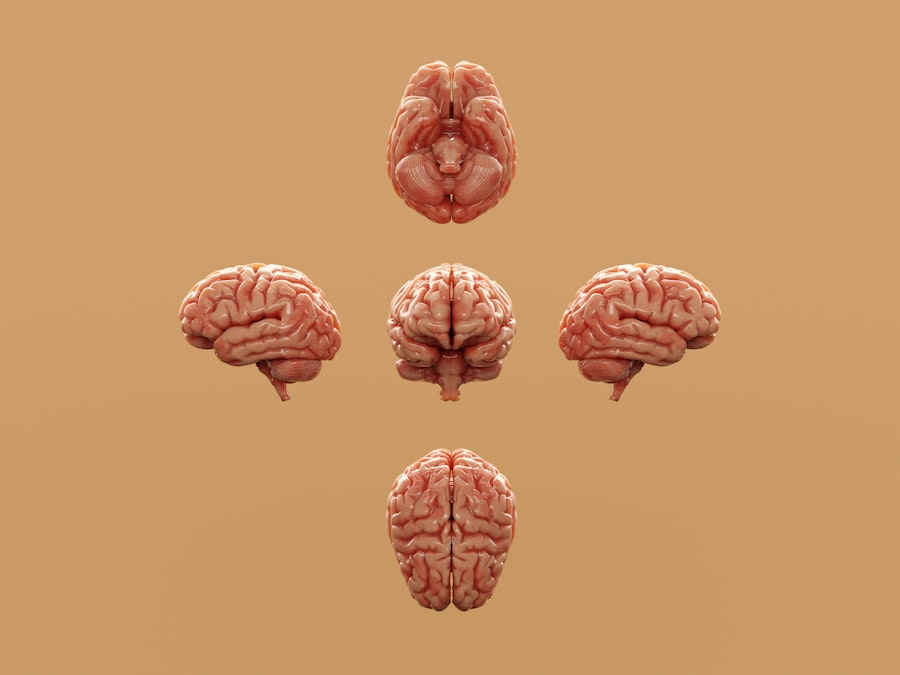
You’ve likely experienced that sinking feeling in your stomach when you’re anxious or the flutter of excitement that seems to originate from your gut before a pleasant event. These aren’t mere metaphors; they are tangible manifestations of the gut-brain axis at work, directly linking your digestive system to your emotional landscape. The gut’s influence on your emotions is profound and multifaceted, impacting everything from your overall mood to your susceptibility to stress and anxiety.
Serotonin’s Double Life
Serotonin, a neurotransmitter often lauded for its role in promoting happiness and well-being in the brain, also plays a starring role within your gut. As previously noted, the vast majority of your body’s serotonin is produced in the gut, where it regulates crucial digestive processes like gut motility and intestinal secretions. However, gut-derived serotonin can also influence mood indirectly by communicating with the brain via the vagus nerve. Changes in gut serotonin levels, whether due to diet, stress, or microbiome imbalances, can therefore have a direct impact on your emotional state. Disruptions in serotonin signaling have been implicated in a range of mood disorders, including depression and anxiety, suggesting that a healthy gut may be instrumental in maintaining emotional equilibrium.
The Gut as a Stress Detector
Your gut is incredibly sensitive to stress. When you experience a stressful event, your brain activates the “fight-or-flight” response, which can alter gut function. This can manifest as a range of digestive discomforts, from nausea and indigestion to diarrhea. Conversely, the gut’s distress signals can also be relayed to the brain, amplifying feelings of anxiety and contributing to a vicious cycle where stress exacerbates gut problems, and gut problems fuel stress. This is why you might find yourself reaching for comfort food when you’re stressed, a behavior driven by the gut’s need for soothing and the brain’s attempt to alleviate discomfort.
Anxiety and the Overactive Gut
The link between anxiety and gastrointestinal issues is well-established. Many individuals who suffer from anxiety disorders also report experiencing a range of digestive symptoms, and vice-versa. This connection is thought to be mediated by the gut-brain axis. Anxiety can lead to increased gut sensitivity and motility, causing discomfort and exacerbating existing digestive conditions like Irritable Bowel Syndrome (IBS). Conversely, a dysregulated gut, perhaps due to inflammation or an imbalanced microbiome, can send signals to the brain that contribute to feelings of anxiety and unease. Understanding this interconnectedness is crucial for comprehensive treatment approaches, as addressing gut health can often have a positive impact on mental well-being, and vice-versa.
The Role of the Microbiome in Mood Regulation
The gut microbiome’s influence on mood is an increasingly active area of research. Studies have shown that the composition of the gut microbiome can affect neurotransmitter production, inflammation levels, and stress responses – all of which are critical for mood regulation. For instance, certain types of bacteria are associated with reduced anxiety and depression symptoms, while others may be linked to increased susceptibility to these conditions. This suggests that interventions aimed at modulating the gut microbiome, such as through probiotics or dietary changes, could potentially be leveraged as novel therapeutic strategies for mental health conditions.
Your Gut’s Influence on Decision-Making and Behavior
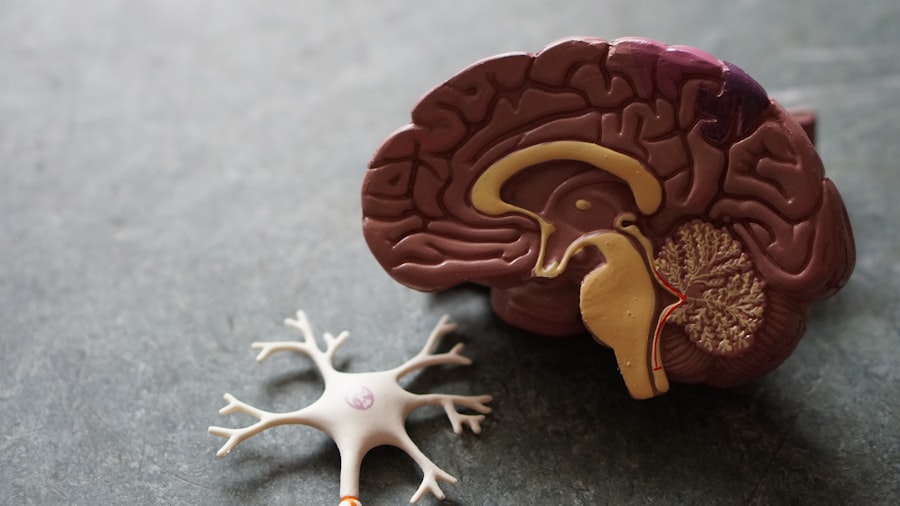
Your gut’s impact doesn’t stop at emotions; it extends to your more deliberate actions and decisions. The information processed and communicated by your second brain can subtly, and sometimes not-so-subtly, steer your choices, from what you decide to eat to how you respond to social cues. This influence stems from the gut’s role in signaling nutritional needs, influencing risk assessment, and even shaping your perceptions of the world.
Hunger Cues and Food Choices
This is perhaps the most intuitive aspect of your gut’s influence on behavior. Your gut is the primary sensor of your body’s energy status. When you need fuel, it signals your brain through hormones like ghrelin, instigating feelings of hunger. This primal drive is a powerful motivator, directly influencing your food choices. The type of food that will satisfy these cues is also influenced by the gut. For example, a deficiency in certain nutrients might lead to cravings for specific foods that contain those nutrients, illustrating the gut’s intelligent guidance towards nutritional replenishment.
Gut Health and Reward Pathways
The gut microbiome and its metabolites can influence the brain’s reward pathways, particularly those involving dopamine. When you eat pleasurable foods, particularly those rich in sugar and fat, the gut microbiome can be influenced to produce compounds that enhance the dopamine release associated with these foods. This can create a feedback loop, reinforcing the consumption of certain foods and potentially contributing to addictive eating behaviors. Conversely, a healthy gut microbiome may promote the production of compounds that are associated with more nuanced and balanced reward signaling in the brain.
Risk Assessment and Gut Signals
Emerging research suggests that your gut might play a role in how you assess and respond to risks. Vague feelings of unease or a “gut feeling” of apprehension can sometimes serve as an early warning system, even before conscious cognitive processing fully engages. This could be due to the ENS detecting subtle physiological changes associated with potential threats, which are then relayed to the brain. While the exact mechanisms are still being investigated, it’s plausible that the gut’s vast network of sensory receptors and its rapid communication with the brain contribute to a more intuitive and perhaps even precautionary approach to decision-making.
Gut Inflammation and Cognitive Function
Chronic inflammation originating in the gut can have far-reaching effects, including impacting cognitive functions that are critical for decision-making and behavior. Gut inflammation can lead to systemic inflammation, which in turn can affect the brain. This can manifest as problems with focus, memory, and executive function – all of which are essential for making sound judgments and executing complex behaviors. Therefore, maintaining a healthy and less inflamed gut is not just important for digestive health but also for optimal cognitive performance and behavioral control.
Recent research has shown that the gut microbiome plays a significant role in influencing our behavior and emotions. This fascinating connection between our digestive system and mental health suggests that the bacteria residing in our intestines can affect everything from mood to decision-making. For a deeper understanding of this intriguing relationship, you can explore a related article that delves into the science behind how our gut influences behavior. Check it out here to learn more about the impact of gut health on our daily lives.
Cultivating a Healthier Gut for a Better You
| Factors | Impact on Behavior |
|---|---|
| Gut Microbiota | Can influence mood, stress response, and decision-making |
| Neurotransmitters | Production of serotonin and dopamine can affect mood and motivation |
| Immune System | Can impact inflammation levels, which may affect behavior and cognition |
| Brain-Gut Axis | Communication between gut and brain can influence emotions and behavior |
Understanding the profound impact your gut has on your behavior is not just an academic exercise; it’s an empowering revelation. It means that by taking better care of your gut, you can actively influence your mood, improve your decisions, and enhance your overall well-being. Fortunately, you have a considerable degree of agency in shaping your gut health. A proactive approach focused on lifestyle and dietary choices can lead to significant positive changes.
Dietary Strategies for Gut Harmony
Your diet is arguably the most potent tool you have for influencing your gut microbiome and, consequently, your gut-brain axis.
Fiber-Rich Foods
Embrace a diet abundant in diverse sources of fiber, such as fruits, vegetables, whole grains, legumes, nuts, and seeds. Fiber acts as prebiotics, feeding the beneficial bacteria in your gut and promoting their growth. This leads to increased production of SCFAs, which have a cascade of positive effects on both gut and brain health.
Fermented Foods
Incorporate fermented foods like yogurt (with live and active cultures), kefir, sauerkraut, kimchi, and tempeh into your diet. These foods are a natural source of probiotics, introducing live beneficial bacteria directly into your gut, helping to diversify and balance your microbiome.
Limit Processed Foods and Sugars
Minimize your intake of highly processed foods, refined sugars, and artificial sweeteners. These can negatively impact the gut microbiome, promoting the growth of less beneficial bacteria and contributing to inflammation. They can also disrupt the delicate balance of gut hormones that signal satiety and appetite.
Hydration is Key
Ensure you are drinking plenty of water throughout the day. Water is essential for efficient digestion, helps to move food through the intestines, and supports the overall health of the gut lining.
Lifestyle Factors: More Than Just Diet
Beyond what you eat, your daily habits play a crucial role in shaping your gut health and, by extension, your behavior.
Stress Management Techniques
Given the intimate connection between the gut and stress, prioritizing stress management is paramount. Engage in activities like mindfulness meditation, yoga, deep breathing exercises, spending time in nature, or engaging in hobbies that bring you joy. Finding effective ways to mitigate stress will not only benefit your mental health but also calm your gut.
Regular Physical Activity
Consistent exercise has been shown to positively influence the gut microbiome, promoting greater diversity and the production of beneficial metabolites. Physical activity also plays a vital role in stress reduction and can improve mood, further strengthening the gut-brain connection. Aim for a balanced routine that includes aerobic exercise, strength training, and flexibility.
Adequate Sleep
Prioritizing quality sleep is essential for both gut and brain health. During sleep, your body undergoes repair processes, and this includes the gut lining and the regulation of gut hormones. Chronic sleep deprivation can disrupt the gut microbiome and exacerbate inflammation, negatively impacting mood and cognitive function. Aim for 7-9 hours of quality sleep per night.
Mindful Eating Practices
Pay attention to your body’s signals of hunger and fullness. Eat slowly, chew your food thoroughly, and savor each bite. Mindful eating can improve digestion, reduce overeating, and create a more positive relationship with food, preventing the gut from becoming a source of stress or discomfort.
The Future of Gut-Brain Research
The exploration into the gut-brain axis is still in its nascent stages, yet it has already revolutionized our understanding of health and well-being. The future promises even more groundbreaking discoveries, with researchers delving deeper into the intricate mechanisms that govern this complex communication network. This burgeoning field holds immense potential for developing novel therapeutic strategies for a wide range of conditions, from mental health disorders and neurodegenerative diseases to metabolic disorders and autoimmune conditions. As you continue to learn about your second brain, remember that nurturing your gut is not just about facilitating digestion; it’s about cultivating a more balanced, resilient, and fulfilling life. The whispers of your gut are more profound than you might imagine, and by learning to listen, you can unlock a deeper understanding of yourself and influence your actions in ways you never thought possible.

The Hidden Sense Inside Your Gut
FAQs
What is the gut-brain connection?
The gut-brain connection refers to the bidirectional communication between the central nervous system (CNS) and the enteric nervous system (ENS) of the gastrointestinal tract. This connection allows the gut to influence behavior and vice versa.
How does the gut influence behavior?
The gut influences behavior through the production of neurotransmitters, such as serotonin and dopamine, which play a key role in regulating mood and behavior. Additionally, the gut microbiota can also influence behavior by producing metabolites that can affect brain function.
What role do gut bacteria play in behavior?
Gut bacteria, also known as the gut microbiota, play a significant role in behavior by producing neurotransmitters, influencing the immune system, and producing metabolites that can affect brain function. Imbalances in the gut microbiota have been linked to various behavioral and mental health disorders.
Can gut health affect mental health?
Yes, gut health can affect mental health. Research has shown that imbalances in the gut microbiota, known as dysbiosis, are associated with conditions such as anxiety, depression, and autism. Improving gut health through diet, probiotics, and other interventions may have a positive impact on mental health.
What are some ways to improve gut health for better behavior?
Some ways to improve gut health for better behavior include consuming a diverse range of fiber-rich foods, incorporating probiotic-rich foods into the diet, managing stress, getting regular exercise, and avoiding the overuse of antibiotics. These lifestyle changes can help promote a healthy gut microbiota and potentially improve behavior.