You might think of your brain as the sole conductor of your body’s orchestra, dictating every thought, feeling, and action. But what if you were told there’s another significant player in this symphony, one located far from your cranium, nestled within your abdomen? You’re about to discover the incredible world of the gut-brain connection, a two-way highway of communication that profoundly influences your well-being, from your mood and stress levels to your immune system and, of course, your digestion. Prepare to understand the science behind why what’s happening in your gut isn’t just about processing food; it’s about shaping your entire experience of being.
You’ve always heard about your gut as the place where food goes to be broken down. While that’s a crucial function, it’s a gross oversimplification of a complex and remarkably intelligent organ system. Think of your gut not just as a tube, but as a veritable ecosystem, teeming with trillions of microorganisms, a sophisticated network of nerves, and a powerful immune presence. It’s a whole world unto itself, and it’s in constant conversation with your brain.
The Enteric Nervous System: Your “Second Brain”
You should understand that your gut possesses its own independent nervous system, known as the enteric nervous system (ENS). This network of neurons is so extensive and complex that it’s often referred to as your “second brain.” Encompassing hundreds of millions of neurons, the ENS lines the entirety of your gastrointestinal tract, from your esophagus to your anus. It functions autonomously, controlling everything from the rhythmic contractions that move food along (peristalsis) to the release of digestive enzymes and hormones. While it can operate independently, the ENS is also intricately connected to your central nervous system (CNS), the brain and spinal cord, through a vital communication pathway: the vagus nerve. This constant dialogue between your brain and your gut is the bedrock of the gut-brain connection.
Peristalsis: The Silent Wave of Digestion
You’ve likely never consciously thought about peristalsis, yet it’s happening right now. These are the involuntary muscular contractions that propel food through your digestive tract. It’s a coordinated, wave-like motion that ensures food is mixed with digestive juices and moved efficiently towards elimination. The ENS is the master controller of these movements, ensuring a smooth and timely journey for your nutrients.
Neurotransmitter Production in the Gut
You might be surprised to learn that a significant portion of your body’s neurotransmitters, the chemical messengers that influence mood, appetite, and behavior, are actually produced in your gut. Serotonin, often dubbed the “happy chemical,” is predominantly synthesized in your gut lining. This has profound implications for how your gut health can directly impact your mental state. When your gut is out of balance, your serotonin levels can be affected, potentially contributing to feelings of anxiety or depression.
The Microbiome: A Universe Within
You are not alone. You are home to a vast and diverse community of bacteria, fungi, viruses, and other microorganisms – collectively known as your gut microbiome. This microscopic universe, weighing several pounds, plays a far more significant role in your health than you might imagine. It’s not just a passive resident; it actively participates in your bodily functions, acting as a vital partner in maintaining your overall well-being.
The Gut Microbiome and Digestion
Your microbiome is your dietitian’s accomplice. These beneficial microbes help you break down complex carbohydrates and fiber that your own enzymes can’t digest. They extract vital nutrients and produce short-chain fatty acids (SCFAs), like butyrate, which are crucial energy sources for your gut cells and have anti-inflammatory properties. Without them, your ability to absorb essential vitamins and minerals would be severely compromised.
The Microbiome’s Influence on Immunity
You should be aware that a significant portion of your immune system resides in your gut. The gut microbiome plays a critical role in training and regulating your immune responses. Beneficial bacteria help distinguish between harmful pathogens and harmless entities, preventing autoimmune reactions and strengthening your defenses against infections. An imbalanced microbiome can lead to an overactive or underactive immune system, contributing to inflammatory conditions and increased susceptibility to illness.
The Microbiome and Mood Regulation
You may not realize it, but your gut microbes are also influencing your mind. Through their production of neurotransmitters and their impact on inflammation, the microbiome can significantly affect your mood and mental health. Research is increasingly showing a strong link between a healthy gut microbiome and reduced risk of depression, anxiety, and even neurodegenerative diseases.
Recent research has highlighted the intricate connection between digestion and brain function, revealing how gut health can significantly influence mental well-being. For a deeper understanding of this fascinating relationship, you can explore the article on the science of digestion and the brain at Freaky Science. This resource delves into the mechanisms by which the gut microbiome impacts cognitive processes and emotional health, shedding light on the importance of maintaining a healthy digestive system for overall brain function.
The Vagus Nerve: The Superhighway of Communication
You’ve heard about the ENS and the microbiome, but how do they talk to your brain? The primary conduit for this crucial dialogue is the vagus nerve. This is a long, wandering cranial nerve that extends from your brainstem down to your abdomen, connecting your brain directly to your digestive organs. It’s a bustling highway, carrying signals in both directions, ensuring a constant flow of information.
Bidirectional Signaling: A Two-Way Street
You should understand that the communication between your gut and brain isn’t one-sided. The vagus nerve transmits signals from your brain to your gut, influencing digestive processes, and crucially, from your gut back to your brain, conveying information about your internal state. This bidirectional signaling is what makes the gut-brain connection so dynamic and influential.
From Brain to Gut: Influencing Digestion
Your brain can signal your gut to prepare for food intake, increasing saliva production and digestive enzyme release. It also plays a role in regulating your appetite and satiety signals. When you feel stressed or anxious, your brain can send signals down the vagus nerve that can disrupt these digestive processes, leading to issues like indigestion or nausea.
From Gut to Brain: The Gut’s Whisper to Your Mind
The most fascinating aspect for you is likely how your gut “talks” back to your brain. The ENS and the microbiome send signals through the vagus nerve that can influence your mood, stress response, and even your cognitive functions. For example, the presence of certain gut bacteria can stimulate the production of calming neurotransmitters, while others might promote inflammatory signals that contribute to anxiety. Your gut is essentially whispering its state of being to your brain, and your brain is listening intently.
The Neurochemical Connection
You might be wondering about the specific chemicals involved in this communication. Beyond serotonin, numerous other neurochemicals are produced and utilized by both the brain and the gut. These include dopamine, gamma-aminobutyric acid (GABA), and various neuropeptides. Their balance and activity are crucial for maintaining both digestive health and mental well-being.
Norepinephrine and Dopamine: More Than Just Motivation
While you often associate norepinephrine and dopamine with motivation and reward in your brain, these crucial neurotransmitters are also produced and utilized in your ENS. They play roles in regulating gut motility, nutrient absorption, and even your perception of pain within the digestive tract.
GABA: The Calming Messenger
GABA (gamma-aminobutyric acid) is your brain’s primary inhibitory neurotransmitter, working to calm down nerve activity and reduce anxiety. You might be surprised to learn that GABA is also produced by beneficial gut bacteria, contributing to this calming effect and potentially influencing your mood directly through the gut-brain axis.
Gut Health and Mental Well-being: A Symbiotic Relationship
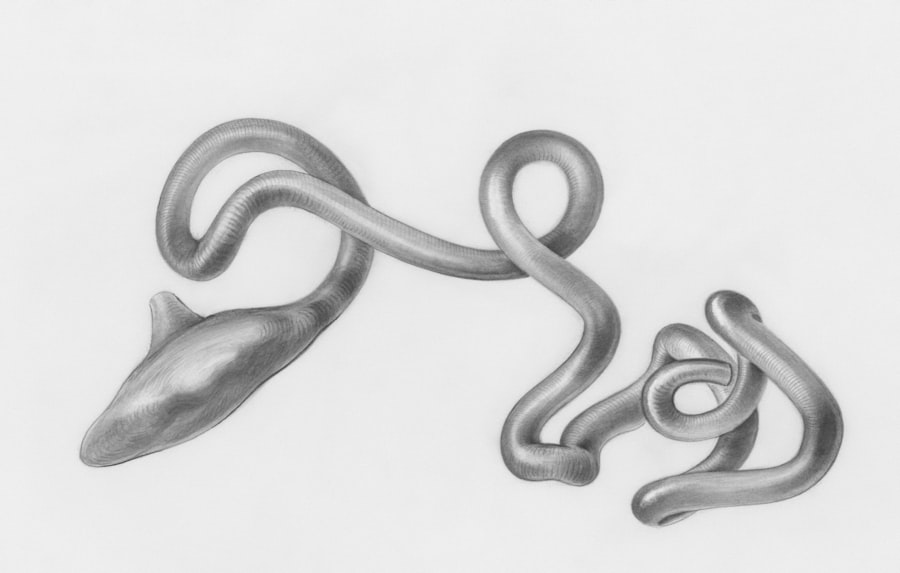
You’ve now seen how deeply intertwined your gut and your brain are. This connection isn’t just theoretical; it has tangible implications for your mental well-being. The current understanding suggests that a healthy gut can foster a healthy mind, and vice versa.
The Gut-Brain Axis in Mood Disorders
You should be aware that imbalances in the gut microbiome and the resulting inflammatory signals are increasingly being linked to mood disorders like depression and anxiety. When your gut lining is compromised (often referred to as “leaky gut”), inflammatory molecules can enter the bloodstream, reaching the brain and triggering neuroinflammation, a known contributor to depression.
Inflammation: The Common Culprit
You might not realize it, but chronic low-grade inflammation originating in the gut can have far-reaching consequences. This inflammation can disrupt neurotransmitter production, alter brain function, and even impact cognitive processes. Addressing gut inflammation can therefore be a crucial step in managing mood-related challenges.
The Microbiome as a Therapeutic Target
The exciting implication here is that because the microbiome plays such a significant role, it offers a new frontier for therapeutic interventions. Probiotics (beneficial bacteria) and prebiotics (food for beneficial bacteria) are being explored for their potential to modulate the gut-brain axis and alleviate symptoms of depression and anxiety.
Stress and Your Gut: A Vicious Cycle
You’ve likely experienced “butterflies in your stomach” when you’re nervous. This is a direct manifestation of the gut-brain connection under stress. When you experience psychological stress, your brain releases stress hormones like cortisol. These hormones can directly impact your gut function, altering motility, increasing gut permeability, and changing the composition of your microbiome. This, in turn, can send signals back to your brain, intensifying feelings of anxiety and creating a self-perpetuating cycle.
The HPA Axis: The Stress Response Backbone
You should understand that your stress response is orchestrated by the hypothalamic-pituitary-adrenal (HPA) axis. When you perceive a threat, your hypothalamus signals your pituitary gland, which then signals your adrenal glands to release cortisol. This axis is deeply connected to your gut, and disruptions in gut health can, in turn, dysregulate the HPA axis, making you more susceptible to the negative effects of stress.
Cortisol and Gut Permeability
You might not think cortisol has anything to do with your gut lining, but it does. Elevated cortisol levels, often associated with chronic stress, can increase the permeability of your gut lining. This means that substances that should be contained within your digestive tract can leak into your bloodstream, triggering immune responses and further inflammation, impacting both your gut and your brain.
The Impact of Diet on the Gut-Brain Axis

You’ve heard that “you are what you eat,” and when it comes to the gut-brain connection, this adage rings profoundly true. Your dietary choices directly influence the health and composition of your gut microbiome, which in turn impacts your brain function and your overall well-being.
The Power of Fiber: Fueling Your Microbes
You should prioritize fiber in your diet. This indigestible plant material is the primary food source for many beneficial gut bacteria. When these bacteria ferment fiber, they produce those beneficial SCFAs mentioned earlier, which have anti-inflammatory properties and nourish your gut lining. A diet low in fiber starves these essential microbes, potentially leading to an imbalanced microbiome.
Soluble vs. Insoluble Fiber
You might be wondering about the difference. Soluble fiber, found in oats, beans, and fruits, dissolves in water and forms a gel-like substance that can help regulate blood sugar and cholesterol. Insoluble fiber, found in whole grains and vegetables, adds bulk to your stool and promotes regularity. Both are vital for a healthy gut.
Fermented Foods: Introducing Beneficial Bacteria
You can actively introduce beneficial bacteria into your gut by consuming fermented foods. These include items like yogurt with live and active cultures, kefir, sauerkraut, kimchi, and kombucha. These foods are rich in probiotics, which can help diversify and strengthen your gut microbiome.
Processed Foods and Artificial Sweeteners: A Gut Undoing
You should be cautious about heavily processed foods and artificial sweeteners. Many contain ingredients that can negatively impact your gut microbiome. Artificial sweeteners, in particular, have been shown in some studies to alter the composition of gut bacteria and potentially promote glucose intolerance. Processed foods often lack fiber and are high in unhealthy fats and sugars, which can contribute to inflammation and an imbalanced gut environment.
Sugar’s Double-Edged Sword
You likely know sugar isn’t great for your health in general, but for your gut, it can be particularly problematic. Excessive sugar intake can feed the growth of less beneficial bacteria, leading to an overgrowth of yeasts and contributing to inflammation in the gut.
The Hidden Dangers of Certain Additives
You might not think twice about the long list of ingredients on some food labels. However, certain food additives, emulsifiers, and preservatives found in processed foods can disrupt the delicate balance of your gut microbiome, potentially leading to inflammation and negative health outcomes.
Recent studies have revealed fascinating connections between the science of digestion and brain function, highlighting how our gut health can significantly influence our mental well-being. For a deeper understanding of this intricate relationship, you can explore an insightful article that delves into the complexities of how our digestive system communicates with our brain. This connection is often referred to as the gut-brain axis, and it plays a crucial role in regulating mood and cognitive functions. To learn more about this intriguing topic, check out the article here.
Maintaining a Healthy Gut-Brain Connection: Practical Strategies
| Metrics | Value |
|---|---|
| Number of neurons in the gut | 100 million |
| Percentage of serotonin produced in the gut | 90% |
| Impact of gut microbiota on brain health | Significant |
| Connection between gut health and mental health | Strong |
Understanding the science is the first step, but what can you actually do to leverage this powerful connection? Fortunately, fostering a healthy gut-brain axis involves a holistic approach that encompasses diet, lifestyle, and stress management. You have more agency than you might think in influencing this vital relationship.
Nourishing Your Gut Microbiome
You should actively seek out foods that support a thriving gut microbiome. This means prioritizing whole, unprocessed foods rich in fiber. Think plenty of fruits, vegetables, legumes, and whole grains. Incorporate fermented foods regularly to introduce a diverse range of beneficial bacteria.
The Mediterranean Diet: A Gut-Friendly Blueprint
You might find it helpful to consider the Mediterranean diet as a model. This eating pattern emphasizes fruits, vegetables, whole grains, legumes, nuts, seeds, olive oil, and lean protein sources. It’s naturally rich in fiber and beneficial compounds that support gut health.
Hydration: The Unsung Hero
Don’t underestimate the power of staying hydrated. Water is essential for maintaining the mucosal lining of your intestines, helping to move waste through your digestive tract efficiently, and supporting the overall function of your gut.
Managing Stress for Gut and Brain Health
You are likely aware that stress negatively impacts your mental health, but now you understand its direct effect on your gut. Implementing effective stress management techniques is paramount. This could include mindfulness meditation, deep breathing exercises, yoga, spending time in nature, or engaging in hobbies you enjoy. Finding what works for you is key.
The Importance of Sleep
You might forget how crucial sleep is for all bodily functions, including the gut-brain connection. During sleep, your body repairs itself, and this includes your gut lining. Lack of sleep can disrupt your microbiome and exacerbate stress responses. Aim for 7-9 hours of quality sleep per night.
Regular Physical Activity
You should embrace regular physical activity. Exercise not only benefits your cardiovascular health and mood but also positively influences your gut microbiome. It can increase the diversity of beneficial bacteria and reduce inflammation.
Listening to Your Gut: The Power of Awareness
You are encouraged to become more attuned to your own body’s signals. Pay attention to how different foods make you feel, both immediately and in the hours or days that follow. Notice any changes in your mood, energy levels, or digestive comfort. This self-awareness is a valuable tool in optimizing your gut-brain health.
Mindful Eating
You might benefit from practicing mindful eating. This involves paying full attention to the act of eating – the sights, smells, textures, and tastes of your food – without distraction. This can improve digestion, increase satiety, and foster a more positive relationship with food.
Seeking Professional Guidance
You should consider consulting with a healthcare professional, such as a registered dietitian or a gastroenterologist, if you experience persistent digestive issues or concerns about your mental well-being. They can help identify underlying causes and provide personalized strategies to support your gut-brain connection.
You’ve now embarked on a journey to understand the profound and intricate relationship between your gut and your brain. You’ve learned that your digestive system is far more than a food processing plant; it’s a complex ecosystem that communicates directly with your brain, influencing everything from your mood to your immune system. By nurturing your gut with a healthy diet, managing stress effectively, and paying attention to your body’s signals, you can cultivate a thriving gut-brain connection, leading to a healthier, happier, and more balanced you. The conversation between your gut and your brain is ongoing; make sure you’re listening.

The Hidden Sense Inside Your Gut
FAQs
What is the connection between digestion and the brain?
The connection between digestion and the brain is known as the gut-brain axis. This communication system involves the central nervous system and the enteric nervous system, which is the intrinsic nervous system of the gastrointestinal tract. The two systems communicate through the vagus nerve and various neurotransmitters, impacting each other’s function and influencing overall health.
How does the brain influence digestion?
The brain influences digestion through the release of stress hormones, such as cortisol, which can affect the function of the digestive system. Additionally, the brain plays a role in regulating appetite, food intake, and the perception of hunger and fullness, all of which impact digestion.
How does digestion impact the brain?
Digestion impacts the brain through the production of neurotransmitters and the absorption of nutrients. The gut microbiota also plays a role in producing neurotransmitters and influencing brain function. Additionally, the gut-brain axis has been linked to various neurological conditions, such as anxiety, depression, and even neurodegenerative diseases.
What role do neurotransmitters play in the gut-brain axis?
Neurotransmitters, such as serotonin and dopamine, play a crucial role in the gut-brain axis. These chemical messengers are produced in the gut and the brain, influencing mood, appetite, and overall well-being. Imbalances in neurotransmitters can impact both digestion and brain function.
How can we support the gut-brain axis for overall health?
Supporting the gut-brain axis for overall health involves maintaining a balanced diet rich in fiber, probiotics, and prebiotics to support a healthy gut microbiota. Additionally, managing stress, getting regular exercise, and prioritizing sleep can also support the gut-brain axis and overall well-being.