You’ve probably heard the phrase “gut feeling,” right? That instinctual nudge you get, the one that tells you something is right (or wrong) even before your logical brain has caught up. Well, it turns out that feeling isn’t just a whimsical metaphor. You have a tangible, incredibly complex, and fascinating connection between your gut and your brain, and understanding it can unlock a deeper understanding of your well-being. This is the science of the gut-brain connection, a field that’s rapidly evolving and revealing just how intertwined your digestive system and your mind truly are. It’s a two-way street, a constant dialogue where what happens in your belly significantly influences what happens in your head, and vice versa.
You likely think of your gut – specifically your intestines – as a food processing plant. And while it certainly is that, it’s also a bustling metropolis of activity, teeming with trillions of microorganisms that play a far more significant role than simply breaking down your lunch. This vast community is known as your gut microbiome, and it’s an ecosystem unlike any other within your body.
The Microbiome: Your Inner Ecosystem
Imagine a densely populated city within your digestive tract, comprised of bacteria, viruses, fungi, and other microbes. This is your gut microbiome, and it’s unique to you, shaped by genetics, diet, lifestyle, and even where you grew up. You’re not just hosting these microbes; you’re in a symbiotic relationship with them. They perform vital functions that your own cells can’t, and in return, they get a place to live and a steady supply of nutrients.
The Essential Roles of Your Gut Microbes
These microscopic residents are far from passive bystanders. They are active participants in your health, contributing to everything from nutrient absorption to immune system development. They produce essential vitamins, such as vitamin K and several B vitamins, that your body can absorb and utilize. They break down complex carbohydrates that your own enzymes can’t digest, unlocking valuable energy and producing short-chain fatty acids (SCFAs) like butyrate, which are crucial for the health of your gut lining and have systemic anti-inflammatory effects.
When the Balance is Off: Dysbiosis
Like any ecosystem, the gut microbiome can become imbalanced. This state is called dysbiosis, and it can arise from various factors like a poor diet lacking in fiber, antibiotic use (which can wipe out beneficial bacteria along with harmful ones), chronic stress, and certain medical conditions. Dysbiosis is often linked to an overgrowth of pathogenic or less beneficial microbes, which can disrupt the delicate balance and lead to a cascade of negative effects.
The Gut Lining: A Critical Barrier
Beyond the microbes, the physical lining of your gut itself plays a crucial role in the gut-brain connection. This inner surface is not just a passive tube; it’s a highly specialized barrier, carefully controlling what gets absorbed into your bloodstream and what stays in your gut.
The Importance of Intestinal Permeability
This barrier, often referred to as intestinal permeability or “leaky gut,” is remarkably selective. When it’s functioning optimally, it allows nutrients to pass through while keeping harmful substances, undigested food particles, and pathogens out. However, in cases of inflammation or damage, this barrier can become compromised, allowing unwanted molecules to “leak” into your bloodstream. This triggers an immune response and can contribute to systemic inflammation, which has far-reaching implications for your brain health.
Recent research has shed light on the fascinating gut-brain connection, revealing how our digestive health can significantly influence our mental well-being. For a deeper understanding of this intricate relationship, you can explore an insightful article on the topic at Freaky Science. This resource delves into the mechanisms by which gut microbiota affect mood and cognitive functions, highlighting the importance of maintaining a healthy gut for overall mental health.
The Brain: The Command Center
Your brain, the intricate network of neurons and glial cells, is the seat of your consciousness, emotions, thoughts, and actions. It’s the orchestrator of your entire being. But what you might not realize is how much it relies on its partnership with your gut.
The Vagus Nerve: The Superhighway
The primary pathway of communication between your gut and your brain is the vagus nerve, the longest cranial nerve in your body. Think of it as a bustling superhighway, carrying a constant stream of information in both directions. This nerve bundle connects your brainstem to various organs, including your heart, lungs, and importantly, your digestive system.
Bidirectional Communication Signals
The vagus nerve transmits signals about your gut’s status to your brain – whether you’re hungry, full, experiencing pain, or feeling a sense of satisfaction after a meal. It also carries instructions from your brain to your gut, influencing everything from gut motility (how food moves through your digestive tract) to the secretion of digestive enzymes. This continuous back-and-forth is fundamental to maintaining homeostasis, or balance, within your body.
Neurotransmitters: The Chemical Messengers
Your gut is also a significant producer of neurotransmitters, the chemical messengers that your brain uses to regulate mood, sleep, appetite, and cognitive function. In fact, a staggering amount of serotonin, a neurotransmitter often associated with happiness and well-being, is actually produced in your gut, not your brain.
Serotonin Production and Mood Regulation
While brain serotonin is crucial for mood regulation in your head, gut serotonin plays a vital role in regulating gut motility and sensitivity. However, changes in gut serotonin can indirectly influence your brain by impacting nerve signaling and inflammation. Similarly, GABA, a neurotransmitter that promotes relaxation and reduces anxiety, is also synthesized by gut bacteria.
Other Gut-Derived Neuroactive Compounds
Beyond serotonin and GABA, your gut microbes produce a variety of other neuroactive compounds that can influence brain function. These include short-chain fatty acids (SCFAs) like butyrate, which have been shown to have neuroprotective and anti-inflammatory effects, and dopamine precursors, which can impact motivation and reward systems in your brain.
The Gut-Brain Axis: The Interconnected Network
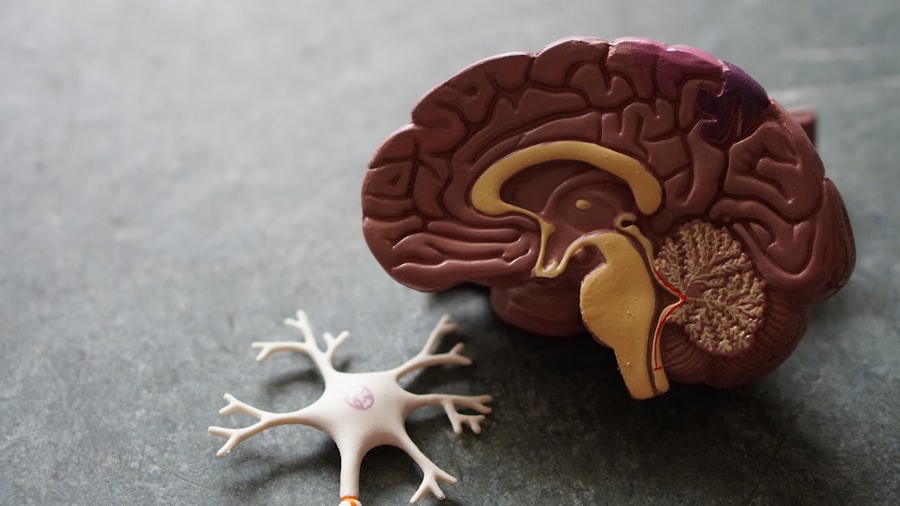
The gut-brain axis is the term used to describe this intricate bidirectional communication system. It’s not just a simple connection; it’s a complex network involving the nervous system, the endocrine system (hormones), the immune system, and the gut microbiome, all working in concert.
The Role of the Immune System
Your immune system is a critical player in the gut-brain axis. A significant portion of your immune cells reside in your gut, constantly monitoring for threats. When your gut lining is compromised or dysbiosis occurs, it can trigger an inflammatory response. This inflammation isn’t confined to your gut; it can spread throughout your body, including to your brain.
Inflammation and Neurological Health
Chronic low-grade inflammation has been implicated in a wide range of neurological conditions, including depression, anxiety, Alzheimer’s disease, and Parkinson’s disease. The inflammatory signals originating from an unhealthy gut can disrupt the delicate balance of your brain, affecting neurotransmitter production, neuroplasticity (the brain’s ability to form new connections), and even the integrity of the blood-brain barrier.
The Hypothalamic-Pituitary-Adrenal (HPA) Axis
Your brain also influences your gut, particularly through the HPA axis, your body’s central stress response system. When you experience stress, your brain signals the release of cortisol, a stress hormone. This hormone can directly impact your gut, altering your microbiome composition, increasing gut permeability, and leading to digestive discomfort. Conversely, an imbalanced gut can also send signals that dysregulate the HPA axis, creating a vicious cycle of stress and gut distress.
How Your Gut Influences Your Mind
You’ve learned that your gut and brain are in constant communication. Now, let’s explore some of the more tangible ways your gut health can directly impact your mental and emotional state.
Mood and Emotional Well-being
The influence of your gut on your mood is one of the most profound aspects of the gut-brain connection. As mentioned, your gut produces a significant portion of your body’s serotonin. When your gut microbiome is healthy, it can contribute to adequate serotonin production, promoting feelings of well-being and happiness. Conversely, dysbiosis can lead to imbalances in serotonin and other neurotransmitters, potentially contributing to feelings of anxiety, depression, and irritability.
The Link to Depression and Anxiety
Research has consistently shown a correlation between gut health and mental health disorders. Studies have found that individuals with depression and anxiety often exhibit alterations in their gut microbiome composition. This has led to the concept of “psychobiotics” – probiotics that may offer mental health benefits. The rationale is that by improving the gut microbiome, you can positively influence neurotransmitter production and reduce inflammation, thereby alleviating symptoms of depression and anxiety.
Cognitive Function and Clarity
Your gut health doesn’t just affect your mood; it can also impact your ability to think clearly and focus. Inflammation originating from the gut can negatively affect brain function, leading to what’s often described as “brain fog.” This can manifest as difficulty concentrating, memory problems, and a general feeling of mental sluggishness.
The Impact of SCFAs on Brain Health
The short-chain fatty acids (SCFAs) produced by your gut bacteria, particularly butyrate, are emerging as key players in cognitive health. Butyrate has been shown to cross the blood-brain barrier and exert neuroprotective effects. It can help reduce inflammation in the brain, support the growth of new neurons, and improve cognitive function. A diet rich in fiber, which feeds these SCFA-producing bacteria, is therefore crucial for both gut and brain health.
Stress Response and Resilience
Your gut plays a surprisingly significant role in how you cope with stress. A healthy gut microbiome can help regulate your body’s stress response. When your gut is imbalanced, it can send signals to your brain that exacerbate feelings of stress and anxiety, making you less resilient to life’s challenges.
The Gut-Brain Interplay in Stress Management
The bidirectional communication via the vagus nerve is crucial for managing stress. When you experience a stressful event, your brain sends signals down the vagus nerve to your gut, influencing its function. Conversely, signals from your gut can also modulate your brain’s stress response. A healthy gut can send calming signals to the brain, whereas an inflamed or dysbiotic gut might send signals that amplify stress.
Recent research has shed light on the fascinating science of the gut-brain connection, revealing how our digestive system can influence our mental health and overall well-being. This intricate relationship suggests that the gut microbiome plays a crucial role in regulating emotions and cognitive functions. For those interested in exploring this topic further, a related article can be found at Freaky Science, which delves into the latest findings and their implications for understanding our health.
Nurturing Your Gut-Brain Connection: Practical Steps
| Metrics | Data |
|---|---|
| Number of neurons in the gut | Approximately 100 million |
| Percentage of neurotransmitters produced in the gut | Around 90% |
| Impact of gut microbiota on mental health | Linked to conditions such as anxiety and depression |
| Connection between gut health and cognitive function | Increasingly recognized by scientific research |
The good news is that you have a lot of power to positively influence your gut-brain connection. By making conscious choices about your diet and lifestyle, you can foster a healthier gut and, in turn, a healthier mind.
Dietary Strategies for a Thriving Gut
Your diet is arguably the most powerful tool you have for shaping your gut microbiome and, consequently, your gut-brain axis. What you eat directly feeds the trillions of microbes living within you.
Embrace Fiber-Rich Foods
Fiber is the cornerstone of a healthy gut. It acts as a prebiotic, providing a food source for beneficial bacteria. Aim to consume a wide variety of fruits, vegetables, whole grains, legumes, nuts, and seeds. This diverse intake will support a diverse and robust microbiome. Think of it as providing a diverse buffet for your gut microbes.
Fermented Foods for Probiotic Power
Fermented foods are rich in probiotics, live beneficial bacteria that can help restore balance to your gut microbiome. Incorporate foods like yogurt (with live and active cultures), kefir, sauerkraut, kimchi, and kombucha into your diet regularly. These foods can introduce new strains of beneficial bacteria and help crowd out less desirable ones.
The Power of Polyphenols
Polyphenols are plant compounds found in fruits, vegetables, tea, coffee, and dark chocolate. They have antioxidant and anti-inflammatory properties and can also positively influence your gut microbiome, promoting the growth of beneficial bacteria and inhibiting the growth of harmful ones.
Limit Processed Foods and Sugar
Processed foods and excessive sugar can negatively impact your gut microbiome, promoting the growth of pathogenic bacteria and contributing to inflammation. Limiting your intake of these items will help create a more favorable environment for your beneficial microbes.
Lifestyle Choices for Gut-Brain Harmony
Beyond diet, several lifestyle factors can significantly influence your gut-brain connection.
Stress Management Techniques
Since stress can profoundly impact your gut, prioritizing stress management is essential. This can include techniques such as mindfulness meditation, deep breathing exercises, yoga, spending time in nature, or engaging in hobbies you enjoy. Finding what works for you is key to building resilience.
The Importance of Sleep
Adequate, quality sleep is crucial for both your brain and your gut. During sleep, your body undergoes repair and restoration processes, including those within your gut. Chronic sleep deprivation can disrupt your gut microbiome and exacerbate inflammation, negatively impacting your mental health. Aim for 7-9 hours of quality sleep per night.
Regular Physical Activity
Exercise is not just good for your body; it’s also beneficial for your gut. Regular physical activity can promote a more diverse gut microbiome, reduce inflammation, and improve mood. Aim for a combination of aerobic exercise and strength training throughout the week.
Mindful Eating Practices
How you eat can be as important as what you eat. Practicing mindful eating – paying attention to your food, savoring each bite, and recognizing your body’s hunger and fullness cues – can improve digestion and reduce stress around meals. This mindful approach can also help you better connect with the signals your gut is sending.
You now have a glimpse into the fascinating world of the gut-brain connection. It’s a powerful reminder that you are a complex, interconnected organism, and taking care of your gut is a crucial step towards optimizing your overall health, including your mental and emotional well-being. By understanding these intricate pathways, you can empower yourself to make informed choices that nourish both your body and your mind.

The Hidden Sense Inside Your Gut
FAQs
What is the gut-brain connection?
The gut-brain connection refers to the bidirectional communication between the central nervous system (the brain and spinal cord) and the enteric nervous system (the gut). This communication occurs through neural, hormonal, and immunological pathways.
How does the gut-brain connection affect our health?
The gut-brain connection plays a crucial role in regulating various bodily functions, including digestion, metabolism, immune response, and even mood. Research suggests that disruptions in this connection may contribute to conditions such as irritable bowel syndrome, anxiety, depression, and even neurodegenerative diseases.
What factors can influence the gut-brain connection?
Several factors can influence the gut-brain connection, including diet, stress, medications, and the composition of the gut microbiota. For example, a diet high in fiber and fermented foods can promote a healthy gut microbiota, which in turn may positively impact the gut-brain connection.
How can we support a healthy gut-brain connection?
Supporting a healthy gut-brain connection involves adopting lifestyle habits that promote gut health, such as consuming a diverse range of fruits, vegetables, and whole grains, managing stress through relaxation techniques or mindfulness practices, and getting regular physical activity.
What are some ongoing areas of research in the science of the gut-brain connection?
Ongoing research in the science of the gut-brain connection includes investigating the role of the gut microbiota in neurological disorders, exploring the potential of probiotics and prebiotics in improving mental health, and understanding the mechanisms by which the gut influences brain function and vice versa.