You’ve heard the buzzwords, haven’t you? “Gut-brain connection.” “Your gut is your second brain.” While the connection between your digestive system and your mental well-being is undeniably real and incredibly fascinating, the popular understanding is often filled with myths, half-truths, and sensationalized claims. It’s time to cut through the noise and reveal the actual science behind this intricate partnership. You’re about to embark on a journey to debunk those gut-brain myths and uncover the fascinating truth.
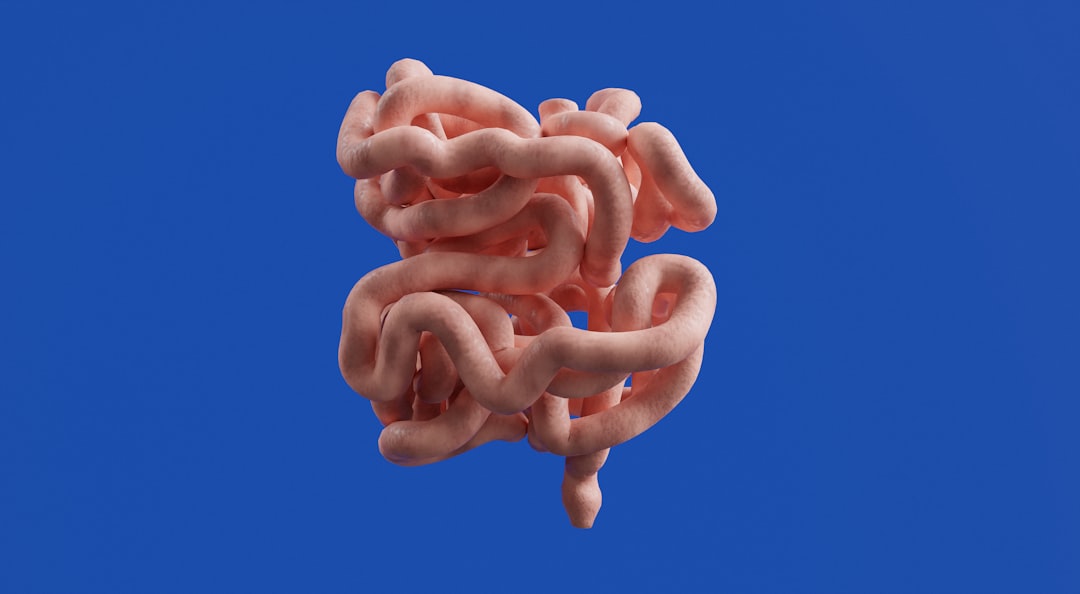
The idea that your gut is a “second brain” is an appealing analogy, but it’s crucial to understand what that truly means. While your gut contains a remarkable network of neurons, it doesn’t possess the complex cognitive functions we associate with the brain in your head. It’s more accurate to describe it as an incredibly sophisticated enteric nervous system (ENS) with a direct and profound influence on your brain.
Understanding the Enteric Nervous System (ENS)
Your ENS is often referred to as your “second brain” because it contains more neurons than your spinal cord. These neurons form complex neural circuits within the walls of your digestive tract, from your esophagus to your anus. This intricate network operates largely independently of your central nervous system (CNS), managing essential digestive processes like the movement of food, the secretion of digestive juices, and the absorption of nutrients.
The ENS’s Independent Operation
Think of it this way: when you eat, your ENS takes over the digestive dance without conscious thought from your brain. It orchestrates peristalsis (the muscle contractions that move food), regulates enzyme release, and signals hunger and satiety. This independence is why you can feel butterflies in your stomach or a stomach ache when you’re stressed, even though your brain isn’t directly controlling those physical sensations.
The ENS’s Communication with the Brain
Despite its independence, the ENS is in constant dialogue with your brain. This communication happens through bidirectional pathways, primarily via the vagus nerve. This long nerve acts as a superhighway, transmitting information in both directions. Your gut sends signals about digestion, nutrient status, and even the presence of microbes, while your brain sends signals that can influence gut motility, secretions, and sensitivity.
Why “Second Brain” is an Oversimplification
The term “second brain” can lead to misunderstandings. It might imply that your gut has consciousness, memories, or the ability to perform complex calculations. This isn’t the case. The ENS is a specialized neural network designed for digestion and its influence on the brain is through chemical signaling, rather than sophisticated cognitive processing. It’s more about influencing your mood, emotions, and even decision-making indirectly through its various signals, rather than independently thinking.
In exploring the intricate relationship between the gut and the brain, many myths have emerged that can lead to confusion and misinformation. To gain a clearer understanding of these misconceptions, you can read the article titled “Gut-Brain Myths Explained,” which delves into the science behind this fascinating connection. For more insights, check out this related article at Freaky Science.
The Myth of Instant Mood Change Due to Gut Bacteria
You’ve likely seen headlines or social media posts claiming that a specific probiotic will instantly cure your anxiety or boost your mood. While the gut microbiome’s influence on mood is a rapidly evolving area of research, the idea of immediate, dramatic shifts is largely a myth. The mechanisms are much more nuanced and involve long-term changes in the gut environment.
The Gut Microbiome and Neurotransmitters
Your gut is home to trillions of microorganisms – bacteria, fungi, viruses, and more – collectively known as the gut microbiome. These microbes play a vital role in digestion, nutrient absorption, and immune function. Crucially, certain gut bacteria can produce or influence the production of neurotransmitters, the chemical messengers that your brain uses to regulate mood, sleep, and appetite.
Serotonin Production in the Gut
One of the most well-known examples is serotonin. While your brain produces a significant amount of serotonin, a substantial portion of your body’s total serotonin is manufactured in your gut. Gut microbes can influence the availability of precursors for serotonin synthesis (like tryptophan) and even directly produce substances that impact serotonin signaling in the gut and, indirectly, in the brain.
GABA and Dopamine Connections
It’s not just serotonin. Research suggests that other neurotransmitters, such as gamma-aminobutyric acid (GABA), which has calming effects, and dopamine, associated with pleasure and reward, can also be influenced by gut microbes. However, the precise pathways and their direct impact on central neurotransmitter levels are still being unraveled.
The Long-Term Nature of Microbiome Influence
The impact of the gut microbiome on your mental state is generally not an overnight phenomenon. Changes in your diet, lifestyle, or probiotic/prebiotic intake can gradually shift the composition and activity of your gut microbes. These gradual shifts, over weeks and months, can then lead to subtle but significant alterations in the signals sent to your brain, influencing mood and emotional well-being.
The Role of Inflammation
Another crucial link lies in inflammation. An imbalanced gut microbiome (dysbiosis) can contribute to increased gut permeability, often referred to as “leaky gut.” This allows inflammatory molecules to enter the bloodstream and potentially reach the brain, triggering neuroinflammation. Chronic neuroinflammation is linked to various mental health conditions, including depression and anxiety. Therefore, a healthy gut microbiome, by reducing inflammation, can contribute to a more stable mood over time.
The Importance of Consistency
If you’re looking to leverage the gut-brain connection for better mental health, consistency is key. Focusing on a diverse, fiber-rich diet that nourishes beneficial gut bacteria, managing stress, and ensuring adequate sleep are likely to yield more sustainable improvements than a quick fix or a single supplement.
The Myth of “Bad” Bacteria Being the Sole Culprit of Gut Issues

While imbalances in gut bacteria can certainly contribute to digestive problems, it’s a misleading oversimplification to label certain bacteria as solely “good” or “bad.” The reality is far more complex, involving the interplay of various microbial species and their metabolic activity.
The Ecosystem of the Gut Microbiome
Imagine your gut as a bustling ecosystem. Within this ecosystem, different species of bacteria, fungi, and other microbes coexist, competing for resources and interacting with each other. A healthy microbiome is characterized by diversity and balance, where various species keep each other in check.
The “Good” Bacteria Are Not Always Benign
Even bacteria typically considered beneficial can cause problems if they overgrow in the wrong place or under specific conditions. For example, small intestinal bacterial overgrowth (SIBO) occurs when bacteria normally found in the large intestine proliferate in the small intestine, leading to symptoms like bloating, gas, and abdominal pain. In this case, even “friendly” bacteria are causing distress.
The “Bad” Bacteria Can Be Beneficial in Other Ways
Conversely, some bacteria that might be associated with certain health conditions can also play beneficial roles in other contexts. For instance, certain strains of E. coli are a common cause of urinary tract infections, but other strains are normal inhabitants of the gut and play roles in vitamin K synthesis. The context and location within the body are crucial.
Beyond Bacteria: The Role of Fungi and Viruses
The gut microbiome isn’t just about bacteria. Fungi, such as Candida species, and viruses also inhabit your gut and can influence its health. An overgrowth of fungi, like Candida albicans, can lead to various symptoms when the balance is disrupted. Similarly, bacteriophages – viruses that infect bacteria – play a role in regulating bacterial populations.
The Importance of Functional Ecology
Instead of focusing on individual “good” or “bad” bacteria, it’s more accurate to consider the functional ecology of your gut. This refers to the collective metabolic activities of your gut microbes and their impact on your body. Are they producing beneficial short-chain fatty acids (SCFAs) like butyrate, which nourish gut cells and have anti-inflammatory effects? Or are they producing harmful substances?
SCFAs: The Powerhouses of Gut Health
Short-chain fatty acids are produced when beneficial bacteria ferment dietary fiber. These molecules are incredibly important for gut health, providing energy to colonocytes (cells lining the colon), reducing inflammation, and strengthening the gut barrier. A microbiome rich in SCFAs-producing bacteria is generally considered healthy.
Beyond Composition: What Your Microbes Are Doing
The types of bacteria present are important, but what those bacteria are doing metabolically is even more critical. You could have a diverse microbiome, but if the dominant species aren’t producing beneficial compounds or are producing an excess of inflammatory byproducts, you might still experience gut issues. This highlights why focusing solely on identifying and eliminating “bad” bacteria is an incomplete approach.
The Myth of a Highly Individualized, “One-Size-Fits-All” Diet for Gut Health
While personalized nutrition is becoming increasingly important, the idea that there’s one single, perfect diet for everyone’s gut health is a myth. The core principles of a gut-healthy diet are largely universal, though individual responses and preferences can lead to variations.
The Universal Pillars of a Gut-Healthy Diet
Regardless of your unique microbiome composition, certain dietary patterns consistently promote gut health by feeding beneficial microbes, reducing inflammation, and supporting the gut lining.
The Power of Fiber
Dietary fiber is the undisputed champion of gut health. It acts as prebiotic fuel for beneficial bacteria, promoting their growth and the production of SCFAs. Different types of fiber (soluble and insoluble) offer distinct benefits, and a diverse intake from various sources is ideal.
Soluble Fiber: A Gut Buddy
Soluble fiber, found in oats, beans, apples, and citrus fruits, dissolves in water to form a gel-like substance. This can help slow digestion, improve blood sugar control, and provide food for beneficial bacteria.
Insoluble Fiber: The Roughage Regulator
Insoluble fiber, found in whole grains, vegetables, and nuts, adds bulk to stool and promotes regular bowel movements. It helps move food through the digestive system efficiently, preventing constipation.
The Importance of Diversity in Food Intake
Eating a wide variety of plant-based foods is crucial. Different plants contain different types and amounts of fiber, as well as a diverse array of polyphenols and other beneficial compounds that feed diverse microbial communities. Aiming for a rainbow of fruits and vegetables can significantly benefit your gut.
Fermented Foods: Probiotic Powerhouses
Fermented foods like yogurt (with live and active cultures), kefir, sauerkraut, kimchi, and kombucha contain live beneficial bacteria (probiotics). Regularly incorporating these into your diet can help supplement your existing gut flora and contribute to a more balanced microbiome.
The Nuance of Individual Response
While the foundational principles remain consistent, your individual gut microbiome, genetics, and overall health can lead to variations in how you respond to certain foods.
Food Sensitivities and Intolerances
Some individuals may have sensitivities or intolerances to specific foods, such as lactose, gluten, or FODMAPs (fermentable oligosaccharides, disaccharides, monosaccharides, and polyols). These sensitivities can cause digestive distress and are best identified through careful observation or elimination diets under professional guidance.
The Role of Prebiotic Specificity
While fiber is universally beneficial, the specific types of fiber that best feed your particular microbiome might differ. For example, some individuals may thrive on fructans (found in onions, garlic, and wheat), while others might find them to cause gas and bloating.
FODMAPs: A Case Study in Individuality
FODMAPs are a group of short-chain carbohydrates that are poorly absorbed in the small intestine and can be rapidly fermented by gut bacteria, producing gas and other symptoms in sensitive individuals. A low-FODMAP diet is often used temporarily to manage symptoms of Irritable Bowel Syndrome (IBS), but it’s not intended as a long-term solution. The goal is typically to reintroduce certain FODMAPs once symptoms are controlled to avoid unnecessarily restricting the diet.
When Personalization Matters
Personalization becomes truly important when addressing specific gut disorders or optimizing health for a particular individual. This might involve working with a registered dietitian or nutritionist who can help you:
Identifying Specific Triggers
Through detailed symptom tracking and dietary analysis, an expert can help you pinpoint specific foods that consistently trigger your digestive issues.
Tailoring Prebiotic and Probiotic Strategies
Based on your individual needs and gut microbiome profile (if such testing is deemed appropriate), a professional can guide you on which prebiotics and probiotics might be most beneficial.
Supporting Specific Health Goals
For individuals with conditions like IBS, Crohn’s disease, or ulcerative colitis, a personalized dietary approach is essential for managing symptoms and promoting remission.
Many people are intrigued by the connection between gut health and mental well-being, often leading to misconceptions about how they interact. For a deeper understanding of these gut-brain myths, you might find it helpful to explore a related article that delves into the science behind these claims. This informative piece can be found at Freaky Science, where it breaks down the complexities of the gut-brain axis and clarifies common misunderstandings.
The Myth of Cleaning the Gut for Optimal Health
| Myth | Explanation |
|---|---|
| Myth 1: Gut feelings are just emotions | Explanation 1: Gut feelings are actually the result of the gut-brain connection, where the gut and brain communicate through the nervous system and hormones. |
| Myth 2: Gut health has no impact on mental health | Explanation 2: Gut health can have a significant impact on mental health, as the gut microbiome produces neurotransmitters that affect mood and behavior. |
| Myth 3: Gut-brain connection is only one way | Explanation 3: The gut-brain connection is actually bidirectional, with signals traveling from the gut to the brain and vice versa. |
The concept of “detoxing” or “cleansing” your gut is a pervasive myth that often lacks scientific backing and can even be detrimental. Your body has sophisticated natural detoxification systems, and the idea of needing to “cleanse” your gut implies it’s inherently dirty or toxic.
Your Body’s Natural Detoxification Systems
Your liver, kidneys, lungs, and skin are your body’s primary detoxification organs. They work tirelessly to filter waste products, eliminate toxins, and maintain internal balance. Your digestive system, specifically the liver and gut, plays a crucial role in eliminating waste from the food you consume and the byproducts of metabolic processes.
The Liver’s Role in Detoxification
Your liver is a biochemical powerhouse that processes and neutralizes a vast array of substances, including medications, alcohol, and environmental toxins. It converts these into less harmful compounds that can be excreted from the body.
The Kidneys’ Filtration Function
Your kidneys act as filters, removing waste products and excess water from your blood to produce urine, which is then eliminated.
Why “Gut Cleanses” Are Often Misguided
Many popular “gut cleanses” involve extreme dietary restrictions, laxatives, or specific supplements, promising to flush out toxins and reset your digestive system.
The Lack of Scientific Evidence
There is little to no scientific evidence to support the efficacy of most commercial gut cleanse products. The term “toxins” is often vaguely used, and the purported mechanisms of action are rarely explained in a scientifically sound way.
Potential for Harm
Some “cleanses” can be harmful. Excessive use of laxatives can disrupt electrolyte balance, lead to dehydration, and create dependency. Extreme dietary restrictions can lead to nutrient deficiencies and disrupt the delicate balance of your gut microbiome.
Diets that Deprive Beneficial Bacteria
Many cleanse diets are low in fiber, which is essential for feeding beneficial gut bacteria. Starving these microbes can lead to dysbiosis and negatively impact gut health in the long run.
Disruption of Gut Flora
Aggressive cleansing protocols can indiscriminately kill bacteria, including beneficial ones, leaving your gut flora depleted and vulnerable. This can take a significant amount of time to recover.
The Importance of Supporting Natural Processes
Instead of seeking a superficial “cleanse,” focus on supporting your body’s natural detoxification pathways and promoting a healthy gut environment.
Prioritizing a Fiber-Rich Diet
As discussed, a diet rich in fruits, vegetables, and whole grains provides the fiber your gut microbes need to thrive, producing beneficial SCFAs and supporting a healthy gut barrier.
Staying Hydrated
Adequate water intake is crucial for all bodily functions, including waste elimination. Drinking plenty of water helps your kidneys and digestive system function optimally.
Limiting Processed Foods and Alcohol
Reducing your intake of processed foods, excessive sugar, and alcohol can lessen the burden on your liver and digestive system, allowing them to function more efficiently.
Managing Stress and Ensuring Sleep
Chronic stress and poor sleep can negatively impact gut health and hinder your body’s natural detoxification processes. Prioritizing stress management and quality sleep is essential.
The Myth of Digestive Enzymes as a Universal Solution
While digestive enzymes can be incredibly helpful for individuals with specific enzyme deficiencies or digestive challenges, the notion that everyone needs to take digestive enzyme supplements for optimal digestion is a myth. For most healthy individuals, their bodies produce sufficient enzymes to break down food effectively.
How Digestive Enzymes Work
Digestive enzymes are specialized proteins that your body produces to break down complex food molecules into smaller, absorbable units. Carbohydrates are broken down by amylase, proteins by proteases, and fats by lipases. These enzymes are produced in various parts of the digestive tract, including the salivary glands, stomach, pancreas, and small intestine.
The Pancreas: A Digestive Enzyme Powerhouse
Your pancreas plays a critical role in enzyme production, secreting a potent cocktail of amylase, proteases, and lipases into the small intestine to aid in digestion.
Other Sources of Enzymes
Your stomach also produces pepsin for protein breakdown, and your small intestine lining contains enzymes that complete the digestion of carbohydrates and proteins.
When Digestive Enzymes Are Beneficial
There are specific circumstances where supplementing with digestive enzymes can be genuinely beneficial:
Enzyme Deficiencies
Conditions like lactose intolerance are a prime example of an enzyme deficiency. Individuals with lactose intolerance lack sufficient lactase, the enzyme needed to break down lactose (the sugar in milk). Supplementing with lactase can alleviate their symptoms.
Lactose Intolerance Explained
Lactose is a disaccharide, and without lactase, it cannot be properly broken down. Undigested lactose ferments in the colon, leading to gas, bloating, cramps, and diarrhea.
Pancreatic Insufficiency
Individuals with pancreatic conditions that impair enzyme production (e.g., cystic fibrosis, chronic pancreatitis) may require pancreatic enzyme replacement therapy (PERT) to digest their food effectively.
Age-Related Changes
As people age, some individuals may experience a slight decline in digestive enzyme production, which can sometimes contribute to digestive discomfort.
Why Universal Supplementation Is Unnecessary
For most people without diagnosed enzyme deficiencies or digestive disorders, their bodies are adept at producing the necessary enzymes. Taking enzyme supplements unnecessarily can:
Lead to Unnecessary Expense
Digestive enzyme supplements can be costly, and if you don’t need them, you’re essentially throwing money away.
Potentially Disrupt Natural Production (Though Less Likely)
While not definitively proven, there’s a theoretical concern that long-term, unnecessary enzyme supplementation could potentially lead to a slight down-regulation in your body’s natural enzyme production.
Mask Underlying Issues
Relying on enzyme supplements to alleviate digestive symptoms might mask underlying issues that require proper diagnosis and treatment, such as food intolerances, gut infections, or inflammatory bowel diseases.
Focusing on Foundational Gut Health
Instead of reaching for enzyme supplements as a first-line defense, focus on building a foundation of good gut health through:
A Balanced, Whole-Foods Diet
Nourishing your gut with fiber-rich foods provides the gut microbes with the fuel they need to produce their own beneficial substances, including short-chain fatty acids that support gut health.
Mindful Eating Practices
Chewing your food thoroughly aids in initial digestion and signals your body to produce digestive enzymes. Eating slowly and without distractions can improve digestion.
Hydration
Drinking enough water supports the efficient transport of food and enzymes throughout your digestive system.
When you experience persistent digestive issues, it’s always best to consult with a healthcare professional. They can help identify the root cause of your symptoms and recommend the most appropriate course of action, which may or may not include digestive enzyme supplementation. Understanding the science behind the gut-brain connection and separating fact from fiction will empower you to make informed decisions about your health and well-being. Your gut is a marvel of biological engineering, and by taking a science-based approach, you can truly harness its power for a healthier, happier you.

The Hidden Sense Inside Your Gut
FAQs
What are some common myths about the gut-brain connection?
Some common myths about the gut-brain connection include the idea that the brain is the sole driver of gut function, that gut health has no impact on mental health, and that gut feelings are purely psychological.
How does the gut communicate with the brain?
The gut communicates with the brain through the gut-brain axis, which involves a bidirectional communication system between the central nervous system and the enteric nervous system. This communication occurs via neural, hormonal, and immunological pathways.
Can gut health affect mental health?
Yes, gut health can affect mental health. Research has shown that the gut microbiota can influence brain function and behavior, and disruptions in gut health have been linked to conditions such as anxiety, depression, and stress.
Do gut feelings have a physiological basis?
Yes, gut feelings have a physiological basis. The enteric nervous system, often referred to as the “second brain,” is a complex network of neurons in the gut that can operate independently of the central nervous system and can influence emotions and decision-making.
What are some ways to support a healthy gut-brain connection?
Some ways to support a healthy gut-brain connection include consuming a diverse range of fiber-rich foods, managing stress levels, getting regular exercise, and avoiding the overuse of antibiotics, which can disrupt the balance of gut microbiota.