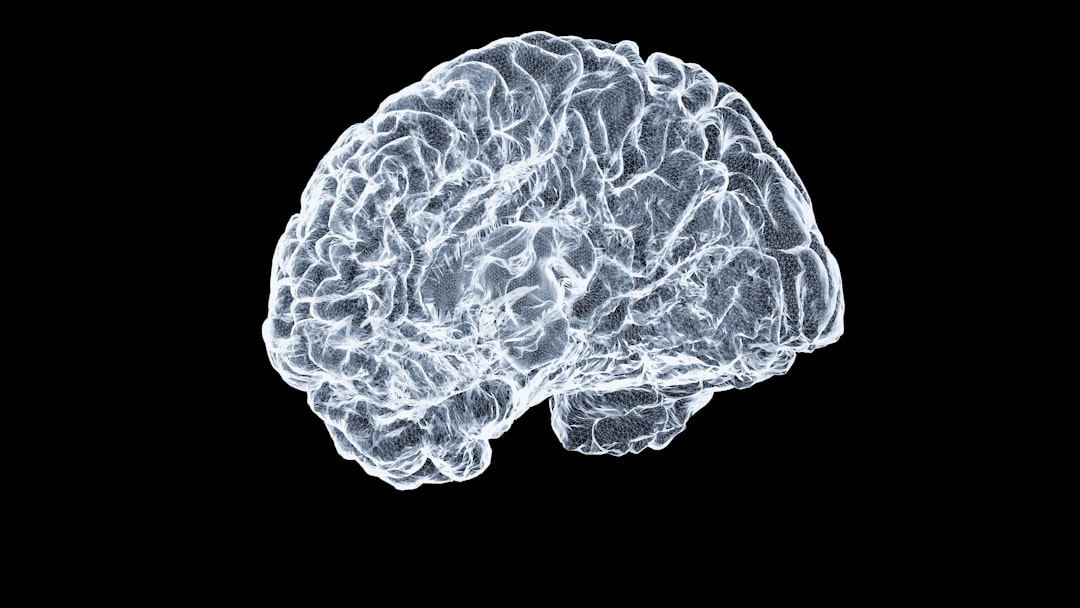
You’ve probably felt it before – that knot of anxiety tightening in your stomach before a big presentation, or the surge of nausea when you’re stressed. These are not mere coincidences. They are tangible manifestations of the profound and intricate dialogue happening between your gut and your brain, a connection scientifically dubbed the gut-brain axis. This isn’t a one-way street; your brain influences your digestion, and remarkably, your gut influences your mood, cognition, and even your overall well-being. Understanding this two-way communication is a crucial step toward optimizing your health from both ends.
The gut-brain axis is a complex bidirectional communication network that links your central nervous system (CNS) and your enteric nervous system (ENS), often referred to as the “second brain” due to its extensive neural network within the digestive tract. This connection isn’t just confined to nerves; it involves a fascinating interplay of hormones, immune signals, and crucially, the trillions of microbes residing in your gut.
The Nervous System’s Role
Your nervous system plays a paramount role in this connection. The vagus nerve, the longest cranial nerve, acts as a primary highway for communication, carrying signals in both directions.
The Vagus Nerve: A Superhighway of Information
Imagine the vagus nerve as a bustling data cable, constantly transmitting information from your gut to your brain and vice versa. When your stomach is full, it sends signals of satiety. When something is not sitting right – perhaps an allergen or pathogen – it relays this distress, which your brain interprets. Conversely, your brain, through the autonomic nervous system, can influence gut motility, enzyme secretion, and blood flow, preparing your digestive system for “fight or flight” or relaxation.
The Endocrine System: Hormonal Messengers
Beyond the nervous system, your endocrine system chimes in, releasing hormones that travel through your bloodstream and impact both gut function and brain activity.
Gut Hormones and Their Brain Impact
Your gut produces a remarkable array of hormones. For instance, ghrelin, often called the “hunger hormone,” is produced in your stomach and signals your brain to become hungry. Leptin, on the other hand, is produced by fat cells but also influenced by gut signals, signaling satiety. Other gut hormones like cholecystokinin (CCK) and glucagon-like peptide-1 (GLP-1) not only regulate digestion but also have neurotransmitter-like effects on the brain, influencing mood and appetite. Your brain, in turn, releases hormones like cortisol in response to stress, which can significantly disrupt gut function.
The Immune System: The Gut’s Sentinels and the Brain’s Defense
A significant portion of your immune system resides in your gut. These immune cells are constantly monitoring your gut environment, flagging potential threats and orchestrating defense mechanisms.
Immune Signals in the Gut-Brain Dialogue
The inflammatory signals released by gut immune cells can travel to the brain and contribute to mood disorders like depression and anxiety. Conversely, brain inflammation can also impact gut immunity and lead to digestive issues. It’s a delicate balance, and when it’s disrupted, the consequences can be far-reaching.
Recent research has shed light on the intricate connection between the gut and the brain, revealing how our digestive system communicates with our central nervous system. This relationship, often referred to as the “gut-brain axis,” plays a crucial role in influencing mood, behavior, and overall mental health. For a deeper understanding of this fascinating topic, you can read more in the article available at Freaky Science.
The Microbiome: Your Inner Ecosystem
Perhaps the most revolutionary aspect of understanding the gut-brain axis lies in the discovery of the profound influence of your gut microbiome – the vast community of bacteria, viruses, fungi, and other microorganisms that inhabit your digestive tract. These microbes are not passive bystanders; they are active participants in this intricate communication network.
Who are These Microbes?
Your gut harbors trillions of microorganisms, outnumbering your own human cells. This diverse ecosystem plays a vital role in your health, from breaking down food and producing essential vitamins to shaping your immune system and, as we now know, influencing your brain.
The Symbiotic Relationship
Think of your gut microbes as tiny, industrious workers. They ferment dietary fiber, producing short-chain fatty acids (SCFAs) like butyrate, propionate, and acetate. These SCFAs are not just fuel for your gut cells; they are signaling molecules that can cross the gut barrier, enter the bloodstream, and reach the brain.
How Microbes Talk to the Brain
The mechanisms by which these microscopic inhabitants communicate with your brain are multifaceted and still being actively researched. However, several key pathways have been identified.
SCFA Production and Neurotransmitter Synthesis
As mentioned, SCFAs are crucial. They can influence brain plasticity, reduce inflammation, and even affect neurotransmitter production. For example, certain gut bacteria can synthesize neurotransmitters like serotonin, GABA, and dopamine, which are vital for mood regulation, anxiety control, and cognitive function. Up to 90% of the body’s serotonin is produced in the gut!
Microbial Metabolites and the Blood-Brain Barrier
Beyond SCFAs, gut microbes produce a vast array of other metabolites – byproducts of their metabolic processes. Some of these metabolites can directly influence the integrity of the blood-brain barrier (BBB), a protective shield that prevents harmful substances from entering the brain. A healthy BBB is crucial for brain health, and disruptions can have serious consequences.
Direct Neural Stimulation
The vagus nerve, as discussed earlier, can be directly stimulated by the presence and activity of specific gut microbes. This direct neural signaling provides another pathway for the microbiome to exert its influence on the brain.
The Gut’s Impact on Mood and Mental Health
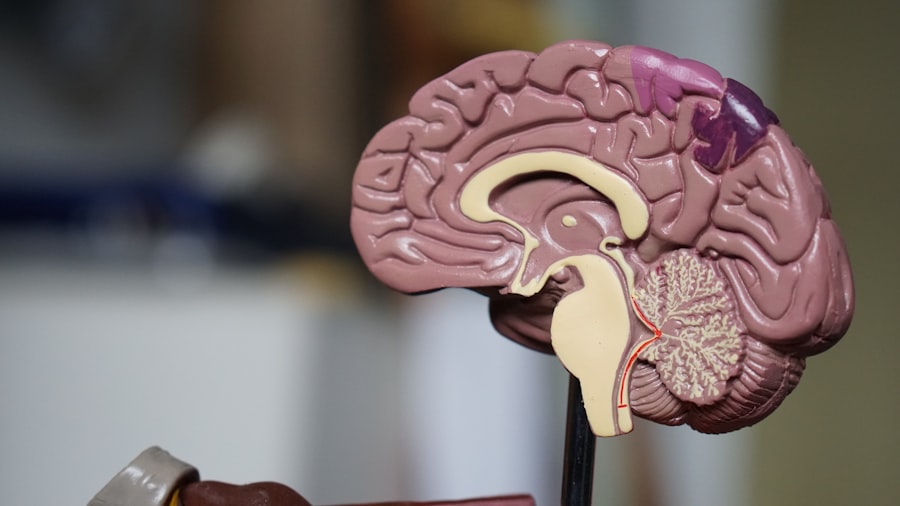
The connection between your gut and your brain is particularly evident in the realm of mental health. Emerging research overwhelmingly supports the idea that a healthy gut contributes to a healthy mind.
Anxiety and Depression: Gut-Brain Imbalances
Disruptions in the gut microbiome, often referred to as dysbiosis, have been strongly linked to an increased risk and severity of anxiety and depression.
Dysbiosis and Neuroinflammation
When your gut microbial balance is skewed, it can lead to an increase in pro-inflammatory bacteria and a decrease in beneficial ones. This dysbiosis can trigger chronic low-grade inflammation in the gut, which can then spread to the brain, contributing to neuroinflammation. Neuroinflammation is a key factor in the development of mood disorders.
Serotonin Production and Mood Regulation
As highlighted, a significant portion of serotonin, a neurotransmitter crucial for mood regulation, is produced in the gut. The composition of your gut microbiome can directly influence the efficiency of this serotonin production, impacting how you feel.
Stress Response and Cognitive Function
Your gut also plays a role in how you perceive and respond to stress, and this has implications for your cognitive abilities.
The Gut Microbiome and Cortisol Levels
Research suggests that the gut microbiome can influence the hypothalamic-pituitary-adrenal (HPA) axis, the body’s central stress response system. An imbalanced microbiome can lead to an exaggerated or prolonged cortisol release, impacting your ability to cope with stress and affecting cognitive functions like memory and focus.
Gut Health and Cognitive Decline
Given the role of inflammation and neurotransmitters in brain health, it’s not surprising that gut health is also being investigated for its potential role in cognitive decline and neurodegenerative diseases. Maintaining a healthy gut may be a protective factor for your brain as you age.
The Brain’s Influence on Gut Function
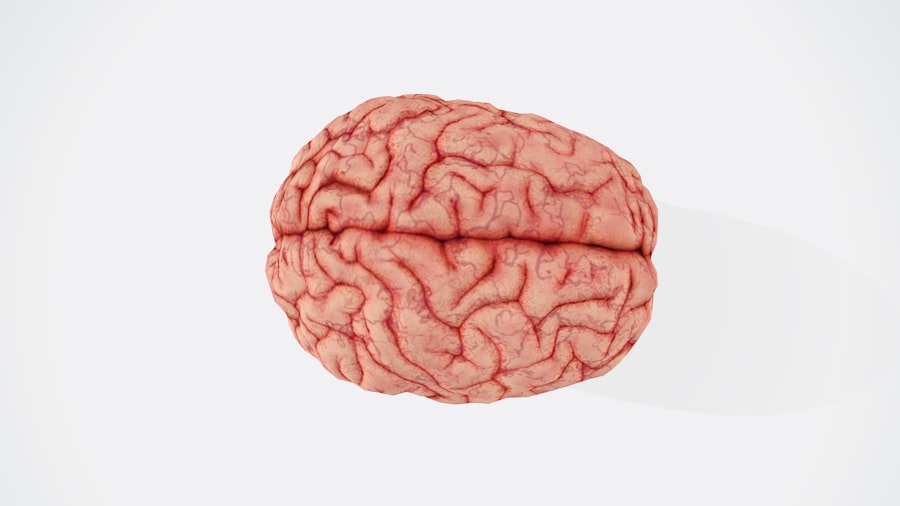
While we’ve extensively discussed how your gut influences your brain, it’s crucial to remember that this is a two-way street. Your brain has a powerful capacity to dictate how your digestive system operates.
The Brain-Gut Reflexes
Your brain initiates a series of reflexes that prepare your gut for anticipated events, such as eating.
The Cephalic Phase of Digestion
Even the thought or smell of food can trigger the cephalic phase of digestion. Your brain signals the release of saliva, stomach acid, and digestive enzymes, preparing your gut to receive and process food before it even enters your mouth. This highlights the immediate and proactive nature of the brain’s influence.
Stress and Its Gut Manifestations
Stress, originating from your brain, is a prime example of how your mental state can wreak havoc on your gut.
The Fight-or-Flight Response and Digestion
When you experience stress or perceive danger, your brain activates the “fight-or-flight” response. This redirects blood flow away from your digestive system to your muscles, slowing down digestion and potentially leading to symptoms like nausea, diarrhea, or constipation. Chronic stress can lead to persistent gut issues.
Emotional Eating and Gut Motility
Your emotions, processed by your brain, can also influence your eating habits. You might crave comfort foods when you’re feeling down, or lose your appetite when you’re anxious. These emotional responses, coupled with the brain’s influence on gut motility and hormone release, can create a complex cycle of gut-brain dysregulation.
Recent research has shed light on the fascinating connection between the gut and the brain, revealing how our digestive system communicates with our central nervous system. This intricate relationship plays a crucial role in our overall health and well-being. For those interested in exploring this topic further, you can read a related article that delves into the science behind this gut-brain axis and its implications for mental health and digestion. Check it out here for more insights.
Nurturing Your Gut-Brain Connection: Practical Strategies
| Data/Metric | Description |
|---|---|
| Gut Microbiota Diversity | The variety of microorganisms in the gut that can influence brain function. |
| Neurotransmitter Production | The gut produces neurotransmitters that can affect mood and cognition. |
| Vagus Nerve Communication | The vagus nerve sends signals between the gut and the brain, influencing emotions and stress responses. |
| Short-Chain Fatty Acids | Metabolites produced by gut bacteria that can impact brain health and function. |
| Immune System Activation | Gut inflammation can trigger immune responses that affect brain function and mental health. |
The good news is that you have a significant degree of control over your gut-brain axis. By adopting a holistic approach that focuses on both gut health and mental well-being, you can foster a more harmonious dialogue.
Diet: Fueling Your Microbes and Your Mind
What you eat has a direct and profound impact on your gut microbiome and, consequently, your brain.
Embrace a Fiber-Rich Diet
Think of fiber as the preferred food for your beneficial gut bacteria. Fruits, vegetables, whole grains, legumes, and nuts are packed with fiber, which your microbes ferment to produce those beneficial SCFAs. Aim for a diverse range of plant-based foods to support a diverse microbiome.
The Power of Fermented Foods
Probiotic-rich fermented foods like yogurt (with live and active cultures), kimchi, sauerkraut, kefir, and kombucha introduce beneficial bacteria directly into your gut. Regular consumption can help to rebalance your microbiome and improve gut health.
Limit Processed Foods and Sugary Drinks
These foods often lack fiber and can feed harmful bacteria, contributing to dysbiosis and inflammation. They can also lead to blood sugar spikes and crashes, impacting mood and energy levels.
Hydration is Key
Water is essential for all bodily functions, including digestion. Staying adequately hydrated helps to maintain efficient gut motility and nutrient absorption.
Lifestyle Modifications: Stress Management and Sleep
Beyond diet, your lifestyle choices play a critical role in shaping your gut-brain connection.
Prioritize Sleep
Adequate, quality sleep is fundamental for both gut and brain health. During sleep, your body repairs and regenerates, and your gut microbiome also undergoes important cycles. Aim for 7-9 hours of consistent sleep per night.
Effective Stress Management Techniques
Learning to manage stress is paramount. Incorporate practices like mindfulness meditation, deep breathing exercises, yoga, spending time in nature, or engaging in hobbies you enjoy. These can help to regulate your HPA axis and reduce the negative impact of stress on your gut.
Regular Physical Activity
Exercise isn’t just good for your body; it’s also beneficial for your gut microbiome and your brain. Physical activity can increase microbial diversity and has been shown to improve mood and reduce anxiety.
Probiotics and Prebiotics: Supporting Your Inner Garden
Consider incorporating probiotics and prebiotics to further support your gut health.
Probiotics: The Beneficial Bacteria
Probiotics are live microorganisms that, when consumed in adequate amounts, confer a health benefit on the host. They can be found in supplements or in fermented foods. Choose probiotic strains that have been researched for their effects on gut and brain health.
Prebiotics: Food for Your Microbes
Prebiotics are non-digestible fibers that selectively stimulate the growth and activity of beneficial bacteria already present in your gut. They are found in many plant-based foods like garlic, onions, leeks, asparagus, and bananas.
The Future of Gut-Brain Research
The field of gut-brain research is rapidly evolving, promising even deeper insights into this fundamental connection. Researchers are exploring new avenues, from the impact of specific microbial metabolites on brain function to the development of novel therapeutic interventions targeting the microbiome for mental health conditions. Understanding this intricate dialogue is not just an academic pursuit; it’s a powerful key to unlocking a healthier, more resilient you, from your gut to your mind and back again. By nurturing this vital connection, you are investing in your overall well-being.

The Hidden Sense Inside Your Gut
FAQs
What is the gut-brain connection?
The gut-brain connection refers to the bidirectional communication between the gastrointestinal system and the brain. This communication occurs through the nervous system, hormones, and the immune system.
How does the gut communicate with the brain?
The gut communicates with the brain through the vagus nerve, which is the primary pathway for this connection. Additionally, the gut produces various hormones and neurotransmitters that can affect brain function and behavior.
What role does the gut-brain connection play in overall health?
The gut-brain connection plays a crucial role in regulating mood, cognition, and overall mental health. It also influences digestion, immune function, and inflammation throughout the body.
How can the gut-brain connection impact mental health?
Imbalances in the gut microbiota or disruptions in gut-brain communication have been linked to conditions such as anxiety, depression, and even neurodegenerative diseases. Maintaining a healthy gut is important for overall mental well-being.
What are some ways to support a healthy gut-brain connection?
Eating a balanced diet rich in fiber and fermented foods, managing stress, getting regular exercise, and avoiding excessive use of antibiotics can all support a healthy gut-brain connection. Additionally, probiotics and prebiotics may help maintain a healthy gut microbiota.