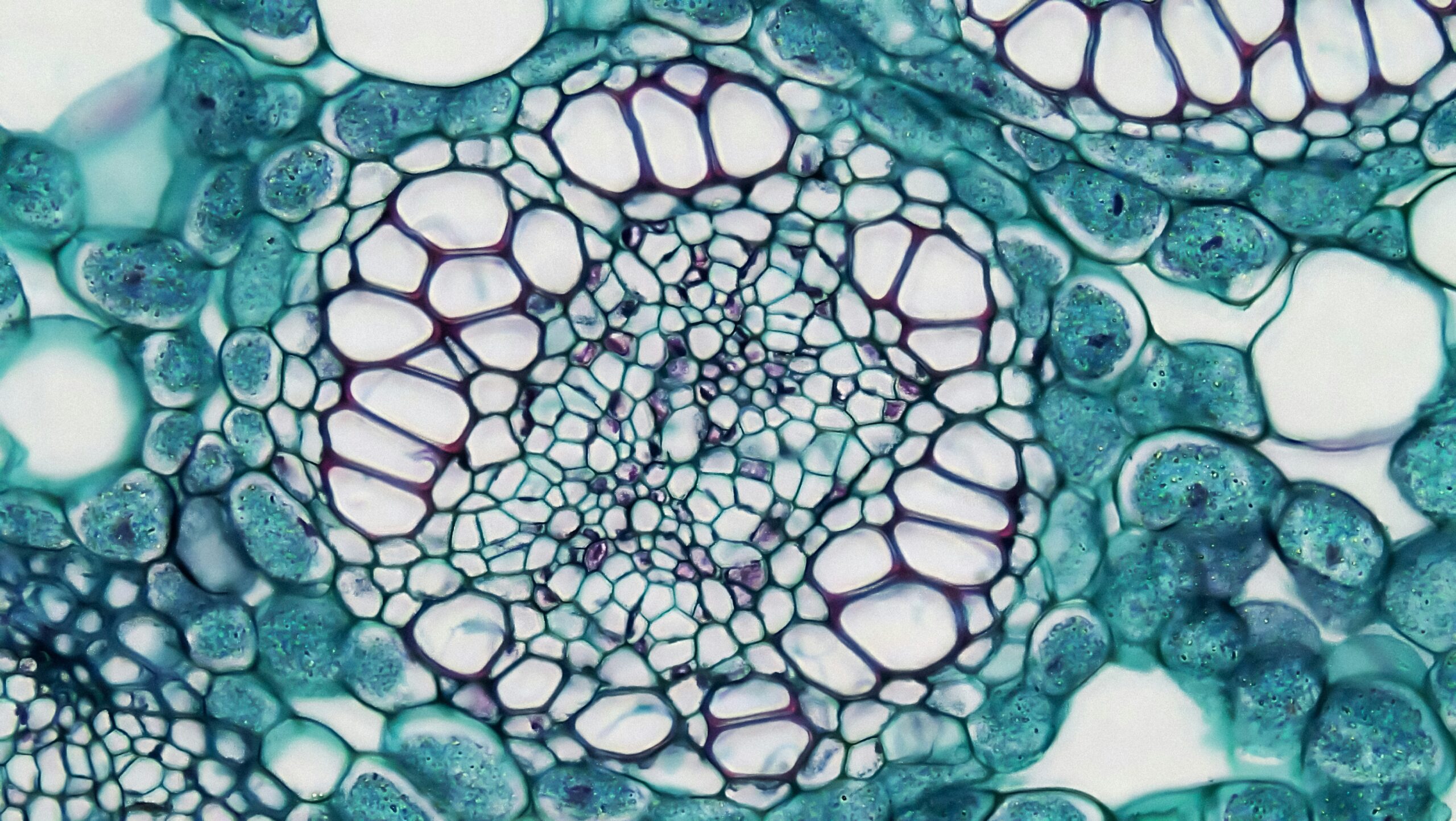
You hold it in your hands every day – a sheet of paper. Whether it’s the crisp surface of a new notebook, the slightly rough texture of a recycled envelope, or the delicate sheen of a premium printing stock, paper is a fundamental part of your existence. But have you ever stopped to truly look at it? Not just at the words printed on its surface, but at the very fabric of its being? Prepare yourself for a journey, for you are about to explore the intricate, often hidden world of paper fibers, a microscopic landscape that whispers tales of trees, water, and the ingenious craft of papermaking.
Your exploration begins with a simple premise: that the paper you interact with is not a monolithic entity, but a complex woven tapestry of individual fibers. These fibers, primarily derived from cellulose, are the building blocks of every page you turn, every letter you send, every sketch you create. Understanding them is to understand the very essence of paper, its strength, its texture, its absorbency, and its limitations. This venture into the microscopic realm will grant you a profound appreciation for an everyday material, revealing a hidden complexity that underpins so much of human communication and creativity. You’ll discover that the tactile sensation of paper, the way it folds, the way ink spreads upon it – all are dictated by the nature and arrangement of these tiny, elongated elements. Imagine transforming from a passive user of paper to an active investigator, wielding a magnifying lens or, even better, a microscope, to unveil secrets invisible to the naked eye. This is your invitation to become an explorer of the paper fiber universe.
Unveiling the Primary Component: Cellulose
At the heart of every paper fiber lies cellulose, a polysaccharide that forms the structural component of plant cell walls. You might associate cellulose with dietary fiber, and indeed, it’s the same fundamental molecule. However, in the context of paper, its significance is magnified. It is the inherent strength and resilience of cellulose that allows it to be processed into the flexible yet durable sheets you are familiar with. Think of cellulose as the skeleton of the plant, providing rigidity and support. When harvested and processed, these microscopic cellular structures are broken down, liberating individual cellulose fibers.
The Molecular Architecture of Strength
Understanding cellulose begins at the molecular level. Imagine long chains of glucose units linked together. These chains are not randomly arranged but are held together by hydrogen bonds, creating highly ordered crystalline regions within the fiber. These crystalline regions are incredibly strong and resistant to deformation. Think of them as tiny, densely packed bricks forming rigid structures. Interspersed between these crystalline areas are more amorphous, less ordered regions. This unique combination of crystalline and amorphous segments contributes to cellulose’s remarkable properties – its tensile strength, its ability to absorb water, and its susceptibility to chemical processing. When you run your finger over a sheet of paper, you are interacting with the aggregated effect of billions of these cellulose chains, their specific arrangement dictating the paper’s feel and behavior. The beauty of cellulose lies in its simplicity and its powerful structural integrity, a testament to nature’s elegant engineering.
The Nature of Wood Pulp
The vast majority of paper fibers you encounter originate from wood. Trees, ancient and steadfast, are a treasure trove of cellulose. Different types of wood, however, yield fibers with distinct characteristics. Softwoods, like pine and spruce, tend to have longer fibers, which contributes to paper’s strength and tear resistance. Think of long, sturdy threads that interlock to create a robust fabric. Hardwoods, such as oak and maple, produce shorter fibers, resulting in paper that is smoother and has better printability. Imagine shorter, more densely packed threads that create a finer weave. The choice of wood source is a critical decision for papermakers, directly influencing the final properties of the paper you will use. You might not realize it, but the origin of the wood has a direct correlation to the paper’s performance, from its ability to withstand repeated folding to the clarity of printed images.
In the fascinating world of microscopy, the examination of paper fibers can reveal intricate details about the material’s composition and structure. A related article that delves into the science behind these observations can be found at Freaky Science, where readers can explore various aspects of microscopy and its applications in understanding everyday materials. This resource provides valuable insights into how different fibers interact under magnification, shedding light on the properties that make paper a unique and versatile medium.
Types of Fibers: A Diverse Community
While cellulose is the fundamental component, the world of paper fibers is far from monolithic. Different sources and processing methods result in a diverse community of fibers, each contributing unique qualities to the final paper product. Your exploration will reveal that not all paper is created equal, and the fibers are the primary reason why.
Virgin Fibers: The Pristine Purity
Virgin fibers, as the name suggests, are derived directly from wood pulp and have not been previously used to make paper. These fibers are generally longer and stronger than recycled fibers, as they haven’t undergone the stresses of repeated processing. Think of them as untouched, unblemished threads, retaining their original integrity. They are prized for their strength, brightness, and smooth surface, making them ideal for high-quality printing papers, photographic paper, and specialty applications where superior performance is paramount. When you pick up a glossy magazine or a fine art print, you are likely holding paper made predominantly from virgin fibers. Their crispness and resilience are a direct consequence of their uncompromised nature.
Softwood vs. Hardwood: A Tale of Length and Strength
As mentioned earlier, the distinction between softwood and hardwood fibers is significant. Softwood fibers, typically ranging from 1 to 5 millimeters in length, are elongated and provide excellent “wire strength” – the paper’s ability to resist tearing. Imagine building a fence with long, sturdy planks that are difficult to pull apart. These fibers create a strong, interconnected network. Hardwood fibers, on the other hand, are much shorter, usually between 0.5 and 1.5 millimeters. While they don’t offer the same tearing strength, they contribute to a smoother surface, better opacity, and improved print fidelity. Think of using finely ground sand to fill in the gaps between larger pebbles, creating a smoother, more uniform surface. The interplay between these fiber lengths is a carefully orchestrated dance, aiming to achieve a balance of strength, smoothness, and printability.
Recycled Fibers: The Reborn Threads
Recycled fibers are the champions of sustainability. These are fibers that have been reclaimed from used paper products and repulped to create new paper. While they may have undergone previous stresses and processing, they are still valuable resources. Your investigation into recycled paper will reveal a fascinating transformation. Imagine old newspapers, cardboard boxes, and office paper being given a second, third, or even fourth life. The process of repulping breaks down the old paper back into its constituent fibers, which can then be cleaned, deinked (to remove printing ink), and formed into new sheets. The quality of recycled paper can vary depending on the source material and the recycling process, but advancements in technology have made recycled papers increasingly comparable to virgin papers in terms of performance and appearance.
The Impact of Repulping on Fiber Structure
Repulping, while essential for recycling, does have an impact on the fibers. The mechanical and chemical forces involved in breaking down the paper and removing ink can cause some degradation of the fiber structure. Fibers may become shorter, more fibrillated (meaning they develop fine, hair-like protrusions that can improve bonding), or have their surface properties altered. This can influence the strength, printability, and absorbency of the recycled paper. However, papermakers often blend recycled fibers with virgin fibers or use additives to compensate for any potential performance differences. You might notice that some recycled papers have a slightly different texture or a more muted appearance, which can be a testament to the presence of these reclaimed fibers and their unique journey.
The Papermaking Process: From Pulp to Page
The transformation of raw fibers into the paper you use is a fascinating journey, a symphony of mechanical and chemical processes. You are about to delve into how these individual fibers, once dispersed in water, are coaxed into forming a cohesive, sheet-like structure. Understanding this process is key to appreciating why paper behaves the way it does.
Beating and Refining: Developing Fiber Potential
Before the fibers can form a sheet, they undergo a crucial process called beating or refining. Imagine this as a way to “wake up” the fibers, preparing them for optimal bonding. In this stage, the fibers are subjected to mechanical action in the presence of water. This process has several effects: it shortens the fibers to some extent, but more importantly, it causes the fibers to swell and develop “fibrils.” These fibrils are fine, hair-like extensions that protrude from the surface of the fibers. Think of them as millions of tiny velcro hooks. When these swollen, fibrillated fibers are then formed into a sheet and dried, these fibrils interlock and create hydrogen bonds between the cellulose chains, forming a strong, cohesive network. The degree of beating significantly affects the final paper’s properties; more intense beating leads to stronger, denser paper with reduced porosity, while less beating produces weaker, more porous paper. You might imagine the difference between a loosely knit sweater and a tightly woven canvas – the degree of fiber manipulation plays a similar role.
Sheet Formation: The Interlocking Dance
With the fibers prepared, the next step is sheet formation. This is where the magic happens, where a watery slurry of fibers transforms into a continuous sheet. The refined pulp, a watery suspension of fibers, is fed onto a moving screen, often called a wire mesh. As the water drains through the mesh, the fibers begin to interlock, forming a web. Gravity, vacuum suction, and sometimes shaking of the screen all contribute to aligning the fibers and encouraging them to bond. Imagine a rain of tiny threads falling onto a sieve, with water rushing through, leaving the threads behind to weave themselves into a mat. The speed of the machine, the type of wire, and the composition of the pulp all influence how the fibers orient themselves, which in turn affects the paper’s anisotropy – its tendency to have different properties in different directions. You might notice that paper often tears more easily in one direction than another, a direct consequence of this fiber orientation during sheet formation.
Pressing and Drying: Solidifying the Structure
Once the wet web of fibers has been formed, it needs to be solidified. This is achieved through pressing and drying. The wet sheet passes through a series of heavy rollers, which squeeze out more water and further consolidate the fiber network, increasing its density and strength. Think of pressing a damp sponge to remove excess water and make it firmer. Following pressing, the sheet is passed over heated cylinders, evaporating the remaining moisture. This drying process is critical for the formation of strong hydrogen bonds between the cellulose fibers, locking the structure into place. The controlled application of heat and pressure during this stage is essential for achieving the desired paper characteristics. You can almost feel the paper becoming more rigid and stable as it loses its moisture and its internal structure solidifies.
Microscopic Marvels: What You Can See
Now, let’s truly get under the hood. Armed with a magnifying glass or, ideally, a microscope, you can begin to witness the intricate details of paper fibers firsthand. This is where your exploration truly comes alive, transforming abstract concepts into tangible visual realities. Prepare to be amazed by the diversity and complexity you will discover.
The Elongated Forms: A Fibrous Forest
Under magnification, the most striking feature of paper is the sheer abundance of elongated forms – the fibers themselves. They are rarely perfectly straight but often have a slightly wavy or twisted appearance. You’ll see them overlapping, crisscrossing, and intertwining, creating the dense network that gives paper its substance. Depending on the type of paper and the magnification, you might be able to distinguish between the longer, more slender fibers from softwoods and the shorter, somewhat wider fibers from hardwoods. Imagine peering into a microscopic forest where each tree trunk represents a cellulose fiber, and the way they are intertwined dictates the density and strength of the forest itself. The sheer volume of these individual units, working in concert, is what creates the robust structure you interact with.
When examining paper fibers under a microscope, one can gain fascinating insights into the structure and composition of various types of paper. This microscopic analysis reveals the intricate details of the fibers, which can differ significantly based on the source material and manufacturing process. For those interested in exploring this topic further, a related article can be found at Freaky Science, where the unique characteristics of different paper types are discussed in depth. Understanding these differences not only enhances our appreciation of paper products but also informs choices in art, conservation, and recycling efforts.
Beyond Cellulose: Additives and Impurities
While cellulose fibers form the backbone of paper, it’s important to remember that paper is rarely pure cellulose. Various additives are incorporated during the papermaking process to impart specific properties, and occasional impurities can also be present, offering further insights into the paper’s origin and production.
Fillers and Sizing Agents: Enhancing Performance
Papermakers use a range of additives to enhance paper’s performance. Fillers, such as clay or calcium carbonate, are often added to improve the paper’s brightness, opacity, and smoothness. These finely ground mineral particles fill in the spaces between the fibers, creating a more uniform surface and reducing the amount of light that passes through. Imagine spreading a fine powder over a rough surface to make it smoother and less transparent. Sizing agents, on the other hand, are added to control the paper’s absorbency. They make the paper less susceptible to ink feathering and bleeding. Without sizing, ink would spread uncontrollably through the porous fiber network. Think of applying a water-repellent coating to fabric to prevent it from absorbing spills. You’ll notice that different papers have vastly different ink absorbency, and this is largely due to the presence and type of sizing agents used.
The Optical Effect of Fillers
The presence of fillers like titanium dioxide can dramatically affect the brightness and opacity of paper. These pigments are highly reflective, scattering light and making the paper appear whiter and less translucent. Under a microscope, you might be able to see these small, distinct particles interspersed among the fibers. Their uniform distribution is crucial for achieving the desired optical properties. Think of adding white paint to a colored background to make it appear lighter and more opaque. The careful selection and integration of these fillers are a key aspect of achieving the aesthetic and functional qualities of many paper grades.
Impurities: Traces of the Past
Occasionally, you might encounter small specks or irregularities within the paper structure that are not intended additives. These can be residual particles from the wood source, such as small fragments of bark or xylan, or even tiny pieces of metal or plastic that may have entered the papermaking process. While most modern papermaking aims to minimize such impurities, their presence can sometimes offer clues about the origin of the pulp or the efficiency of the purification process. Imagine finding tiny pebbles or twigs within a loaf of bread – they are not part of the intended recipe but can tell you something about the ingredients and the baking process. Your microscopic investigation might uncover these subtle anomalies, adding another layer of detail to your understanding of the paper’s journey.
Conclusion: A New Appreciation for the Mundane
As you conclude your microscopic exploration of paper fibers, you are left with a profound sense of appreciation for this seemingly ordinary material. You’ve peered into the fundamental building blocks of paper, understood the processes that transform humble wood into elegant sheets, and witnessed the intricate details that dictate its properties. The paper in your hands is no longer just a passive medium; it is a testament to nature’s ingenuity and human innovation. You’ve moved from simply using paper to truly understanding it, recognizing the complex dance of cellulose, mechanical forces, and chemical additives that create the pages you interact with every day. The next time you pick up a piece of paper, you’ll do so with a renewed awareness, a deeper respect for the fibrous whispers that form its very essence. Your journey into the microscopic world of paper fibers has equipped you with a unique perspective, transforming the mundane into the magnificent. You now possess the knowledge to see beyond the surface and appreciate the incredible complexity hidden within the common.

Why Paper Cuts Hurt (It’s Not What You Think)
FAQs
What are paper fibers?
Paper fibers are the small, thread-like structures that make up paper. They are typically derived from plant materials such as wood, cotton, or other cellulose-rich sources.
How can paper fibers be observed under a microscope?
Paper fibers can be observed under a microscope by preparing a thin sample of paper and placing it on a microscope slide. The fibers can then be viewed using a light microscope or a scanning electron microscope for higher magnification.
What do paper fibers look like under a microscope?
Under a microscope, paper fibers appear as long, thin strands with varying shapes and sizes. They may have irregular edges and can show distinct patterns and textures depending on the type of paper and the source of the fibers.
What is the significance of studying paper fibers under a microscope?
Studying paper fibers under a microscope can provide valuable information about the quality, composition, and characteristics of paper. It can also help in identifying the source of the fibers and understanding the manufacturing process of the paper.
What are some common applications of analyzing paper fibers under a microscope?
Analyzing paper fibers under a microscope is commonly used in forensic science to identify counterfeit documents, in the paper industry for quality control, and in conservation and restoration of historical documents and artworks.