You think of paper, and perhaps your mind conjures a smooth, blank expanse, a canvas awaiting your thoughts, a surface for effortless gliding of pen or pencil. But if you were to truly look, to bring your senses to bear, you’d discover a far more complex and captivating reality. The humble sheet beneath your fingertips is a tapestry of texture, a subtle landscape formed by the very essence of its creation. You’ve likely felt it, that indistinct feeling of “paper-ness,” but have you ever paused to truly appreciate the nuances? It’s time to delve into the rough texture of paper, to understand its origins, its impact, and the delightful diversity of sensations it offers.
At its core, paper is a mat of intertwined fibers, typically cellulose derived from wood pulp. The way these fibers are processed, blended, and laid down during the papermaking process dictates the tactile experience you encounter. Think of it like weaving a fabric – the type of thread, the tightness of the weave, the finishing techniques all contribute to the final feel. For paper, it’s a similar story, but on a microscopic level.
The Pulp’s Predicament: Fiber Length and Refinement
The journey begins with the pulp. Wood, whether softwood or hardwood, is broken down into its constituent fibers. The length of these fibers plays a crucial role. Longer fibers, often found in virgin pulp, tend to create a stronger, more resilient paper. When laid down, they create a more open, interlaced structure. Shorter fibers, often found in recycled paper or from further refining processes, can lead to a denser, smoother paper. You’ll notice this difference when you tear a piece of paper; a tear through long-fibered paper will be more ragged, revealing a more pronounced, fibrous edge. A tear through a finer, more refined paper will be cleaner. The refinement process itself, a mechanical beating of the fibers, can also influence texture. Over-refining can break down fibers too much, leading to a smoother but potentially weaker sheet. Under-refining can leave coarser fibers, contributing to a more noticeable tooth.
Formation and Drainage: The Roll of the Wire
Once the pulp slurry is formed, it’s spread across a moving screen, often called a wire. This is where gravity and the mechanics of the machine work their magic. Water drains through the mesh, leaving the fibers to interlace and form a sheet. The speed of the wire, the type of mesh, and how the fibers are agitated during this drainage process all contribute to the uniformity – or lack thereof – in the fiber distribution. A slower drainage and more gentle agitation can lead to a more even formation, often resulting in a smoother surface. Conversely, a faster process or more vigorous agitation can create a more varied distribution of fibers, leading to a subtle, almost freckled texture you can feel with your fingertips. You might feel a slight “grain” in the paper, a directional bias in the way the fibers lie, which is also a product of the formation process. This grain can influence how ink lays down and how the paper folds.
The Squeeze and the Shine: Pressing and Calendering
After formation, the wet sheet enters the press section. Here, rollers apply pressure to squeeze out more water and further compact the fibers. The amount of pressure applied directly impacts the density and smoothness of the paper. More pressure results in a denser, smoother sheet. Less pressure leaves a more open, textured feel. Following the press section, paper often goes through calendering, a process where it passes between heated rollers. This is where much of the smoothness we associate with printing paper is achieved. The rollers compress and polish the surface. However, the degree of calendering is entirely customizable. Papers designed for artistic media, for instance, might be lightly calendered or not calendered at all, deliberately preserving a rougher texture for ink or graphite to grip.
The texture of paper can often be attributed to its manufacturing process and the types of fibers used. For a deeper understanding of why paper is rough, you can explore the article on Freaky Science that delves into the science behind paper production and its various textures. This article provides insights into how different materials and techniques affect the final product’s feel and usability. To read more, visit Freaky Science.
The Tactile Appeal: Why Roughness Matters
It’s not just about how paper looks; its texture profoundly influences how you interact with it and how your creations appear. The “roughness” of paper, more formally known as its “tooth,” is often an intentional design choice, catering to specific artistic and writing needs.
The Grip of the Grain: Holding Ink and Pigment
The most significant advantage of a rougher texture is its ability to hold media. Think of a pencil. The graphite particles need something to adhere to. A smooth surface offers little resistance, leading to faint, wispy lines. A paper with good tooth, however, acts like a miniature landscape, with countless tiny valleys and peaks for the graphite to lodge in. This allows for richer, darker lines, greater tonal variation, and the ability to build up layers of pigment. The same applies to pastels, charcoal, and even some inks. The slight abrasiveness of the paper helps to break down the pigment and bind it to the surface, resulting in a more vibrant and lasting mark. You’ll find that when you erase on a rougher paper, it can sometimes be more forgiving, pulling up the pigment more effectively than a super-smooth surface which can embed it.
Visual Depth and Character: More Than Just a Surface
The texture of paper isn’t solely a tactile sensation; it also influences the visual appearance of what you create. A rougher paper can impart a certain character to your work. The slight shadows created by the uneven surface can add a subtle depth and dimensionality to your drawings and prints. It can prevent an image from looking flat or overly “digital.” For watercolor painters, the texture can influence how the paint blooms and dries, creating interesting textures and patterns as the water ebbs and flows over the fiber landscape. A rougher paper can prevent washes from becoming too slick and overwhelming, allowing for more controlled application and beautiful variations in tone.
Artistic Expression: A Medium in Itself
For many artists, the texture of the paper is as much a part of the artwork as the medium applied to it. Paper manufacturers produce a vast array of papers, each with its own unique tooth, catering to specific artistic disciplines. A watercolorist might prefer a cold-press paper, known for its prominent texture that stands up well to washes and lifting. A dry-media artist, like a pencil or charcoal drawer, might opt for a hot-press paper (which has been more heavily pressed and calendered, giving it a smoother surface) or a paper specifically designed for dry media, offering a balance of tooth and blendability. The choice of paper becomes an extension of the artist’s intention, a conscious decision that contributes to the overall aesthetic and expressive quality of the piece. You might experience a different kind of pleasure in creating on a paper that offers resistance, that feels alive beneath your tools.
Types of Paper Textures: A Spectrum of Sensations
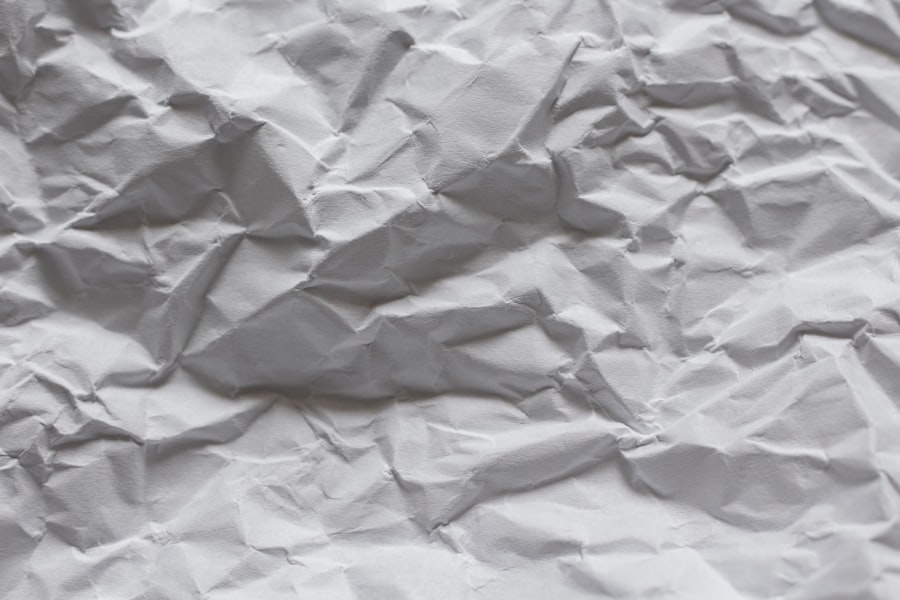
The world of paper offers a surprising variety of textures, each with its own distinct feel and purpose. Moving beyond the generic, you can begin to differentiate and appreciate these subtle variations.
The Smooth Operators: Hot-Press and Bristol
At one end of the spectrum, you have the smoothest papers, often referred to as “hot-press” papers. These undergo significant calendering, resulting in a dense, almost polished surface. You’ll find that ink from a fine-liner or fountain pen will glide across these papers with minimal bleed or feathering. They are excellent for detailed line work, technical illustrations, and for achieving a very clean, sharp finish. Bristol board, a heavy paper often made from multiple layers of pulp, is another example of a smooth surface, built for durability and precision. The lack of significant tooth means that graphite can be easily blended and erased, and sharp edges can be achieved with ease. However, this smoothness also means less grip for dry media, so building up deep tones can be more challenging compared to a rougher sheet.
The Grppy Companions: Cold-Press and Watercolor Papers
Moving towards a rougher texture, you encounter “cold-press” papers. These are typically not calendered after pressing, or are only lightly so. The surface retains more of the natural texture of the fibers and the formation process. This is the classic choice for many watercolor artists. The tooth provides ample surface area for pigments to adhere to, and the texture helps to create beautiful drying effects. You’ll often hear terms like “medium,” “rough,” or “cold-press” in relation to watercolor papers, all describing variations in the degree of surface texture. “Rough” watercolor paper will have the most pronounced texture, offering the most grip and the most dramatic visual effects. These papers are also excellent for charcoal and pastels, as they allow for a strong adhesion of the media and good blending capabilities.
The Specialty Surfaces: Textured and Handmade Papers
Beyond the broad categories, there are numerous specialty papers designed for specific effects. You might encounter papers with a more pronounced “laid” pattern, a subtle ridged texture that was historically characteristic of handmade papers and can be seen in some fine stationery and art papers today. These lines are a remnant of the mesh used in the papermaking process. “Watermarked” papers also possess a unique tactile quality, where the watermark is an intentional thinning of the paper, creating a subtle difference in texture that can be felt as well as seen when held up to the light. Handmade papers, by their very nature, often exhibit a beautiful, irregular texture. The fibers are laid down by hand, resulting in a unique character for each sheet. These papers can range from incredibly soft and yielding to surprisingly robust, offering a rich and individual encounter with the material.
Papermaking Processes and Their Textural Footprints
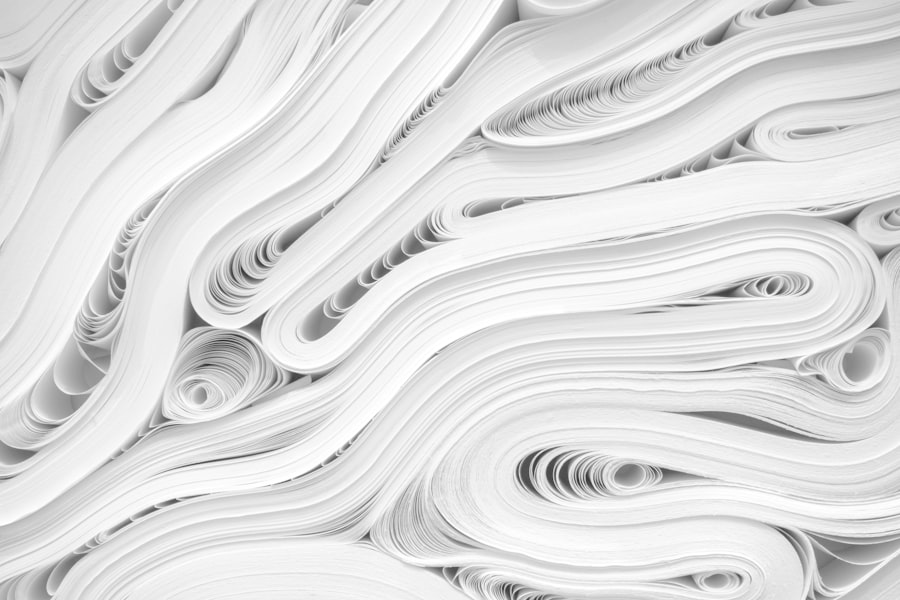
The way paper is made has a direct and undeniable impact on its texture. Understanding these processes can deepen your appreciation for the tactile qualities you experience.
The Mechanical Marvels: Machine-Made Paper
The vast majority of paper you encounter is machine-made. These processes are designed for efficiency and consistency. The fourdrinier machine, a continuous papermaking machine, is the workhorse of the industry. Pulp slurry is fed onto a moving wire mesh, water drains, and the sheet is pressed and dried. The specific settings of the machine – the speed of the wire, the pressure applied in the presses, the degree of calendering – are all fine-tuned to produce papers with specific characteristics. You can often feel the uniformity of machine-made paper, the consistent distribution of fibers, and the predictable smoothness or roughness. This consistency is a hallmark of mass production, providing a reliable substrate for a wide range of applications.
The Artisan’s Touch: Handmade Paper
In stark contrast to the industrial scale of machine-made paper is the intimate, hands-on process of handmade papermaking. Here, the papermaker uses a mould and deckle (a frame with a mesh screen) to scoop pulp from a vat. The excess water is shaken off, and the wet sheet is couched, or gently transferred, onto felt. These sheets are then pressed and air-dried. The inherent variability in this process is precisely what gives handmade paper its unique charm. You’ll find slight variations in thickness, deckle edges (the characteristic feathered edge of handmade paper), and an often uneven distribution of fibers that contribute to a distinct and pleasing texture. Each sheet is a small work of art, a testament to the craft and the inherent beauty of the natural materials.
The Refinement and Treatment: Surface Sizing and Coatings
Beyond the basic formation, paper can undergo further treatments that significantly alter its surface texture and behavior. “Sizing” is a process where a substance (like starch or synthetic polymers) is added to the pulp or applied to the surface of the paper. This reduces absorbency, preventing ink from spreading too much. Surface sizing, in particular, can create a slightly smoother, more resilient surface. “Coating” is another technique, often used for high-quality printing papers. A layer of pigment and binder is applied to the paper surface, which can result in a very smooth, glossy, or matte finish. These coatings fill in the natural texture of the paper, creating an incredibly uniform surface. However, these processes can also create papers that feel less “natural” or “raw.”
The texture of paper can often be attributed to various factors, including the type of fibers used and the manufacturing process. For those interested in exploring this topic further, a related article discusses the science behind paper’s roughness and its implications for different applications. You can read more about it in this insightful piece on Freaky Science, which delves into how the surface characteristics of paper affect printing and writing experiences. Understanding these elements can enhance our appreciation of the materials we use every day.
The Unseen Influences: Paper Texture and Your Perception
| Reasons why paper is rough |
|---|
| Low quality of paper material |
| High wood content in paper |
| Uncoated paper surface |
| Improper paper manufacturing process |
The texture of paper isn’t just an objective property; it interacts with your own perceptions, influencing your writing experience, your artistic output, and even your emotional response.
The Psychology of Touch: Comfort and Engagement
The tactile sensation of paper can evoke different psychological responses. A smooth, sleek paper might feel luxurious and modern, ideal for elegant stationery or important documents. A rougher, more natural-textured paper might feel earthy, organic, and more approachable, encouraging a more personal and creative engagement. You might find yourself drawn to writing in a journal with a paper that feels substantial and welcoming beneath your hand. The slight resistance of a rougher paper can also create a more deliberate and mindful writing process, forcing you to slow down and consider each stroke. The texture can actively contribute to a sense of comfort and engagement with your chosen medium.
The Language of Lines: How Texture Affects Precision
The tooth of the paper plays a critical role in the precision and clarity of your marks. As mentioned earlier, a good tooth allows for finer detail and better control with dry media. For instance, if you’re sketching intricate architectural details, a paper with a moderate tooth will offer the ideal balance between grip and smoothness. Too rough, and fine lines may appear fuzzy. Too smooth, and the lines might lack definition. Similarly, for calligraphers, the interaction between the nib and the paper is paramount. A paper that is too rough can snag the nib and cause unsightly splatters, while a paper that is too smooth can lead to ink flow issues. The “feel” of the interaction, the slight drag or the unimpeded glide, directly impacts the quality of your lettering.
The Embrace of Imperfection: The Beauty of the “Rough”
There’s a certain beauty in imperfection, and the rough texture of paper often embodies this. Machine-made papers strive for uniformity, but even they have subtle variations. Handmade papers celebrate it. The slight irregularities, the uneven fiber distribution, the visible grain – these are not flaws, but rather characteristics that give the paper its unique personality. In a world often obsessed with digital perfection, the tactile reality of a textured paper offers a welcome contrast. It reminds you of the physical process of creation, of the connection between hand, tool, and material. It’s an embrace of the tangible, a grounding experience in the digital age. You might find that the very “imperfections” of a rough paper enhance your artwork, giving it a handmade charm and a visual richness that a perfectly smooth surface simply cannot replicate.
Exploring the Tactile World: Your Journey with Paper
The next time you pick up a piece of paper, whether it’s a journal, a drawing pad, or an important document, I encourage you to pause. Don’t just see it; feel it. Let your fingers trace its surface, paying attention to the subtle variations, the subtle resistances and glides.
Experimentation is Key: Discover Your Preferred Textures
Your personal preference for paper texture is likely to evolve as you engage with different types and experiment with various media. Don’t be afraid to try papers with vastly different textures. Buy a small pad of watercolor paper, a sketchpad designed for dry media, and perhaps even some heavy cardstock. See how your favorite pens, pencils, and paints behave on each. You might discover that a paper you initially dismissed for its roughness actually excels with a particular medium, or that a paper you thought was perfectly smooth is actually too slick for your intended application. The more you experiment, the more attuned you’ll become to the subtle differences and the more confident you’ll be in choosing the right paper for your needs.
Understanding Your Tools: Paper as a Partner
Think of paper not just as a passive substrate, but as an active partner in your creative process. The choice of paper can profoundly influence the outcome of your work. A smooth paper might be ideal for crisp, precise technical drawings. A rougher paper might be perfect for expressive charcoal sketches. A textured watercolor paper can add its own dimension to your washes. By understanding the relationship between your tools (pens, pencils, brushes) and the texture of the paper, you can unlock new levels of artistic expression. You can learn to harness the paper’s tooth to your advantage, to create effects that would be impossible on a different surface.
The Enduring Allure: A Timeless Connection
In an increasingly digital world, the enduring allure of paper, and particularly its tactile texture, remains strong. It offers a tangible connection to our creations, a physical reminder of our efforts. Whether you’re a seasoned artist or someone who simply enjoys jotting down notes, taking a closer look at the rough texture of paper can unlock a deeper appreciation for this fundamental material and enhance your creative journey. The next time you hold a sheet, remember that beneath your fingertips lies a complex, fascinating landscape, a testament to the art and science of papermaking, waiting to be explored. It’s a world of sensations, waiting for your touch to bring it to life.

Why Paper Cuts Hurt (It’s Not What You Think)
FAQs
1. Why is paper rough?
Paper is rough due to the presence of microscopic fibers on its surface. These fibers create a textured surface that gives paper its rough feel.
2. What causes paper to have different levels of roughness?
The roughness of paper can vary based on the type of fibers used, the manufacturing process, and the surface treatment applied. Different types of paper, such as newsprint, bond, or coated paper, will have varying levels of roughness.
3. Can the roughness of paper affect its printability?
Yes, the roughness of paper can impact its printability. Rough paper can cause ink to spread and be absorbed unevenly, leading to lower print quality. Printers often adjust their settings based on the roughness of the paper being used.
4. How does paper roughness affect writing and drawing on paper?
The roughness of paper can affect the experience of writing and drawing on it. Rough paper may provide more friction, making it easier to control a pencil or pen, while smoother paper may allow for smoother, more fluid movements.
5. Can paper roughness be altered or adjusted?
Yes, paper roughness can be altered through various surface treatments and coatings. Additionally, different manufacturing processes can be used to create paper with specific levels of roughness.