You’re a marvel of biological engineering, a walking, talking symphony of electrical and chemical signals. At the heart of this incredible system lies your neural network, a vast and intricate web that allows you to think, feel, move, and interact with the world. But what exactly are these neural pathways, and how do they orchestrate your very existence? This comprehensive explanation will guide you through the fundamental principles, unraveling the complexity of how information travels within your brain and nervous system.
Before you can understand the pathways, you must first grasp the individual components. Imagine each neuron as a minuscule, highly specialized messenger. These cells are the fundamental units of the nervous system, responsible for transmitting information. You possess billions of them, each with a unique role to play.
The Neuron’s Structure: A Specialized Cell
A typical neuron, although varying in shape and size depending on its function, shares a common architectural blueprint. This design is crucial for its role in communication.
Dendrites: The Receivers
At one end of the neuron, you find a branching tree-like structure called the dendrites. These are the primary receivers of signals from other neurons. Think of them as the neuron’s listening antennae, designed to pick up the chemical and electrical messages being sent its way. The more complex and widespread the dendritic tree, the more input a neuron can potentially receive, allowing for more intricate processing. Each branch of a dendrite can connect to numerous other neurons.
The Soma: The Control Center
The central part of the neuron is the cell body, also known as the soma. This is where the neuron’s life-sustaining activities occur, including the maintenance of its structure and the processing of incoming signals. The soma contains the nucleus, which houses the neuron’s genetic material, and other organelles essential for its survival and function. It acts as the decision-maker, integrating the signals received by the dendrites to determine whether to fire a signal or not.
The Axon: The Transmitter
Extending from the soma is a long, slender projection called the axon. This is the neuron’s output cable, responsible for transmitting the electrical impulse – the action potential – to other neurons, muscles, or glands. Axons can vary greatly in length, from microscopic to over a meter long in some cases, allowing for communication across vast distances within your body. The diameter of the axon also influences the speed at which signals are transmitted.
Myelin Sheath: The Insulator
Many axons are covered in a fatty insulating layer called the myelin sheath. This sheath is not continuous but is made up of glial cells wrapping around the axon in segments. The myelin sheath acts like the insulation on an electrical wire, preventing the electrical signal from leaking out and significantly speeding up its transmission. Gaps in the myelin sheath, called Nodes of Ranvier, are crucial for this rapid transmission.
Axon Terminals: The Contact Points
At the end of the axon, it branches out into numerous terminal buttons, also known as axon terminals. These are the points where the neuron transmits its signal to the next cell. At these terminals, a tiny gap called the synapse exists between the axon terminal and the receiving dendrite of another neuron, or a muscle or gland.
Neural pathways are fascinating structures that play a crucial role in how our brains process information and learn new skills. For a deeper understanding of this topic, you can explore the article titled “Neural Pathways Explained,” which delves into the intricacies of how these pathways are formed and their significance in cognitive development. To read more about it, visit this article.
The Synapse: The Crucial Junction
The synapse is where the magic truly happens – where one neuron communicates with another. It’s not a direct physical connection but rather a tiny gap across which information must be bridged. Understanding this junction is key to grasping how neural pathways are formed and how they function.
Chemical and Electrical Transmission
Information can be transmitted across the synapse in two primary ways: chemically or electrically.
Chemical Synapses: The Masters of Modulation
The vast majority of synapses in your brain are chemical. When an electrical signal reaches the axon terminal of the presynaptic neuron (the transmitting neuron), it triggers the release of chemical messengers called neurotransmitters. These neurotransmitters diffuse across the synaptic cleft (the gap between neurons) and bind to specialized receptors on the postsynaptic neuron (the receiving neuron). This binding can either excite or inhibit the postsynaptic neuron, influencing whether it will fire its own electrical signal. Think of neurotransmitters as keys, and receptors as locks; a specific key fits a specific lock, triggering a specific response.
Electrical Synapses: The Direct Routes
While less common, electrical synapses exist. In these synapses, the membranes of adjacent neurons are directly connected by channels called gap junctions. This allows electrical current to flow directly from one neuron to the next, resulting in very rapid and precise communication. These are often found in situations where synchronized activity is critical, such as in heart muscle cells.
Neurotransmitters: The Chemical Messengers
The specific type of neurotransmitter released at a synapse plays a vital role in determining the effect on the postsynaptic neuron. There are numerous neurotransmitters, each with distinct functions.
Excitatory Neurotransmitters: The Accelerators
Neurotransmitters like glutamate are excitatory, meaning they increase the likelihood that the postsynaptic neuron will fire an action potential. They effectively “push” the postsynaptic neuron closer to its firing threshold. You can think of these as the accelerators of your neural network, speeding up communication and activity.
Inhibitory Neurotransmitters: The Brakes
On the other hand, neurotransmitters like GABA are inhibitory. They decrease the likelihood that the postsynaptic neuron will fire an action potential, effectively acting as the “brakes” of your neural network. These are crucial for regulating neural activity, preventing over-excitation, and allowing for fine-tuned control.
Neuromodulators: The Fine-Tuners
Some chemicals, known as neuromodulators, don’t directly cause excitation or inhibition but rather influence the strength and duration of the synaptic transmission of other neurotransmitters. These can alter the overall responsiveness of the neural circuit, allowing for more nuanced control and flexibility in information processing.
Neural Pathways: The Highways of Information

Now that you understand the individual neurons and the junctions between them, you can begin to appreciate how they form interconnected networks, or neural pathways. These pathways are the routes along which information travels throughout your nervous system, enabling everything you do.
Types of Neural Pathways
Neural pathways can be broadly categorized based on the direction of information flow and their function.
Ascending Pathways: The Sensory Routes
Ascending pathways are those that carry sensory information from your body (e.g., touch, pain, temperature, vision, hearing) up to your brain for processing. Imagine these as the sensory highways, bringing data from the outside world and your internal state into your central processing unit. These pathways often involve a chain of neurons, with each neuron relaying the signal to the next one in the pathway.
Descending Pathways: The Motor Commands
Descending pathways, conversely, carry motor commands from your brain down to your muscles and glands, enabling you to move and control bodily functions. These are the motor command routes, carrying instructions from your conscious and unconscious brain to execute actions. Like ascending pathways, these also involve a series of neurons that transmit signals.
Synaptic Plasticity: The Adaptive Nature of Pathways
Neural pathways are not static; they are remarkably dynamic and adaptable. This property is known as synaptic plasticity, and it’s the basis of learning and memory.
Long-Term Potentiation (LTP): Strengthening Connections
When neurons in a pathway are activated repeatedly, the connections between them can strengthen. This process, called Long-Term Potentiation (LTP), makes it easier for information to flow through that pathway in the future. Think of it as paving a well-traveled road, making it smoother and faster to traverse. This is a fundamental mechanism for forming and consolidating memories.
Long-Term Depression (LTD): Weakening Connections
Conversely, if connections are used infrequently, they can weaken or even be eliminated through a process called Long-Term Depression (LTD). This helps to prune away inefficient or irrelevant pathways, making your neural network more efficient. Imagine paths that are no longer used becoming overgrown and difficult to navigate.
How Neural Pathways Enable Function
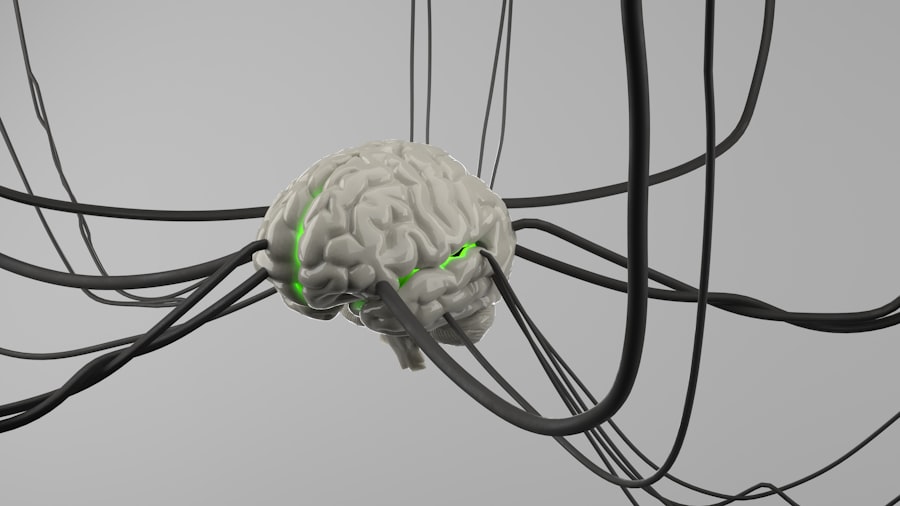
The intricate interplay of these components and their organized pathways allows for the incredible range of functions you experience every single moment. From the simplest reflex to the most complex cognitive tasks, neural pathways are at work.
Reflexes: The Automatic Responses
Reflexes are rapid, involuntary responses to stimuli that are mediated by simple neural pathways called reflex arcs. These pathways typically involve a sensory neuron, an interneuron (in some cases), and a motor neuron. They are designed for speed and protection, allowing you to react to danger before you even consciously perceive it. For example, touching a hot stove triggers a reflex that pulls your hand away before you even register the pain.
Sensory Perception: Interpreting the World
When you see, hear, smell, taste, or touch something, specialized sensory receptors convert that stimulus into electrical signals. These signals then travel along ascending neural pathways to different areas of your brain for interpretation. Your visual cortex processes information from your eyes, your auditory cortex from your ears, and so on. Complex pathways are involved in integrating this information to create a coherent perception of your surroundings.
Motor Control: Executing Actions
When you decide to move, your brain generates motor commands that travel down descending pathways to your muscles. These pathways are highly organized, allowing for precise control over individual muscles and coordinated movements. The cerebellum, for instance, plays a crucial role in coordinating movement and balance, while the motor cortex initiates voluntary movements.
Learning and Memory: Rewiring Your Brain
As mentioned, synaptic plasticity is the cornerstone of learning and memory. When you learn a new skill or information, specific neural pathways are activated and strengthened. Over time, these pathways become more efficient, allowing you to recall and utilize the learned information with ease. Different types of memory involve distinct neural circuits and mechanisms.
Understanding neural pathways is crucial for grasping how our brains process information and adapt to new experiences. For those interested in delving deeper into this fascinating topic, a related article can be found at Freaky Science, which explores the intricate connections between neurons and how they influence our behavior and learning. This resource provides valuable insights that complement the explanation of neural pathways and their significance in our daily lives.
The Future of Understanding Neural Pathways
| Neural Pathway | Description |
|---|---|
| Sensory Pathway | Transmits sensory information from the body to the brain |
| Motor Pathway | Transmits motor commands from the brain to the muscles |
| Association Pathway | Connects different areas of the brain and integrates sensory and motor information |
The study of neural pathways is a rapidly evolving field, with ongoing research continually unveiling new insights into the complexities of the brain. Advances in imaging techniques, computational neuroscience, and genetic engineering are pushing the boundaries of what we know.
Mapping the Connectome: The Grand Challenge
One of the most ambitious goals in neuroscience is to map the entire network of neural connections in the brain, known as the connectome. This would provide an unprecedented blueprint of your brain’s wiring diagram, allowing for a deeper understanding of how information flows and how disruptions in these pathways can lead to neurological disorders.
Neurological Disorders: When Pathways Go Awry
When neural pathways are damaged or dysfunctional, it can lead to a wide range of neurological disorders. Diseases like Alzheimer’s, Parkinson’s, epilepsy, and stroke are all characterized by disruptions in specific neural circuits. Understanding these pathways is crucial for developing effective treatments and potential cures.
Brain-Computer Interfaces: Bridging the Gap
The ongoing research into neural pathways is also paving the way for innovative technologies like brain-computer interfaces (BCIs). These technologies aim to directly connect your brain to external devices, allowing you to control computers, prosthetics, or even communication devices with your thoughts. This is a testament to the power and potential of understanding your neural wiring.
In essence, your neural pathways are the invisible infrastructure that underpins your every thought, feeling, and action. By understanding how these pathways are formed, how they transmit information, and how they adapt, you gain a profound appreciation for the incredible complexity and resilience of your own mind. Your brain is not a static organ but a dynamic, ever-changing landscape of interconnected neurons, constantly learning, adapting, and enabling you to navigate the world around you.

Why Paper Cuts Hurt (It’s Not What You Think)
FAQs
What are neural pathways?
Neural pathways are connections between neurons in the brain that allow for the transmission of signals and information. These pathways are responsible for various functions such as movement, sensation, and cognition.
How do neural pathways work?
Neural pathways work by transmitting electrical and chemical signals between neurons. When a neuron is activated, it sends a signal down its axon to the next neuron, and this process continues along the pathway until the signal reaches its destination.
What is the importance of neural pathways?
Neural pathways are crucial for the functioning of the nervous system and the brain. They allow for the coordination of movement, the processing of sensory information, and the regulation of emotions and behaviors.
How are neural pathways formed?
Neural pathways are formed through a process called synaptic plasticity, which involves the strengthening or weakening of connections between neurons in response to experience and learning. This process allows the brain to adapt and change over time.
Can neural pathways be altered or rewired?
Yes, neural pathways can be altered or rewired through a process known as neuroplasticity. This means that the connections between neurons can change in response to new experiences, learning, and rehabilitation after injury.