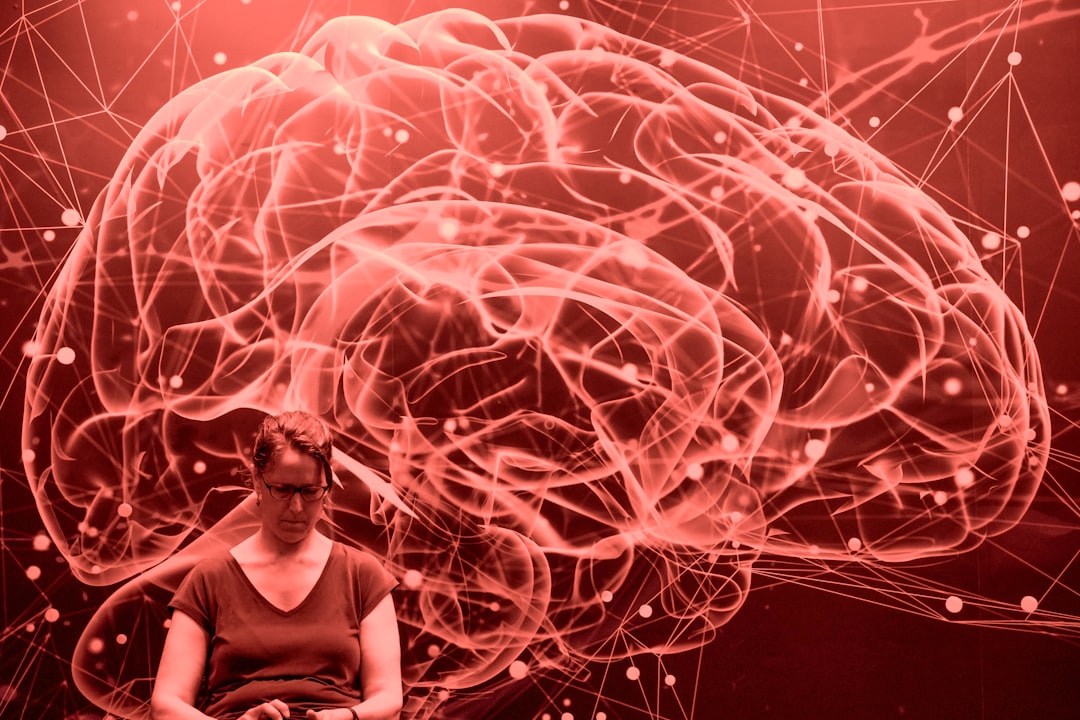
Your reality, the vibrant tapestry of sights, sounds, sensations, and emotions that comprises your lived existence, isn’t simply “out there” waiting to be passively absorbed. It’s something you actively construct, a masterpiece painted by the astonishing organ residing within your skull: your brain. You might think you’re experiencing the world directly, but the truth is far more intricate. Your brain is the ultimate interpreter, the master editor, and the creative director of your entire experiential universe. It’s not just a passive receiver of sensory data; it’s an active participant, constantly processing, filtering, prioritizing, and imbuing that data with meaning.
You perceive the world through your senses—sight, hearing, touch, taste, and smell. But these are not direct pipelines to objective truth. Instead, they are sophisticated biological sensors that convert external stimuli into electrochemical signals. These signals then embark on a complex journey to your brain, where the real work of perception begins.
Decoding Light: The Wonder of Vision
When light strikes your retinas, photoreceptor cells—rods and cones—transform photons into electrical impulses. These impulses travel along the optic nerve to your visual cortex, a densely packed region at the back of your brain. Here, the raw data is transformed. Your brain doesn’t just see pixels; it recognizes shapes, colors, textures, and movement. It fills in the blanks where your vision is incomplete, like the blind spot on your retina, a testament to its active interpretation.
From Pixels to Meaning: The Visual Cortex at Work
Within the visual cortex, specialized neurons are tuned to detect specific features. Some respond to lines, others to angles, and still others to motion. Through intricate networks, these elemental features are assembled into recognizable objects: a face, a tree, a street sign. Your brain is constantly predicting what you’re likely to see next, an evolutionary advantage that allows for rapid decision-making. This predictive processing means that your experience of seeing is not just about the light hitting your eyes now, but also about what your brain expects to see based on past experiences and the context of your surroundings.
The Symphony of Sound: Auditory Processing
Similarly, your ears capture sound waves, which are then translated into nerve impulses in the cochlea. These signals travel to your auditory cortex in the temporal lobe. Here, your brain distinguishes between different pitches, volumes, and timbres. It separates speech from background noise, recognizes melodies, and even identifies the emotional tone of a voice.
Listening Through the Noise: Attention and Auditory Filtering
You can tune out the hum of the refrigerator or the distant traffic, yet still pick out a friend’s voice in a crowded room. This remarkable ability is a function of your brain’s attentional mechanisms. It selectively prioritizes certain auditory signals while suppressing others, allowing you to focus on what’s important. Without this filtering, you’d be overwhelmed by a cacophony of noise.
The Tactile World: Feeling and Interpretation
Your sense of touch, mediated by a network of receptors in your skin, provides information about pressure, temperature, pain, and texture. This data is processed in your somatosensory cortex. It’s not just the physical sensation of touching something; your brain imbues it with qualitative meaning. The smooth coolness of polished stone feels different from the rough warmth of wood, even if the pressure applied is similar.
Pain and Pleasure: The Subjectivity of Sensation
The experience of pain is particularly illustrative of your brain’s role. While there are indeed physical stimuli that trigger pain receptors, the intensity and unpleasantness of the pain you feel are heavily modulated by your brain. Stress, anticipation, and past experiences can all amplify or dampen your perception of pain. Conversely, pleasurable sensations also undergo significant neural processing, shaping your emotional response to them.
Recent research has shed light on the intricate processes by which the brain creates our experiences, revealing the complex interplay between sensory input and cognitive interpretation. For a deeper understanding of this fascinating topic, you can explore the article on Freaky Science that discusses the mechanisms behind how our brain constructs reality. To read more, visit Freaky Science.
Memory: The Foundation of Your Present
Your brain doesn’t just process incoming sensory information in the moment; it archives and retrieves past experiences. Memory is not a static storage system but a dynamic process of encoding, consolidating, and recalling information. Every new experience is interpreted through the lens of your existing memories, shaping how you perceive and react to the world around you.
Encoding and Consolidation: Building Your Mental Archives
When you encounter something new, your brain begins the process of encoding it into memory. This involves transforming sensory input into a form that can be stored. Later, during sleep and periods of rest, your brain consolidates these memories, strengthening the neural connections that represent them. This is why sleep is so crucial for learning and memory formation.
The Fragility of Recall: When Memory Fails (and Why)
Memory is not always a perfect recording. Retrieval can be imperfect, and memories can be distorted or even fabricated. This is because your brain reconstructs memories each time you recall them, rather than simply accessing a pre-existing file. This reconstructive process can be influenced by your current emotional state, beliefs, and even suggestions from others.
The Influence of Past on Present: Priming and Associations
Your memories influence your present experience in subtle yet powerful ways. For instance, if you have a negative experience with a particular type of food, even just seeing it might trigger an unpleasant feeling, a phenomenon known as priming. Your brain forms associations between events, objects, and emotions, which can lead to automatic reactions and preferences without conscious thought.
Nostalgia and Anticipation: The Temporal Dance of Memory
Your brain’s capacity for memory allows you to experience nostalgia, a bittersweet longing for the past, and anticipation, the excitement or dread of future events. Both are deeply rooted in your brain’s ability to recall and project based on past experiences. The emotions you associate with past events can color your perception of similar present or future situations.
Emotion: The Color and Context of Experience
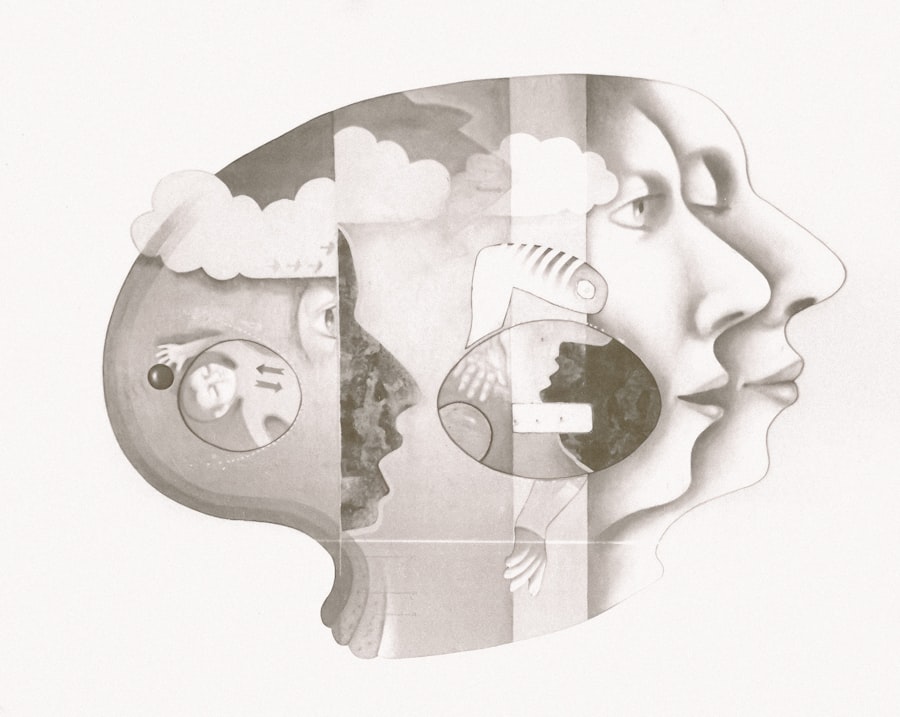
You don’t just see a red apple; you might feel pleasure or hunger. Your brain isn’t just processing visual data; it’s layering it with emotional significance. Emotions are not mere byproducts of experience; they are integral to how you understand and navigate the world.
The Limbic System: The Seat of Feeling
Key structures within your brain, particularly the amygdala and the hippocampus, form what is known as the limbic system. This network plays a crucial role in processing emotions like fear, pleasure, and anger. The amygdala, for instance, is a rapid alert system, triggering fear responses even before your conscious mind fully registers a threat.
Fear and Flight: The Brain’s Survival Instinct
Your brain’s ability to generate fear is a vital survival mechanism. In an instant, it can trigger a cascade of physiological responses—increased heart rate, adrenaline release—preparing you to fight or flee. This primal response, orchestrated by your brain, shapes your immediate experience of a threatening situation, often overriding rational thought.
The Interplay of Cognition and Emotion: How Thoughts Shape Feelings
It’s not a one-way street. Your thoughts and beliefs significantly influence your emotions. If you interpret a situation as negative, your brain will generate negative emotional responses. Conversely, reframing a situation can lead to a more positive emotional experience. This interplay highlights the brain’s dynamic and interconnected nature.
Joy and Awe: The Uplifting Experiences
Similarly, your brain’s reward pathways are activated by experiences that elicit joy and awe. These positive emotions are not just fleeting feelings; they can broaden your perspective, foster creativity, and strengthen social bonds. Your brain’s capacity for these positive emotions is as vital to your well-being as its ability to manage negative ones.
Attention: The Spotlight of Consciousness
You are bombarded with an overwhelming amount of sensory information every second. Yet, you only consciously perceive a fraction of it. This is where attention comes in. Your brain acts like a spotlight, selectively focusing on certain stimuli while filtering out the rest.
The Neurology of Focus: Selective Attention
Your brain has dedicated networks that enable selective attention. These networks help you to latch onto specific aspects of your environment, whether it’s the words of a lecturer, the face of a loved one, or a sudden loud noise. This allows you to filter out distractions and concentrate on what you deem important.
Top-Down vs. Bottom-Up Attention: Directing Your Focus
Your attention can be guided in two primary ways. Bottom-up attention is driven by external stimuli—a flashing light or a loud bang will grab your attention regardless of what you were doing. Top-down attention, on the other hand, is internally driven, guided by your goals, interests, and prior knowledge. You might deliberately focus on reading this article, even if there are other sounds around you.
Multitasking: A Myth of the Brain?
The idea of true multitasking is largely a misconception. Your brain doesn’t truly perform multiple tasks simultaneously; instead, it rapidly switches its attention between different tasks. This constant switching incurs a cognitive cost, often leading to decreased efficiency and increased errors. Understanding this limitation is crucial for managing your own cognitive resources.
The Cost of Distraction: How Divided Attention Impacts Experience
When your attention is divided, your experience of each task suffers. You are less likely to fully absorb information, make connections, or engage deeply with what you are doing. This can lead to frustration, reduced learning, and a general sense of being overwhelmed. Your brain’s capacity for attention, while remarkable, is a finite resource.
The intricate processes by which the brain creates experience are fascinating and complex, revealing how our perceptions shape our reality. For a deeper understanding of this topic, you can explore a related article that delves into the neural mechanisms behind our sensory experiences and how they influence our interactions with the world. To read more about this captivating subject, visit this article.
The Brain as a Predictive Machine: Shaping Expectations
| Aspect | Explanation |
|---|---|
| Neural Pathways | The brain creates experience through the formation of neural pathways, which are connections between neurons that are strengthened through repeated use. |
| Sensory Input | Experience is also created through the brain’s processing of sensory input, including information from the five senses: sight, hearing, touch, taste, and smell. |
| Memory | The brain relies on memory to create experience, drawing on past experiences and knowledge to interpret and make sense of current events. |
| Emotions | Emotions play a key role in shaping experience, as the brain processes and responds to emotional stimuli, influencing how experiences are perceived and remembered. |
| Consciousness | The brain’s complex network of neurons and synapses gives rise to consciousness, allowing for the subjective experience of the world and self-awareness. |
Perhaps one of the most profound ways your brain shapes your experience is through its relentless drive to predict the future. Based on your past experiences, your brain constantly generates hypotheses about what will happen next, and then uses incoming sensory information to confirm or revise these predictions.
Predictive Coding: The Brain’s Constant Guessing Game
The theory of predictive coding suggests that your brain is constantly sending “prediction signals” down from higher cortical areas to lower ones. These predictions are then compared to the actual incoming sensory data. If there’s a mismatch, called a “prediction error,” the brain updates its model of the world. This is a highly efficient way of processing information, as it only needs to pay attention to what’s unexpected.
The Illusion of the Present: How Predictions Create Our Reality
This predictive machinery means that the “present moment” you experience is not just a direct perception of reality. It’s a blend of incoming sensory data and your brain’s pre-existing expectations. If something aligns with your predictions, you might not even consciously register it. It’s the unexpected, the prediction error, that truly commands your attention and shapes your immediate experience.
The Power of Expectations: Beliefs and Perceptions
Your beliefs and expectations exert a powerful influence on your experiences. If you expect a social interaction to be negative, you are more likely to perceive subtle cues as hostile, even if they are not intended that way. This is the essence of the self-fulfilling prophecy, driven by your brain’s predictive power.
Placebo and Nocebo Effects: The Mind’s Influence on the Body
The placebo and nocebo effects are dramatic demonstrations of your brain’s predictive power. In the placebo effect, an inert substance can produce real physiological changes if you expect it to be beneficial. Conversely, the nocebo effect highlights how negative expectations can lead to adverse outcomes. Your brain, through its beliefs, is actively shaping your physical and mental well-being.
Learning and Adaptation: Refining Your Predictions
The beauty of your brain’s predictive nature lies in its ability to learn and adapt. With each prediction error, your brain refines its internal models, becoming more accurate in its future predictions. This ongoing process of learning and adaptation is fundamental to your capacity to navigate an ever-changing world and to construct a rich and meaningful experience of it. Your brain is not a static entity; it’s a constantly evolving system, shaped by every interaction, every thought, and every emotion, all contributing to the unique and individual tapestry of your lived reality. You are the architect of your own experience, and your brain is the tireless builder.

Why Paper Cuts Hurt (It’s Not What You Think)
FAQs
What is the role of the brain in creating experience?
The brain plays a crucial role in creating our experiences by processing sensory information, forming memories, and integrating various cognitive processes to construct our perception of the world around us.
How does the brain process sensory information to create experience?
The brain processes sensory information through specialized regions such as the visual cortex for processing visual stimuli, the auditory cortex for processing auditory stimuli, and so on. These regions work together to create a cohesive experience based on the incoming sensory data.
What role do memories play in shaping our experiences?
Memories play a significant role in shaping our experiences by influencing our perceptions, emotions, and decision-making processes. The brain retrieves and integrates past memories with current sensory input to create a coherent and meaningful experience.
How does the brain integrate various cognitive processes to create experience?
The brain integrates various cognitive processes such as attention, perception, language, and emotions to create a unified experience. These processes work together to interpret and make sense of the sensory information received by the brain.
Can the brain’s ability to create experience be influenced or altered?
Yes, the brain’s ability to create experience can be influenced or altered by factors such as emotions, attention, learning, and external stimuli. Additionally, certain neurological conditions or brain injuries can also impact the brain’s ability to create and process experiences.