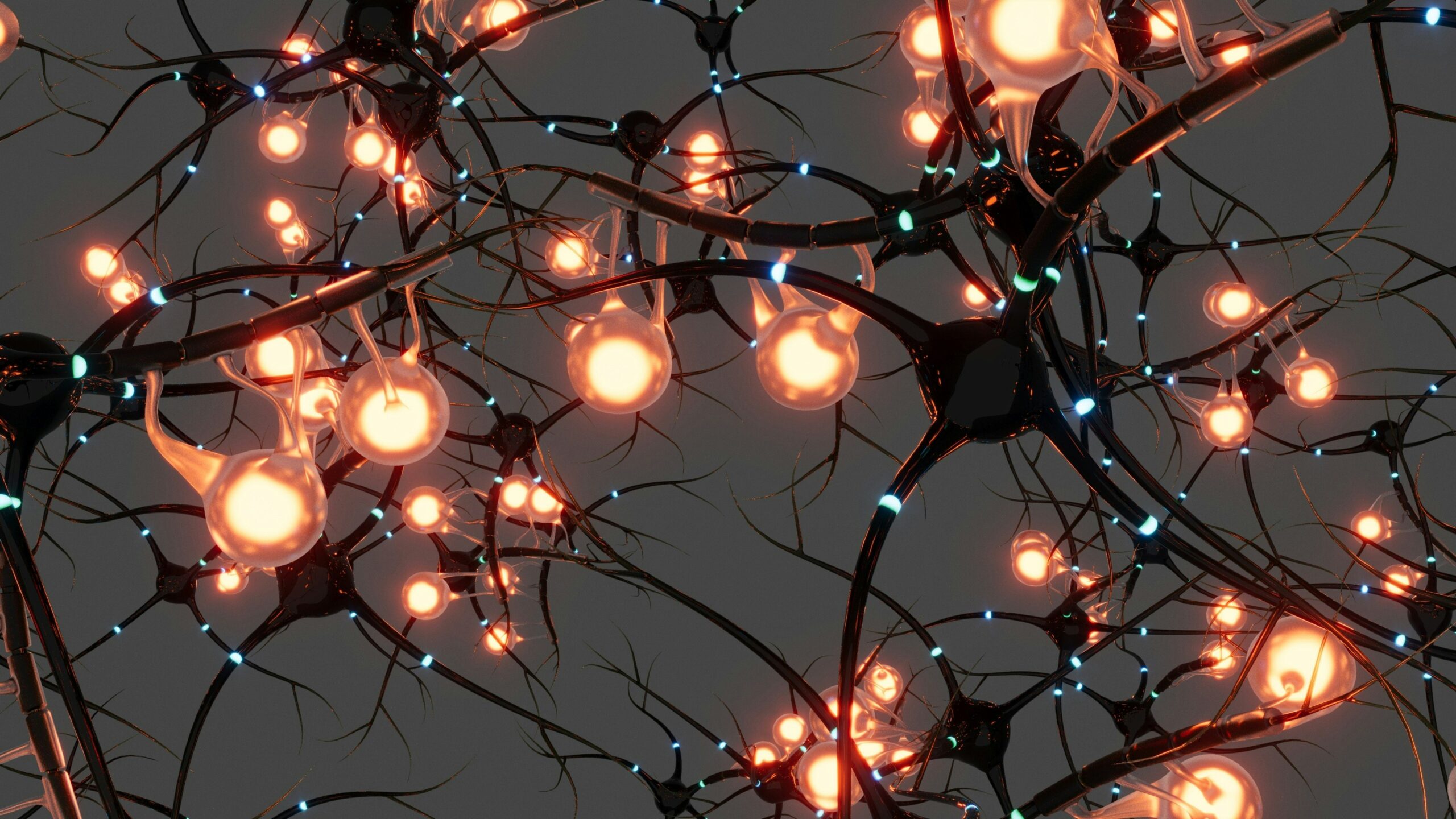
You possess a universe within. A sprawling, intricate network of billions of neurons, firing, connecting, and weaving the tapestry of your existence. This is your brain, the undisputed powerhouse of your being, and understanding its profound capabilities is not just an intellectual exercise – it’s fundamental to thriving. You might take it for granted, this organ that hums tirelessly beneath your scalp, processing an unimaginable amount of data every second. But delve deeper, and you’ll discover its extraordinary dominion over every facet of your life, from the mundane act of breathing to the loftiest of dreams.
Your brain is not merely an appendage; it is the sculptor of your very self. Every thought you’ve ever had, every memory you cherish, every emotion you’ve felt – all originate from the intricate dance of electrochemical signals within this remarkable organ. It’s the central processing unit that dictates who you are, how you perceive the world, and your unique place within it.
Crafting Your Consciousness
The enigmatic concept of consciousness, that feeling of ‘beingness,’ is a direct product of your brain. It’s the emergent property of countless neural interactions, a symphony of billions of tiny cells orchestrating a unified experience.
The Neural Basis of Awareness
While the exact mechanisms of consciousness remain one of science’s greatest mysteries, we know that specific brain regions and their interconnectedness play a crucial role. The cerebral cortex, with its vast neural networks, is particularly vital for higher-level cognitive functions that contribute to our awareness of ourselves and our surroundings. Think about it: the ability to reflect on your own thoughts, to understand that you are the one thinking, is a testament to your brain’s complex architecture.
The Role of Sensory Input
Your brain constantly receives and interprets signals from your senses – sight, sound, smell, taste, and touch. This constant influx of information is then woven into your conscious experience, shaping your reality. Without your brain’s ability to make sense of this data, the world would be a chaotic, meaningless jumble of stimuli.
The Architect of Your Memories
Your past is not a separate entity; it resides within the intricate neural pathways of your brain. Every lesson learned, every relationship nurtured, every embarrassing moment you’d rather forget – all are stored, categorized, and accessible, at least in theory.
Encoding and Retrieval of Experiences
Memory formation, or encoding, involves strengthening the connections between neurons. When you learn something new, specific neural pathways are activated and reinforced. Retrieval, on the other hand, is the process of accessing these stored memories, often triggered by cues or associations. The more you revisit a memory, the stronger its neural trace becomes. Consider how a familiar scent can instantly transport you back to a childhood afternoon. This isn’t magic; it’s your brain expertly recalling a sensory-linked memory.
The Emotional Resonance of Recollection
The emotional context of an event significantly impacts how well you remember it. Highly emotional experiences, whether positive or negative, tend to be more vividly etched into your memory. This is because the amygdala, the brain’s emotion center, is heavily involved in memory consolidation. This is why those moments of profound joy or deep sorrow often remain sharper and more accessible than mundane daily occurrences.
The Embodiment of Your Personality
Your personality – your unique patterns of thinking, feeling, and behaving – is profoundly shaped by the structure and function of your brain. Innate predispositions interact with environmental influences to create the individual that you are.
Genetic Predispositions and Neural Wiring
While environment plays a significant role, your genetic makeup influences the baseline wiring of your brain, influencing temperaments and propensities towards certain traits. This doesn’t mean you’re destined to be a certain way, but it provides a foundational blueprint.
Learning, Experience, and Neural Plasticity
Your brain is not a static entity. It’s remarkably adaptable, constantly rewiring itself in response to your experiences. This phenomenon, known as neuroplasticity, allows you to learn new skills, form new habits, and even recover from brain injuries. Every decision you make, every book you read, every conversation you have, influences the very structure of your brain, and in turn, shapes your personality over time.
Understanding the complexities of the brain is essential for appreciating its role in our daily lives and overall well-being. A related article that delves deeper into the significance of brain health can be found at Freaky Science. This resource explores various aspects of brain function, the impact of lifestyle choices on cognitive abilities, and the importance of mental health, highlighting why the brain truly matters in shaping our experiences and interactions.
The Engine of Your Abilities: What Your Brain Enables You to Do
Beyond defining who you are, your brain is the engine that powers everything you do. It’s the command center for your physical and mental actions, allowing you to navigate the world and interact with it in countless ways.
The Maestro of Movement
Every voluntary and involuntary movement you make, from a subtle twitch of your finger to a complex athletic maneuver, is orchestrated by your brain. It’s a marvel of coordination and precision.
Motor Cortex Control and Coordination
The motor cortex, located in the frontal lobe, is responsible for planning and executing voluntary movements. Signals are sent down to your muscles, telling them precisely when and how to contract.
Cerebellar Fine-Tuning and Balance
The cerebellum, a structure at the back of your brain, plays a crucial role in coordinating voluntary movements, ensuring they are smooth and balanced. It’s the fine-tuning mechanism that allows you to walk without stumbling or catch a thrown ball. Imagine the intricate choreography your brain performs every time you swing a hammer or dance to music.
The Master of Your Senses
Your senses are your windows to the world, and your brain is the interpreter that transforms raw sensory data into meaningful perceptions. Without your brain, light would be meaningless wavelengths, sound waves would be mere vibrations, and touch would be just pressure.
Visual Processing and Interpretation
The occipital lobe, at the back of your brain, is dedicated to processing visual information. It deciphers patterns, colors, and shapes, allowing you to recognize faces, read words, and navigate your environment.
Auditory Processing and Understanding Speech
The temporal lobe handles auditory processing, enabling you to hear and understand sounds, including the complexities of human language. It’s the reason why you can distinguish a melody from noise and comprehend the nuances of someone’s voice.
Olfactory, Gustatory, and Tactile Perception
Your brain also processes information from your olfactory (smell), gustatory (taste), and somatosensory (touch) systems, enriching your experience of the world and contributing to essential functions like identifying danger and enjoying pleasure.
The Creator of Thoughts and Ideas
The realm of abstract thought, creativity, and problem-solving is the brain’s most remarkable domain. It’s where ideas are born, theories are formulated, and innovations occur.
Executive Functions: Planning, Decision-Making, and Problem-Solving
The prefrontal cortex, the foremost part of your brain, is the seat of executive functions. This is where you plan your day, make important decisions, solve complex problems, and exercise self-control. It’s your internal CEO, managing your cognitive resources.
Creativity and Imagination
The capacity for imagination, for envisioning what doesn’t yet exist, is a uniquely human trait powered by your brain. It’s the source of art, music, literature, and scientific breakthroughs. Think of the countless moments of inspiration that have led to advancements throughout history – all originating from the creative sparks within human minds.
The Navigator of Your Emotions: How Your Brain Governs Your Feelings

Your emotional landscape, rich and varied as it is, is entirely a product of your brain. It’s the control center for your feelings, influencing your reactions, motivations, and overall well-being.
The Limbic System: The Emotional Core
The limbic system, a complex network of structures deep within your brain, is central to your emotional experiences. It’s where feelings like joy, fear, anger, and love are generated and regulated.
The Amygdala and Fear Response
The amygdala, a small almond-shaped structure, is particularly responsible for processing fear and threat detection. It triggers the ‘fight-or-flight’ response, preparing your body to react to perceived danger.
The Hippocampus and Emotional Memory
The hippocampus plays a vital role in forming new memories, and it’s closely linked to emotional experiences. It helps to attach emotional significance to events, making them more memorable.
The Hypothalamus and Physiological Arousal
The hypothalamus regulates many basic bodily functions, including hormone release, which significantly influences your emotional state and physiological responses, such as your heart rate and respiration.
The Influence of Emotions on Behavior
Your emotions are not merely passive experiences; they are powerful drivers of your behavior. They motivate you, guide your decisions, and influence your interactions with others.
Emotional Regulation and Well-being
The ability to regulate your emotions – to manage them effectively without being overwhelmed – is crucial for your mental health and overall well-being. This involves understanding your feelings, developing coping strategies, and adapting your emotional responses to different situations.
The Power of Empathy and Social Connection
Your brain’s capacity for empathy, for understanding and sharing the feelings of others, is fundamental to building meaningful relationships and fostering social connection. This allows you to connect with others on a deeper level and contribute to a more harmonious society.
The Adaptable Learner: How Your Brain Evolves Through Experience
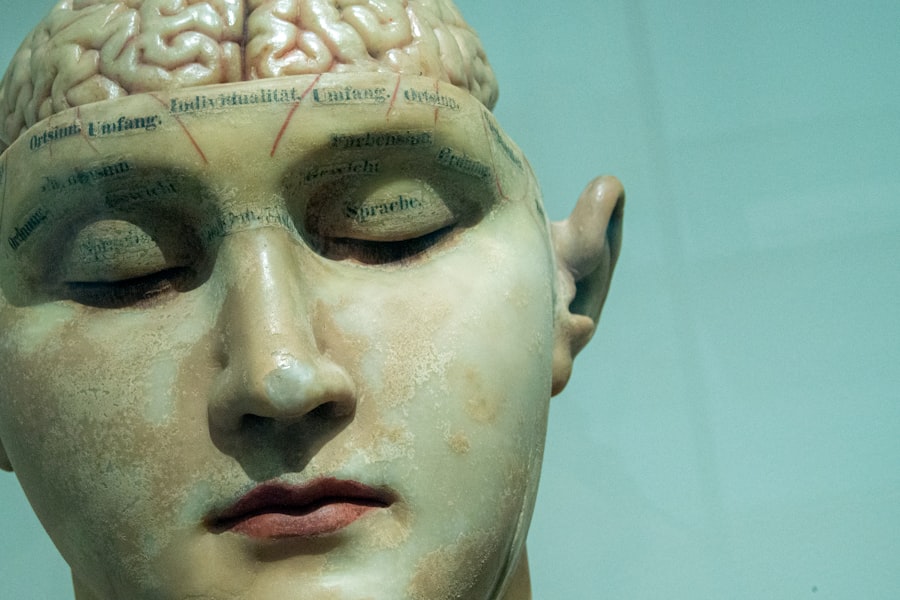
Your brain is not static; it’s a dynamic, adaptable organ that constantly learns and rewires itself. This remarkable capacity for change, known as neuroplasticity, is key to your ability to grow and thrive throughout your life.
The Constant Rewiring of Neural Pathways
Every new experience, every piece of information you absorb, subtly alters the connections between your neurons. This ongoing process of restructuring allows you to acquire new skills, adapt to new environments, and overcome challenges.
Synaptic Plasticity: The Basis of Learning
At the cellular level, neuroplasticity is driven by changes in the strength of synapses – the junctions between neurons. When neurons communicate frequently, the synaptic connections become stronger and more efficient, facilitating learning and memory.
Structural Plasticity: Remodeling the Brain
Beyond synaptic changes, your brain can also undergo structural alterations, such as the growth of new neurons (neurogenesis) in certain areas, or even changes in the size and density of different brain regions in response to sustained learning or practice. Think of a musician’s brain, where areas involved in auditory processing and fine motor control are often measurably larger and more interconnected.
The Lifelong Journey of Learning and Skill Acquisition
The concept of neuroplasticity underscores the fact that you are a lifelong learner. No matter your age, your brain retains the potential to acquire new knowledge and skills, challenging the notion that learning is confined to youth.
Acquiring New Languages and Hobbies
Whether you decide to learn a new language, master a musical instrument, or pick up a new sport, your brain is actively engaged in the process, forging new neural pathways and strengthening existing ones. The effort you dedicate to these pursuits directly impacts the physical changes within your brain.
Overcoming Challenges and Cognitive Rehabilitation
Neuroplasticity is also instrumental in recovery from brain injuries and in overcoming cognitive challenges. Through targeted therapies and persistent effort, individuals can retrain their brains to compensate for damaged areas and regain lost functions. This offers incredible hope and demonstrates the resilience of the human brain.
Understanding the significance of the brain is crucial for appreciating how it influences our daily lives and overall well-being. For those interested in delving deeper into this fascinating topic, a related article can be found at Freaky Science, which explores various aspects of brain function and its impact on behavior. By examining the complexities of the brain, we can better understand not only our own minds but also the intricate workings of human nature.
The Critical Importance: Why Understanding Your Brain Matters
| Reason | Importance |
|---|---|
| Processing Information | The brain is responsible for processing and interpreting information from the environment, allowing us to make decisions and take actions. |
| Memory | The brain stores and retrieves information, allowing us to learn, remember, and recall past experiences and knowledge. |
| Movement | The brain controls voluntary and involuntary movements, enabling us to interact with the world and perform daily activities. |
| Emotions | The brain regulates emotions and mood, influencing our behavior, relationships, and overall well-being. |
| Problem Solving | The brain enables us to analyze situations, solve problems, and adapt to new challenges, contributing to our survival and success. |
Recognizing the immense power and complexity of your brain is not an abstract intellectual pursuit; it has profound practical implications for your life. By understanding how your brain functions, you can make more informed choices, nurture your well-being, and unlock your full potential.
Enhancing Your Cognitive Performance
A deeper understanding of your brain can empower you to optimize its functions, leading to improved learning, memory, focus, and problem-solving abilities. This knowledge allows you to work with your brain, rather than against it.
Strategies for Improved Memory and Focus
Learning about attention span, memory consolidation techniques, and the impact of sleep on cognitive function can equip you with practical strategies to boost your mental acuity. Knowing, for instance, that spaced repetition is more effective than cramming can revolutionize your study habits.
The Role of Mindfulness and Meditation
Practices like mindfulness and meditation have been shown to physically alter brain structure and function, enhancing attention, emotional regulation, and stress reduction. These are not just feel-good activities; they are active interventions that can benefit your brain’s health.
Nurturing Your Mental and Physical Well-being
Your brain is intrinsically linked to your overall health. Understanding this connection empowers you to make lifestyle choices that support both cognitive and physical well-being.
The Impact of Sleep, Nutrition, and Exercise
You already know these are good for you, but understanding why from a neurobiological perspective is more powerful. Adequate sleep allows your brain to consolidate memories and clear out waste products. A balanced diet provides the essential nutrients your brain needs to function optimally. Regular exercise increases blood flow to the brain and promotes the release of growth factors that support neural health.
Recognizing and Managing Mental Health
With a greater understanding of brain function, you can better recognize the signs and symptoms of mental health conditions, which are often rooted in specific brain circuitry. This knowledge fosters empathy, reduces stigma, and encourages seeking appropriate help. Your brain is a biological organ, and like any other organ, it can experience illness and require treatment.
Unlocking Your Potential for Growth and Fulfillment
Ultimately, understanding the power of your brain is about empowering yourself. It’s about realizing that you have the capacity to learn, to adapt, to grow, and to create a life of purpose and fulfillment. Your brain is not a fixed entity; it’s a canvas upon which you can paint your aspirations.
Setting and Achieving Goals
By understanding how your brain learns and motivates, you can develop more effective strategies for setting and achieving your goals, whether they are personal, professional, or creative. This involves understanding the role of dopamine in reward pathways and the importance of breaking down large goals into smaller, manageable steps.
Cultivating a Growth Mindset
Embracing the principles of neuroplasticity naturally leads to a growth mindset – the belief that your abilities can be developed through dedication and hard work. This perspective is incredibly empowering, as it shifts your focus from innate talent to the potential for continuous improvement. Your brain is a testament to your potential, and understanding its power is the first step towards truly realizing it.

Why Paper Cuts Hurt (It’s Not What You Think)
FAQs
What is the importance of the brain?
The brain is the control center of the body, responsible for processing information, controlling movement, regulating bodily functions, and enabling thoughts and emotions.
How does the brain impact daily life?
The brain plays a crucial role in all aspects of daily life, including decision-making, problem-solving, memory, emotions, and physical coordination.
What are the consequences of brain injury or disease?
Brain injury or disease can lead to a range of consequences, including cognitive impairment, physical disability, emotional changes, and impact on overall quality of life.
How can individuals maintain brain health?
Maintaining brain health involves engaging in activities that stimulate the brain, such as exercise, healthy eating, social interaction, and continuous learning.
What are some common misconceptions about the brain?
Common misconceptions about the brain include the idea that individuals only use a small percentage of their brain, or that certain activities or products can significantly enhance brain function beyond its natural capacity.