Biology Made Simple: Understanding the Basics
You’ve always been told that biology is the study of life, but that definition, while true, feels a bit like saying a car is “a thing with wheels.” It’s not wrong, but it’s far from the whole story. Biology is a vast, intricate, and endlessly fascinating tapestry woven from the tiniest molecules to the grandest ecosystems. This isn’t a dry textbook chapter; this is your guide to unraveling that tapestry, making the fundamental concepts accessible, and empowering you to see the living world around you with new eyes. So, buckle up, because understanding the basics of biology is surprisingly within your grasp, and the journey promises to be both enlightening and, dare we say, a little bit amazing.
Imagine you’re looking at a magnificent cathedral. You can admire its grandeur, its intricate carvings, its soaring spires. But to truly understand how it stands, you need to consider the individual bricks, the mortar, the carefully placed stones. Biology works in a similar fashion. At its core, life is built from fundamental units, and understanding these units is your first crucial step.
The Chemical Foundation: Atoms and Molecules
Your entire existence, and the existence of every living thing you can see, touch, or imagine, is rooted in chemistry. Even the most complex organism is, at its most basic level, a collection of atoms.
Essential Elements: The Periodic Table’s Starring Roles
You might recall a colorful chart from your science classes – the periodic table. While it might seem daunting, for biology, you only need to focus on a few key players. The vast majority of living matter is composed of just four elements: carbon (C), hydrogen (H), oxygen (O), and nitrogen (N). These are often referred to as the “CHON” elements.
- Carbon: This element is the undisputed architect of life. Its unique ability to form stable bonds with itself and other elements allows for the creation of complex, long-chain molecules that are the backbone of all organic compounds. Think of it as the ultimate LEGO brick, capable of connecting in myriad ways.
- Hydrogen: Often bonded with carbon and oxygen, hydrogen plays a crucial role in energy transfer and the formation of water, the universal solvent essential for all life processes.
- Oxygen: You breathe it, a water molecule needs it, and it’s vital for cellular respiration – the process by which organisms get energy. Oxygen is a highly reactive element, making it indispensable for many biological reactions.
- Nitrogen: This element is a key component of amino acids, the building blocks of proteins, and nucleic acids, the molecules that carry genetic information. Without nitrogen, you wouldn’t have DNA or the enzymes that drive countless biological processes.
Beyond these giants, other elements like phosphorus (P) and sulfur (S) are also critical. Phosphorus is vital for energy storage and transfer within cells (think ATP!), and it’s a core component of DNA and cell membranes. Sulfur is found in certain amino acids, contributing to the unique shapes and functions of proteins.
Molecules of Life: The Giants of Biology
Once you have the elemental building blocks, they start to assemble into larger, more complex structures we call molecules. In biology, we focus on a few major classes of organic molecules, often called macromolecules, that are absolutely essential for life.
- Carbohydrates: These are your primary energy sources. They range from simple sugars like glucose (the immediate fuel for your cells) to complex polysaccharides like starch (how plants store energy) and glycogen (how animals store energy). You can think of them as readily available fuel.
- Lipids (Fats): These molecules are diverse and perform many functions. They are essential for long-term energy storage, form the basic structure of cell membranes (think of the lipid bilayer!), and act as hormones and signaling molecules. They’re like the energy reserves and building materials of the cell.
- Proteins: These are the workhorses of the cell. Made up of chains of amino acids, their functions are incredibly varied: enzymes that catalyze (speed up) biochemical reactions, structural components that provide support, antibodies that defend against disease, and much more. Proteins are the specialized tools that perform specific jobs.
- Nucleic Acids: These are the carriers of genetic information. The two main types are DNA (deoxyribonucleic acid) and RNA (ribonucleic acid). DNA stores the blueprint for life, passed down from generation to generation, while RNA plays various roles in protein synthesis and gene regulation. These are the instruction manuals.
The Cell: The Fundamental Unit of Life
If molecules are like the bricks and mortar of a building, then the cell is the smallest functional unit that can be considered “alive.” Every living organism, from a single-celled bacterium to a towering redwood tree and you, is made up of cells.
Unveiling the Prokaryotic vs. Eukaryotic Divide
Cells aren’t all built the same. Biologists broadly categorize them into two major types: prokaryotic and eukaryotic. This is a fundamental distinction that helps us understand the diversity of life.
- Prokaryotic Cells: These are the simpler, more ancient cell types. Think bacteria and archaea. They lack a true nucleus, meaning their genetic material (DNA) is free-floating in the cytoplasm. They also lack most membrane-bound organelles. They are like a studio apartment – everything is in one main room.
- Eukaryotic Cells: These are the more complex cells found in plants, animals, fungi, and protists. They possess a true nucleus, a membrane-bound sac that houses the cell’s DNA. Eukaryotic cells also have numerous specialized, membrane-bound compartments called organelles, each with a specific function. Think of them as a house with many rooms, each dedicated to a particular task.
The Inner Workings: Organelles of the Eukaryotic Cell
Since eukaryotic cells are so prevalent, understanding their internal structure is key. Each organelle plays a vital role in maintaining the life of the cell.
- Nucleus: This is the command center. It contains the cell’s DNA, organized into chromosomes, and controls gene expression and replication.
- Mitochondria: Often called the “powerhouses” of the cell, these organelles are responsible for cellular respiration, the process of converting glucose and oxygen into ATP (adenosine triphosphate), the cell’s main energy currency.
- Endoplasmic Reticulum (ER): This is a network of membranes involved in protein and lipid synthesis. The rough ER, studded with ribosomes, is involved in protein modification and transport, while the smooth ER is involved in lipid synthesis, detoxification, and calcium storage.
- Golgi Apparatus: This organelle modifies, sorts, and packages proteins and lipids for secretion or delivery to other organelles. Think of it as the cell’s post office.
- Lysosomes: These are the cell’s recycling centers. They contain digestive enzymes that break down waste materials, cellular debris, and foreign invaders.
- Ribosomes: These are responsible for protein synthesis. They can be found floating freely in the cytoplasm or attached to the rough ER.
- Cell Membrane: This selectively permeable barrier encloses the cell, regulating the passage of substances in and out. It’s like the security guard of the cell, deciding who gets in and who doesn’t.
- Cytoplasm: This is the jelly-like substance that fills the cell and surrounds the organelles. It’s the internal environment where many cellular reactions take place.
For plant cells, you’ll find a few extra specializations:
- Cell Wall: A rigid outer layer that provides structural support and protection to plant cells.
- Chloroplasts: These are the sites of photosynthesis, where light energy is converted into chemical energy in the form of glucose. This is how plants make their own food.
- Vacuoles: Large, fluid-filled sacs that store water, nutrients, and waste products, and help maintain turgor pressure in plant cells.
If you’re looking for a straightforward explanation of complex biological concepts, you might find this article helpful: Biology Explained Simply. It breaks down various topics in biology into easy-to-understand language, making it accessible for readers of all backgrounds. Whether you’re a student trying to grasp the basics or simply curious about the wonders of life, this resource offers valuable insights without overwhelming jargon.
The Machinery of Life: How Cells Work and Interact
Understanding the basic components is just the beginning. Now, let’s delve into the dynamic processes that make cells come alive and how they interact to form complex organisms.
Energy Flow: The Fuel for Life
Life, as you know it, is a constant process of energy transformation. From the sun providing energy for plants to the food you eat fueling your own body, energy is the driving force behind all biological activity.
Photosynthesis: Nature’s Solar Panels
Plants, algae, and some bacteria have a remarkable ability to harness light energy from the sun and convert it into chemical energy. This process, known as photosynthesis, is the foundation of most food chains on Earth.
- Inputs and Outputs: The primary ingredients for photosynthesis are carbon dioxide (CO2) from the atmosphere, water (H2O) absorbed from the soil, and light energy. The outputs are glucose (C6H12O6), a sugar molecule that stores energy, and oxygen (O2), which is released back into the atmosphere.
- The Role of Chlorophyll: This green pigment, found within chloroplasts, is crucial for capturing light energy. It absorbs light most strongly in the blue and red portions of the spectrum, reflecting green light, which is why plants appear green.
Cellular Respiration: Releasing Stored Energy
While photosynthesis captures energy, cellular respiration releases it. This process occurs in the mitochondria of most eukaryotic cells and is how organisms break down glucose to produce ATP, the cell’s energy currency.
- Aerobic Respiration: This is the most efficient form, requiring oxygen. It involves a series of complex biochemical reactions that ultimately yield a large amount of ATP.
- Anaerobic Respiration: In the absence of oxygen, some organisms can still produce ATP through fermentation, though it’s far less efficient than aerobic respiration.
The Flow of Information: DNA, Genes, and Proteins
Life’s incredible diversity and complexity are a testament to the precise flow of genetic information. It’s a sophisticated system that ensures traits are passed down and that the right proteins are made at the right time.
DNA: The Blueprint of Life
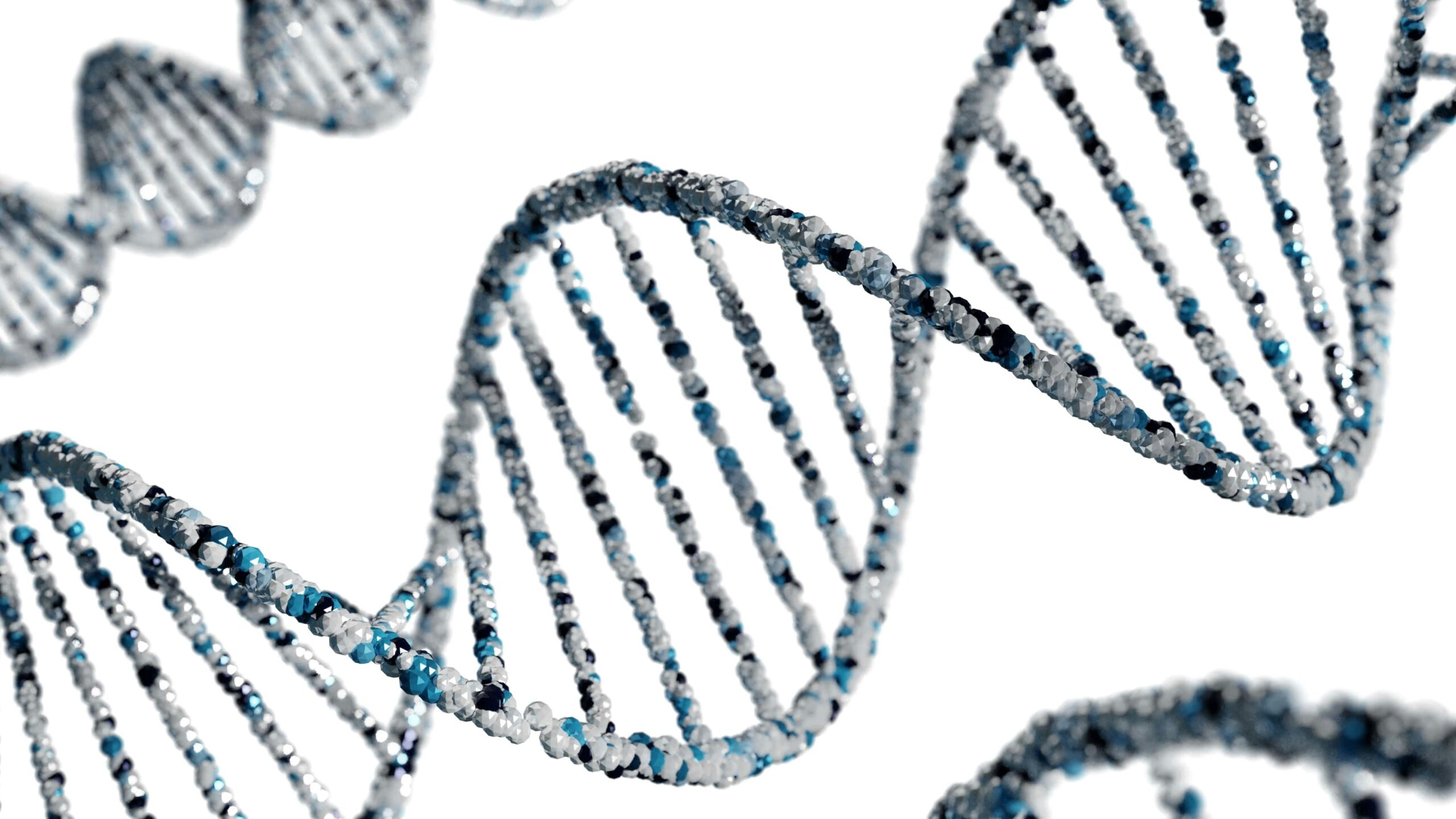
Deoxyribonucleic acid, or DNA, is the molecule that carries the genetic instructions for the development, functioning, growth, and reproduction of all known organisms and many viruses. It’s a double helix structure, resembling a twisted ladder, with each “rung” made up of pairs of molecules called nucleotides.
- The Genetic Code: The sequence of these nucleotides (Adenine-A, Thymine-T, Guanine-G, Cytosine-C) spells out the genetic code. This code determines the sequence of amino acids in proteins.
- Replication: Before a cell divides, it must accurately copy its DNA, a process called replication, ensuring that each daughter cell receives a complete set of genetic instructions.
Genes: The Units of Heredity
A gene is a specific segment of DNA that contains the instructions for building a particular protein or a functional RNA molecule. Genes are the fundamental units of heredity, passed from parents to offspring.
Transcription and Translation: From DNA to Protein
The journey from a gene to a functional protein involves two key processes: transcription and translation.
- Transcription: In this initial step, the information encoded in a gene on the DNA is copied into a messenger RNA (mRNA) molecule. Think of it as making a working copy of a specific blueprint.
- Translation: The mRNA molecule then travels out of the nucleus to the ribosomes, where its code is “read” to assemble a chain of amino acids. This process, guided by the mRNA sequence, dictates the precise order of amino acids, forming a specific protein. This is like using the working copy to construct the actual component.
The Diversity of Life: From Microbes to Mammals

Once you understand the fundamental building blocks and mechanisms of life, you can begin to appreciate the breathtaking diversity of organisms that inhabit our planet. Biology strives to understand and classify this vast array of life forms.
Classification: Organizing the Living World
To make sense of the millions of different species, scientists have developed a hierarchical system of classification, known as taxonomy. This system groups organisms based on shared characteristics, from broad categories to very specific ones.
The Linnaean System: Kingdom to Species
The most widely used system, pioneered by Carl Linnaeus, arranges life into a series of nested ranks:
- Domain: The highest level, with three domains recognized: Bacteria, Archaea, and Eukarya.
- Kingdom: A major division within a domain (e.g., Animalia, Plantae, Fungi within Eukarya).
- Phylum: A group of closely related classes.
- Class: A group of closely related orders.
- Order: A group of closely related families.
- Family: A group of closely related genera.
- Genus: A group of closely related species.
- Species: The most specific rank, representing a group of organisms that can interbreed and produce fertile offspring.
The Three Domains: A Modern Perspective
Modern classification recognizes three domains of life, reflecting fundamental differences in cellular structure and evolutionary history:
- Bacteria: Single-celled prokaryotic organisms, diverse and found in almost every environment.
- Archaea: Single-celled prokaryotic organisms that often live in extreme environments, like hot springs or deep-sea vents. They are genetically distinct from bacteria.
- Eukarya: Organisms with eukaryotic cells, including plants, animals, fungi, and protists.
Major Groups of Life: A Glimpse into Diversity
Within the Eukarya domain, we encounter the familiar kingdoms that make up the bulk of visible life:
- Plants (Plantae): Multicellular organisms that produce their own food through photosynthesis. From tiny mosses to giant sequoias, they are the producers at the base of most ecosystems.
- Animals (Animalia): Multicellular, eukaryotic organisms that are heterotrophic (they obtain nutrients by consuming other organisms). This kingdom encompasses an incredible range of diversity, from insects to fish to mammals.
- Fungi: Eukaryotic organisms that are typically heterotrophic and obtain nutrients by absorption. This group includes yeasts, molds, and mushrooms.
- Protists: A diverse group of eukaryotic organisms that don’t fit neatly into the other kingdoms. They can be unicellular or multicellular and include algae, protozoa, and slime molds.
Life in Action: Ecology and Evolution
Biology doesn’t stop at cataloging organisms; it explores how they interact with each other and their environment, and how they change and adapt over vast stretches of time.
Ecology: The Study of Interactions
Ecology is the branch of biology that deals with the relations of organisms to one another and to their physical surroundings. It’s about understanding the intricate web of life.
Ecosystems: Living and Non-Living Together
An ecosystem is a community of living organisms (biotic factors) interacting with each other and their physical environment (abiotic factors). This includes everything from a small pond to a vast rainforest.
- Biotic Factors: These are the living components of an ecosystem, such as plants, animals, fungi, and bacteria.
- Abiotic Factors: These are the non-living components, such as sunlight, temperature, water, soil, and air.
Food Chains and Food Webs: Energy Flow in Action
Understanding how energy flows through an ecosystem is central to ecology.
- Producers: Organisms that make their own food, usually through photosynthesis (e.g., plants).
- Primary Consumers: Herbivores that eat producers.
- Secondary Consumers: Carnivores or omnivores that eat primary consumers.
- Tertiary Consumers: Carnivores or omnivores that eat secondary consumers.
- Decomposers: Organisms like bacteria and fungi that break down dead organic matter, returning nutrients to the ecosystem.
Food webs are more complex representations, showing the interconnectedness of multiple food chains.
Evolution: The Engine of Change
Evolution is the process by which populations of organisms change over generations. It’s the unifying theory that explains the diversity of life and the remarkable adaptations we see in the natural world.
Natural Selection: The Driving Force
The primary mechanism of evolution is natural selection, a concept famously articulated by Charles Darwin.
- Variation: Within any population, individuals exhibit variations in their traits.
- Inheritance: These traits are heritable, meaning they can be passed down to offspring.
- Differential Survival and Reproduction: Individuals with traits that are better suited to their environment are more likely to survive and reproduce, passing on those advantageous traits to their offspring.
- Gradual Change: Over time, this process leads to a gradual accumulation of advantageous traits in a population, driving evolutionary change.
Adaptation: Fitting into the Environment
Adaptations are traits that have evolved through natural selection and help an organism survive and reproduce in its specific environment. This could be anything from the camouflage of a chameleon to the long neck of a giraffe or the ability of a desert plant to store water.
If you’re looking for a straightforward explanation of complex biological concepts, you might find this article on the basics of genetics particularly helpful. It breaks down the essential elements of DNA and heredity in a way that is easy to grasp. You can read more about it in this related article, which simplifies the intricate details of biology for everyone.
Your Place in the Biological World: Putting It All Together
| Topic | Explanation |
|---|---|
| Cell Structure | The basic unit of life, containing organelles such as the nucleus and mitochondria. |
| DNA | The genetic material that carries instructions for the development, functioning, growth, and reproduction of all known organisms. |
| Photosynthesis | The process by which green plants and some other organisms use sunlight to synthesize foods with the help of chlorophyll. |
| Evolution | The process by which different kinds of living organisms are thought to have developed and diversified from earlier forms during the history of the earth. |
So, you’ve journeyed from atoms to cells, from energy flow to genetic blueprints, and from the vast diversity of life to the grand forces of evolution. What does this all mean for you? It means you are a product of these fundamental principles.
Human Biology: A Special Focus
As a human, your own biology is a complex and intricate system. Understanding the basics of cells, molecules, and processes applies directly to how your body functions.
Systems and Organs: Your Body’s Workings
Your body is organized into organ systems, each with specific functions that work together to keep you alive and healthy.
- Nervous System: Controls and coordinates body activities.
- Circulatory System: Transports oxygen, nutrients, and waste products.
- Digestive System: Breaks down food for energy and nutrients.
- Respiratory System: Facilitates gas exchange (oxygen in, carbon dioxide out).
- Musculoskeletal System: Provides support, movement, and protection.
- Immune System: Defends against disease.
Understanding these systems allows you to better grasp concepts like health, disease, and the impact of lifestyle choices.
The Importance of Biology in Your Life
Biology isn’t just an academic discipline; it’s woven into the fabric of your everyday life.
- Health and Medicine: Understanding biological principles is crucial for developing treatments for diseases, understanding nutrition, and maintaining personal health.
- Environment: The health and sustainability of our planet depend on our understanding of ecosystems, biodiversity, and environmental challenges.
- Agriculture and Food Production: Biology plays a vital role in developing crops, raising livestock, and ensuring a stable food supply.
- Technology: Advances in biotechnology and genetic engineering are transforming fields from medicine to industry.
Continuing Your Biological Journey
This article has provided a foundational glimpse into the vast world of biology. The beauty of this science is that there’s always more to discover. Whether you’re curious about the tiniest microbes or the grand sweep of evolution, the journey into understanding life is both rewarding and essential. So, keep asking questions, keep exploring, and let the wonder of biology enrich your understanding of yourself and the incredible world you inhabit.

Why Paper Cuts Hurt (It’s Not What You Think)
FAQs
What is biology?
Biology is the scientific study of living organisms and their interactions with each other and their environments. It encompasses a wide range of topics, including genetics, evolution, ecology, and physiology.
What are the main branches of biology?
The main branches of biology include botany (the study of plants), zoology (the study of animals), microbiology (the study of microorganisms), genetics (the study of heredity), and ecology (the study of interactions between organisms and their environments).
How do living organisms reproduce?
Living organisms reproduce through a variety of methods, including sexual reproduction (involving the combination of genetic material from two parents) and asexual reproduction (involving the production of offspring from a single parent).
What is the role of DNA in biology?
DNA, or deoxyribonucleic acid, is the molecule that carries the genetic instructions for the development, functioning, growth, and reproduction of all known living organisms. It is the basis for heredity and plays a crucial role in the study of genetics.
How does biology impact everyday life?
Biology impacts everyday life in numerous ways, including the development of medical treatments, the production of food and other resources, the understanding of environmental issues, and the conservation of biodiversity.