You’ve always been intrigued by the human body, haven’t you? The way it functions, the intricate dance of cells, the baffling resilience in the face of disease. Yet, understanding the deepest workings of medicine can feel like navigating a labyrinth. That’s precisely where “Unlocking the Mysteries of Medical Science: A Documentary” steps in. This compelling film isn’t just a series of facts; it’s an immersive journey, designed to peel back the layers of complexity and illuminate the incredible advancements that are revolutionizing healthcare as you know it. Prepare to be educated, astonished, and perhaps even inspired.
Your understanding of medicine likely began with basic biology. You learned about the heart pumping blood, the lungs taking in oxygen, the brain’s complex network. But this documentary takes you back much further, exploring the very foundations of medical thought. It’s a captivating narrative of how humanity’s quest to understand and heal has evolved over millennia. You’ll witness the shift from ancient beliefs, like the humoral theory, which posited that health depended on a balance of four bodily fluids, to the rigorous scientific inquiry that defines modern medicine.
The Bedrock of Observation: Early Anatomists and Pathologists
Imagine a world where the human body was a complete enigma, shrouded in superstition. This section of the documentary introduces you to the pioneers who dared to look inside. You’ll appreciate the painstaking work of early anatomists, often working in secret, who meticulously dissected and documented the structures that form your physical being. Think of Vesalius, whose detailed anatomical drawings became the cornerstone of medical education for centuries. You’ll then delve into the era of pathology, where understanding disease moved beyond mere observation of symptoms to identifying the underlying physical changes within the body. The documentary likely showcases how figures like Virchow, considered the father of modern pathology, laid the groundwork for understanding illness at a cellular level, a revelation that would change the trajectory of medicine forever. You’ll see how these early explorations, though rudimentary by today’s standards, were monumental leaps of faith and intellect, driven by an unwavering commitment to uncovering the truth about the human body.
The Age of Microbes: Unveiling the Invisible World
This is where the story takes a dramatically microscopic turn. You’ll be introduced to the groundbreaking work of scientists like Pasteur and Koch, who proved that the unseen world of microorganisms was responsible for a vast number of diseases. The documentary will likely utilize compelling visuals to illustrate the pathogenic power of bacteria and viruses, making you acutely aware of the battles your immune system fights on a daily basis. You’ll learn about the development of germ theory, a concept that fundamentally altered public health and sanitation, leading to dramatic reductions in mortality rates from infectious diseases. Witnessing the scientific process in action, from isolating a specific pathogen to developing methods of prevention and treatment, will give you a newfound respect for the scientific method and its ability to conquer seemingly insurmountable challenges. This segment isn’t just about historical figures; it’s about understanding the constant warfare waged between humanity and microscopic adversaries and how science has armed us in this ongoing struggle.
The Dawn of Modern Pharmacology: From Aspirin to Antibiotics
Following the discovery of the causes of many diseases, the focus shifts to the development of tangible solutions. You’ll be taken on a journey through the history of pharmacology, from the serendipitous discovery of aspirin from willow bark to the revolutionary impact of antibiotics. The documentary will likely highlight the key figures and breakthroughs that led to the creation of drugs that have saved countless lives. You’ll understand the intricate process of drug discovery, the rigorous testing involved, and the ethical considerations that guide pharmaceutical development. This section will also explore the concept of targeted therapy, where treatments are designed to attack specific molecular pathways involved in disease, a far cry from the often blunt instruments available in earlier medical eras. You might even see how the understanding of chemical interactions within the body paved the way for the development of everything from pain relievers to life-saving treatments for previously incurable conditions.
For those interested in the fascinating intersection of medical science and documentary filmmaking, a related article can be found at Freaky Science. This resource offers insightful perspectives on the latest advancements in medical research, as well as engaging narratives that highlight the human stories behind scientific breakthroughs. Exploring such articles can deepen your understanding of how documentaries can effectively communicate complex medical topics to a broader audience.
The Cellular Frontier: Understanding Life at Its Smallest
The microscopic world continues to fascinate as the documentary delves deeper into the building blocks of life itself: cells. You’ll discover that much of modern medical advancement hinges on understanding cellular function, malfunction, and the intricate communication networks that govern them. This section of the film will transform your perception of your own body from a collection of organs to a dynamic, bustling city of trillions of individual units, each with its own vital role.
The Genetic Blueprint: Decoding the Genome
This is where you’ll truly grasp the power of heredity. The documentary will illuminate the monumental achievement of mapping the human genome – essentially unlocking the instruction manual for your entire being. You’ll learn how DNA, the double helix molecule, carries the genetic information that determines everything from your eye color to your susceptibility to certain diseases. You’ll witness the scientific race to sequence the genome and understand the profound implications of this achievement for diagnosing and treating genetic disorders. Imagine comprehending the very code that makes you, you. This section will likely explain how genetic predispositions are identified, allowing for personalized risk assessments and preventative strategies. You’ll see how breakthroughs in gene sequencing are leading to a deeper understanding of inherited diseases and the development of gene therapies.
The Molecular Machinery: Mechanisms of Disease
Understanding the genome is just the beginning. This part of the film will guide you through the complex molecular mechanisms that underpin health and disease. You’ll learn about proteins, enzymes, and signaling pathways that orchestrate everything from muscle contraction to immune responses. When these molecular machines go awry, disease can manifest. The documentary will likely use sophisticated animations to illustrate how specific molecular malfunctions lead to conditions like cancer, Alzheimer’s, or autoimmune disorders. You’ll gain an appreciation for the targeted therapies that are now being developed to correct these molecular errors, offering hope for conditions previously considered untreatable. This section will likely delve into the concept of epigenetics, explaining how environmental factors can influence gene expression without altering the underlying DNA sequence, adding another layer of complexity and potential for intervention.
Stem Cells: The Body’s Master Builders
Prepare to be amazed by the potential of stem cells. This section will introduce you to these remarkable cells that have the unique ability to develop into many different cell types. You’ll learn about embryonic stem cells and adult stem cells, and the ethical debates surrounding their use. The documentary will showcase the groundbreaking research into regenerative medicine, where stem cells are being used to repair damaged tissues and organs. Imagine the possibility of regrowing nerve cells to treat spinal cord injuries or generating new heart muscle cells to restore function after a heart attack. This segment will provide a glimpse into a future where the body’s own regenerative capabilities are harnessed for healing, offering a paradigm shift in how we approach chronic and degenerative diseases. You’ll likely explore the latest advancements in induced pluripotent stem cells (iPSCs), a technology that allows scientists to reprogram adult cells back into a stem cell-like state, offering a less ethically contentious pathway for research and potential therapies.
The Cutting Edge: Revolutionizing Diagnostics and Treatment
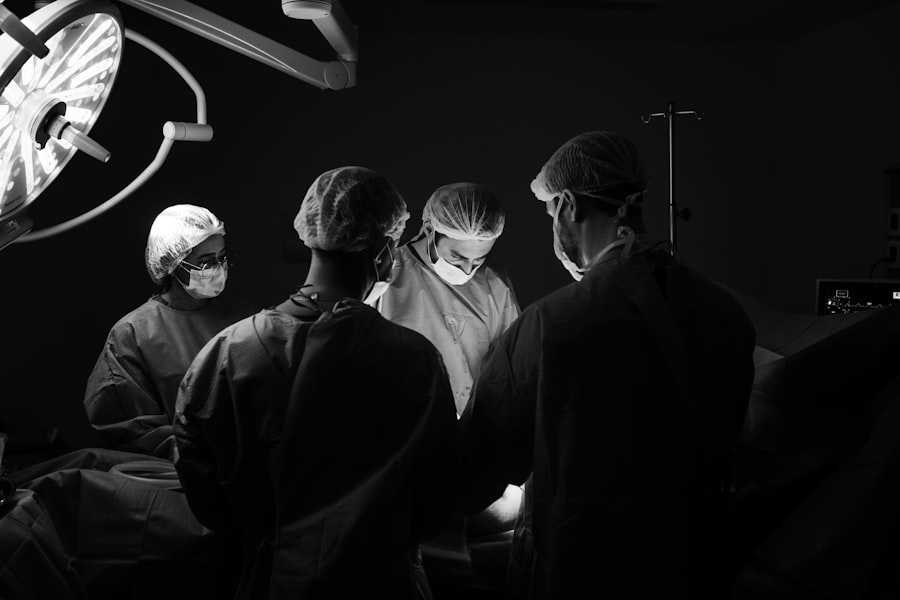
Gone are the days of relying solely on physical examinations and educated guesses. Medical science is now equipped with an arsenal of sophisticated tools and techniques that are transforming how diseases are detected and treated, often with astonishing precision. This section of the documentary will showcase the ingenuity and technological prowess driving these advancements, offering you a look at the future of healthcare.
Imaging the Invisible: MRI, CT Scans, and Beyond
You’ve probably had an X-ray, but the documentary will take you far beyond. You’ll witness the incredible power of advanced imaging technologies like Magnetic Resonance Imaging (MRI), Computed Tomography (CT) scans, and Positron Emission Tomography (PET) scans. These non-invasive techniques allow doctors to peer inside the body with unprecedented detail, visualizing soft tissues, blood vessels, and even metabolic activity. You’ll understand how these technologies have revolutionized the diagnosis of everything from tumors to subtle brain abnormalities, enabling earlier intervention and more effective treatment planning. The documentary might even touch upon developing imaging techniques, like functional MRI (fMRI), that can track brain activity in real-time, offering insights into neurological processes and disorders. You’ll gain an appreciation for the physics and engineering behind these machines, understanding how magnetic fields, radiation, and radio waves are harnessed to create detailed anatomical and functional maps of the body.
minimally Invasive Surgery: Precision Without the Scalpel
The concept of surgery has been dramatically reimagined. This segment will introduce you to the world of minimally invasive surgery, where complex procedures are performed through tiny incisions using specialized instruments and cameras. You’ll witness the benefits firsthand: reduced pain, faster recovery times, and decreased risk of infection. This is where you’ll see robotic surgery in action, with surgeons controlling sophisticated robotic arms to perform intricate maneuvers with incredible dexterity. The documentary might showcase procedures like laparoscopic surgery for abdominal issues or electrophysiology studies for heart conditions, demonstrating how technology is enhancing surgical precision and patient outcomes. You will understand how these advancements are not only improving patient care but also allowing for more complex surgeries to be performed safely and efficiently, pushing the boundaries of what is surgically possible.
Targeted Therapies: Precision Medicine in Action
This is where the promise of personalized healthcare truly shines. You’ll learn about targeted therapies, treatments designed to attack specific molecular abnormalities in diseases, particularly cancer. Instead of the broad-stroke approach of traditional chemotherapy, these therapies are like guided missiles, hitting only the cancer cells while sparing healthy ones. The documentary will likely showcase examples of drugs that target specific genetic mutations or proteins found on cancer cells, leading to more effective treatments with fewer side effects. You’ll witness the impact of these personalized approaches on patient survival rates and quality of life, ushering in an era where treatments are tailored to the individual’s unique biological makeup. This section will likely highlight the importance of genetic testing and molecular profiling in guiding treatment decisions, transforming the practice of medicine into a more individualized and scientific endeavor.
The Future of Healing: Where We’re Headed Next

The journey doesn’t end with current discoveries; it propels you forward, looking at the horizon of medical innovation. This part of the documentary will ignite your imagination, exploring the boldest and most ambitious frontiers of medical science. You’ll likely leave with a sense of optimism about the potential for further breakthroughs and a deeper understanding of the ongoing quest for better health.
Artificial Intelligence in Medicine: A Powerful New Ally
Prepare to be impressed by the role of artificial intelligence (AI) in revolutionizing healthcare. The documentary will likely explore how AI is being used to analyze vast amounts of medical data, identify patterns, and assist in diagnosis and treatment planning. Imagine AI algorithms that can detect subtle signs of disease in medical images that a human eye might miss, or AI-powered systems that can predict patient outcomes and personalize treatment regimens. You’ll see how AI is accelerating drug discovery, improving the efficiency of clinical trials, and even assisting in surgical procedures. This section will offer a compelling look at how the synergy between human intelligence and artificial intelligence is poised to create a more efficient, accurate, and accessible healthcare system for all. You’ll understand that AI isn’t about replacing doctors, but rather augmenting their abilities and providing them with unprecedented analytical power.
Nanotechnology: Medicine at the Atomic Level
The world of the incredibly small holds immense promise for medicine. This segment will introduce you to nanotechnology, the science of manipulating matter at the atomic and molecular scale. You’ll discover how nanoparticles are being engineered for targeted drug delivery, allowing medications to be precisely delivered to diseased cells, minimizing side effects. Imagine tiny robots that can patrol your bloodstream, identify cancerous cells, and deliver treatment directly to them. The documentary might explore the use of nanomachines in diagnostics, allowing for the detection of diseases at their earliest stages, and in the development of novel biomaterials for tissue regeneration. This section will offer a glimpse into a future where medicine operates at the atomic level, unlocking unprecedented possibilities for healing and intervention. You’ll discover the potential for nanotechnology in developing new vaccines, diagnostic tools, and even in repairing cellular damage.
Gene Therapy and Beyond: Rewriting the Code of Life
Building on the understanding of the genome, this section will explore the groundbreaking field of gene therapy. You’ll learn how scientists are developing ways to correct faulty genes that cause genetic diseases, effectively rewriting the code of life to restore health. The documentary might showcase advancements in using viral vectors to deliver healthy genes into cells, or the revolutionary CRISPR-Cas9 technology, which allows for precise editing of the genome. You’ll witness the incredible potential of these technologies to treat conditions like cystic fibrosis, sickle cell anemia, and certain forms of blindness. This segment will offer a profound look at the ethical considerations surrounding gene editing, while also highlighting the immense hope it offers for curing diseases that were once considered untreatable. You’ll understand the ongoing research and development in this rapidly evolving field and the ethical frameworks guiding its application.
In the realm of medical science documentaries, one fascinating article explores the groundbreaking advancements in gene therapy and its potential to revolutionize treatment for genetic disorders. This insightful piece delves into the ethical considerations and the future of personalized medicine, making it a must-read for anyone interested in the intersection of technology and healthcare. For more information, you can check out the article here.
The Human Element: The Patient and the Practitioner
| Documentary Title | Release Year | Director | Runtime |
|---|---|---|---|
| The Human Experiment | 2013 | Don Hardy and Dana Nachman | 92 minutes |
| Unnatural Causes: Is Inequality Making Us Sick? | 2008 | Larry Adelman | 240 minutes |
| Under Our Skin | 2008 | Andy Abrahams Wilson | 104 minutes |
While the science is astonishing, the documentary never loses sight of the core of medical endeavor: the patient. This section will remind you that behind every diagnosis, every treatment, every breakthrough, there are individuals – people facing illness, and the dedicated professionals striving to help them. You’ll be moved by stories that showcase the human impact of medical science.
Personal Journeys: Stories of Resilience and Hope
Prepare to be profoundly moved. This part of the film will feature compelling personal narratives of individuals who have navigated serious illnesses and have benefited from medical advancements. You’ll hear their stories of struggle, perseverance, and ultimately, hope. These are not just abstract case studies; they are deeply human accounts that illustrate the real-world impact of medical science on lives. Witnessing their courage and resilience, and the transformative power of effective treatments, will reinforce the importance of the research and innovation you’ve seen throughout the documentary. You might encounter stories of recovery from life-threatening diseases, the challenges of managing chronic conditions, and the profound impact of medical breakthroughs on quality of life.
The Doctor-Patient Relationship: Trust and Compassion
Beyond the technology and the theories, the documentary will emphasize the enduring importance of the human connection in healthcare. You’ll explore the vital role of the doctor-patient relationship, built on trust, empathy, and clear communication. This section will highlight how healthcare professionals translate complex scientific knowledge into understandable explanations for patients, empowering them to make informed decisions about their health. You’ll see examples of compassionate care, where medical expertise is coupled with genuine concern for the patient’s well-being, creating a partnership in healing. This segment serves as a critical reminder that while science provides the tools, it is the human touch that truly heals. You’ll understand how listening, understanding, and shared decision-making are as crucial to good medical outcomes as the most advanced technology.
The Future of Healthcare: Accessibility and Equity
As you absorb the incredible advancements presented, a crucial question arises: who benefits? This final segment will likely address the challenges of making cutting-edge medical science accessible and equitable for everyone. You’ll explore discussions about healthcare disparities, the cost of innovative treatments, and the ongoing efforts to ensure that these life-saving advancements reach all communities, regardless of socioeconomic status or geographic location. The documentary will likely offer a call to action, encouraging you to consider the broader societal implications of medical progress and the ongoing pursuit of a future where everyone has the opportunity to live a healthy and fulfilling life. You’ll be prompted to think about global health initiatives and the ethical responsibilities of scientific advancement in addressing the needs of diverse populations.
“Unlocking the Mysteries of Medical Science: A Documentary” is more than just a viewing experience; it’s an education, an inspiration, and a profound testament to human ingenuity. As you journey through its pages, you’ll gain a newfound appreciation for the incredible strides made in understanding and healing the human body, and you’ll be left with a sense of awe and anticipation for the medical marvels that the future undoubtedly holds.

Why Paper Cuts Hurt (It’s Not What You Think)
FAQs
What is a medical science documentary?
A medical science documentary is a film or video production that explores various aspects of medical science, including research, breakthroughs, innovations, and the impact of medical advancements on society. These documentaries often feature interviews with experts, real-life patient stories, and in-depth explanations of medical concepts.
What are the benefits of watching medical science documentaries?
Watching medical science documentaries can provide valuable insights into the latest developments in the field of medicine, increase awareness about health-related issues, and inspire viewers to take an interest in their own health and well-being. These documentaries can also help educate the public about complex medical topics in an accessible and engaging manner.
Where can I find medical science documentaries to watch?
Medical science documentaries can be found on various streaming platforms, such as Netflix, Amazon Prime, Hulu, and YouTube. Additionally, many television networks and production companies produce and air medical science documentaries. Some educational institutions and libraries also offer access to medical science documentaries through their online resources.
What are some popular medical science documentaries?
Some popular medical science documentaries include “The Mayo Clinic: Faith – Hope – Science,” “The Bleeding Edge,” “The Human Experiment,” “Unnatural Causes: Is Inequality Making Us Sick?,” and “The Truth About Vaccines.” These documentaries cover a wide range of medical topics, from healthcare systems to medical research and public health issues.
Are medical science documentaries based on factual information?
Yes, reputable medical science documentaries are based on factual information and are often produced in collaboration with medical professionals, researchers, and institutions. These documentaries aim to present accurate and up-to-date information about medical science and its impact on individuals and society. Viewers should always verify the credibility of the sources and experts featured in the documentaries.