
The human brain. It’s the most complex entity you’ll ever encounter, and it resides right between your ears. You’re likely reading this because your brain, in its intricate dance of neurons and synapses, has processed the visual information, deciphered the language, and is now forming an understanding of these very words. It’s a continuous, astonishing feat, and for centuries, humanity has been captivated by its inner workings. You, too, can begin to unravel the science of this incredible organ. Forget the mystique, and let’s dive into the tangible, fascinating reality of your own mind.
Your brain, at its core, is a biological marvel constructed from specialized cells. The stars of the show are undoubtedly the neurons, the information highways of your nervous system. Beneath them, however, a diligent and equally crucial workforce toils: the glial cells. Understanding these fundamental units is your first step in comprehending brain function.
Neurons: The Communication Specialists
Imagine a vast, interconnected network, far more sophisticated than any internet you can conceive. This is your neural network, powered by billions of neurons. Each neuron is a complex cell, typically consisting of three main parts: the soma (cell body), the dendrites, and the axon.
- The Soma: The Command Center: This is where the neuron’s nucleus resides, the control center that keeps the cell alive and functioning. It processes the information received, making decisions about whether to fire an electrical signal onward.
- Dendrites: The Receivers: These are the branch-like extensions that sprout from the soma. Think of them as your brain’s antennas, constantly listening for signals from other neurons. They pick up chemical messages, converting them into electrical impulses within the neuron.
- The Axon: The Transmitter: This is a long, slender projection that carries the electrical signal, the action potential, away from the soma. It can be incredibly short, or remarkably long, extending for meters in some cases (like those controlling your toes). At the end of the axon are axon terminals, which are the points where the neuron communicates with the next cell.
The communication between neurons isn’t direct, but rather occurs across tiny gaps called synapses. When an action potential reaches the axon terminal, it triggers the release of neurotransmitters, chemical messengers that travel across the synapse and bind to receptors on the dendrites of the next neuron. This binding can either excite or inhibit the receiving neuron, influencing its likelihood of firing its own action potential. This intricate dance of electrical and chemical signals is the foundation of all your thoughts, feelings, and actions.
Glia: The Unsung Heroes
For a long time, glial cells were considered mere “glue” that held neurons together. However, research has revealed their indispensable roles in supporting neuronal health and function. You have far more glial cells than neurons in your brain, and they perform a variety of vital tasks.
- Astrocytes: The Support Staff: These star-shaped cells are incredibly abundant. They provide structural support, regulate the chemical environment around neurons by clearing excess neurotransmitters, and contribute to the blood-brain barrier, a protective layer that controls what substances enter your brain from your bloodstream. They also play a role in synaptic plasticity, the ability of synapses to strengthen or weaken over time, which is crucial for learning and memory.
- Oligodendrocytes (in the Central Nervous System) and Schwann Cells (in the Peripheral Nervous System): The Insulators: These cells produce myelin, a fatty substance that wraps around axons, forming an insulating sheath. Myelin acts like the plastic coating on an electrical wire, speeding up the transmission of nerve impulses. This myelination allows for more efficient and rapid communication within your brain and body.
- Microglia: The Brain’s Immune System: These are the brain’s dedicated immune cells. They constantly patrol your neural tissue, clearing away debris, dead cells, and any pathogens that might pose a threat. They are essential for maintaining a healthy brain environment.
- Ependymal Cells: These cells line the ventricles of the brain and the central canal of the spinal cord, and they produce cerebrospinal fluid (CSF). CSF acts as a cushion, protecting your brain from damage, and also helps to remove waste products.
The intricate workings of the human brain continue to fascinate scientists and researchers alike, as they uncover the complexities of cognition, emotion, and behavior. For those interested in exploring this captivating subject further, a related article can be found at Freaky Science, which delves into the latest discoveries in neuroscience and their implications for understanding human thought processes.
The Brain’s Architecture: Lobes and Their Functions
Your brain isn’t a uniform mass; it’s organized into distinct regions with specialized functions. While these regions work in concert, understanding their primary roles provides a framework for appreciating how your brain orchestrates your experience of the world. You can think of these as your brain’s major departments, each with its unique responsibilities.
The Frontal Lobe: The Executive Suite
Located at the front of your skull, behind your forehead, the frontal lobe is often considered the seat of your personality and highest cognitive functions. It’s where you make decisions, plan, and engage in abstract thought.
- Prefrontal Cortex: The Master Planner: This is the most anterior part of the frontal lobe and is crucial for executive functions. This is where you deliberate, weigh options, solve complex problems, and control your impulses. It’s also involved in your working memory, the ability to hold and manipulate information for short periods. When you’re planning your day, making a difficult choice, or even resisting the urge to snack on something unhealthy, your prefrontal cortex is working overtime.
- Motor Cortex: The Conductor of Movement: Located towards the back of the frontal lobe, this area is responsible for initiating and controlling voluntary movements. Different parts of the motor cortex control different parts of your body. When you decide to pick up a pen, wave hello, or even wiggle your toes, signals originating in your motor cortex are sent down your spinal cord to activate the relevant muscles.
- Broca’s Area: The Language Producer: Typically found in the left frontal lobe of most individuals, this area is critical for producing speech. Damage to Broca’s area can lead to difficulties in forming coherent sentences and articulating words, even though comprehension of language might remain intact.
The Parietal Lobe: The Sensory Integrator
Situated behind the frontal lobe, the parietal lobe is primarily responsible for processing sensory information, including touch, temperature, pain, and pressure. It also plays a role in spatial awareness and navigation.
- Somatosensory Cortex: The Feeler: This strip of cortex, located just behind the motor cortex, receives and processes sensory information from your body. It’s like a map of your body, with different areas dedicated to receiving input from your fingertips, your feet, your face, and so on. Here, you interpret the textures you touch, the warmth of the sun on your skin, the sting of a paper cut, and the pressure of your clothes.
- Spatial Processing and Navigation: The parietal lobe is essential for understanding your position in space and for navigating your environment. It helps you to perceive objects in relation to your body and to mentally create maps of familiar places. This is why you can walk around your house in the dark without bumping into things or find your way to a favorite café without consulting a map.
- Number Processing: While not its sole function, the parietal lobe is also involved in understanding and manipulating numbers, contributing to your mathematical abilities.
The Temporal Lobe: The Auditory and Memory Hub
Located on the sides of your head, below the parietal lobes, the temporal lobes are primarily involved in processing auditory information, memory formation, and language comprehension.
- Auditory Cortex: The Listener: This area is dedicated to processing sounds. It receives signals from your ears and interprets them as speech, music, or any other auditory stimuli. This is where you distinguish between a bird’s chirp and a car horn.
- Hippocampus: The Memory Architect: Deep within the temporal lobe lies the hippocampus, a structure absolutely critical for forming new long-term memories. It acts like a temporary holding station, consolidating information from short-term to long-term storage. Without a functioning hippocampus, you would struggle to remember new experiences or learn new information.
- Amygdala: The Emotion Processor: Also located in the temporal lobe, the amygdala is central to processing emotions, particularly fear and pleasure. It plays a key role in emotional learning and in forming emotional memories. When you experience something frightening or exhilarating, your amygdala is heavily involved in tagging that memory with an emotional significance.
- Wernicke’s Area: The Language Comprehender: Typically situated in the left temporal lobe, this area is crucial for understanding spoken and written language. Damage here can lead to difficulties in comprehending what others are saying, even if the words themselves are articulated clearly.
The Occipital Lobe: The Visual Processor
Found at the back of your head, the occipital lobe is almost entirely dedicated to processing visual information. It’s where the raw data from your eyes is transformed into the rich, detailed images you perceive.
- Visual Cortex: The Image Maker: This is the primary area for processing visual input. Information from your retinas travels to the visual cortex, where it’s broken down into features like lines, shapes, colors, and movement. This is where you distinguish a red apple from a green one or recognize a familiar face.
- Object Recognition and Perception: Beyond simply seeing, your occipital lobe, in conjunction with other brain areas, helps you to identify objects and understand what you are looking at. This allows you to recognize a chair as something to sit on or a book as something to read.
The Brain’s Communication Network: Neurotransmitters and Hormones
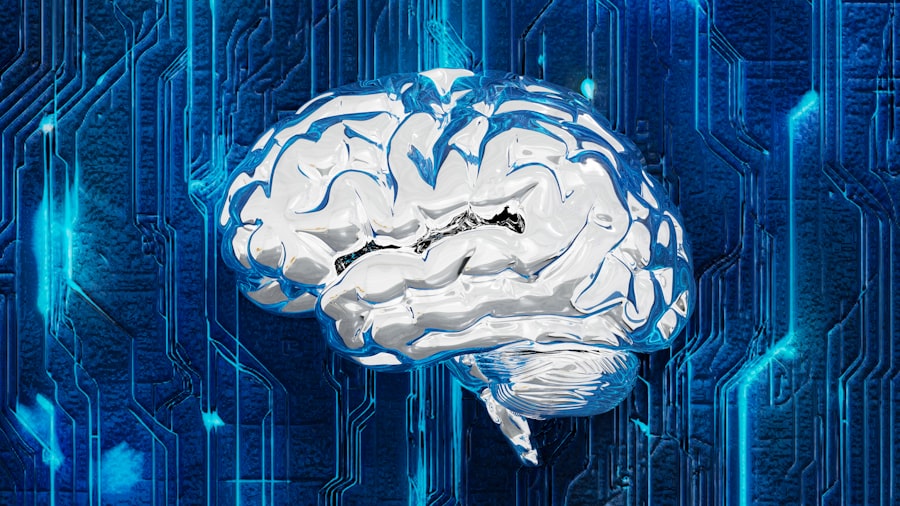
Your brain’s ability to function depends on a sophisticated communication system. This system relies on both rapid electrical signals within neurons and slower, but far-reaching, chemical messengers known as neurotransmitters and hormones.
Neurotransmitters: The Synaptic Messengers
As we touched upon earlier, neurotransmitters are the chemical keys that unlock communication between neurons at the synapse. There are dozens of different neurotransmitters, each with its own specific role and effects.
- Dopamine: The Reward and Motivation Molecule: Dopamine is famously associated with pleasure, reward, and motivation. It plays a crucial role in addiction, but also in learning, movement, and attention. When you achieve a goal or experience something enjoyable, dopamine is released, reinforcing that behavior.
- Serotonin: The Mood Stabilizer: Serotonin is a key regulator of mood, sleep, appetite, and digestion. Low levels of serotonin are often linked to depression and anxiety. Many antidepressant medications work by increasing serotonin levels in the brain.
- Acetylcholine: The Muscle Controller and Memory Maker: This neurotransmitter is vital for muscle contraction and is also heavily involved in learning and memory. It plays a role in both the peripheral nervous system (controlling muscles) and within the central nervous system.
- Norepinephrine: The Alertness and Stress Response Agent: Norepinephrine is involved in your body’s “fight or flight” response, increasing alertness, arousal, and attention. It’s released during stressful situations.
- GABA (Gamma-Aminobutyric Acid): The Calming Inhibitor: GABA is the primary inhibitory neurotransmitter in your brain. It reduces neuronal excitability, helping to calm the nervous system and promote relaxation. It’s like the brake pedal of your brain.
- Glutamate: The Excitatory Powerhouse: Conversely, glutamate is the primary excitatory neurotransmitter. It increases neuronal activity, playing a critical role in learning and memory consolidation.
The precise balance and interaction of these neurotransmitters are essential for healthy brain function. Imbalances can lead to a wide range of neurological and psychological conditions.
Hormones: The Long-Distance Regulators
While neurotransmitters act locally at synapses, hormones are chemical messengers produced by endocrine glands throughout your body, including within your brain. They travel through the bloodstream to target cells, influencing a wide range of physiological and psychological processes.
- Cortisol: The Stress Hormone: Released by the adrenal glands in response to stress, cortisol prepares your body for action. While Chronis cortisol elevation can be detrimental, short-term bursts are essential for survival.
- Oxytocin: The Bonding Hormone: Often called the “love hormone,” oxytocin is involved in social bonding, trust, empathy, and reproduction. It plays a crucial role in maternal bonding and in romantic relationships.
- Thyroid Hormones: Produced by the thyroid gland, these hormones are crucial for regulating metabolism and energy levels, and they have significant impacts on brain development and function.
- Estrogen and Testosterone: These sex hormones, while primarily associated with reproductive functions, also have profound effects on brain structure, function, and behavior throughout life.
The interplay between your nervous system and your endocrine system is incredibly complex and dictates much of your overall well-being.
The Dynamic Brain: Neuroplasticity and Learning
Perhaps one of the most revolutionary discoveries in neuroscience is the concept of neuroplasticity. You might have once thought of your brain as a fixed, hard-wired entity, but the reality is far more fluid and malleable. Your brain, throughout your entire life, has the remarkable ability to change, adapt, and reorganize itself.
Learning: Rewiring Your Neural Pathways
At its most fundamental level, learning is the process of creating and strengthening new neural connections, or modifying existing ones. When you learn a new skill, such as playing a musical instrument, speaking a new language, or even mastering a new recipe, your brain is undergoing physical changes.
- Synaptic Strengthening: Repeated activation of a neural pathway leads to a strengthening of the synapses involved. This means that communication between those neurons becomes more efficient and robust. Think of it like walking a familiar path in the woods; the more you use it, the clearer and easier it becomes to navigate.
- New Synapse Formation: Novel experiences and learning can also lead to the formation of entirely new synapses between neurons. This expands your brain’s connectivity and creates new routes for information to flow.
- Neurogenesis: While once believed to be limited to childhood, research has shown that neurogenesis, the birth of new neurons, continues to occur in certain areas of the adult brain, particularly in the hippocampus, which is crucial for memory. This process can be influenced by factors like exercise and mental stimulation.
Your brain’s capacity for plasticity is what allows you to acquire new knowledge, develop new skills, and recover from injuries. It’s a testament to the resilience and adaptability of this amazing organ.
Memory: The Stored Experiences of Your Life
Memory is the cornerstone of your identity, the collection of all your past experiences, knowledge, and skills. It’s not a simple filing cabinet, but a dynamic and complex process involving multiple brain regions and stages.
- Encoding: This is the initial process of transforming sensory information into a format that can be stored in your brain. Attention plays a crucial role here; you’re more likely to encode information you are actively paying attention to.
- Storage: This refers to the consolidation of information over time. There are different types of memory storage, including:
- Sensory Memory: This is a very brief, fleeting memory of sensory information (e.g., the image you see for a fraction of a second after looking away).
- Short-Term Memory (or Working Memory): This holds a limited amount of information for a short duration (seconds to minutes) to be actively used or manipulated.
- Long-Term Memory: This is the relatively permanent storage of information, which can be further divided into:
- Explicit (Declarative) Memory: Memories that can be consciously recalled, such as facts (semantic memory) and personal experiences (episodic memory).
- Implicit (Non-Declarative) Memory: Memories that are not consciously recalled but influence your behavior, such as skills (procedural memory) and conditioned responses.
- Retrieval: This is the process of accessing stored information from your memory. Successful retrieval depends on effective encoding and storage, as well as the right cues.
The more you engage with information, the more you practice skills, and the more meaningful your experiences, the stronger and more accessible your memories become.
Recent advancements in our understanding of the human brain have opened up new avenues for research and exploration. A fascinating article discusses the intricate connections between neural pathways and cognitive functions, shedding light on how our brain processes information and adapts to new experiences. For those interested in delving deeper into this topic, you can read more about it in this insightful piece on the science of the human brain at Freaky Science. This exploration not only enhances our knowledge but also paves the way for potential breakthroughs in treating neurological disorders.
The Brain’s Protective Mechanisms: Sleep and the Blood-Brain Barrier
| Metrics | Data |
|---|---|
| Number of Neurons in the Brain | Approximately 86 billion |
| Brain Weight | Average adult human brain weighs about 3 pounds |
| Neuroplasticity | The brain’s ability to reorganize itself by forming new neural connections throughout life |
| Brain Development | The human brain is not fully developed until the mid-20s |
| Brain Disorders | Various disorders such as Alzheimer’s, Parkinson’s, and schizophrenia affect the brain |
Your brain, despite its incredible power, is also surprisingly vulnerable. To protect this vital organ, it has evolved sophisticated mechanisms, including the restorative power of sleep and the formidable barrier that separates it from the rest of your body.
The Importance of Sleep: Recharging and Consolidating
When you sleep, your brain isn’t shutting down; it’s engaging in crucial maintenance and consolidation processes. You might think of sleep as simply resting, but it’s an active and vital period for your brain’s health.
- Memory Consolidation: During sleep, especially during certain stages, your brain replays and consolidates memories from the day. This process helps to transfer information from short-term to long-term storage, making it more stable and accessible.
- Waste Removal: While you sleep, your brain’s glymphatic system becomes more active, clearing away metabolic waste products that have accumulated during your waking hours. This is like your brain taking out the trash.
- Neuronal Repair and Growth: Sleep is a period of repair and restoration for your neurons. It supports the growth of new synaptic connections and the maintenance of existing ones.
- Emotional Regulation: Adequate sleep is essential for emotional regulation. Sleep deprivation can lead to heightened irritability, anxiety, and difficulty managing emotions.
The quality and quantity of your sleep directly impact your cognitive function, mood, and overall health. Prioritizing sleep is a direct investment in your brain’s well-being.
The Blood-Brain Barrier: A Selective Gatekeeper
The blood-brain barrier (BBB) is a highly selective physiological barrier that separates your circulating blood from your brain’s extracellular fluid, preventing many potentially harmful substances from entering the brain. It’s formed by specialized endothelial cells in the capillaries of your brain, which are tightly bound together.
- Protection from Toxins and Pathogens: The BBB acts as a crucial defense mechanism, preventing toxins, bacteria, viruses, and other harmful agents circulating in your bloodstream from reaching your delicate brain tissue.
- Regulation of Nutrient and Waste Transport: While it restricts entry, the BBB also actively transports essential nutrients, such as glucose and amino acids, into the brain and removes waste products, such as carbon dioxide and lactate.
- Challenges for Drug Delivery: The existence of the BBB also presents a significant hurdle for drug development. Many medications designed to treat brain disorders struggle to cross this barrier, making targeted therapy challenging. Researchers are actively exploring ways to bypass or temporarily open the BBB to deliver therapeutic agents more effectively.
Understanding the BBB highlights the brain’s intricate design for self-preservation. It’s a testament to the delicate balance required for optimal neural function.
The Evolving Frontier: Our Ongoing Quest to Understand the Brain
The science of the human brain is a continuously unfolding story. Despite the incredible progress made, there are still vast mysteries to unravel. You are living in an exciting era of neuroscience, where new discoveries are being made at an unprecedented pace.
Tools of the Trade: Imaging and Research Techniques
The advancements in neuroimaging technologies have revolutionized our ability to study the living brain. These tools allow you to peer into the brain’s activity and structure non-invasively.
- fMRI (Functional Magnetic Resonance Imaging): This technique measures brain activity by detecting changes in blood flow. It allows researchers to see which areas of the brain are most active during specific tasks, providing insights into cognitive processes.
- EEG (Electroencephalography): EEG measures electrical activity in the brain through electrodes placed on the scalp. It’s excellent for studying the timing of brain events and is widely used in sleep studies and epilepsy monitoring.
- MEG (Magnetoencephalography): Similar to EEG, MEG measures magnetic fields produced by electrical activity in the brain, offering even greater spatial and temporal resolution.
- PET (Positron Emission Tomography): PET scans use a radioactive tracer injected into the bloodstream to measure metabolic activity or detect the presence of specific molecules in the brain.
Beyond imaging, techniques like optogenetics, which uses light to control genetically modified neurons, and sophisticated computational modeling are pushing the boundaries of our understanding.
The Future of Brain Science: Challenges and Opportunities
The journey to fully comprehend your brain is far from over. There are significant challenges that neuroscientists are actively tackling.
- The Complexity of Neural Networks: Understanding how billions of neurons interact to produce complex behaviors and consciousness remains a monumental task.
- Neurological and Mental Health Disorders: There is an urgent need for better treatments and cures for conditions like Alzheimer’s disease, Parkinson’s disease, schizophrenia, and depression.
- Consciousness: The very nature of consciousness—how subjective experience arises from physical matter—is one of the most profound philosophical and scientific questions.
- Brain-Computer Interfaces: The development of technologies that can directly link your brain to computers holds immense potential for restoring function to individuals with disabilities and for augmenting human capabilities.
Your brain is the ultimate frontier of human exploration. By understanding its science, you gain a deeper appreciation for yourself, for others, and for the incredible potential that resides within each and every one of you. The more you learn, the more you realize how much there is still to discover, and the more exciting the journey becomes. So, continue to be curious, continue to learn, and continue to unravel the astonishing science of your own human brain.

Why Paper Cuts Hurt (It’s Not What You Think)
FAQs
What is the human brain?
The human brain is the command center for the human nervous system. It is a complex organ that controls thoughts, memory, speech, movement, and other bodily functions.
How does the human brain work?
The human brain works through a network of billions of neurons, which communicate with each other through electrical and chemical signals. This communication allows the brain to process information, make decisions, and control the body’s functions.
What are the different parts of the human brain?
The human brain is divided into several main parts, including the cerebrum, cerebellum, and brainstem. Each part plays a specific role in controlling different functions of the body and mind.
What are some common brain disorders?
Some common brain disorders include Alzheimer’s disease, Parkinson’s disease, epilepsy, and stroke. These disorders can affect memory, movement, and other cognitive functions.
How can we keep our brains healthy?
To keep our brains healthy, it is important to engage in activities that stimulate the brain, such as reading, puzzles, and learning new skills. Additionally, maintaining a healthy diet, getting regular exercise, and managing stress can also contribute to brain health.