The silent depths of the ocean, once considered an impenetrable veil, became a critical battleground during the Cold War. For decades, the United States and the Soviet Union engaged in a clandestine war of cat and mouse beneath the waves, with submarines playing a starring role. The ability to detect an adversary’s submarine was paramount, not only for defensive purposes but also for the projection of power and the maintenance of the delicate, terrifying balance of nuclear deterrence. This is the story of how both sides strived to lift that veil, to Uncover Cold War Submarine Detection.
The development of submarine technology during the first half of the twentieth century transformed naval warfare. Initially a novel, somewhat unreliable weapon, by the Cold War, the submarine had evolved into a sophisticated and terrifying instrument of destruction. The advent of nuclear propulsion, pioneered by both superpowers, granted submarines unprecedented endurance and the ability to remain submerged for extended periods, effectively disappearing from surface observation.
World War II’s Legacy
The U-boats of the Kriegsmarine in World War II demonstrated the devastating potential of submarine warfare. Their success in disrupting Allied supply lines forced a monumental effort to develop countermeasures, laying crucial groundwork for Cold War detection strategies. The techniques and technologies refined during that conflict, though primitive by later standards, provided a vital starting point. Sonar development, in particular, saw significant advancements, as did the methods for tracking and intercepting submerged threats.
The Nuclear Revolution and its Submarine Impact
The introduction of nuclear weapons and the strategic importance of missile-carrying submarines (SSBNs) elevated the submarine’s role to an existential level. An enemy SSBN, hidden deep within the ocean, represented an undetectable first-strike capability. Likewise, owning a fleet of such submarines offered a second-strike guarantee, the ability to retaliate even after a devastating initial attack. This drove an insatiable hunger for advancements in submarine detection, as understanding the enemy’s submerged presence became synonymous with national survival.
Strategic Imperatives
The “balance of terror” was underpinned by the ability to locate and track enemy submarines. For the United States, this meant ensuring that Soviet SSBNs could not launch a surprise nuclear attack. For the Soviet Union, it meant both finding American SSBNs to neutralize their retaliatory threat and protecting their own submarines from American hunter-killers. This constant, silent pursuit fueled an arms race not just in submarine design but, critically, in the means by which they could be discovered.
During the Cold War, the race for underwater supremacy led to significant advancements in submarine detection technologies, which played a crucial role in naval strategy. For a deeper understanding of the intricacies involved in submarine detection during this tense period, you can explore a related article that discusses various methods and technologies used. To read more about this fascinating topic, visit this article.
The Pillars of Detection: Acoustic Warfare
At the heart of Cold War submarine detection lay the science of acoustics – the study of sound. Water, while appearing opaque, is an excellent medium for sound propagation. This characteristic, while beneficial for submarines communicating, also made them vulnerable to detection by sound. The majority of Cold War advancements in submarine detection revolved around exploiting this fundamental principle.
The Evolution of Sonar
Sonar, an acronym for SOund Navigation And Ranging, was the linchpin of underwater surveillance. From its early, rudimentary forms, sonar technology underwent dramatic evolution.
Active Sonar: The Echo’s Tale
Active sonar systems emit sound pulses, or “pings,” into the water and then listen for the echoes that return after bouncing off objects. The time it takes for the echo to return, along with its characteristics, provides information about the object’s range, bearing, and even its speed.
Early Systems and Their Limitations
Initial active sonar systems were relatively simple and could be detected by enemy submarines, creating a dangerous game of “ping-and-be-pinged.” The very act of using active sonar could give away the detecting vessel’s position. Early hull-mounted arrays were limited in their coverage and resolution.
Improvements in Transducer Technology
Significant leaps were made in transducer technology – the devices that transmit and receive sound. These advancements led to more powerful emitters, more sensitive receivers, and directional control, allowing for better target discrimination and a reduced chance of detection by the target. The development of sophisticated signal processing techniques also became crucial, allowing operators to sift through the cacophony of ocean noise to isolate faint echoes.
Passive Sonar: Listening to the Whispers
Passive sonar, in contrast, listens for sounds emitted by the target itself. Submarines, even the “quiet” nuclear submarines of the Cold War, generate a variety of sounds: the hum of their machinery, the cavitation of their propellers, the sounds of their internal operations.
The Quest for Silence: Reducing the Acoustic Signature
The arms race in submarine detection was mirrored by an equally intense race to make submarines quieter. Soviet and American engineers invested heavily in reducing the acoustic signatures of their vessels. This involved:
- Improved Hull Design: Streamlined hulls reduced hydrodynamic noise.
- Advanced Machinery Mounting: Engines and other noisy equipment were mounted on shock-absorbent systems to isolate vibrations from the hull.
- Propeller Design: Quieter propeller designs, like skewed or ducted propellers, were developed to minimize cavitation.
- Anechoic Coatings: Special tiles were applied to submarine hulls to absorb sonar pings, making them more difficult to detect with active sonar.
The Power of Hydrophones and Arrays
The effectiveness of passive sonar depended on the sensitivity and placement of hydrophones – underwater microphones. Large, towed arrays of hydrophones, strung out behind submarines or ships, could detect faint sounds from great distances. Fixed arrays of hydrophones, strategically placed on the seabed, created a network of listening posts.
Navigating the Ocean’s Symphony
The ocean is a noisy place. Understanding and mitigating this ambient noise was fundamental to effective sonar operation.
Frequencies and Modes of Operation
Different sonar frequencies are suited for different tasks. Low frequencies travel further and are good for long-range detection, while high frequencies offer better resolution for identifying specific targets. Operators had to select appropriate frequencies and modes of operation based on sea state, depth, and the type of target they were seeking.
Environmental Factors and Their Impact
Temperature gradients, salinity variations, and the seabed topography all significantly influence how sound travels underwater. The thermocline, a layer of rapidly changing temperature, could act as a barrier, reflecting sonar signals and creating “shadow zones” where submarines could hide. Understanding these environmental factors, often through sophisticated oceanographic data, was crucial for maximizing sonar effectiveness and minimizing blind spots.
Beyond Sound: Unconventional Detection Methods
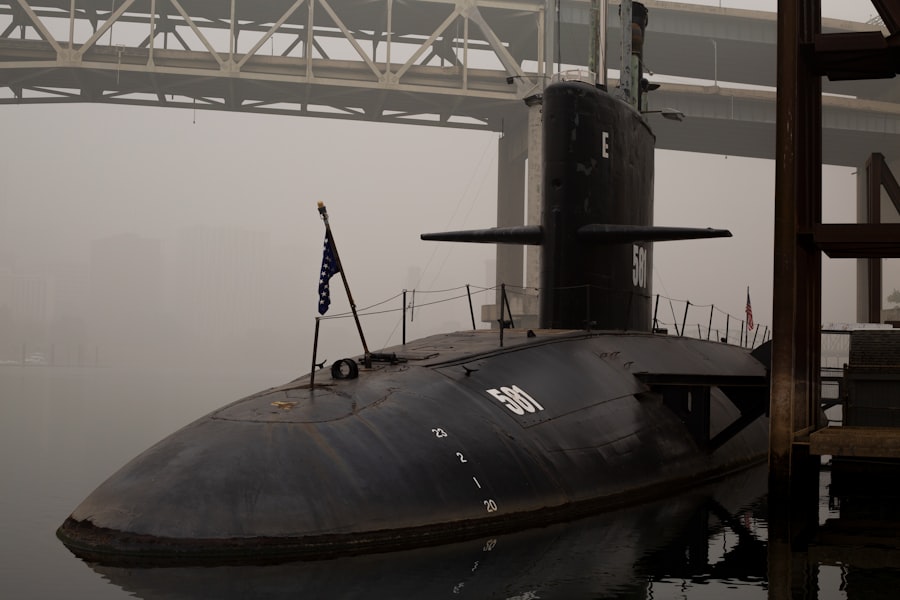
While acoustic detection dominated, the immense challenge of finding a submerged submarine spurred innovation in a variety of other, often more unconventional, avenues during the Cold War. These methods sought to exploit other physical phenomena that submarines might betray their presence.
Magnetic Anomaly Detection (MAD)
Submarines, being massive metal objects, generate a significant magnetic field. Magnetic Anomaly Detectors (MAD) were designed to sense these disturbances in the Earth’s natural magnetic field.
Aircraft-Borne MAD Systems
MAD equipment was often mounted on aircraft or helicopters that flew low over suspected submarine operating areas. The MAD sensor, typically a “stinger” extending far behind the aircraft, could detect minute variations in the magnetic field.
Strengths and Limitations of MAD
MAD was particularly effective for detecting submarines that were relatively close to the surface. However, its range was limited, and it was susceptible to interference from the Earth’s own magnetic field and geological formations. Deep-diving submarines were largely immune to this detection method.
Radar and Electronic Signatures
While submarines operate submerged, they periodically need to “snork” (operate their diesel engines while partially surfaced) or fully surface to recharge batteries, vent air, or communicate. These moments of vulnerability were exploited by radar systems.
Surface and Near-Surface Detection
Specialized airborne radar systems, operating at various frequencies, could detect the periscopes, antennas, or even the wake of a surfaced or near-surfaced submarine.
The Role of Periscope Detection
Periscopes, though small, could be detected by high-resolution radar from aircraft and ships. The development of radar cross-section reduction techniques for periscopes was a constant technological battle.
Electronic Intelligence (ELINT)
During their brief periods of surfacing or snorkelling, submarines might also emit radio signals for communication or other purposes. Electronic Intelligence (ELINT) systems were deployed to intercept and analyze these emissions, providing valuable intelligence about enemy submarine activity and location.
Visual and Other Sensory Methods
In a desperate quest for any advantage, less sophisticated methods were also employed.
Visual Spotting
On clear days, highly trained lookouts could spot the tell-tale signs of a surfaced submarine – a periscope, a conning tower breaking the surface, or even a disturbance on the water. This was, however, a highly opportunistic and unreliable method.
Infrared and Other Sensing Technologies
Research into infrared detection for submarines, particularly for heat signatures from their machinery when near the surface, was also explored. While not a primary detection method during the Cold War, it represented early efforts to harness a wider spectrum of sensing capabilities.
The Grand Networks: Integrated Surveillance
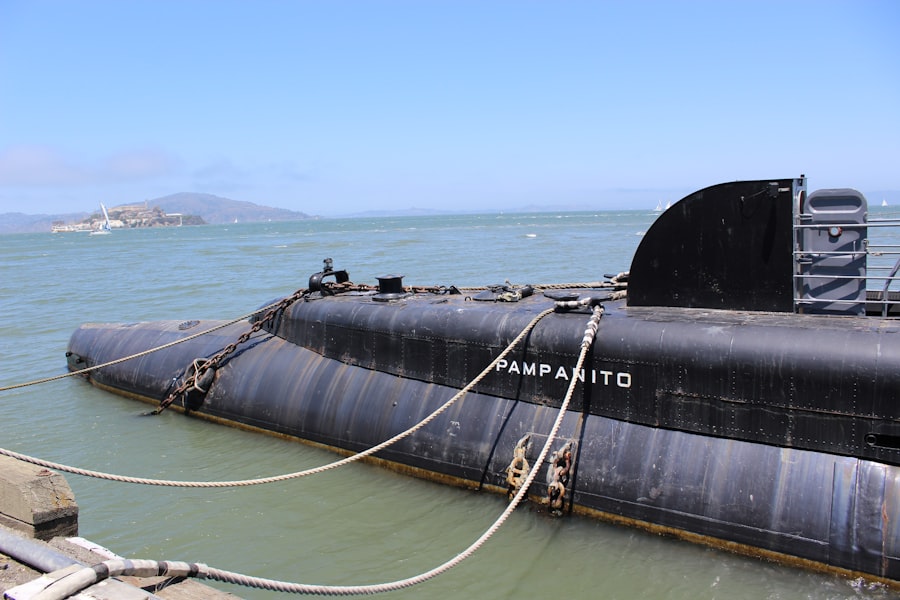
The Cold War was not fought in isolated skirmishes beneath the waves. Both superpowers understood that comprehensive surveillance required interconnected systems and a coordinated approach to information gathering and analysis.
Fixed Surveillance Systems
The establishment of vast, strategically placed networks of sensors was a cornerstone of Cold War detection efforts.
The SOSUS Network: A Silent Guardian
The Sound Surveillance System (SOSUS) was arguably one of the most significant and secret achievements in American submarine detection. This extensive network of fixed hydrophones, laid on the ocean floor across strategic locations like the Greenland-Scotland Ridge and the North Atlantic, was designed to detect the passage of Soviet submarines.
Data Processing and Interpretation
The data from SOSUS stations was transmitted to shore-based processing centers where skilled analysts worked to interpret the complex acoustic signatures. Identifying the distinct sound profiles of different Soviet submarine classes was a critical part of their work.
The “Sound Garden” and its Importance
These underwater networks were often referred to as “sound gardens,” where the symphony of the ocean was meticulously cataloged and analyzed. The ability to distinguish a specific submarine’s sound from the general noise of the sea was a testament to the sophistication of the processing and the expertise of the analysts.
Soviet Counterpart Systems: UTKA and others
The Soviet Union also invested heavily in fixed acoustic surveillance systems. While details remain less publicly known due to their secretive nature, evidence suggests they developed their own extensive networks of hydrophones and listening posts, particularly in their near-seas and along critical patrol routes. Their systems, codenamed “UTKA” and others, aimed to achieve similar long-range detection capabilities.
Mobile Surveillance Platforms
Fixed systems provided a constant baseline, but mobile platforms were essential for actively hunting and tracking submarines.
Destroyer and Frigate ASW Capabilities
Naval destroyers and frigates were equipped with a suite of anti-submarine warfare (ASW) tools, including hull-mounted and towed sonar, ASW helicopters, and torpedoes. Their role was often to patrol specific areas or to escort convoys, acting as the first line of defense.
The Hunter-Killer Submarine: A Double Threat
The hunter-killer submarine (SSN for the US, the Soviet equivalent being largely designated by its hull number) was a crucial component of the detection strategy. These submarines were designed not only for stealth but also for the explicit purpose of finding and destroying enemy submarines.
Soviet Silent Hunters: The Akula and Kilo Classes
The Soviet Union produced a number of highly capable hunter-killer submarines, such as the Akula and Kilo classes, which were designed to be stealthy and effective at prosecuting American SSBNs.
American ASW Predators: The Sturgeon and Los Angeles Classes
The United States responded with its own formidable SSN classes, like the Sturgeon and the later Los Angeles classes, specifically engineered for acoustic quieting and advanced sonar capabilities to counter Soviet submarine threats.
Air-Borne ASW Platforms
Aircraft played a critical role in Cold War submarine detection, offering a broader perspective and the ability to rapidly deploy assets.
Maritime Patrol Aircraft (MPA)
Aircraft like the Lockheed P-3 Orion and the Soviet Il-38 May were equipped with a variety of sensors, including radar, sonobuoys, and MAD. They could patrol vast areas of ocean, dropping sonobuoys to extend acoustic surveillance.
Sonobuoys: Floating Ears
Sonobuoys are disposable acoustic sensors that are dropped into the water. They can be passive, listening to ambient noise, or active, emitting sonar signals. Data from sonobuoys is transmitted back to the patrol aircraft, allowing for the triangulation of submarine locations.
During the Cold War, the race for underwater supremacy led to significant advancements in submarine detection technologies, which played a crucial role in naval strategy. For a deeper understanding of the various methods employed to track submarines during this tense period, you can explore an insightful article that delves into the intricacies of sonar systems and other detection techniques. This resource provides a comprehensive overview of how these technologies evolved in response to the strategic needs of the time. To read more about this fascinating topic, visit this article.
The Unseen Battles: Espionage, Deception, and Technological Warfare
| Submarine Detection Method | Accuracy | Range |
|---|---|---|
| Passive Sonar | High | Up to 100 miles |
| Active Sonar | Moderate | Up to 10 miles |
| Magnetic Anomaly Detection (MAD) | Low | Depends on magnetic field strength |
| Acoustic Homing Torpedoes | High | Up to 5 miles |
The struggle to uncover Cold War submarine detection was not purely a matter of scientific innovation and engineering. It was also a realm of intense espionage, strategic deception, and constant technological one-upmanship.
Covert Intelligence Gathering
Both sides dedicated enormous resources to obtaining intelligence about the other’s submarine technology, doctrine, and operational capabilities.
Human Intelligence (HUMINT)
Espionage played a vital role in understanding the enemy’s submarine programs. Defectors, moles, and clandestine operations aimed to glean information on new submarine designs, sonar capabilities, and operational procedures.
Signals Intelligence (SIGINT)
Intercepting and analyzing enemy radio communications, sonar transmissions, and other electronic emissions provided invaluable insights. The constant effort to break enemy encryption and understand their communication protocols was a race against time.
Deception and Counter-Deception
Misinformation and deception were integral to the silent war. Strategies were employed to mislead the enemy about the location and capabilities of one’s own submarines, and to draw them into traps.
Acoustic Decoys and Mimicry
The development of acoustic decoys, designed to mimic the sound of a submarine, was a tactic used to confuse enemy sonar systems and draw them away from actual targets. Sophisticated techniques were employed to make friendly submarines sound like other types of vessels or even to mimic the sound of whales to mask their presence.
“Quiet” Submarines and the Art of Stealth
The ultimate deception was achieved through the relentless pursuit of quiet submarines. A truly silent submarine was a phantom, almost impossible to detect, and thus the most potent weapon. This pursuit drove the technological race on both sides.
The Constant Technological Arms Race
The Cold War submarine detection arena was characterized by a perpetual cycle of innovation and counter-innovation.
From Mechanical to Digital: The Processing Revolution
The evolution from analog to digital signal processing dramatically improved the ability to analyze complex acoustic data, extract faint signals from noise, and distinguish between different types of submarines.
Advancements in Materials Science
The development of new materials, such as those used in anechoic coatings for submarine hulls, played a crucial role in reducing acoustic signatures and improving stealth.
The Future of Detection: Emerging Technologies
Even as the Cold War waned, research into new and advanced detection methods continued, laying the groundwork for future capabilities, including the integration of artificial intelligence and machine learning into acoustic analysis and the exploration of non-acoustic detection techniques.
The silent struggle beneath the waves during the Cold War was a testament to human ingenuity, strategic foresight, and the ever-present fear of escalation. The efforts to Uncover Cold War Submarine Detection were not just about military superiority; they were about managing a globe-threatening standoff, constantly pushing the boundaries of technology to maintain a precarious peace, forever etched in the silent, echoing depths of the ocean.

The Secret Ocean Layer That Lets Sound Travel for Thousands of Miles
FAQs
What is Cold War submarine detection?
Cold War submarine detection refers to the methods and technologies used by military forces during the Cold War to detect and track enemy submarines. This was a critical aspect of naval warfare during the Cold War, as both the United States and the Soviet Union sought to gain strategic advantage in the world’s oceans.
What were some of the key technologies used for submarine detection during the Cold War?
During the Cold War, various technologies were used for submarine detection, including sonar systems, hydrophones, magnetic anomaly detection (MAD), and passive and active acoustic detection systems. These technologies were constantly evolving as both sides sought to gain an edge in detecting and tracking enemy submarines.
How did the use of submarines change during the Cold War?
During the Cold War, submarines played a crucial role in both nuclear deterrence and intelligence gathering. The development of nuclear-powered submarines equipped with ballistic missiles, known as “boomers,” significantly increased the stealth and strategic capabilities of submarines. Additionally, both the United States and the Soviet Union used submarines for covert operations and intelligence gathering.
What were some of the challenges in submarine detection during the Cold War?
One of the main challenges in submarine detection during the Cold War was the vastness of the world’s oceans, which made it difficult to track and locate enemy submarines. Additionally, advancements in submarine technology, such as quieter propulsion systems and improved acoustic camouflage, posed significant challenges for detection efforts.
How did submarine detection efforts impact Cold War geopolitics?
The ability to detect and track enemy submarines had a significant impact on Cold War geopolitics, as it directly influenced strategic decisions and military posturing. The constant cat-and-mouse game of submarine detection and evasion contributed to the overall tension and competition between the United States and the Soviet Union during the Cold War.