The ocean, a vast and enigmatic realm, holds within its depths a symphony of sounds, from the playful clicks of dolphins to the majestic groans of whales and the deep rumbling of seismic activity. For millennia, these underwater narratives were lost to human comprehension, shrouded in the very medium that carried them. However, technological advancements have begun to lift this veil of silence, allowing us to listen in on the ocean’s hidden dialogues. At the forefront of this exploration are hydrophones, devices that act as the ears of the underwater world, capturing acoustic information vital to scientific research, exploration, and even national security. Understanding how these remarkable instruments function is key to appreciating the depth of knowledge they unlock.
At its core, a hydrophone operates on the principle of converting sound pressure waves in a medium – in this case, water – into electrical signals. Water, being far denser than air, transmits sound waves with remarkable efficiency and at significantly higher speeds. These sound waves are essentially kinetic energy propagating through the water molecules. When a sound wave encounters a hydrophone, it causes a minute fluctuation in the pressure exerted by the water. The hydrophone’s primary function is to detect and measure these pressure variations and translate them into a form that can be recorded, analyzed, and understood.
Pressure Fluctuations and Their Detection
The acoustic wave traveling through water is characterized by alternating zones of compression and rarefaction. During compression, the water molecules are pushed closer together, resulting in a momentary increase in pressure. Conversely, during rarefaction, the molecules spread apart, leading to a slight decrease in pressure. A hydrophone is designed to be sensitive to these subtle, yet consistent, pressure changes. The effectiveness of a hydrophone hinges on its ability to accurately register the magnitude and frequency of these pressure fluctuations, essentially acting as a highly sensitive underwater microphone.
The Piezoelectric Effect: A Key Transducer Mechanism
The most common and effective method employed in modern hydrophones for converting pressure variations into electrical signals relies on the piezoelectric effect. This remarkable physical phenomenon occurs in certain crystalline materials, such as quartz, ceramic composites, and specific polymers. When these materials are subjected to mechanical stress, like the pressure waves from an underwater sound, they generate an electrical charge. Conversely, if an electric field is applied to these materials, they deform mechanically.
In a hydrophone, a precisely engineered piezoelectric element is encapsulated within a protective housing. As sound waves strike the housing, they are transmitted to the piezoelectric element, causing it to deform. This deformation, in turn, generates a small voltage across its surfaces. The greater the pressure variation, the larger the voltage produced. This voltage is then amplified and processed to become the electrical representation of the underwater sound. The material’s composition, its shape, and the electrode placement are all critical factors in determining the hydrophone’s sensitivity, frequency response, and overall performance.
The Role of the Transducer
The piezoelectric element within a hydrophone functions as a transducer – a device that converts energy from one form to another. In this instance, it converts acoustic energy (pressure waves in water) into electrical energy (voltage). The quality of this transduction is paramount. A highly efficient transducer will accurately reflect the nuances of the incoming sound, capturing even the faintest or most complex acoustic signatures. Less sensitive or distorted transducers can lead to a loss of critical information or the introduction of extraneous noise.
Material Science and Transducer Performance
The choice of piezoelectric material is a critical determinant of a hydrophone’s capabilities. Different materials exhibit varying sensitivities, operating frequency ranges, and temperature tolerances. For instance, certain ceramic composites offer high sensitivity and broad bandwidth, making them suitable for detecting a wide range of underwater sounds. Other materials might be chosen for their robustness in extreme pressures or temperatures encountered in deep-sea environments. Ongoing research in materials science continues to push the boundaries, leading to the development of ever more advanced and specialized piezoelectric materials for hydrophone applications.
Hydrophones are fascinating devices that allow us to listen to underwater sounds, providing valuable insights into marine life and underwater environments. For a deeper understanding of how hydrophones work and their applications in various fields, you can check out this related article on the topic. It explores the principles behind hydrophone technology and its significance in oceanography and marine research. To read more, visit this article.
Hydrophone Design and Construction
The design of a hydrophone is far from simplistic. It involves a careful integration of the transducer element with protective housing, internal electronics, and robust cabling. The goal is to create a device that is both highly sensitive to acoustic signals and resilient enough to withstand the harsh conditions of the underwater environment, including high pressures, salinity, and potentially corrosive elements.
Encapsulation and Protection
The piezoelectric transducer, being the most delicate component, requires robust encapsulation. This protective layer, typically made from durable materials like polyurethane, epoxy, or specialized plastics, serves multiple purposes. Firstly, it shields the transducer from direct contact with seawater, preventing corrosion and physical damage. Secondly, it provides a consistent acoustic impedance match between the water and the transducer, ensuring that sound waves are efficiently transmitted into the element without significant reflection or distortion. The shape of the housing is also crucial; it is often designed to minimize self-noise generated by water flow over the device.
Acoustic Windows and Impedance Matching
An “acoustic window” is a critical feature within the hydrophone’s housing. This is the part of the housing that is directly exposed to the water and is designed to allow sound waves to pass through unimpeded. The material and thickness of this window are carefully selected to minimize acoustic impedance mismatch. Impedance is a measure of how much a medium resists the passage of sound. If the impedance of the acoustic window is significantly different from that of water, a portion of the sound energy will be reflected, weakening the signal reaching the transducer. Therefore, achieving good impedance matching is essential for maximizing the hydrophone’s sensitivity.
Internal Electronics and Signal Conditioning
Beyond the transducer, hydrophones often incorporate internal electronics. These can range from simple signal amplifiers to more complex signal conditioning circuits. Amplifiers are necessary to boost the typically weak electrical signals generated by the piezoelectric element to a level that can be reliably recorded or processed by external equipment. Signal conditioning circuits may perform functions such as filtering out unwanted frequencies, calibrating the hydrophone’s output, or even digitizing the analog signal before it is transmitted.
Noise Reduction and Signal-to-Noise Ratio
One of the primary challenges in underwater acoustics is dealing with ambient noise. The ocean is a naturally noisy environment, with contributions from biological sources, meteorological events, and human activities. Hydrophones are designed to effectively differentiate between the desired acoustic signals and this background noise. This is achieved through careful transducer design, low-noise electronic components, and sophisticated signal processing techniques. A high signal-to-noise ratio (SNR) is crucial for accurately detecting faint or distant sounds.
Cabling and Connectivity
The cable connecting a hydrophone to its recording or processing unit is another critical component. This cable must not only transmit the electrical signals reliably but also be robust enough to withstand the pressures and stresses of deployment. Specialized underwater cables are often reinforced with strength members and are designed to be watertight and free from electrical interference. The connectors used are equally important, ensuring a secure and low-impedance electrical connection that remains stable in the marine environment.
Strain Relief and Cable Hydrodynamics
The mechanical stresses on the cable can be significant, especially if the hydrophone is towed or deployed in areas with strong currents. Strain relief mechanisms are incorporated into the hydrophone and cable assembly to prevent these stresses from damaging the electrical connections or the transducer itself. Furthermore, the hydrodynamics of the cable are considered to minimize drag and reduce self-noise generated by the cable moving through the water.
Types of Hydrophones and Their Applications
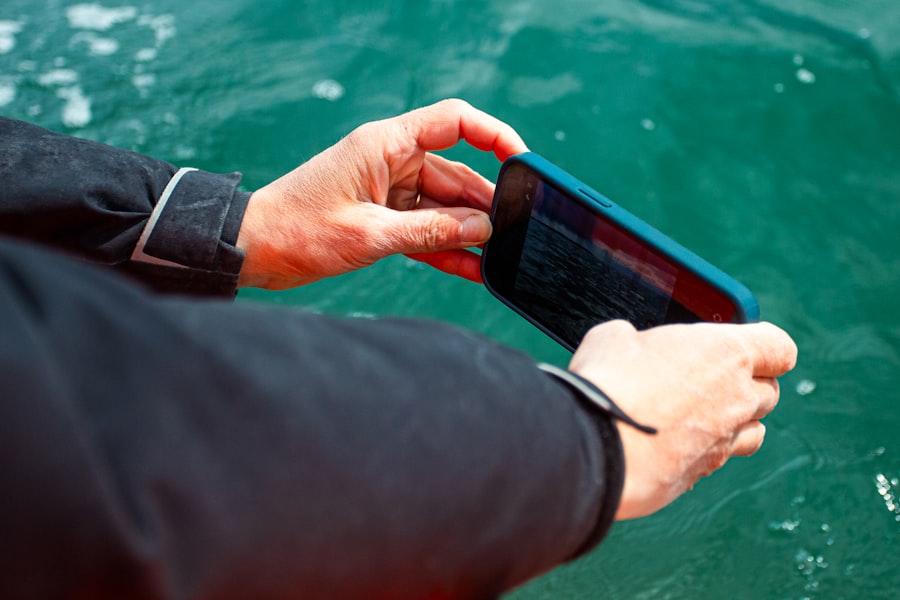
Hydrophones come in a diverse array of designs, each tailored for specific applications and operating environments. From simple, single-element devices to complex arrays, the choice of hydrophone significantly impacts the type of acoustic data that can be collected.
Omnidirectional Hydrophones
Omnidirectional hydrophones are designed to receive sound equally well from all directions. They are typically characterized by their spherical or cylindrical housings that facilitate unimpeded sound reception from a 360-degree arc. These are the most common type of hydrophone and are ideal for general-purpose listening, such as monitoring marine mammal vocalizations, detecting geological activity, or conducting broad acoustic surveys. Their simplicity and reliability make them a workhorse in underwater acoustics.
Single-Element vs. Multiple Elements
While the term “omnidirectional” implies a single point of reception, some omnidirectional hydrophones may incorporate multiple piezoelectric elements within their housing. This can be done to improve sensitivity, broaden the frequency response, or enhance durability. However, the overall characteristic remains the ability to capture sound from all horizontal directions.
Directional Hydrophones and Arrays
In contrast to omnidirectional hydrophones, directional hydrophones are designed to be sensitive to sound originating from specific directions. This is often achieved through the use of multiple hydrophone elements arranged in a particular configuration, forming a hydrophone array. By processing the signals from these individual elements, it becomes possible to determine the direction from which a sound is arriving. This technique is known as beamforming.
Beamforming and Directional Sensitivity
Beamforming involves delaying and summing the signals from different hydrophone elements in the array. By carefully adjusting these delays, the array can be “steered” to listen more attentively in a particular direction, effectively enhancing the signal from that direction while suppressing noise from others. This allows for precise localization of sound sources, such as the position of a whale or the origin of an underwater explosion.
Geophone-Hydrophone Hybrids
For certain applications, particularly in seismic exploration, specialized devices that combine the functions of a geophone (which measures ground motion) and a hydrophone (which measures water pressure) are used. These hybrid sensors can simultaneously record seismic waves and acoustic signals, providing a more comprehensive understanding of subsurface geological structures and events, such as offshore oil and gas exploration.
Seismic Exploration and Sub-Bottom Profiling
In seismic exploration, instruments are deployed to generate sound waves into the seabed. These waves reflect off different geological layers, and the returning signals are detected by hydrophones and geophones. Analyzing these signals helps geophysicists map the subsurface, identify potential reservoirs of oil and gas, and understand tectonic activity. Sub-bottom profiling systems specifically use low-frequency acoustic pulses to penetrate the seabed and reveal shallow geological structures.
Factors Affecting Hydrophone Performance
The performance of a hydrophone is influenced by a multitude of environmental and operational factors. Understanding these variables is crucial for obtaining accurate and meaningful acoustic data.
Pressure and Depth Limitations
As a hydrophone descends into the ocean, it is subjected to increasing hydrostatic pressure. Most hydrophones are designed to operate within specific depth limits, as excessive pressure can deform or even rupture the housing, leading to failure. The materials used in construction, the integrity of seals, and the overall design must be robust enough to withstand the pressures encountered at the intended operating depths.
Hydrostatic Pressure and Transducer Compression
Excessive hydrostatic pressure can compress the piezoelectric transducer, leading to a reduction in its sensitivity or even permanent damage. The housing is designed to equalize the external pressure on the transducer as much as possible, but there are physical limits to this equalization. For very deep-sea applications, hydrophones are specifically engineered with stronger housings and specialized transducer materials.
Temperature and Salinity Effects
Water temperature and salinity can also influence hydrophone performance. Changes in temperature can affect the electrical properties of the piezoelectric material and the performance of the internal electronics. Variations in salinity can alter the acoustic properties of seawater, such as the speed of sound, which can impact how acoustic waves propagate and are received by the hydrophone. Most hydrophones are calibrated to perform optimally within a specific temperature range.
Acoustic Properties of Seawater
The speed of sound in seawater is not constant; it varies with temperature, salinity, and pressure. These variations are crucial for accurate acoustic measurements, especially when determining distances or localizing sound sources. Hydrophones themselves are not directly affected by these changes in the same way as the sound waves they detect, but the interpretation of the received signals must account for these environmental factors.
Self-Noise and Ambient Noise
As mentioned earlier, self-noise, generated by the hydrophone itself or its housing moving through the water, and ambient noise from natural and anthropogenic sources, are significant challenges. Minimizing self-noise involves aerodynamic and hydrodynamic design considerations for the housing and cable. Reducing the impact of ambient noise often relies on sophisticated signal processing techniques and the use of directional hydrophones or arrays.
Flow Noise and Turbulence
When a hydrophone moves through water, the flow of water over its surface can generate turbulent eddies. These eddies create pressure fluctuations that can be picked up by the hydrophone, masquerading as acoustic signals. This phenomenon is known as flow noise. Hydrophone designs aim to minimize turbulence over the transducer element, often through streamlined shapes and specialized fairings.
Hydrophones are fascinating devices that allow us to listen to underwater sounds, providing valuable insights into marine life and oceanography. These sensitive microphones convert sound waves into electrical signals, enabling researchers to study everything from whale songs to the sounds of underwater volcanoes. For a deeper understanding of how hydrophones function and their applications in various fields, you can explore this related article on Freaky Science. This resource offers a comprehensive overview of the technology behind hydrophones and their significance in environmental monitoring.
Applications of Hydrophones in Research and Exploration
| Aspect | Description |
|---|---|
| Definition | Hydrophones are sensors that detect and record sound waves underwater. |
| Principle | Hydrophones work based on the principle of converting acoustic signals into electrical signals. |
| Components | Hydrophones consist of a transducer, preamplifier, and signal processing unit. |
| Applications | Hydrophones are used in marine biology, underwater navigation, oil exploration, and military applications. |
| Frequency Range | Hydrophones can detect sound waves in a wide frequency range, from infrasound to ultrasound. |
The ability to “hear” underwater has revolutionized our understanding of the ocean and its inhabitants. Hydrophones are indispensable tools across a wide spectrum of scientific disciplines and technological applications.
Marine Biology and Bioacoustics
Marine biologists utilize hydrophones extensively to study the vocalizations of whales, dolphins, seals, and other marine mammals. By analyzing these sounds, researchers can identify different species, understand their communication patterns, map their distribution, and assess their behavioral responses to various stimuli, including human activities like shipping and sonar. Bioacoustics is the study of sound production and reception in living organisms, and hydrophones are its primary instrument in the marine realm.
Cetacean Communication and Echolocation
Dolphins and toothed whales use sophisticated systems of clicks and whistles for communication and echolocation – a biological sonar used for navigation, foraging, and object detection. Hydrophones allow scientists to record these intricate acoustic repertoires, providing insights into their social structures, hunting strategies, and how they perceive their environment. The study of these complex acoustic signals has revealed remarkable intelligence and social complexity in these marine mammals.
Oceanography and Geophysics
Oceanographers use hydrophones to monitor underwater soundscapes, which can reveal information about geological processes, such as earthquakes, volcanic eruptions, and the movement of glaciers. They are also used in seismic surveys to map the ocean floor and subsurface geological structures, crucial for understanding plate tectonics and the exploration of natural resources. The deep rumble of tectonic plates shifting or the explosive release of energy from a submarine volcano can provide valuable data about the Earth’s dynamic processes.
Seismic Surveys and Underwater Acoustics
Seismic surveys, often conducted for hydrocarbon exploration, rely heavily on hydrophones to detect reflected sound waves from subsurface layers. The analysis of these acoustic reflections allows geophysicists to create detailed three-dimensional models of the Earth’s crust beneath the seabed, aiding in the identification of potential oil and gas reservoirs.
Underwater Navigation and Surveillance
Hydrophones play a critical role in underwater navigation systems, such as sonar. By emitting sound pulses and listening for their reflections, vessels and underwater vehicles can determine their position, detect obstacles, and map their surroundings. In military and security applications, hydrophones are used for detecting and tracking submarines, mines, and other underwater assets, forming the basis of passive and active sonar systems.
Sonar Systems and Acoustic Localization
Sonar, an acronym for Sound Navigation and Ranging, is a technology that uses sound propagation to navigate, communicate with or detect objects on or under the surface of the water, such as other vessels. Active sonar systems emit sound pulses and analyze the returning echoes to determine the range, bearing, and nature of objects. Passive sonar systems, on the other hand, listen for sounds produced by targets, which can include the engines of submarines or the calls of marine life.
The Future of Hydrophone Technology
The field of hydrophone technology is constantly evolving, driven by the need for greater sensitivity, broader bandwidth, enhanced miniaturization, and improved data processing capabilities. Future developments promise even deeper insights into the ocean’s acoustic world.
Advanced Signal Processing and Machine Learning
The sheer volume of acoustic data generated by hydrophones is immense. Advanced signal processing techniques, coupled with artificial intelligence and machine learning algorithms, are becoming increasingly vital for extracting meaningful information from this data. Machine learning can be trained to automatically identify and classify different sound sources, detect subtle anomalies, and even predict future acoustic events.
Automated Data Analysis and Anomaly Detection
Automated systems capable of sifting through vast amounts of acoustic data can significantly accelerate research. Machine learning algorithms can be trained to recognize the distinct acoustic signatures of various marine animals, seismic events, or even human-generated noise. This allows researchers to focus on the most significant findings and detect rare or unusual acoustic phenomena that might otherwise go unnoticed.
Miniaturization and Swarms of Sensors
Future hydrophones are likely to become smaller, more power-efficient, and capable of being deployed in large numbers as “swarms.” These swarms of interconnected sensors can provide unprecedented spatial and temporal coverage of the underwater acoustic environment, enabling more detailed and comprehensive acoustic mapping. Miniaturized hydrophones can be integrated into AUVs (Autonomous Underwater Vehicles) or even attached to marine animals, providing unique perspectives.
Autonomous Underwater Vehicles (AUVs) and Sensor Networks
AUVs equipped with advanced hydrophones can independently explore vast ocean areas, collecting acoustic data autonomously. The development of underwater sensor networks, where multiple hydrophones communicate with each other to share data and coordinate their listening efforts, will further enhance our ability to monitor and understand the ocean’s acoustic landscape.
Enhanced Sensitivity and Wider Frequency Range
Ongoing research focuses on developing new piezoelectric materials and transducer designs that offer higher sensitivity and a wider operational frequency range. This will enable hydrophones to detect fainter sounds, explore higher and lower frequency acoustic phenomena, and provide a more complete picture of the ocean’s acoustic spectrum.
By continuously pushing the boundaries of technology and our understanding of acoustic physics, hydrophones will continue to be the essential “ears” that allow us to explore, understand, and ultimately, better protect the vast and mysterious depths of our planet’s oceans. The symphony of the sea, once a silent mystery, is gradually revealing its secrets, thanks to the ingenuity behind these remarkable underwater listening devices.

The Secret Ocean Layer That Lets Sound Travel for Thousands of Miles
FAQs
What is a hydrophone?
A hydrophone is a device used to detect and record sound underwater. It is designed to convert acoustic signals into electrical signals that can be analyzed and interpreted.
How do hydrophones work?
Hydrophones work by using a transducer to convert underwater sound waves into electrical signals. The transducer contains a piezoelectric element that generates an electrical voltage in response to changes in water pressure caused by sound waves.
What are hydrophones used for?
Hydrophones are used for various applications, including underwater communication, marine biology research, oceanography, underwater navigation, and detecting underwater seismic activity.
What are the different types of hydrophones?
There are several types of hydrophones, including passive hydrophones, active hydrophones, towed hydrophones, and array hydrophones. Each type is designed for specific applications and operating conditions.
What are the challenges of using hydrophones?
Challenges of using hydrophones include background noise interference, signal attenuation over long distances, and the need for calibration to accurately interpret and analyze underwater sound signals.