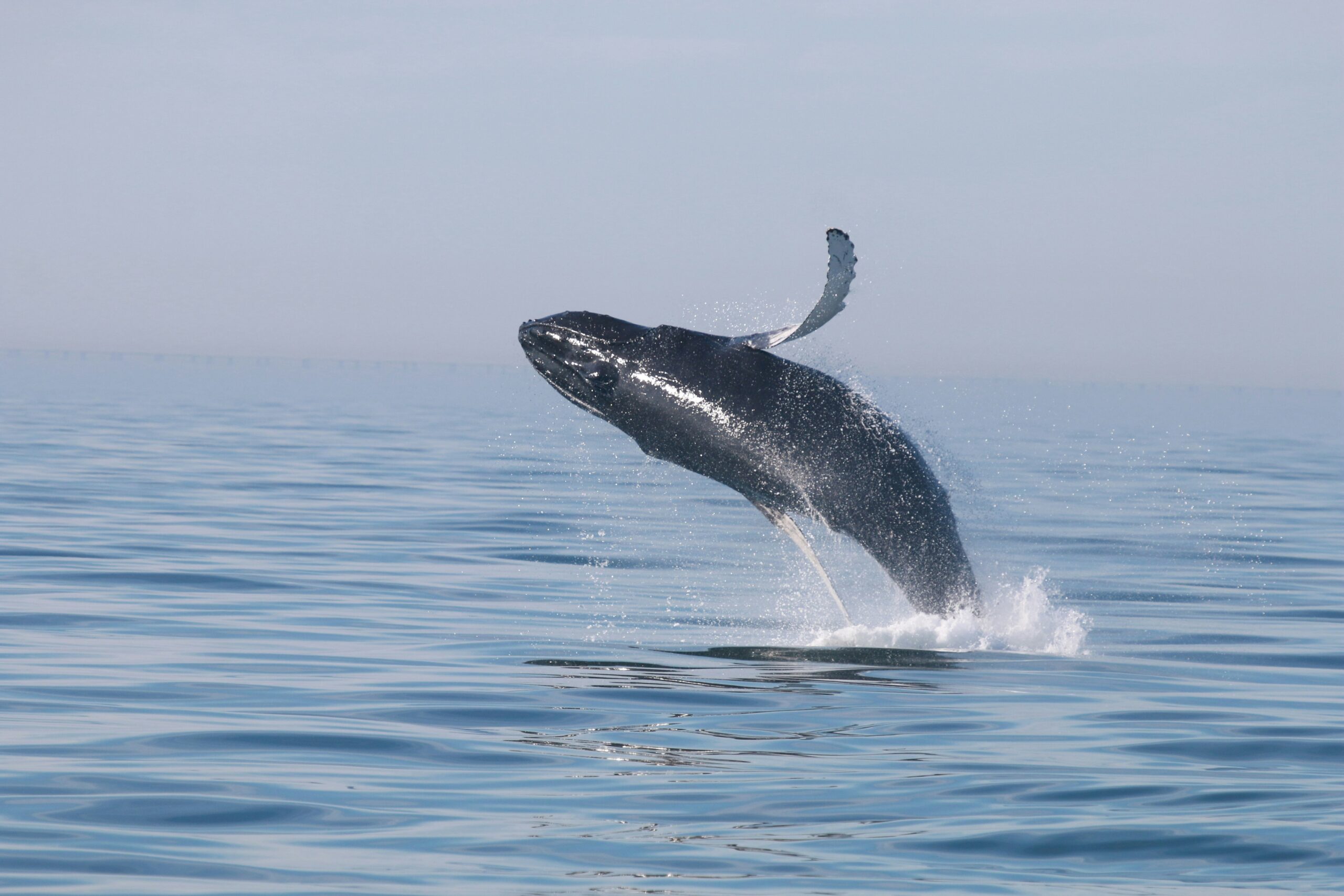
The vast, sapphire expanse of the ocean, a realm of profound mystery and breathtaking scale, holds within its depths creatures of equally awe-inspiring magnitude. Among them, the blue whale (Balaenoptera musculus) reigns supreme, the largest animal to have ever lived on Earth. Yet, despite their colossal presence, much about these majestic beings, particularly their intricate communication, remains enigmatic. Scientists have long been captivated by the low-frequency calls that traverse hundreds, even thousands, of miles through the water, hinting at a complex language that has, until recently, been largely indecipherable. Unlocking the mysteries of blue whale communication is not merely an academic pursuit; it offers a profound glimpse into the social lives, migration patterns, and ecological roles of these endangered giants, potentially holding keys to their conservation and our understanding of marine ecosystems.
The ocean is not the silent abyss many imagine. Instead, it is a dynamic acoustic environment, teeming with sounds produced by marine life, geological activity, and human endeavors. For baleen whales, like the blue whale, sound is not just a sensory input; it is their primary modality for navigating, foraging, finding mates, and maintaining social cohesion. Their calls are incredibly powerful, capable of reaching distances that far surpass human shouting. Understanding this sonic landscape is the first step in deciphering the blue whale’s complex vocalizations.
The Nature of Blue Whale Vocalizations
Blue whale calls are predominantly low-frequency sounds, typically ranging from 10 to 30 Hertz (Hz), although they can also produce higher frequency clicks. These calls are often described as deep, resonant moans, groans, or pulses. Their production is believed to involve the complex cartilaginous structures within their larynx. The sheer volume of these sounds is astounding, with some estimations suggesting they can reach up to 188 decibels, making them among the loudest sounds produced by any animal. This powerful output is crucial for overcoming the significant attenuation of sound in seawater over long distances.
Frequency and Amplitude: The Building Blocks of the Signal
The specific frequencies and amplitudes of blue whale calls are not random. Researchers have observed distinct patterns that vary based on the whale’s activity, location, and potentially even individual identity. The low frequencies are particularly effective at traveling long distances through the ocean, as they are less susceptible to absorption than higher frequencies. The amplitude, or loudness, of the calls is also a critical factor in their effectiveness, ensuring that the signal can be detected by other whales across vast stretches of ocean.
The Influence of the Marine Environment on Sound Propagation
The physical properties of seawater significantly influence how sound travels. Factors such as temperature, salinity, and pressure create different layers and zones within the ocean, each with its own sound-conducting characteristics. Understanding these variations is essential for predicting how far and in what direction blue whale calls might travel. For instance, the deep sound channel, or SOFAR channel, a layer where sound velocity is at a minimum, can act as a waveguide, allowing low-frequency sounds to propagate for thousands of kilometers with minimal loss of energy.
Sound Speed Variations and Their Impact on Communication Range
The speed of sound in water is not constant; it varies with temperature, salinity, and depth. Warmer, less saline waters generally exhibit slower sound speeds, while colder, more saline waters have faster sound speeds. These variations can refract, or bend, sound waves, influencing their propagation paths. For blue whales, navigating these naturally occurring acoustic lenses and conduits is crucial for effective long-distance communication.
Anthropogenic Noise: A Growing Threat to Cetacean Communication
While the natural sonic environment poses its own challenges, the increasing prevalence of anthropogenic noise – sounds generated by human activities such as shipping, seismic surveys, and sonar – is a significant threat to blue whales and other marine life. This noise pollution can mask whale calls, making it difficult for them to hear each other, and can also cause physiological stress and behavioral changes. The cacophony of human-generated sounds is essentially drowning out the natural conversations of the ocean.
Masking Effects and Communication Disruption
Anthropogenic noise, particularly in the low-frequency range used by blue whales, can directly mask their calls. This means that the whale’s vocalizations are either completely obscured by background noise or rendered unintelligible. This masking effect can disrupt vital communication for mating, foraging, and social interactions. Imagine trying to have a conversation in a loud concert hall; the analogy holds true for whales in acoustically polluted waters.
Recent studies on blue whale communication have revealed fascinating insights into their vocalizations and social interactions. For a deeper understanding of how these majestic creatures communicate and the implications for their conservation, you can read a related article on the topic at Freaky Science. This resource provides valuable information on the latest research findings and the importance of preserving the natural habitats of these incredible animals.
Decoding the Language of the Blue Whale
The complexity of blue whale vocalizations hints at a sophisticated communication system, but deciphering their meaning has been a monumental task. Early research focused on cataloging the different sounds produced, while later efforts have employed advanced acoustic analysis and correlation with observed behavior to begin understanding the messages being conveyed.
Cataloging and Classifying Blue Whale Sounds
The initial stages of understanding blue whale communication involved meticulously recording and categorizing the various sounds they produce. This often involved deploying hydrophones (underwater microphones) in areas where blue whales are known to frequent. Researchers have identified distinct call types, often referred to by descriptive names based on their acoustic properties, such as “FM sweeps,” “downsweeps,” and “pulses.”
Distinct Call Types and Their Acoustic Signatures
Scientists have identified several distinct call types associated with blue whales. “Downsweep” calls are long, low-frequency vocalizations that sweep downwards in frequency. “Upsweeps” are less common but share similar characteristics. Many blue whales also produce short, pulsed calls that can vary in their repetition rate and pattern. The unique spectral and temporal features of these calls form their acoustic signatures, allowing for their differentiation.
Recent studies have revealed fascinating insights into blue whale communication, showcasing how these majestic creatures use low-frequency sounds to communicate over vast distances. This form of communication is essential for their social interactions and navigation in the deep ocean. For a deeper understanding of the complexities of marine life and communication, you can explore a related article that delves into the intricacies of animal sounds and their significance in the underwater world. Check it out here.
Identifying the Purpose of Different Vocalizations
The overarching goal of communication research is to understand why these sounds are being made. By correlating specific calls with observed whale behaviors, researchers are beginning to piece together the functional significance of their vocal repertoire. Are certain calls used for attracting mates, warning off rivals, coordinating group movements, or simply for maintaining contact over long distances?
Calls Associated with Foraging and Feeding
While blue whales are filter feeders and do not typically vocalize extensively during active feeding, some evidence suggests that certain calls might be related to foraging. For example, the detection of specific low-frequency sounds in areas where krill swarms are abundant has led to speculation that these calls could somehow relate to locating or signaling the presence of food sources, though this remains an area of active investigation and debate.
Vocalizations Related to Reproduction and Social Interaction
Reproduction is a significant driver of vocal communication in many species. Blue whale males are believed to produce the majority of their characteristic low-frequency songs, which are thought to be related to attracting females or competing with other males. The complex patterns and long sequences of these songs suggest a sophisticated display of fitness. Social interactions between mothers and calves, as well as between individuals in a pod, likely involve a range of calls for maintaining contact and coordination.
The Role of Song in Mating and Social Bonding
Blue whale males are known to produce complex sequences of calls, often referred to as “songs.” These songs can be highly structured, with recurring themes and variations, and can last for hours. The regularity of these songs, particularly during the breeding season, strongly suggests a role in mate attraction. The complexity of the song might also be an indicator of a male’s health and quality, a form of sexual selection.
Seasonal and Geographical Variations in Song
Researchers have observed that blue whale songs can vary geographically and seasonally. Different populations may have distinct song dialects, akin to regional accents in human languages. The timing and intensity of singing can also fluctuate, often correlating with breeding periods. These variations provide valuable insights into population movements, social structures, and the evolution of their communication.
Technological Innovations in Acoustic Research

The advancement of technology has been instrumental in our ability to listen to and understand the underwater world. Sophisticated hydrophone arrays, towed arrays, passive acoustic monitoring (PAM) systems, and sophisticated data analysis software have revolutionized the study of marine mammal communication.
Passive Acoustic Monitoring (PAM) Systems
PAM systems are a cornerstone of modern marine mammal acoustic research. These systems involve deploying arrays of hydrophones in strategic locations to continuously monitor underwater soundscapes. By capturing and analyzing vast amounts of acoustic data, researchers can identify the presence of blue whales, track their movements, and study their vocal behavior over extended periods.
Long-Term Acoustic Observatories and Their Data Contribution
The establishment of long-term acoustic observatories, often equipped with arrays of sensors, has provided an unprecedented wealth of data. These observatories allow scientists to observe seasonal patterns, track individual whales (through unique call characteristics), and detect changes in vocalizations that might be linked to environmental factors or human activities. The sheer volume of data collected by these systems requires advanced computational power and analytical techniques.
Advanced Signal Processing and Machine Learning
Analyzing the complex acoustic signals produced by blue whales requires sophisticated signal processing techniques. Algorithms are used to filter out background noise, isolate individual calls, and identify spectral and temporal features. More recently, machine learning algorithms have shown immense promise in automatically classifying different call types, identifying individual whales, and even detecting subtle changes in vocalizations that might indicate stress or changes in behavior.
Pattern Recognition and Call Classification Algorithms
Pattern recognition algorithms are crucial for identifying recurring elements within blue whale vocalizations. These algorithms can detect similarities in frequency modulation, duration, and amplitude across different calls, allowing for their classification into distinct categories. Machine learning models can be trained on labeled datasets of calls to automatically identify and categorize new vocalizations with high accuracy.
Tracking Whale Movements Through Acoustics
Beyond simply understanding vocalizations, acoustics plays a vital role in tracking whale movements. By triangulating the source of a whale’s call using multiple hydrophones, researchers can estimate the animal’s location. This passive tracking method is less intrusive than traditional tagging methods and allows for the monitoring of whales over vast distances and extended periods.
Triangulation Techniques and Source Localization
Triangulation is a geometric principle used to determine the location of an object by taking measurements from multiple known points. In acoustics, hydrophones spaced at known distances can record the arrival time of a whale’s call. By measuring the time difference of arrival of the sound at different hydrophones, and knowing the speed of sound in water, researchers can calculate the distance to the sound source. With at least three hydrophones, a precise triangulation of the whale’s position can be achieved.
The Future of Blue Whale Communication Research

The field of blue whale communication is rapidly evolving, with ongoing research focusing on expanding our understanding of their complex vocalizations, the behavioral and ecological implications, and the impact of current environmental changes on their communication abilities.
Understanding Individual and Population-Level Variation
Future research will continue to delve into the nuances of individual blue whale vocalizations. Are there “personalities” in their calls? Do individuals have distinct vocal repertoires, and how do these vary across different age groups or sexes? Furthermore, understanding the differences in communication strategies between different blue whale populations will be crucial for effective conservation efforts.
Dialects and Individual Signatures: Unveiling Social Networks
The potential existence of vocal dialects within blue whale populations is an exciting area of research. If distinct groups have specialized calls or song structures, it suggests a degree of social grouping and mate choice fidelity. Identifying individual signatures within these calls could also shed light on social hierarchies, family structures, and the formation of temporary alliances.
Investigating the Impact of Environmental Change on Vocalizations
As climate change alters oceanographic conditions, and anthropogenic noise continues to increase, understanding how these factors affect blue whale communication is paramount. Shifts in sound propagation due to changes in ocean temperature, or the masking of calls due to increased shipping traffic, could have profound consequences for their ability to communicate, reproduce, and survive.
Acoustic Adaptation and Future Communication Strategies
Researchers are investigating whether blue whales are already adapting their vocalizations to changing acoustic environments. Are they shifting the frequencies of their calls, increasing their amplitude, or changing the timing of their vocalizations to overcome noise pollution? Understanding these potential adaptations can inform conservation strategies and highlight the urgent need to mitigate anthropogenic noise.
Integrating Acoustic Data with Other Research Methods
The future of blue whale communication research lies in the integration of acoustic data with other scientific disciplines. Combining acoustic monitoring with satellite tagging, genetic analysis, and behavioral observations will provide a more holistic understanding of these animals and their complex lives.
Multi-Disciplinary Approaches for a Comprehensive Understanding
By integrating acoustic data with information from satellite tags, scientists can correlate vocal behaviors with specific movements, dive patterns, and interactions. Genetic studies can reveal population structure and mating patterns, which can then be linked to observed vocalizations. This multi-disciplinary approach is essential for unraveling the many layers of blue whale communication and ultimately ensuring their survival.
The journey to unlock the mysteries of blue whale communication is a long and challenging one, but the progress made thus far is remarkable. Each new discovery, enabled by technological innovation and dedicated scientific inquiry, brings us closer to understanding the complex sonic world of these magnificent ocean giants. The ongoing research not only deepens our appreciation for these incredible creatures but also provides invaluable insights into the health of our planet’s oceans and the urgent need for their protection. As we continue to listen to the whispers and roars of the blue whale, we are, in essence, listening to the heartbeat of the ocean itself.

The Secret Ocean Layer That Lets Sound Travel for Thousands of Miles
FAQs
What is blue whale communication?
Blue whale communication refers to the complex vocalizations and sounds produced by blue whales to communicate with each other. These sounds can travel over long distances and are used for various purposes such as mating, feeding, and maintaining social connections.
How do blue whales communicate?
Blue whales communicate using low-frequency vocalizations, often referred to as “songs.” These sounds can travel for hundreds of miles underwater and are thought to play a crucial role in long-distance communication and social interactions among blue whales.
What do blue whale vocalizations sound like?
Blue whale vocalizations are typically low-frequency sounds that can range from moans and pulses to rhythmic patterns. These vocalizations can be extremely loud, reaching up to 188 decibels, making them one of the loudest sounds produced by any animal.
Why do blue whales communicate using sound?
Blue whales communicate using sound because it is an effective way to transmit signals over long distances in the ocean. Sound travels much farther and faster in water than in air, allowing blue whales to communicate with each other even when they are miles apart.
How do scientists study blue whale communication?
Scientists study blue whale communication by using hydrophones to record and analyze the vocalizations of blue whales. They also use tagging and tracking technologies to observe the behavior of blue whales in their natural habitat and gain a better understanding of their communication patterns.